Submarine affair probe finds ‘systemic failings’ endangered state security
State commission on decade-old scandal says government acted 'in chaos and without clear direction'; findings on personal liability to be issued after High Court hearings
The state commission of inquiry into the submarine affair, a more than decade-old political scandal, said Sunday that it had found “systemic failings” in Israel’s acquisition of naval vessels under a previous Benjamin Netanyahu-led government.
The commission of inquiry also found failings in the sale of naval vessels to Egypt by Germany with Israel’s approval, which it said endangered national security.
The so-called submarine affair, also known as Case 3000, revolves around allegations of a massive bribery scheme in the multibillion-shekel state purchase of naval vessels from German shipbuilder Thyssenkrupp in the early 2010s. The case led to a number of indictments against close confidants of Netanyahu, but not the premier himself.
Israel purchased the vessels from Thyssenkrupp in a series of murky deals worth some $2 billion that have been under scrutiny for possible corruption and bribery.
The state commission of inquiry was established in 2022 during then-prime minister Naftali Bennett’s tenure, to examine submarine and naval vessel purchases that occurred on Netanyahu’s watch and the sale by the German Thyssenkrupp company of submarines and naval vessels to Egypt with Netanyahu’s apparent approval.
In its finding issued Sunday, the commission said that Israeli governments had failed to establish clear policies and strategy, made case-specific decisions, and ignored the broader picture of the country’s security requirements “in a manner that endangered state security.”
“Decisions by the political leadership must be made through an organized process, in which professional agents participate and considerations — political and professional — are taken into account… This was not the case in the naval vessel affair,” the commission found.
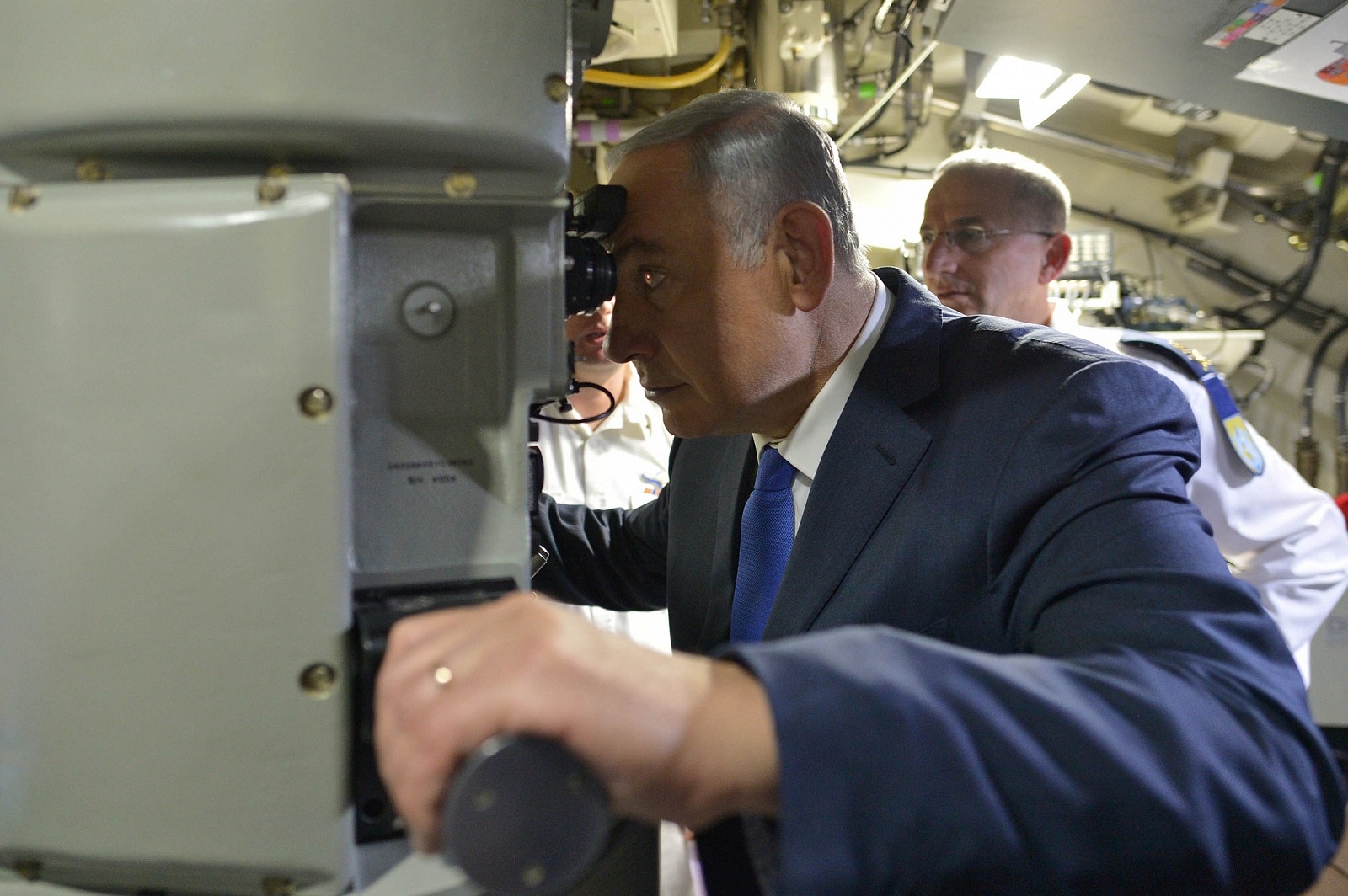
The commission wrote in its findings that “the handling of the sale of weapons systems by allies to third parties — a sensitive strategic issue — was conducted in chaos and without clear direction, in a manner that endangered state security.”
In addition, it found that “conversations and understandings” between ministers and prime ministers with foreign entities “were not documented,” despite the responsibility to do so.
The commission called on the government to clearly set out its priorities, ranking the threats for which the Israel Defense Forces must prepare, and instruct the military to “formulate a multi-year plan accordingly” to serve as the basis for force buildup decisions.
The commission into the submarine affair was led by retired Supreme Court justice Asher Grunis, who was hospitalized last week in serious condition.
The commission’s document of recommendations released Sunday did not include an analysis of personal responsibility for the failings, and the formulation and publication of those findings will only happen once petitions filed to the High Court of Justice by those who were warned by the commission about their possible culpability, including Netanyahu, have been adjudicated.

In June 2024, the commission sent letters of warning to Netanyahu, former Mossad chief Yossi Cohen, former Israel Navy chief Ram Rothberg, former defense minister Moshe Ya’alon and National Security Council employee Avner Simchoni over their roles in the affair.
The members of the panel accused Netanyahu of using the National Security Council to bypass the government and the military to advance naval purchases in a way that “endangered state security.”
The prime minister “sidelined the government and neutralized its ability to influence issues related to the core of the State of Israel’s national security and military development,” said the commission.
Cohen, who at the time of the purchases was head of the NSC, was accused last year by the commission of promoting the deals “incautiously and without the necessary expertise,” while misleading the security establishment.
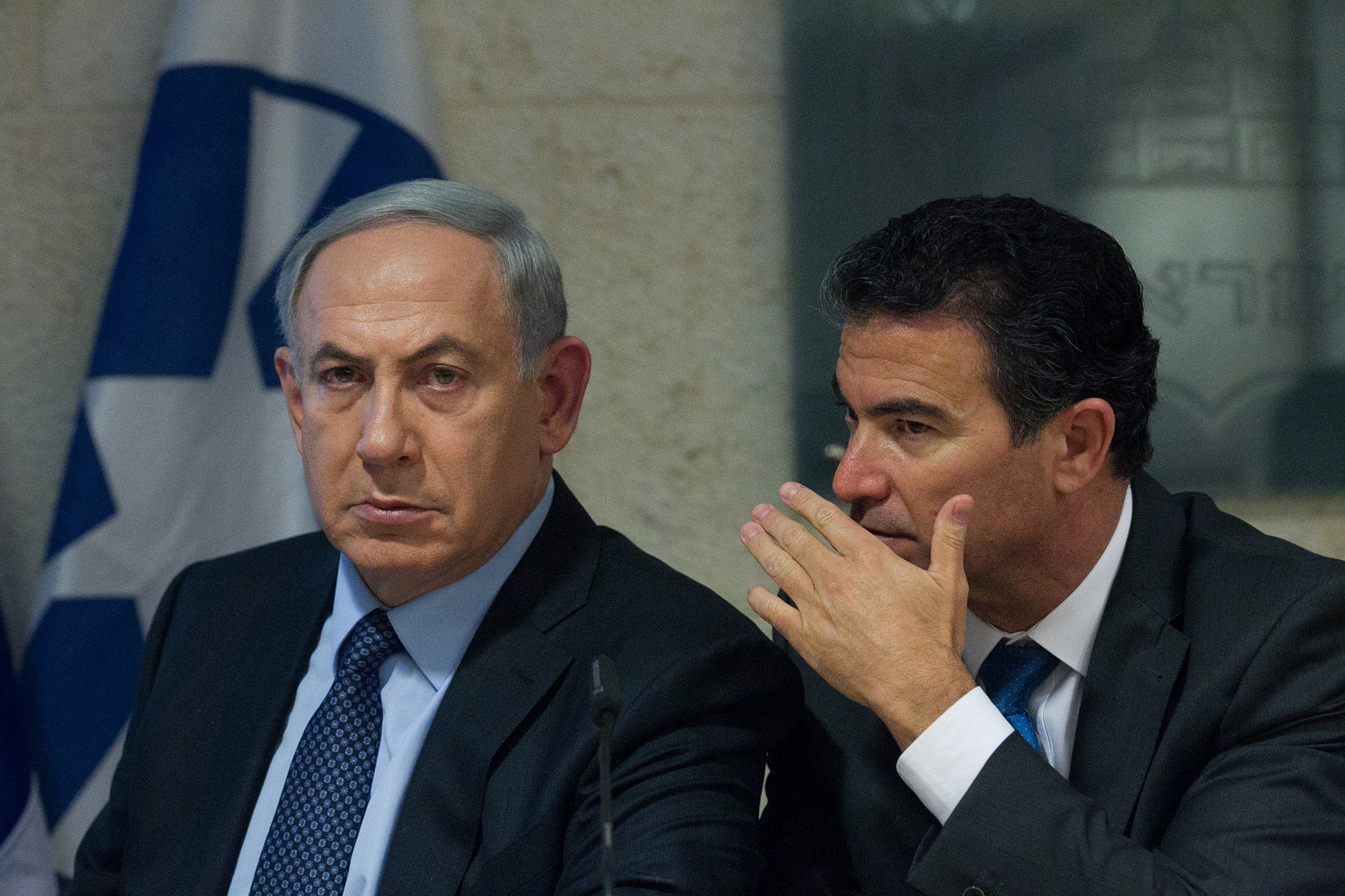
Opposition Leader Yair Lapid said Sunday that the commission’s findings “prove once again: The most sensitive security issues of the State of Israel were managed with destructive negligence and amateurishness.”
Blue and White party leader Benny Gantz, who was IDF chief during some of the purchases, said Sunday that the commission’s conclusions “are further proof of how important it is to establish a state commission of inquiry to investigate the greatest disaster we have known,” the October 7, 2023, attack.
Netanyahu has vehemently opposed establishing a state commission into Hamas’s October 7 onslaught and is instead pursuing the creation of a politically controlled investigation.