

‘Submarine Affair’ panel: Netanyahu duped security establishment into dubious deals
Commission probing murky 2009-2016 naval purchases says PM used National Security Council as ‘executive arm’ to bypass military and government, harming state security
 Add ToI as a Preferred Source on Google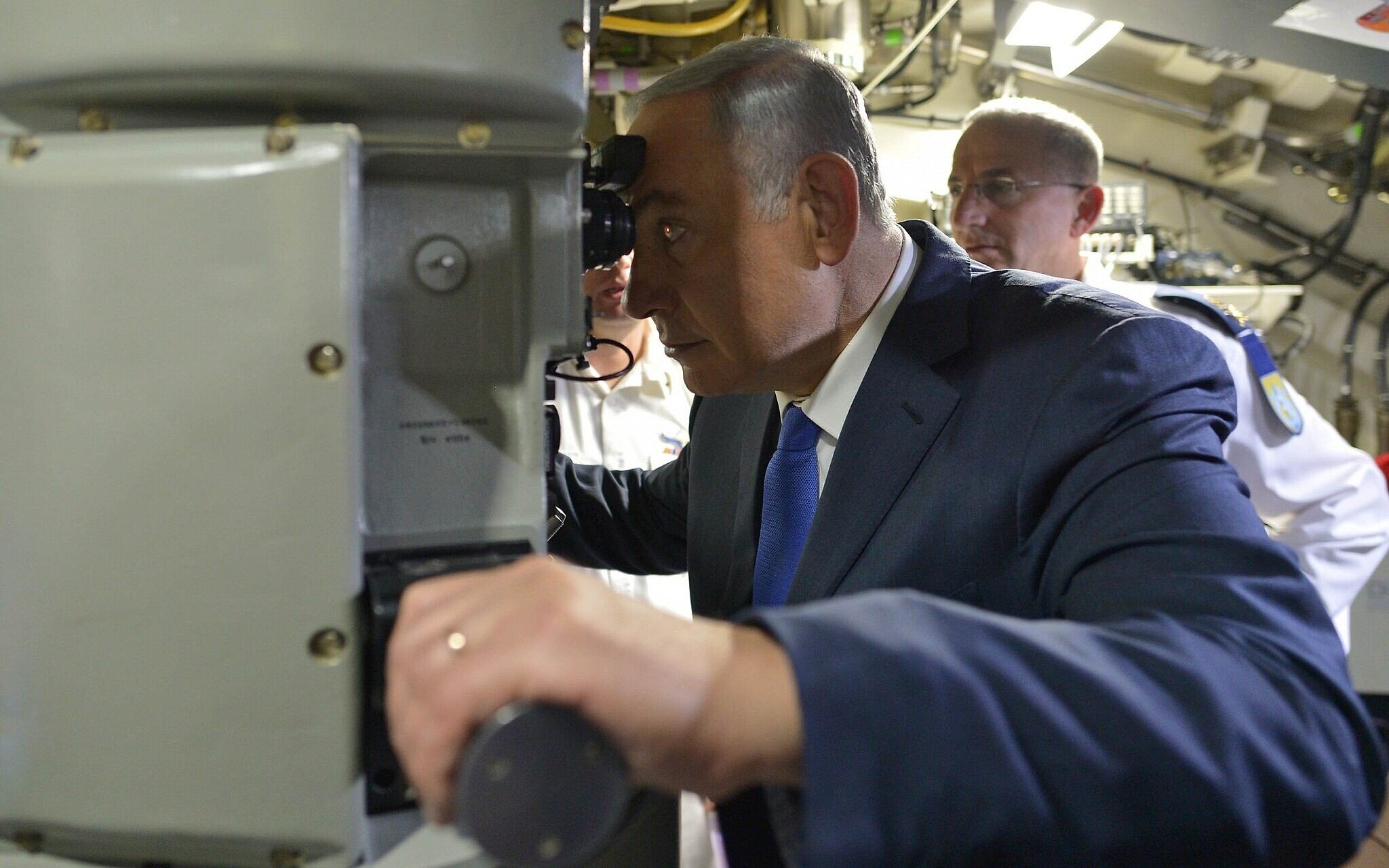
The state commission of inquiry into the so-called Submarine Affair said Sunday that between 2009 and 2016, Prime Minister Benjamin Netanyahu used the National Security Council to bypass the government and the military in advancing naval purchases in a way that “endangered the security of the state.”
The commission also found that Yossi Cohen, who led the NSC between 2013 and 2016 before serving for three years as Mossad chief, promoted the purchases “incautiously and without the necessary expertise,” while misleading the security establishment, which had opposed the purchases on the grounds that they were not in line with military priorities.
The commission was formed under former prime minister Naftali Bennett in 2022 and is headed by former chief justice Asher Grunis. It is probing some $2 billion worth of deals with German shipbuilder ThyssenKrupp that have been under scrutiny for possible corruption and bribery. One aspect of the probe deals with critics’ accusation that Netanyahu green-lit a 2014 naval deal between Germany and Egypt that jeopardized Israel’s qualitative advantage at sea.
In its latest filing, the commission expanded on letters of warning that it sent last year to five people it thinks will be negatively affected by the results of the probe: Netanyahu, Cohen, former Navy chief Ram Rothberg, former defense minister Moshe Ya’alon and National Security Council employee Avner Simchoni.
The new filing came in response to the defendants’ petitions to the High Court in April that the commission further detail the warnings.
Netanyahu, the commission said Sunday, had “acted in the purview of the security establishment via the NSC, which he had turned into his own executive arm in these issues.
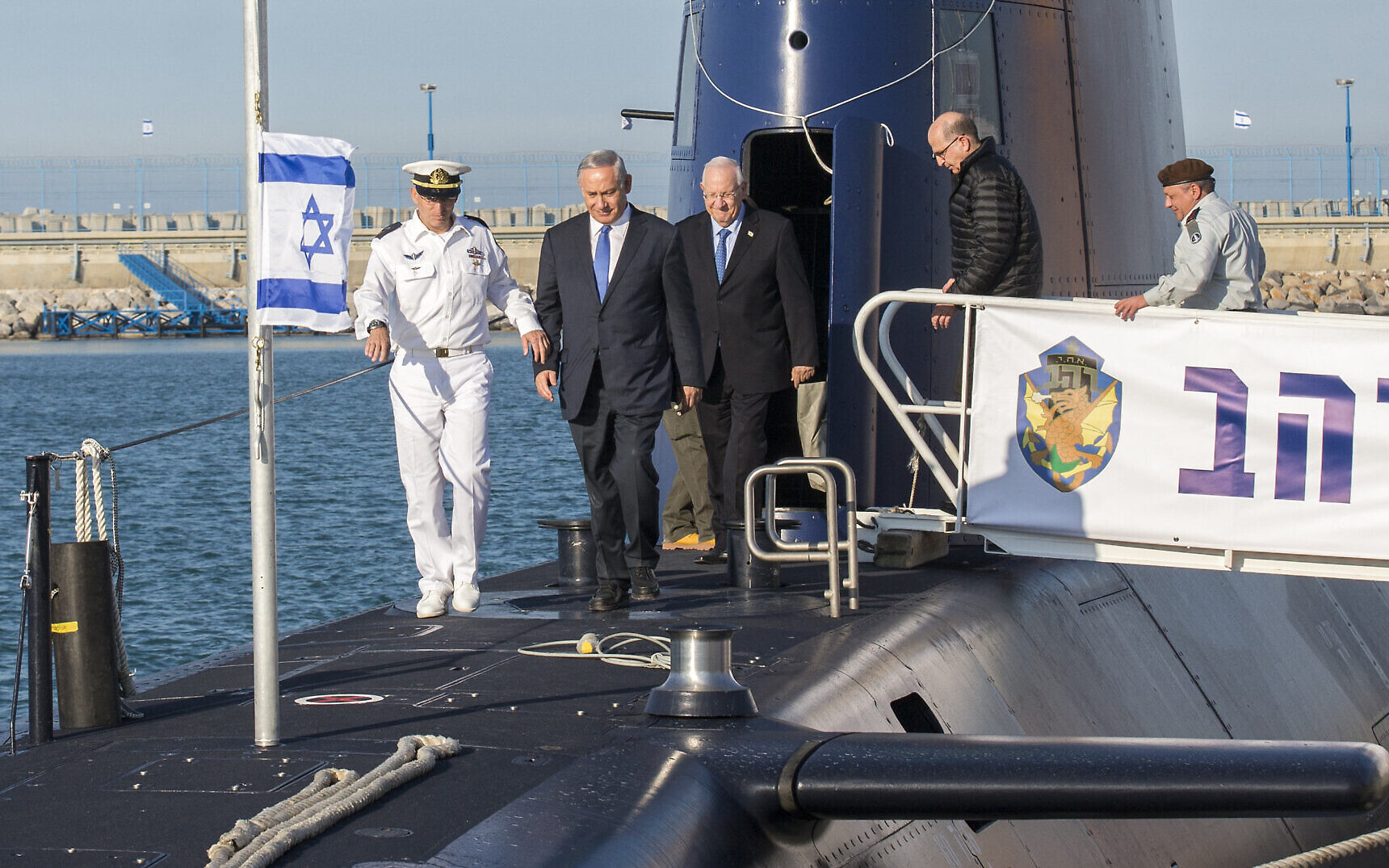
“Steps were taken contrary to those taken by the security establishment… [without] a proper decision-making process and unrelated to the security needs and priorities determined by the government,” said the commission, accusing Netanyahu and the premier of having “refrained from documenting their discussions and meetings.”
“In fact, the prime minister sidelined the government and neutralized its ability to influence issues related to the core of the State of Israel’s national security and military development,” said the commission.
The commission’s new filing also said that Simchoni, the former NSC employee, had failed to perform due diligence in promoting the sales at the NSC, and that Rothberg, the former Navy chief, “bypassed his superiors in the IDF… modified opinions, misrepresented data, presented misleading and biased analyses and coordinated with the ThyssenKrupp shipbuilder.”
Based on those descriptions, the commission said, the letters of warning given to Netanyahu, Cohen, Simchoni and Rothberg noted that they had “endangered the security of the state and harmed foreign relations and the State of Israel’s economic interests.”

Netanyahu has denied all wrongdoing in relation to the Submarine Affair, including that he had approved the 2014 deal between Germany and Egypt, and called the probe a witch hunt by the media and by the “change government” that briefly unseated him in 2021-2022.
Ya’alon, who was defense minister under Netanyahu between 2013 and 2016 and later became a harsh critic of the premier, has said that the dealings behind the Submarine Affair could amount the treason.
He was the only one of the five officials to have received no critical remarks about his conduct around the affair in the commission’s letters of warning last year.







The Times of Israel Community.