Trump aid bombshell could set off scramble to reprioritize upcoming arms buys
After US president announces earlier-than-expected cutoff of annual $3.8 billion, Israel must now assess which weapons are worth tax hikes or budget cuts and what it can afford to wait on or live without
US President Donald Trump’s almost literal bombshell announcement on Tuesday that the United States would cease providing nearly $4 billion in annual military aid to Israel by the end of this year, rather than nearly two years from now, sent shockwaves through the Israeli defense establishment and the country’s treasury.
Officials in the Finance Ministry, Defense Ministry, and Israel Defense Forces were caught off guard by the announcement and left nonplussed, given that the 10-year memorandum of understanding on US military assistance to Israel, which gives the Jewish state $3.8 billion annually, doesn’t expire until the end of September 2028.
If Trump’s statement is accurate and he follows through, the immediate consequence for Israel would be that the Defense Ministry would need to find alternative sources of funding for major procurement deals over the coming year, with the cost ultimately falling on Israeli taxpayers or requiring cuts to other areas of the budget.
The $3.8 billion in annual aid consists of $3.3 billion a year in foreign military financing, nearly all of it to purchase US-made arms, and another $500 million annually for missile defense.
In recent years, US aid has become an increasingly small part of Israel’s defense spending amid costly wars in Gaza, Lebanon and Iran, as well as operations in Yemen. Alongside the battlefronts, Israel has sought to bolster its general defensive posture since the Hamas-led onslaught of October 7, 2023, spending lavishly to fix holes and other issues exposed by the massacre and subsequent wars.
In March, the Knesset voted on a budget that allotted the Defense Ministry a record NIS 143 billion ($45 billion), or about 17 percent of the total spending bill. In July, the Finance Ministry agreed to immediately transfer an additional NIS 15 billion ($5 billion) to the Defense Ministry, though defense officials say an NIS 40 billion ($12 billion) deficit remains.
Without the US aid, Israel will still seek to purchase American weapons by making up for the difference with taxpayer funds. The Air Force relies almost entirely on US-built platforms, including F-15, F-16, and F-35 fighter jets, along with KC-46 refuelers and other aircraft.
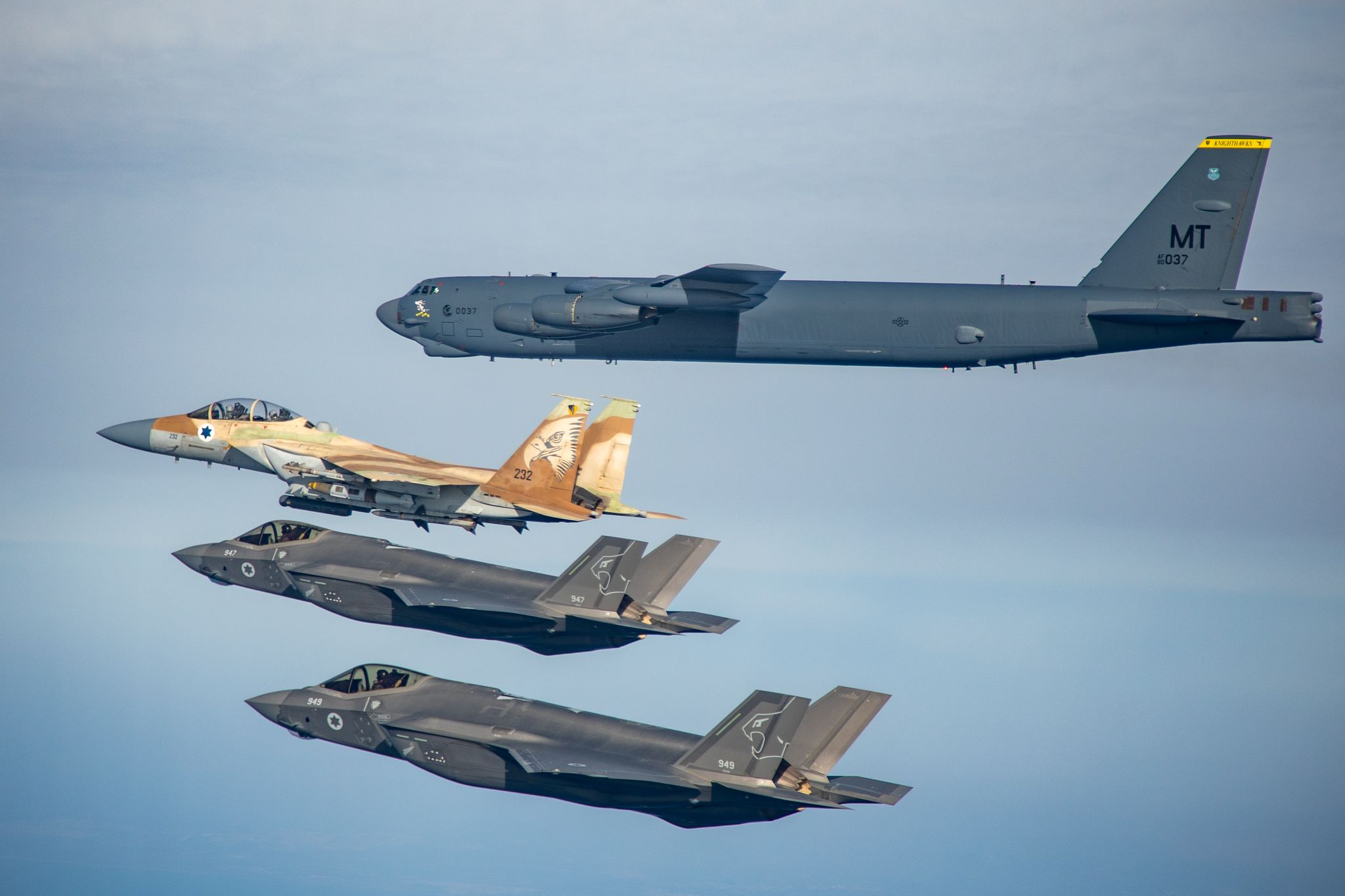
That may require cuts elsewhere and a rethink of its priorities. Some procurement deals could be delayed or stretched over a longer period, while others could be scrapped altogether if the money cannot be found.
It could also turn to cheaper alternatives where they exist, including for various missiles and bombs it currently buys from the US.
Israel has already increasingly shifted to local production for some munitions. Israeli concerns over how much it can rely on supplies continuing to come from the US were sharpened during the war in Gaza, when former president Joe Biden’s administration delayed some weapons transfers and balked altogether on sending 2,000-pound bombs.
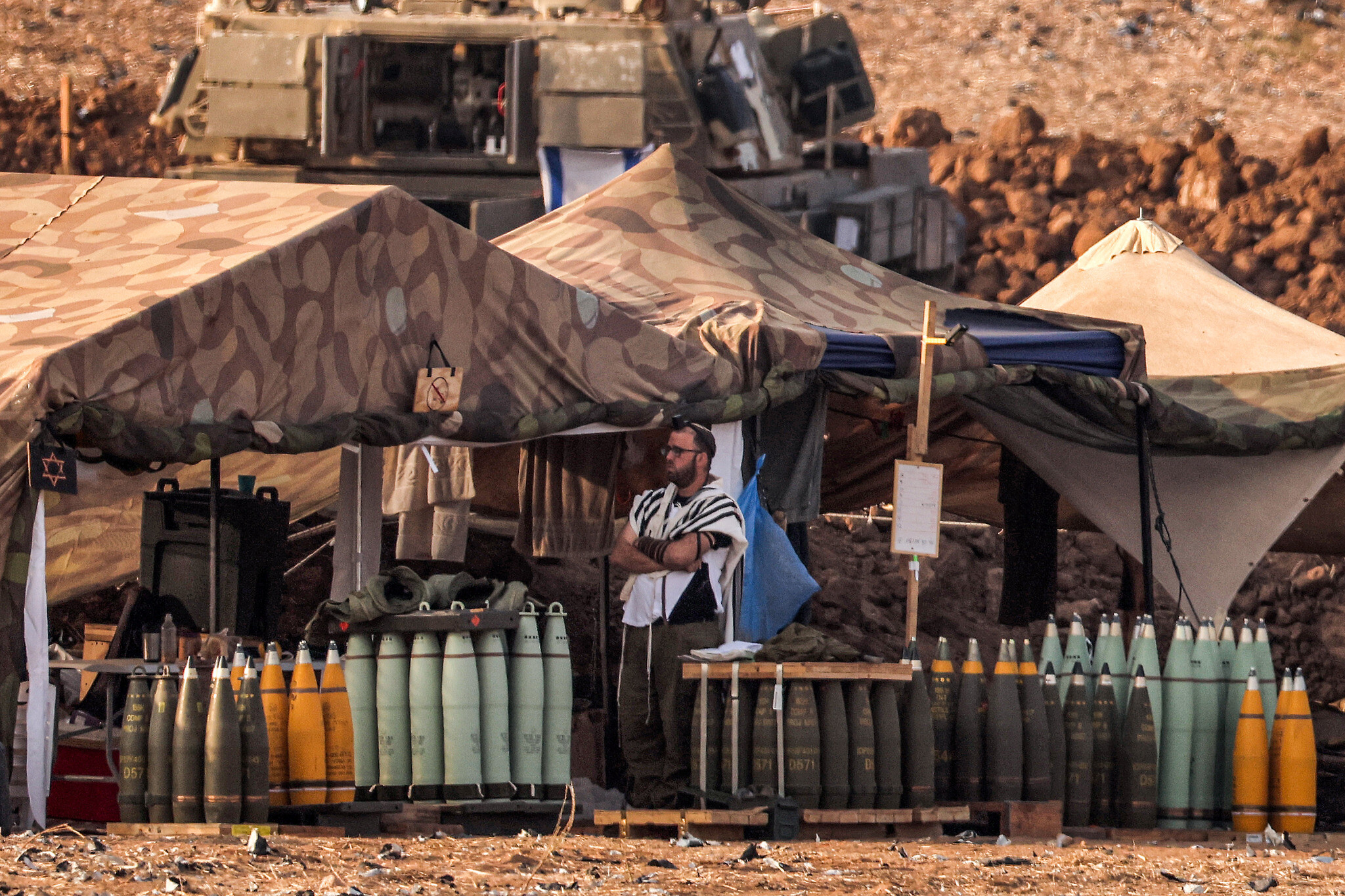
Meanwhile, the loss of $500 million in annual funding for air defenses would likely affect the joint Israeli-American development of new technology aimed at swatting threats out of the sky, which is heavily reliant on the funds.
Read more: Rethinking defense ties with US, Israel eyes shift from patronage to partnership
Alongside the budgetary implications, the abrupt end of US military aid to Israel could also signal a shift in relations between the countries. Trump on Tuesday tried to qualify the announcement by stressing that Israel has been a good ally, saying the aid cut-off was supported by Jerusalem.
Prime Minister Benjamin Netanyahu has repeatedly spoken out about ending US military assistance to Israel. But he has talked about doing so gradually over the next decade — not all at once, as Trump has declared.
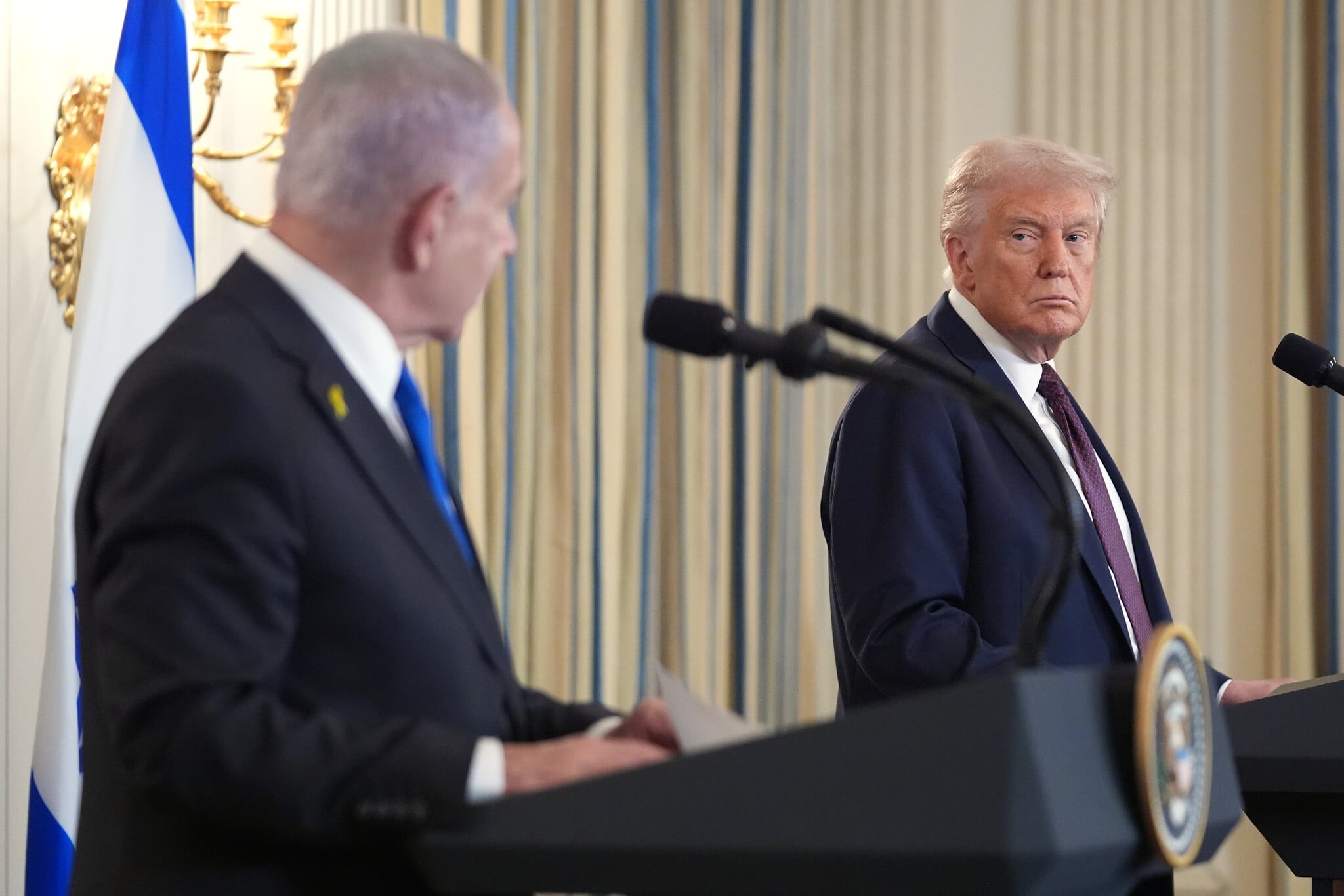
In June, representatives from Israel’s Defense Ministry and the Trump administration formally launched talks on the next defense framework, which the ministry said would “gradually transition from aid to a completely reciprocal partnership.”
The timing of Trump’s announcement, on the morning of midterm elections, was a reflection of how toxic the issue of aid to Israel has become for both Democrats and Republicans.
Many of those who won congressional seats in the vote are ascendant Israel critics who support halting or conditioning arms sales to the Jewish state, meaning the spigot was likely closing soon with or without Trump’s announcement.
Whether Trump follows through on cutting the aid immediately, or the transition happens somewhat more gradually, Israelis already dealing with ballooning defense costs seem to have little choice but to make peace with US military aid becoming a thing of the past sooner rather than later.
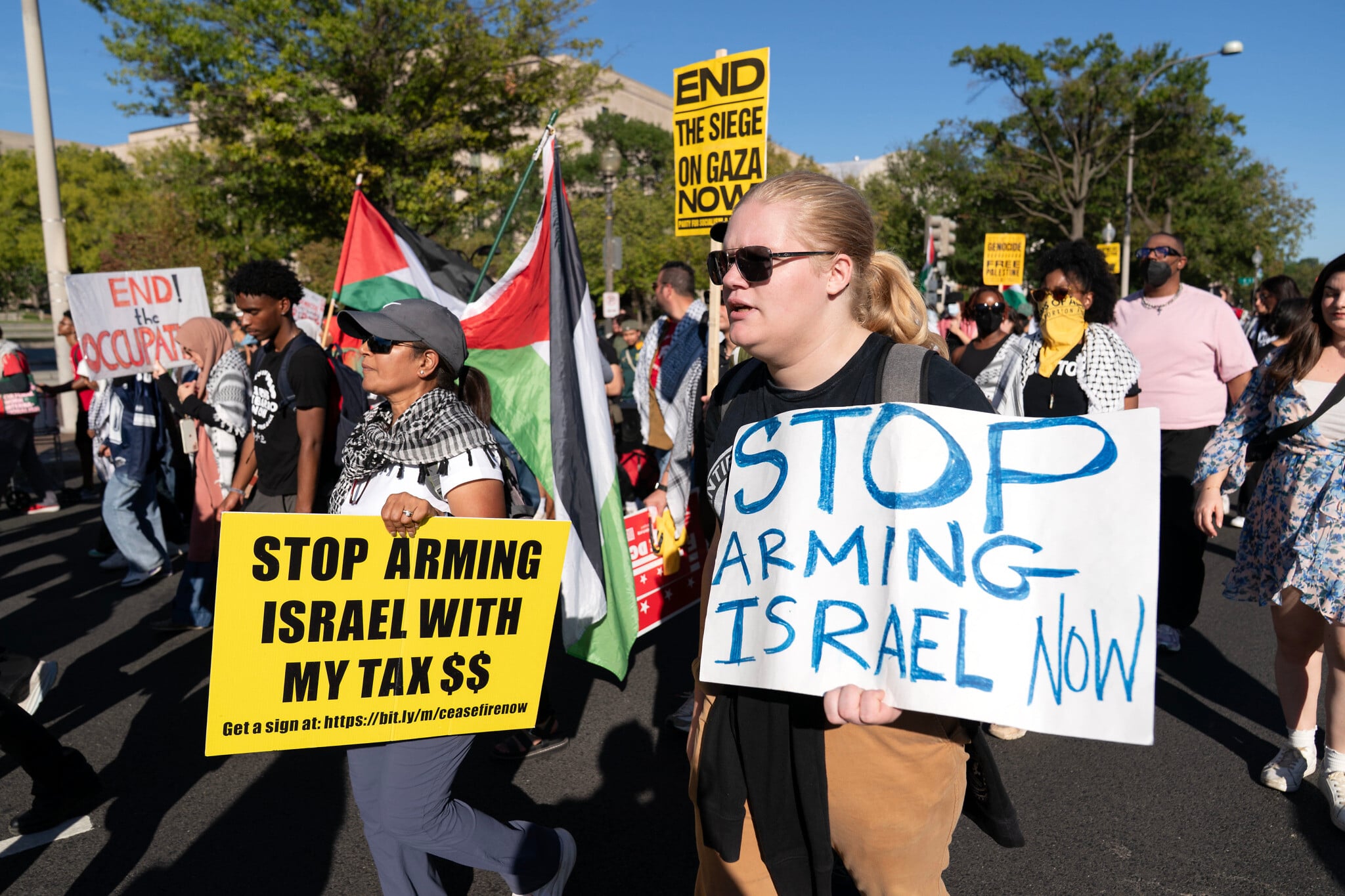
That means officials will have to quickly reassess current and future military procurement deals they had expected to finance with US funding through 2028.
The question now isn’t whether the aid is still coming, but what acquisitions Israel can afford to pay for itself by belt-tightening elsewhere, and what weapons it thinks it can survive without.
Nava Freiberg, Jacob Magid, and Lazar Berman contributed to this report.