UNIFIL confirms it will start leaving south Lebanon when mandate ends on Dec. 31
Lebanese officials have warned peacekeepers' withdrawal could leave security vacuum, while Israel has accused security force of letting Hezbollah infrastructure proliferate
The United Nations Interim Force in Lebanon (UNIFIL) confirmed Thursday that it would start leaving the country at the end of the year, despite Beirut’s calls for the UN to extend the force’s mandate.
Amid Israeli criticism of UNIFIL, the UN Security Council voted last year not to extend the South Lebanon peacekeeping force’s nearly 50-year-old mandate.
“Under Security Council resolution 2790 (2025), UNIFIL’s mandate in Lebanon will end on 31 December 2026. The Mission will then begin the process of its drawdown and withdrawal,” UNIFIL said Thursday.
Until the mandate ends, “peacekeepers from 45 countries will continue their daily operations as usual across south Lebanon, including monitoring and reporting developments, liaising with the parties, supporting the Lebanese Army, and facilitating humanitarian missions,” UNIFIL said.
“The Security Council is considering options for the period after UNIFIL’s mandate ends, including future monitoring and reporting along the Blue Line,” UNIFIL said, adding that “decisions on any future arrangements rest with the Security Council.”
Lebanese officials have warned that UNIFIL’s departure could leave a vacuum in the country’s south, where Israel maintains a self-declared “security zone” that runs around 10 kilometers (six miles) inside southern Lebanon along the border. Beirut’s backers have scrambled to come up with an alternative to the peacekeeping force.
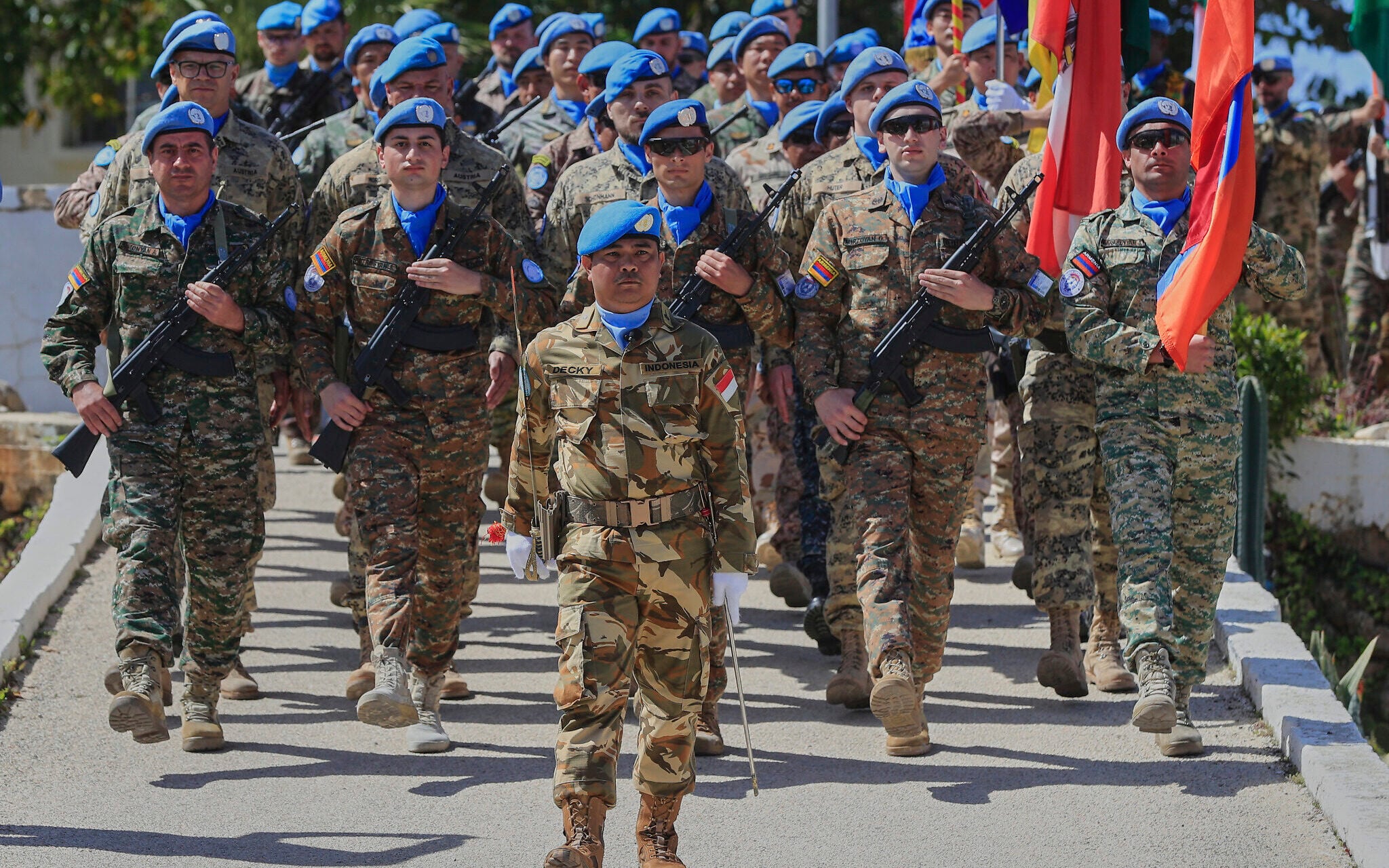
UNIFIL was created to oversee the withdrawal of Israeli troops from southern Lebanon after Israel’s 1978 invasion.
Following the month-long 2006 war between Israel and Hezbollah, UNIFIL’s mandate was expanded to ensure the Iran-backed terror group could not set up military infrastructure in southern Lebanon.
Israel has long accused UNIFIL of failing to fulfill its mission, pointing to Hezbollah’s extensive construction of border-area military infrastructure, which enabled the terror group to attack Israel on October 8, 2023, a day after the Hamas onslaught in southern Israel that sparked the Gaza war.
The border skirmishes sparked by Hezbollah’s attacks at the time ultimately led to an IDF invasion and massive strikes that decimated the terror group’s leadership.
Israel later withdrew from Lebanon, except for five strategic border posts, under a November 2024 US-brokered ceasefire deal that also required the Lebanese military to dismantle Hezbollah infrastructure in southern Lebanon.
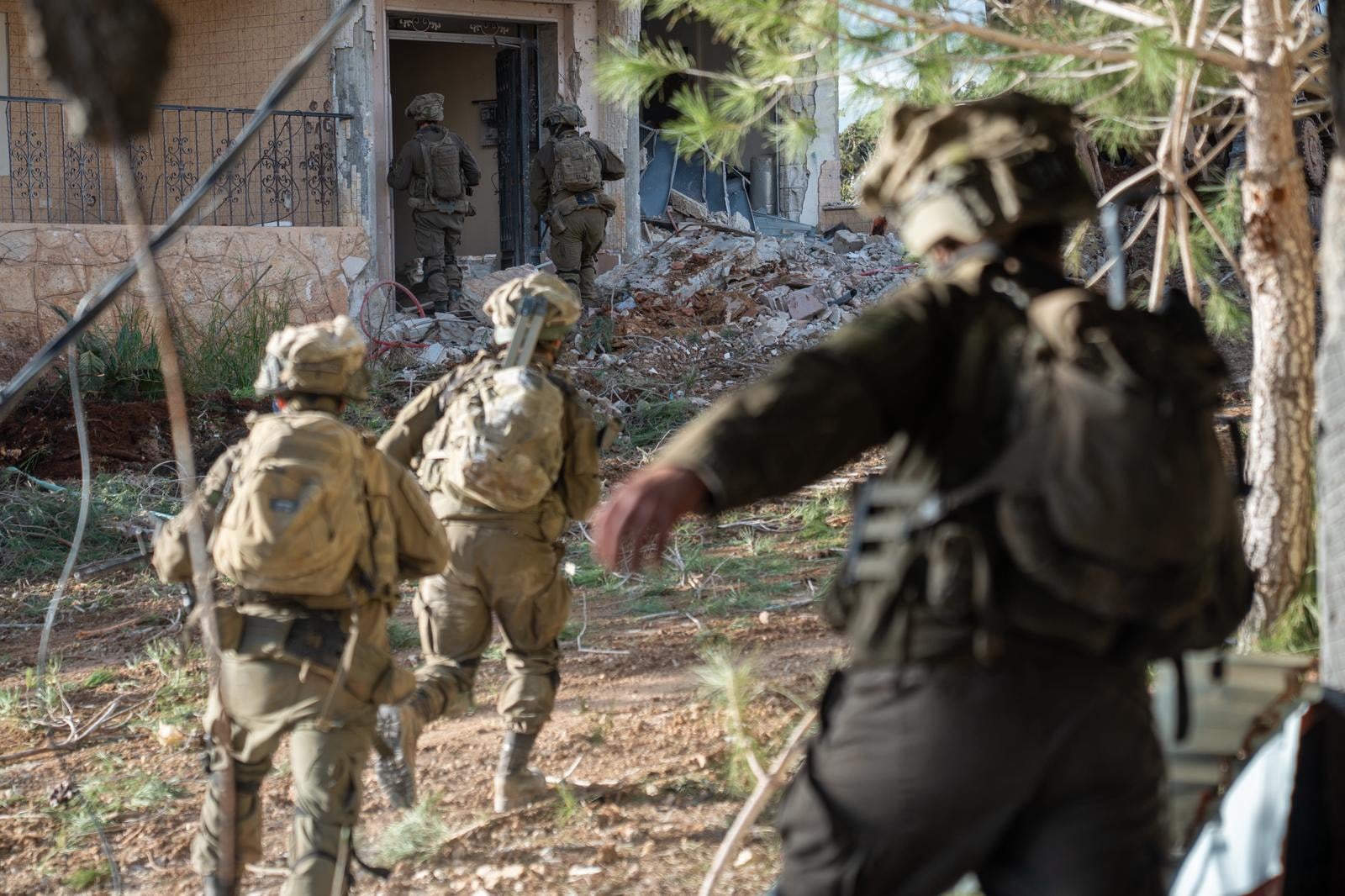
In early 2025, a new government took power in Lebanon that pledged to dismantle Hezbollah’s infrastructure in south Lebanon, but Israel accused Beirut of failing to uphold the pledge.
Israel most recently invaded Lebanon in March, after Hezbollah renewed its rocket attacks on Israel in response to the war that the US and Israel launched on Iran on February 28.
Subsequent US-brokered talks between Israel and the Lebanese government have secured a framework that envisions Israeli troops gradually withdrawing as Lebanese authorities disarm Hezbollah and deploy across the country’s south. The arrangement has already been implemented in certain “pilot zones” in south Lebanon, but progress has stalled in recent months.
Agencies contributed to this report.