US intelligence believes Iran could still have up to 2,500 missiles – report
Official tells WSJ that figure is 'low-confidence assessment,' but it's clear Iran still possesses thousands of missiles; blasts heard in Bahrain as Iran claims attack on US base
US intelligence believes that Iran has some 1,500-2,500 ballistic missiles, officials told The Wall Street Journal according to a Saturday report, which was published hours before Iran carried out a drone attack targeting a US base in the Gulf.
The officials told the US outlet that the missile figure was a “low-confidence assessment” given the difficulties in tracking Tehran’s munitions, but that it was clear that the regime still possessed a large number of missiles.
The Journal reported that the apparent size of Iran’s arsenal has impacted the decision-making process within US President Donald Trump’s administration as to whether the Islamic Republic should be attacked.
The report said Israeli officials also believe Tehran has over 1,500 ballistic missiles.
While Iran’s missile stockpiles and means of production were hit during fighting with Israel and the US, an Israeli official said that Tehran is getting ready for further conflict.
“They are rebuilding, rearming,” the official told the Journal.
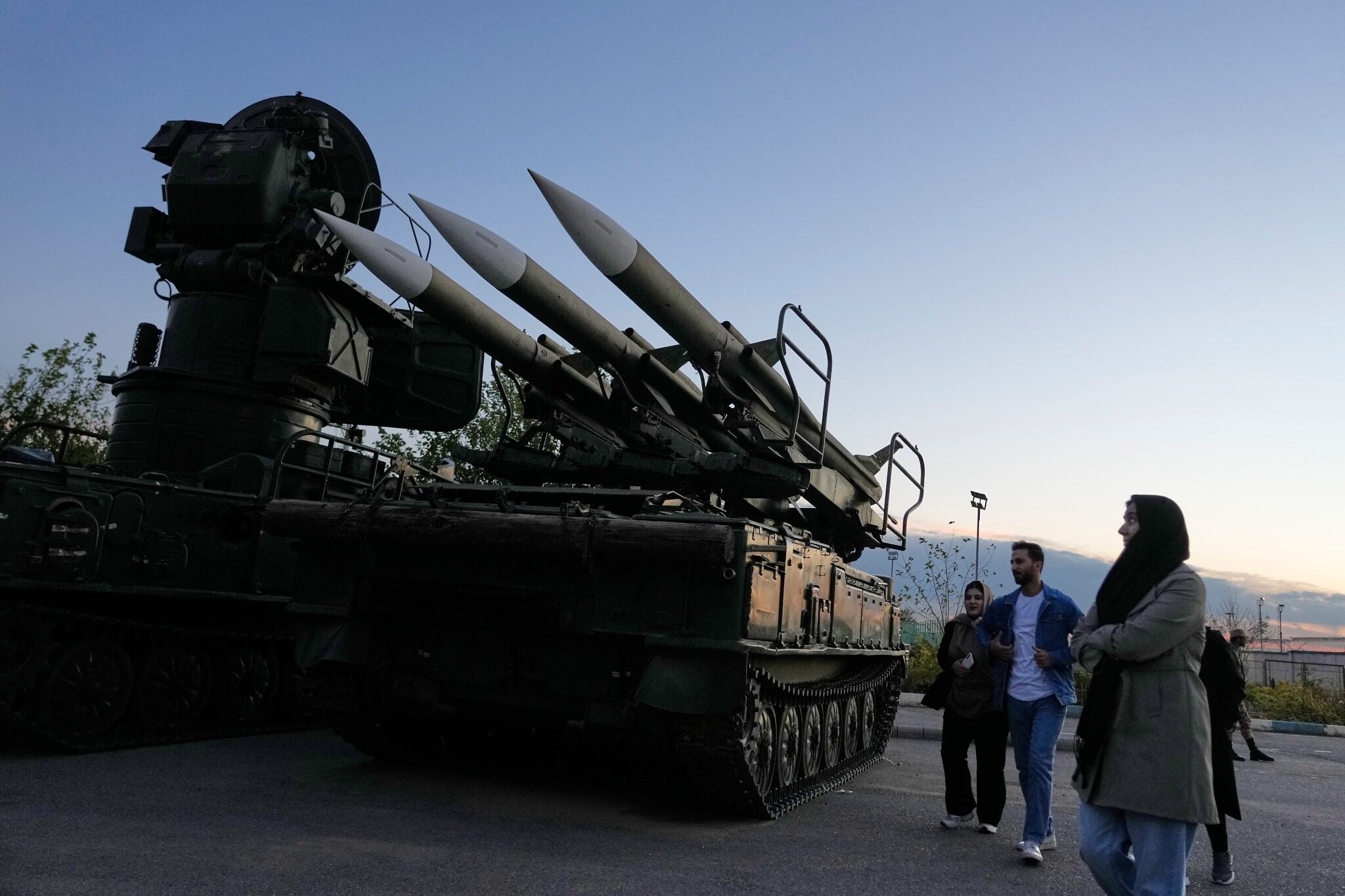
Last week, Iran unveiled a new underground “missile city.” At the time, an unnamed Western official speaking to Bloomberg cited intelligence reports that found that though Iran’s conventional military was mostly destroyed by the joint US-Israel air campaign, it likely has at least 1,700 ballistic missiles left and is making up to 50 more per month.
US President Donald Trump has reportedly told senior advisers in recent days that he may hold off on attacking Iran if the US faces no new provocations from Tehran or the Iran-backed Houthis in Yemen. Prime Minister Benjamin Netanyahu, who lost his parliamentary majority in the October 27 election, is reportedly still keen for the US and Israel to strike Iran.
Blasts in Bahrain as Iran claims attack on US base
Meanwhile, blasts rang out over Bahrain early on Sunday as Iran said it attacked a US military base in the Gulf nation, which has been heavily targeted during the Middle East war.
Sirens sounded and authorities posted several alerts on social media urging residents to seek shelter, their first warnings since September.
Iran’s Islamic Revolutionary Guard Corps said it had attacked a US military base in Bahrain in retaliation for “hostile US actions,” Iran’s Fars news agency reported.
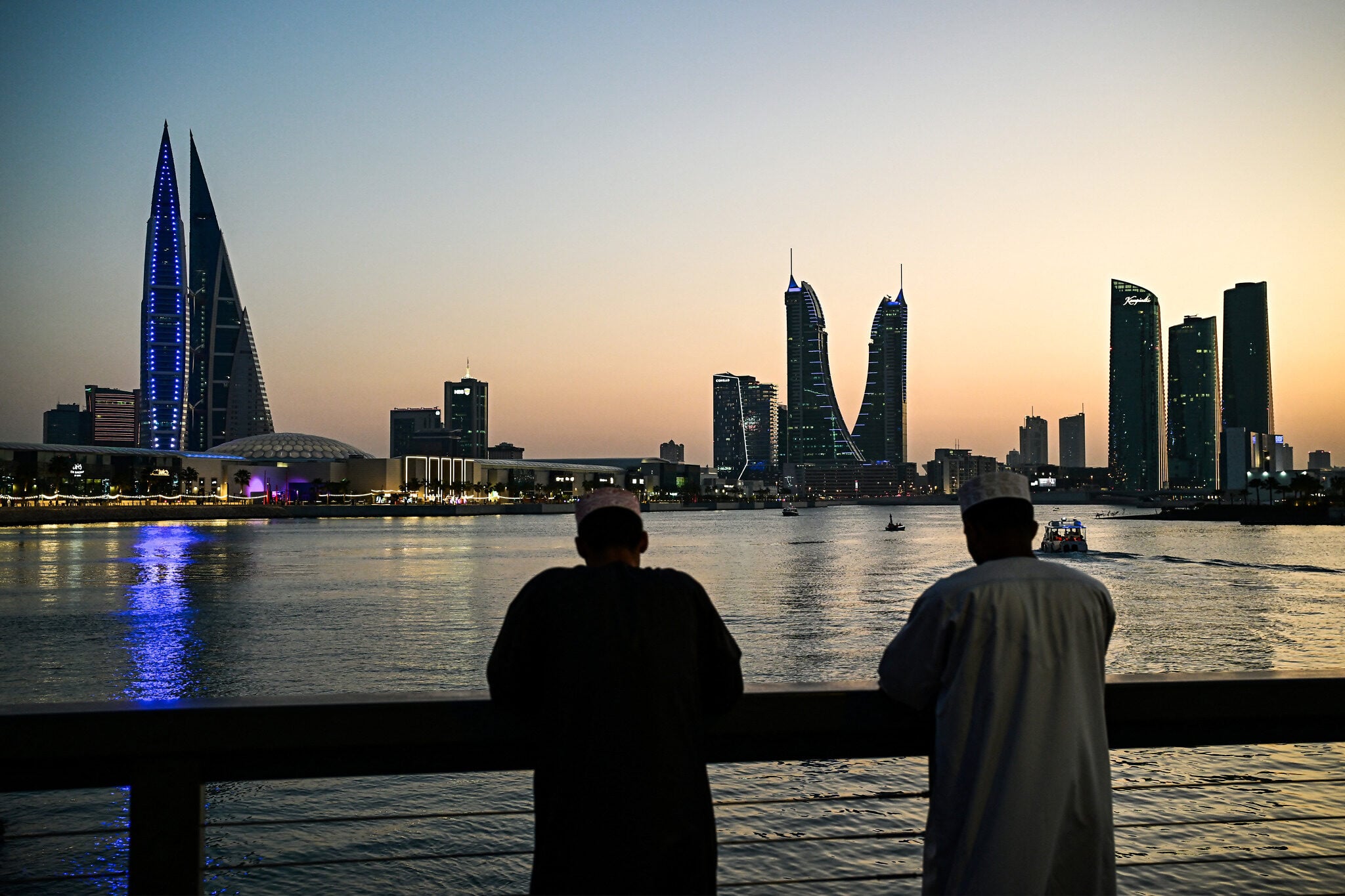
The Revolutionary Guards said they had launched six drones targeting US air defense radar at the Al-Rifaa helicopter base in Bahrain, Iranian state-run Press TV reported. There was no immediate confirmation from US or Bahraini authorities.
Bahrain, home to the US Navy’s Fifth Fleet, urged citizens and residents to remain calm and proceed to the nearest safe location, the interior ministry said. The Bahraini military said its air defenses had intercepted several Iranian aerial attacks before they reached their targets, accusing Tehran of continuing its “systematic hostile approach” towards the kingdom.
Explosions could be heard around 4 a.m. local time, an AFP journalist said, with residents reporting a second series of blasts around 6:30 a.m.
Bahrain is among the Gulf countries that have weathered thousands of Iranian drone and missile strikes since the war began on February 28.
The tiny island nation “rejects turning its territory into an arena for settling scores and holds Iran fully responsible for these attacks and their consequences,” the foreign ministry statement said.
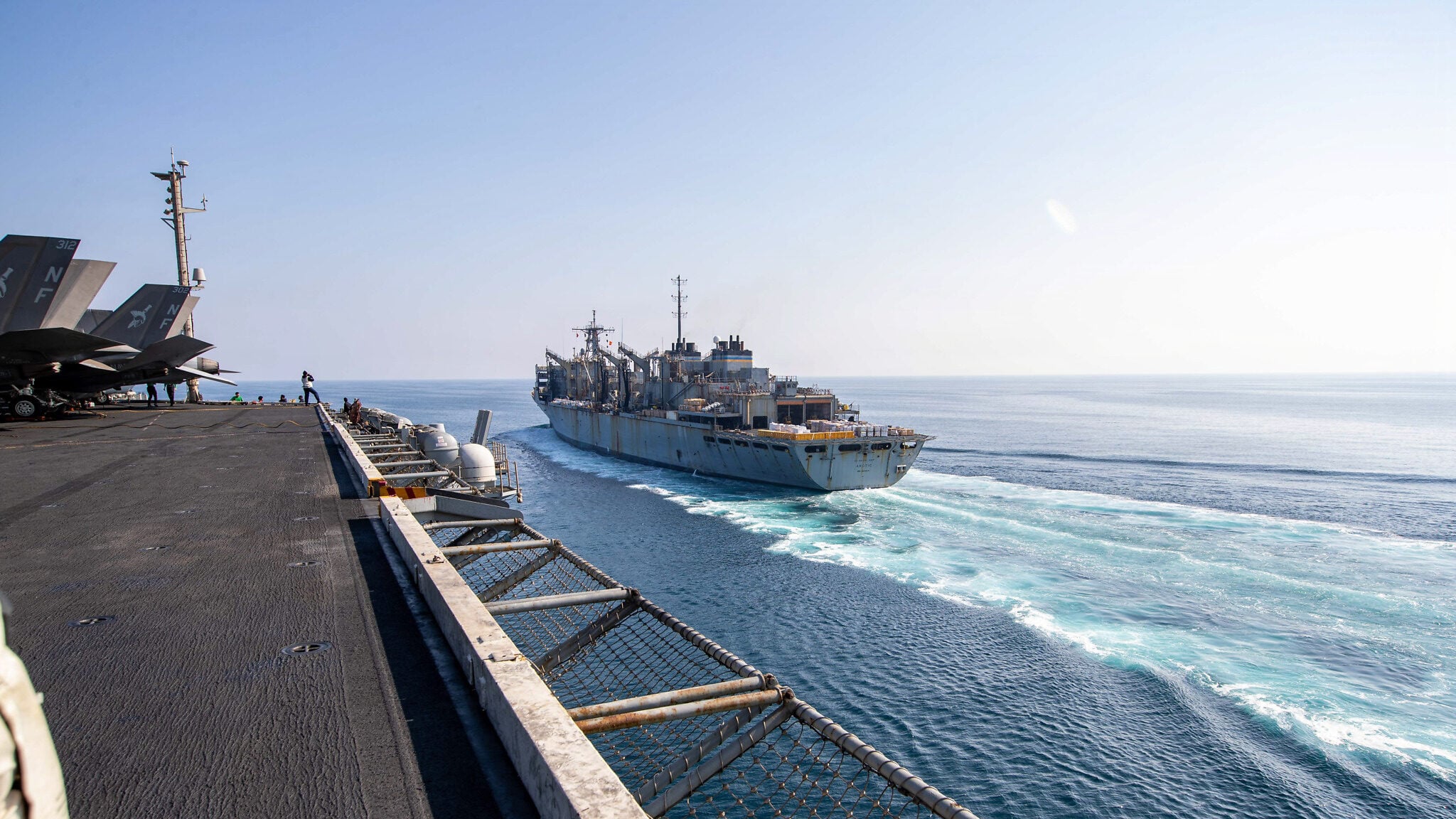
CENTCOM, which oversees American military operations in the region, said last month that it had helped Gulf countries export 1.5 billion barrels of oil since the summer via the Strait of Hormuz.
Iran has imposed restrictions on vessels seeking to pass through the Strait, and has attacked ships it says violated those restrictions, as it seeks to assert control over the strategic waterway and exert pressure on the US.
Attacks on shipping in the Strait have intensified in recent weeks. At least 10 vessels were hit in the first 10 days of November, after 37 attacks in October — the highest monthly total since the war began, according to data from the Washington Institute for Near East Policy.