A year after Western recognition, Palestinians see little progress toward statehood
Diplomatic push has brought little change on the ground; Palestinians point to rising settler violence and a weakened PA, while Israel says statehood would reward terrorism
When France, Britain and other Western powers last year recognized a Palestinian state, entrepreneur Adam Bader felt a sense of hope.
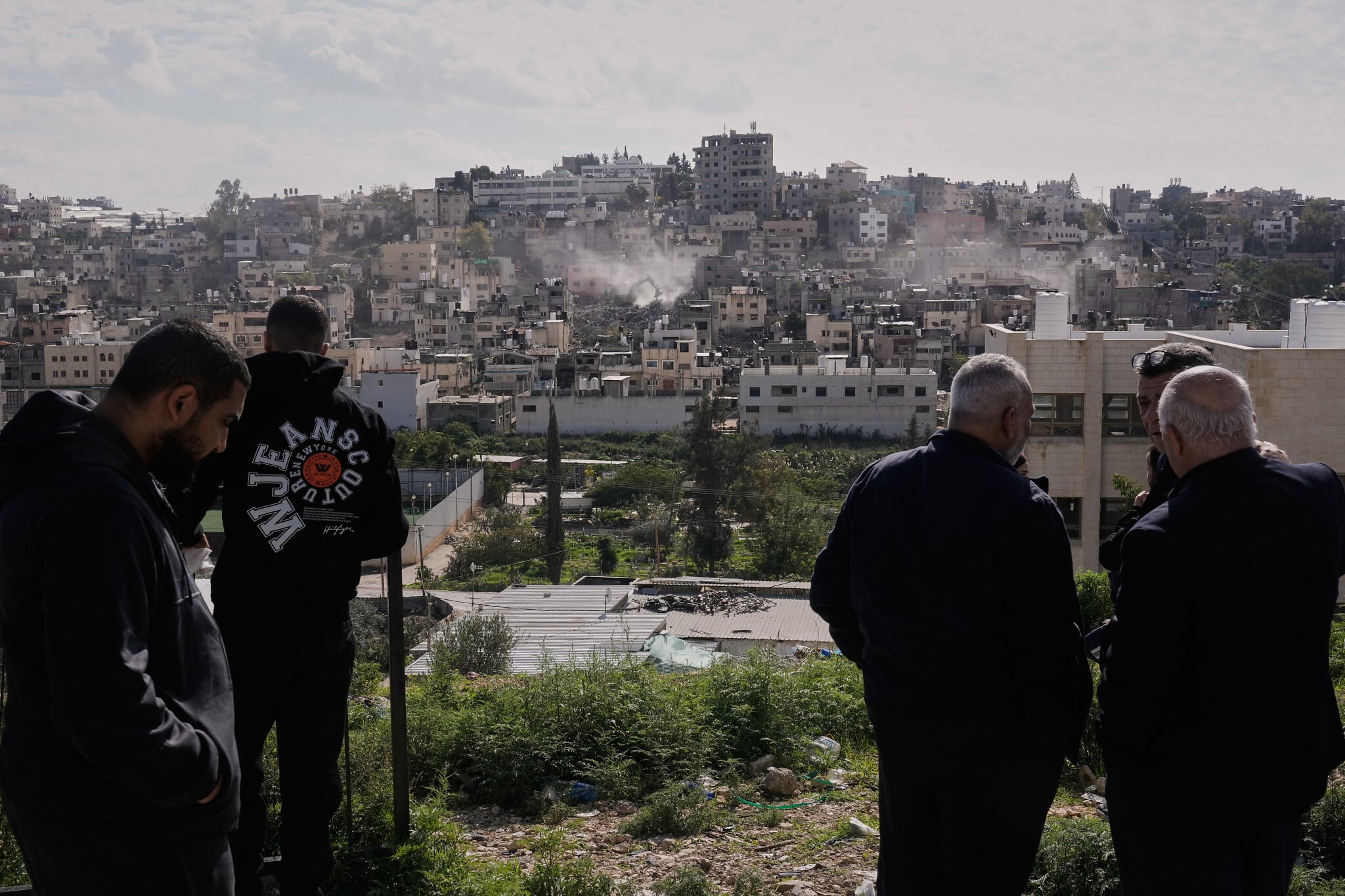
“I was happy when I heard about it,” said Bader, 27, who lives in the West Bank city of Tulkarem, which has seen repeated Israeli military raids in recent years.
“Now a year on, we’re not seeing any improvement. On the contrary,” he said. “The situation is getting worse by the day, and no one can do anything.”
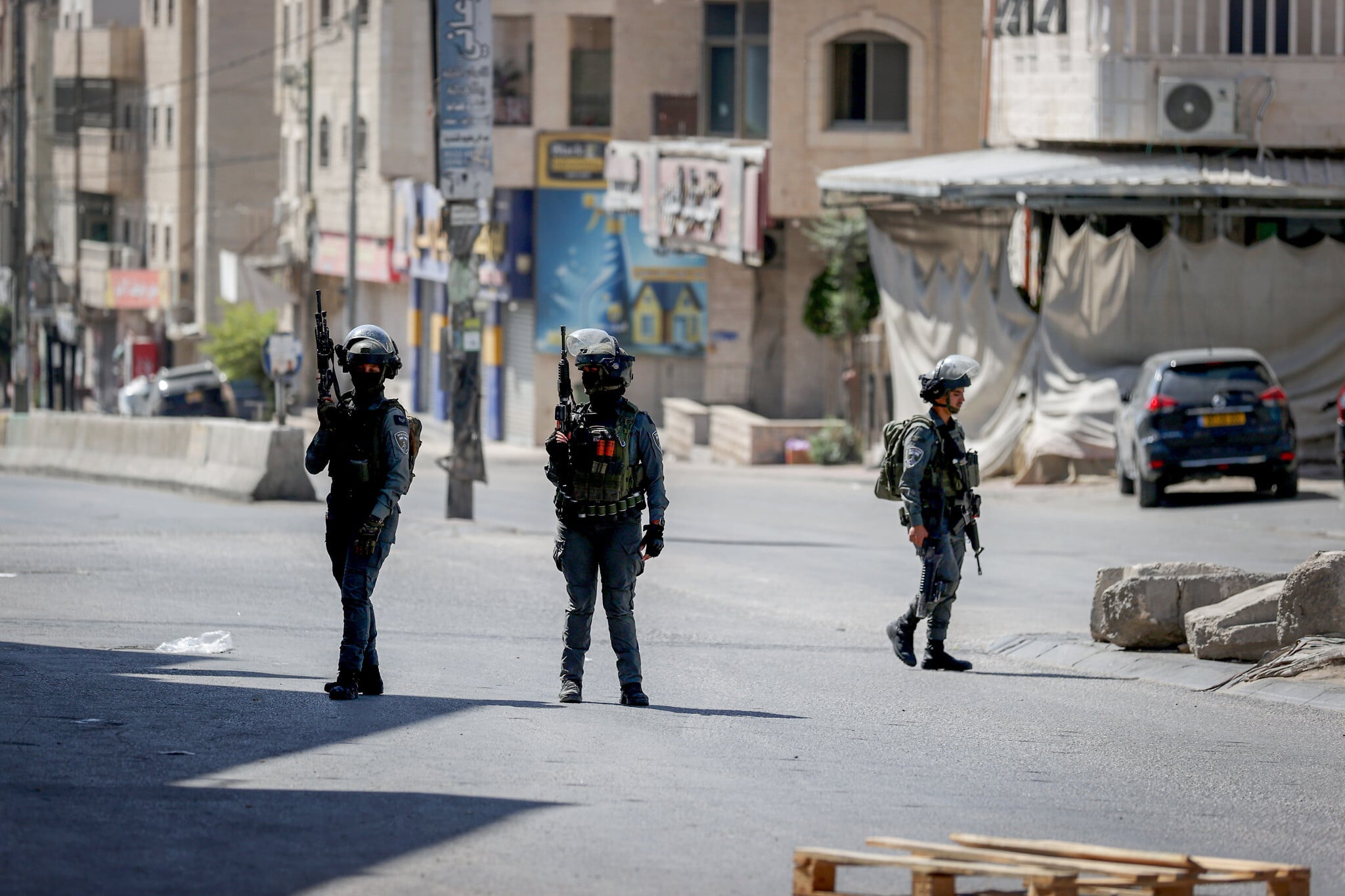
A year later, the diplomatic recognition has brought little tangible change on the ground, as settler violence has soared, restrictions on Palestinian movement have increased, and the Palestinian Authority has only been weakened.
French President Emmanuel Macron, vowing to find a new path forward amid global outrage over the Gaza war, on September 22, 2025, led a special UN summit to recognize a Palestinian state.
Ten countries, also including Britain, Canada and Australia, recognized Palestinian statehood, bringing the number of UN member-states doing so to around 157, more than four-fifths of the UN membership.
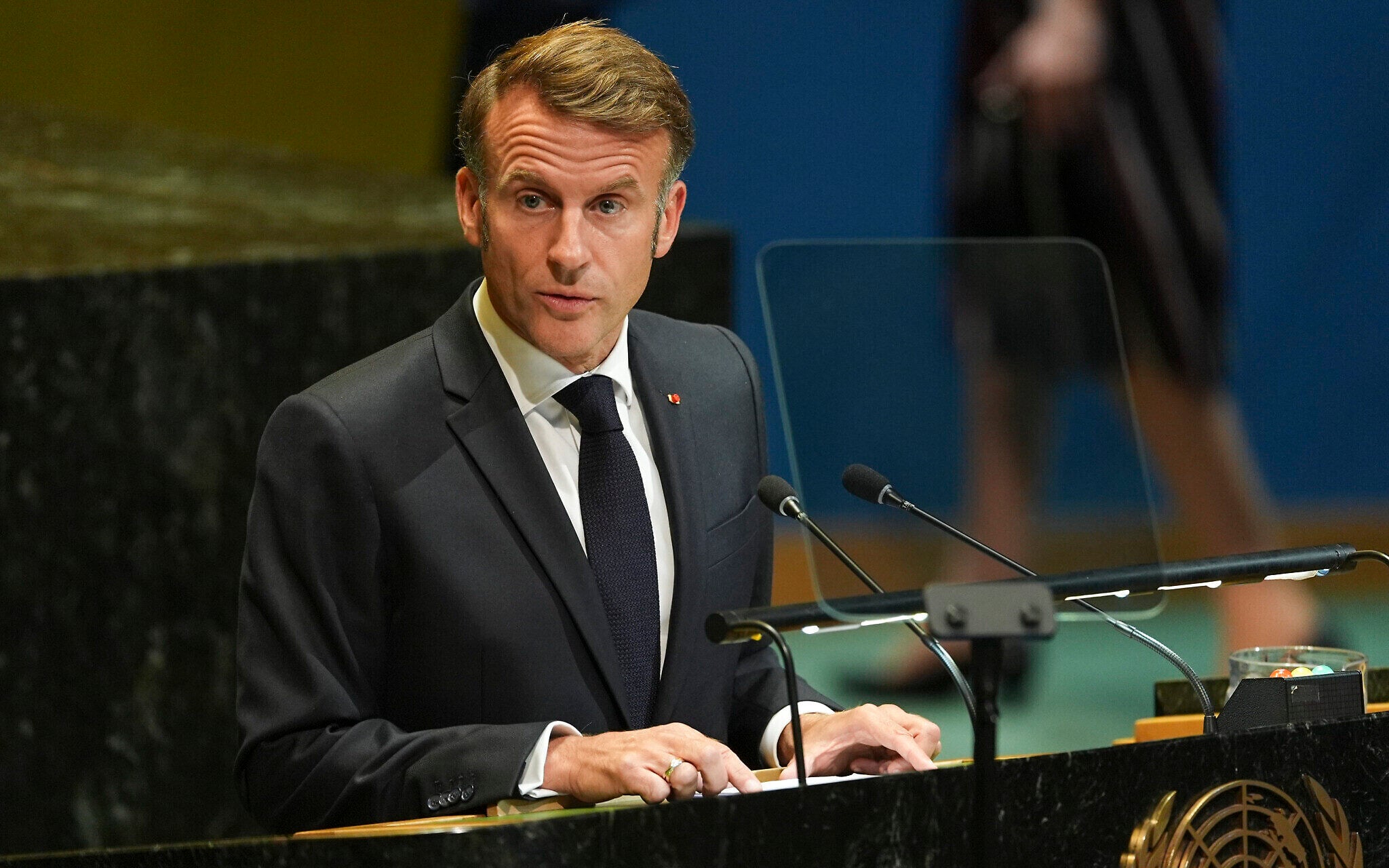
Israel and the United States opposed the recognition drive and boycotted the summit. Both argued that recognizing a Palestinian state in the wake of the October 7 massacre that sparked the Gaza war amounted to rewarding Hamas and could undermine efforts to secure the release of the hostages held in Gaza.
Prime Minister Benjamin Netanyahu’s government adamantly rejects Palestinian statehood, and has stepped up efforts to isolate the Palestinian Authority
While Netanyahu stopped short last year of formally annexing the West Bank, observers say unofficial annexation is creeping as his right-wing government approves an unprecedented number of settlements.
“Recognition makes the two-state solution a reality politically and diplomatically, but unfortunately on the ground it still depends on the illegal behavior of Israel, which is not implementing international resolutions,” Omar Awadallah, deputy foreign affairs minister of the PA, told AFP.
Ines Abdel Razek, a Palestinian political analyst, said that recognition of a state of Palestine amounted to little without measures to support its existence and counter Israeli actions.
“The two-state solution’s become a diplomatic refrain to avoid looking at reality in the face,” she said.
‘No future’
Across the West Bank’s limestone hills, thousands of Israeli flags line roads used by Israeli settlers, with the occasional graffiti “No future in Palestine” stenciled on walls, as a call for Palestinians to leave.
Netanyahu has argued that establishing a Palestinian state would amount to a “reward for terrorism” after Hamas-led terrorists invaded southern Israel on October 7, 2023, killing some 1,200 people and taking 251 hostages, sparking the war in Gaza.
“As long as I am prime minister, an Iranian-controlled Palestinian state will not be established — neither in Gaza nor in Judea and Samaria. Period,” Netanyahu said last month, using the biblical name for the West Bank.
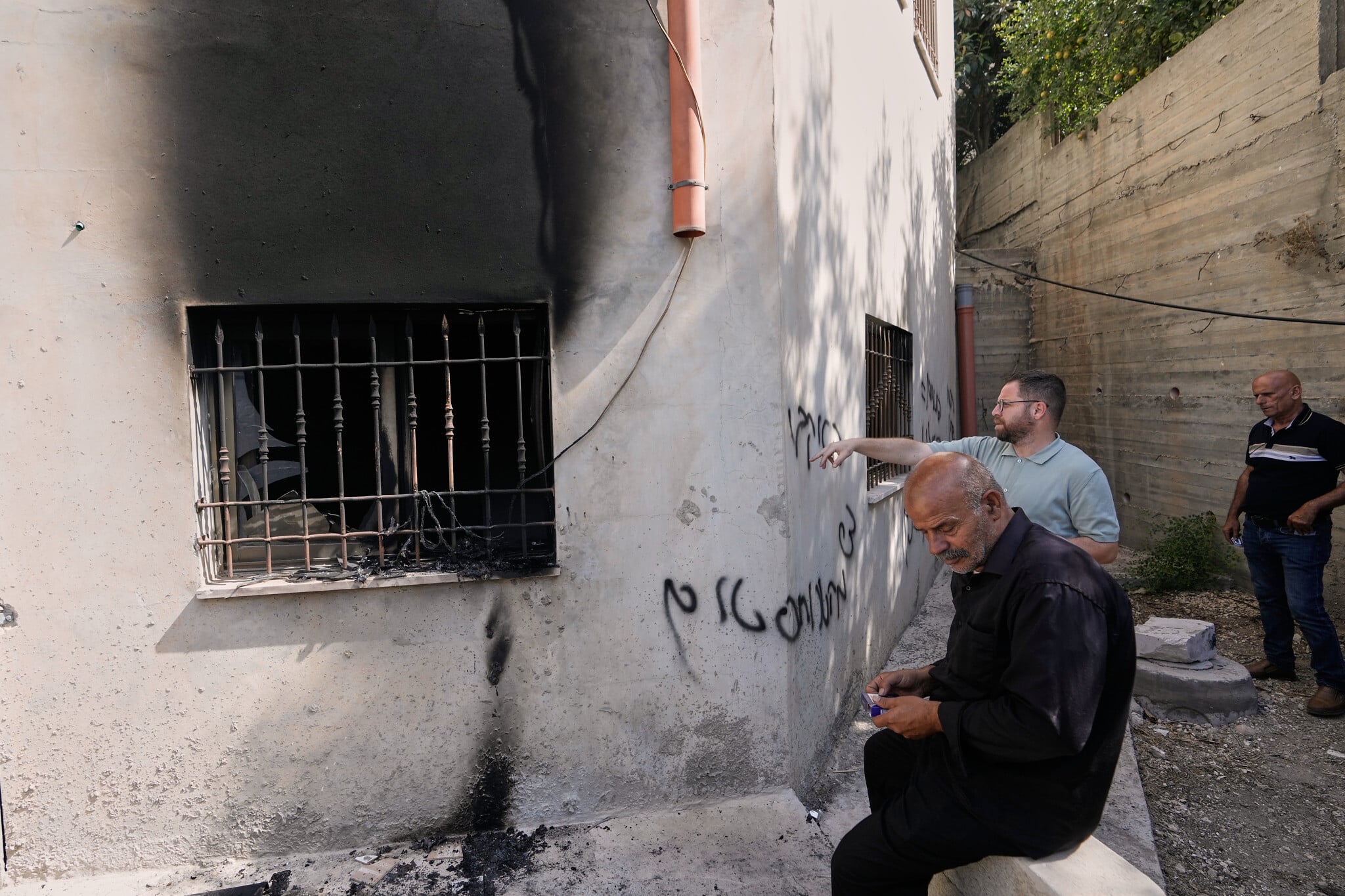
Iran, which the United States and Israel attacked on February 28, backs Hamas in Gaza. The Palestinian Authority, centered in the West Bank, is led by Fatah, Hamas’s archrival.
Ahead of the anniversary, Israel ordered the closure of the UK consulate serving Palestinians from Jerusalem, angered after Britain led France and Canada in sanctions over rising attacks by settlers.
Foreign Minister Gideon Saar, explaining the move, said Britain’s Labour government was attempting to “force upon Israel” a Palestinian state but the attempt was “doomed to fail.”
Rising attacks
The Palestinian Authority, established in the 1990s under the Oslo Accords with Israel, has faced a severe fiscal crisis, in part due to Israel’s decision not to give it customs revenue it collects on its behalf, and struggles to pay its civil servants.
Israel has objected to the Palestinian Authority’s historic payments to families of imprisoned or slain Palestinians, including those who carried out terror attacks against Israelis, a policy Israel brands as “pay to slay.”
In early 2025, Israel built nearly 1,000 gates in the West Bank, at the entrances of nearly all villages and towns, which it closes on occasion to control Palestinian movement.
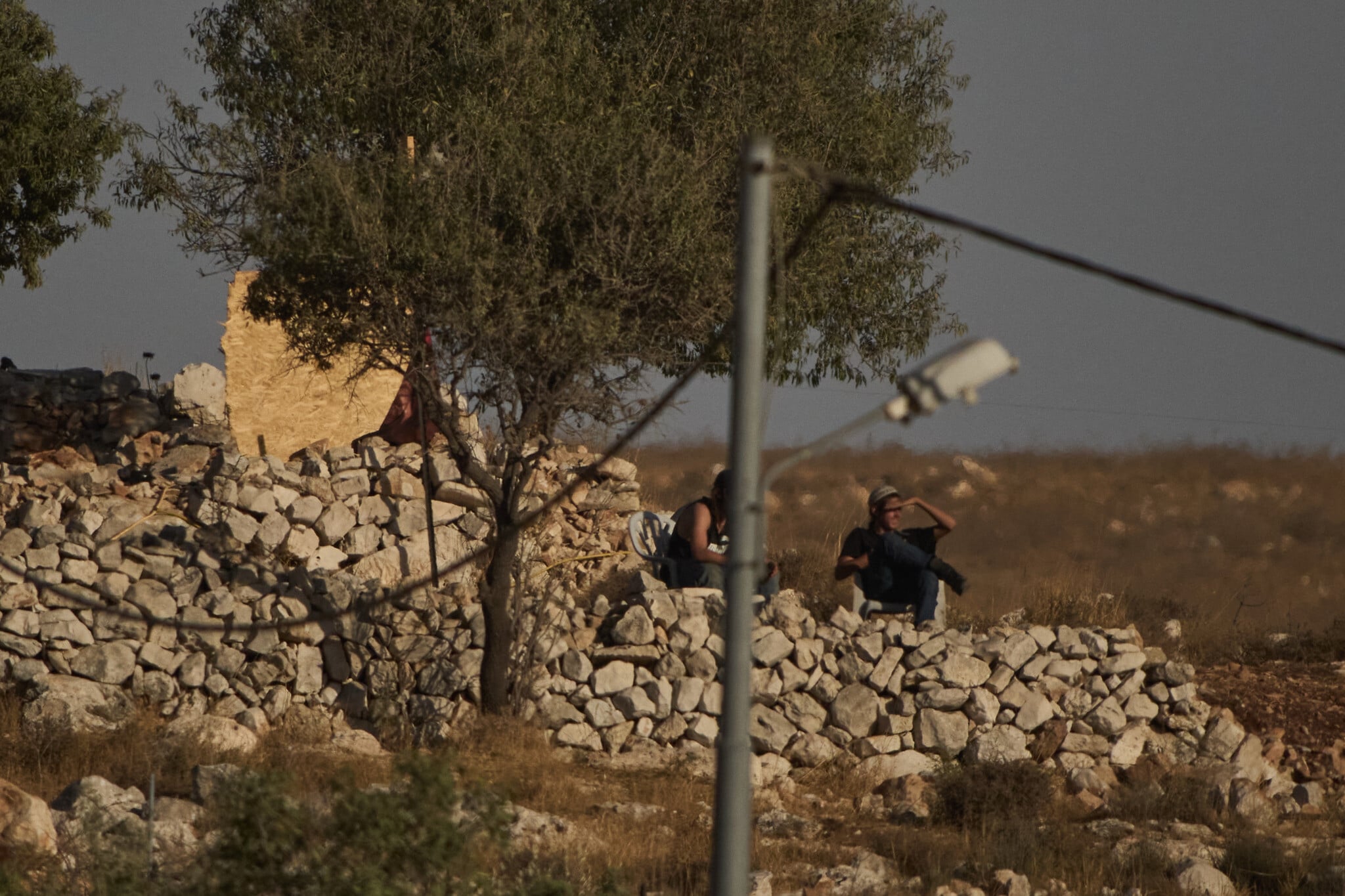
Palestinians have also decried a policy of “maximum land, minimum Arabs” whereby settlers push out isolated herder communities from rural areas in order to establish settler outposts.
The UN says extremist settlers have been responsible for an average of six attacks per day on Palestinians and Palestinian property in the West Bank in 2026.
Palestinians complain that Israeli perpetrators of violence are almost never brought to justice, and are protected by the army.
Sameh, a software engineer in Nablus, still sees last year’s move as a positive sign, but concedes the difficulties.
“There is still a big distance between international recognition and seeing that recognition translated into reality on the ground,” he said.
The Times of Israel contributed to this report.