

US says PA continuing to pay security prisoners despite reformed welfare criteria
Citing information from Israeli government and groups critical of the Palestinian Authority, State Department informs Congress that Ramallah not meeting benchmarks for lifting sanctions

 Add ToI as a Preferred Source on Google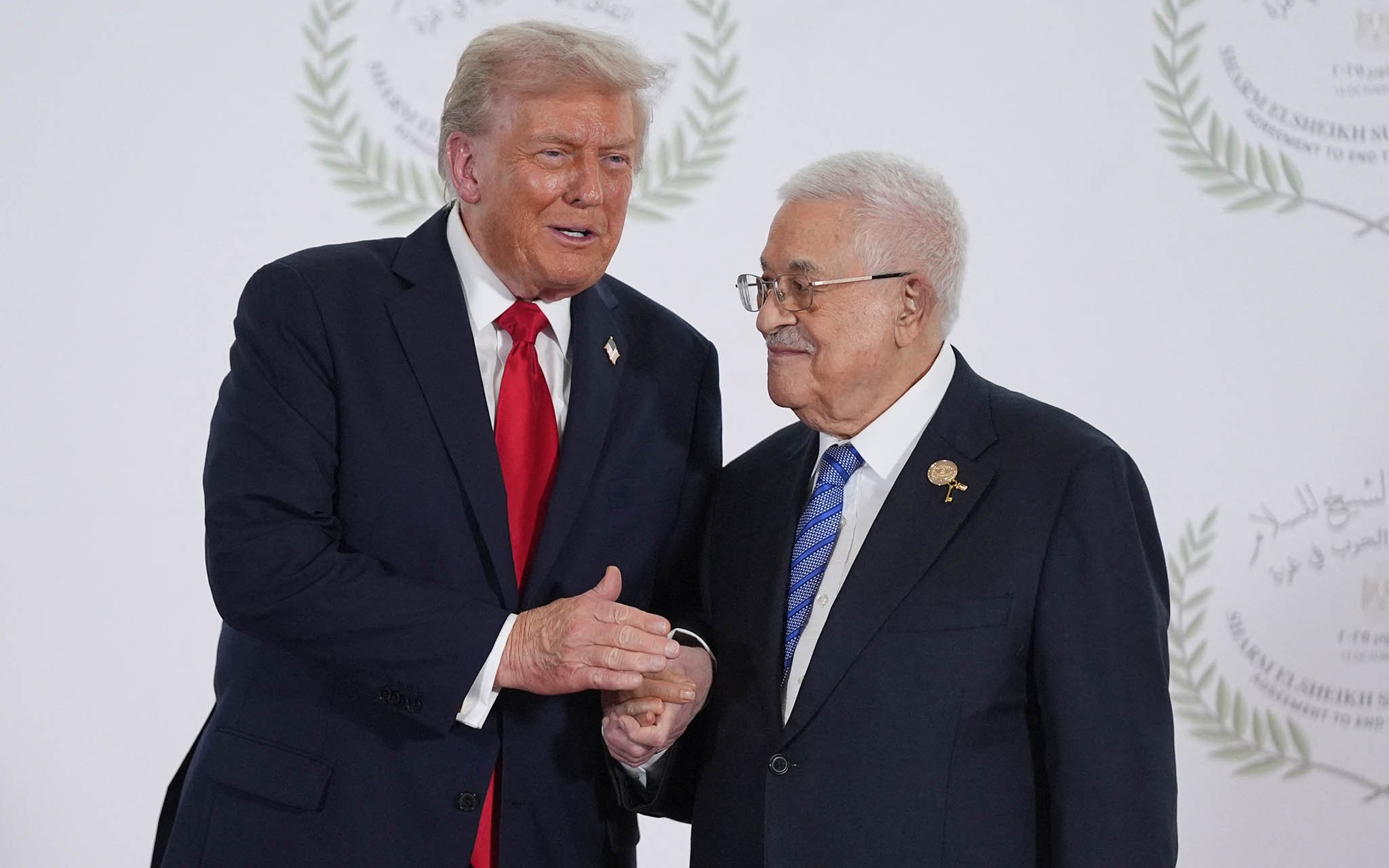
The US State Department informed Congress this month that the Palestinian Authority has not ceased making payments to the families of security prisoners and slain attackers, despite reforming, and ostensibly ending, its system of cash transfers awarded in accordance with the amount of time served behind Israeli bars.
“The PA continues to provide a system of compensation in support of terrorism through new mechanisms and under a different name,” the State Department said in a report submitted to Congress earlier this month.
US President Donald Trump’s administration made the unusual decision on Wednesday to publicize the report, which exclusively relied on open-source information from the Israeli government and several organizations that have long been critical of the PA.
Under a 2018 US law, the secretary of state is required to report to Congress every 180 days on whether the PA is ending payments to the families of prisoners and slain attackers that are based on the length of one’s sentence. Critics have dubbed the policy “pay-for-slay,” saying it incentivizes terrorism against Israelis.
While Ramallah long sought to defend the payments as a form of social welfare and necessary compensation for victims of what it says is a callous Israeli military justice system in the West Bank, PA President Mahmoud Abbas signed a decree last year scrapping the legislation that conditioned payments on the length of a prison sentence.
Abbas also revived an agency called the Palestinian National Foundation for Economic Empowerment (PNEEI) and tasked it with responsibility over a new welfare system that offered stipends strictly based on economic need.
“Despite changing the mechanisms, the PA continued payments and benefits to Palestinian terrorists and their families,” the State Department wrote in its report to Congress.
Accordingly, the Trump administration concluded the PA is not in compliance with a 2018 US law known as the Taylor Force Act, which barred American economic aid to Ramallah as long as the controversial payments continued.
Israeli figures
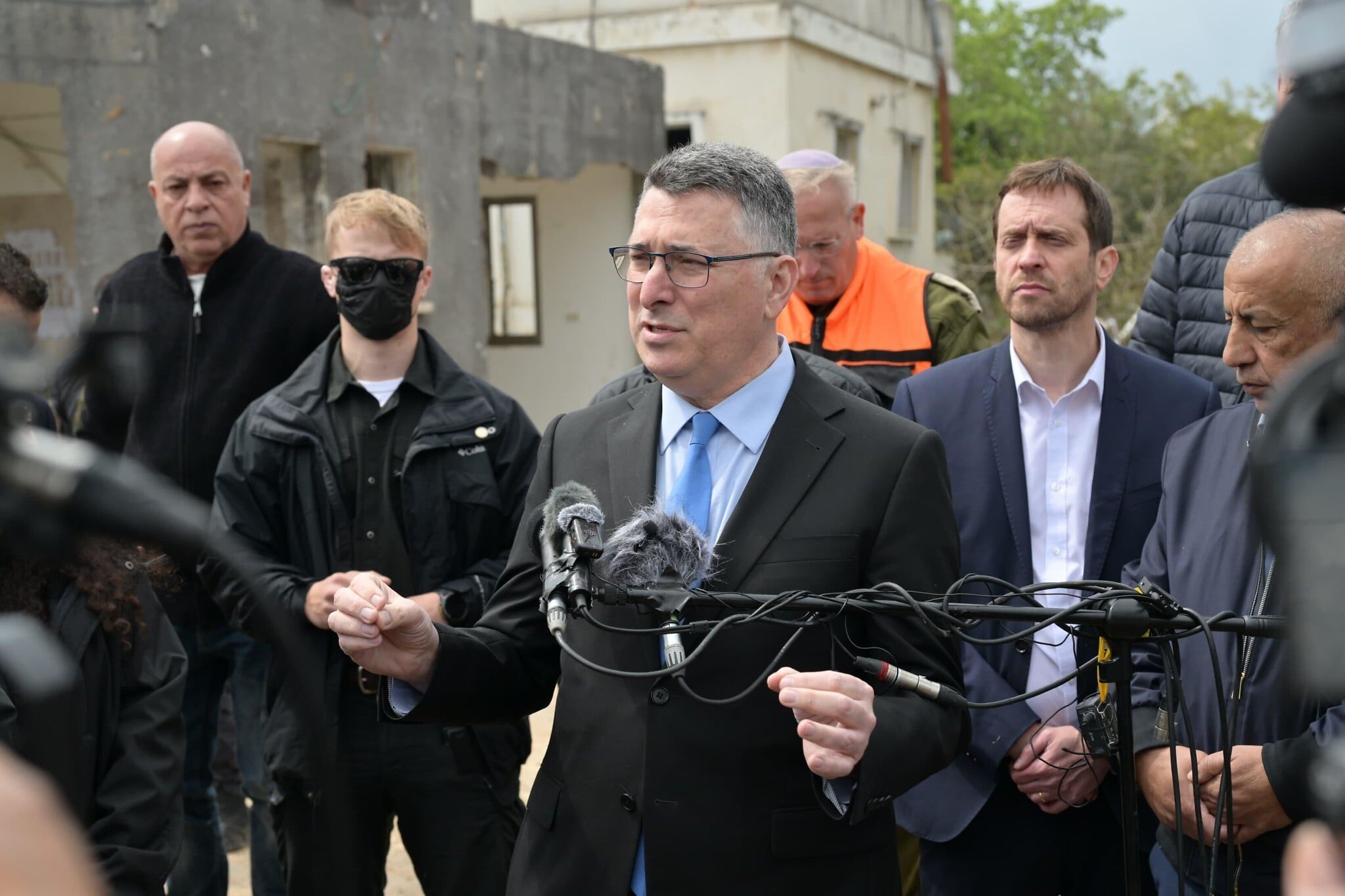
To prove its assessment, the State Department cited figures publicized by Israeli Foreign Minister Gideon Sa’ar, according to which the PA provided $156 million in payments to the families of security prisoners and slain attackers.
The State Department appeared to be referring to a November 2025 tweet from Sa’ar, though that post said the PA “committed” to paying $214 million in 2025, as opposed to money actually spent.
The Foreign Ministry has not revealed how Sa’ar arrived at the figure, but Jerusalem has been quick to dismiss the PA’s prisoner payment reform as a guise aimed at fooling the international community.
Israel has maintained this stance as it continues to withhold several billion dollars in tax funds that belong to the PA, which have brought Ramallah to the brink of collapse.
Jerusalem, under the Oslo Accords, is supposed to carry out monthly transfers of clearance revenues collected on Ramallah’s behalf. For several years, it unilaterally withheld the portion of those funds that it said Ramallah was allocating for terrorists and their families. But for the past year, Israel has refused to send any of the clearance revenues. As those funds make up the majority of the PA’s budget, the Palestinian Authority has been able to pay only a fraction of public sector salaries, which this month were uniformly cut to NIS 2,000 ($675) for over 150,000 Palestinians.
A senior European diplomat told The Times of Israel that Israel’s rejection of the prisoner payment reform is part of a broader effort to collapse the PA, a policy openly supported by several key ministers in Prime Minister Benjamin Netanyahu’s government.
Who is eligible for welfare?
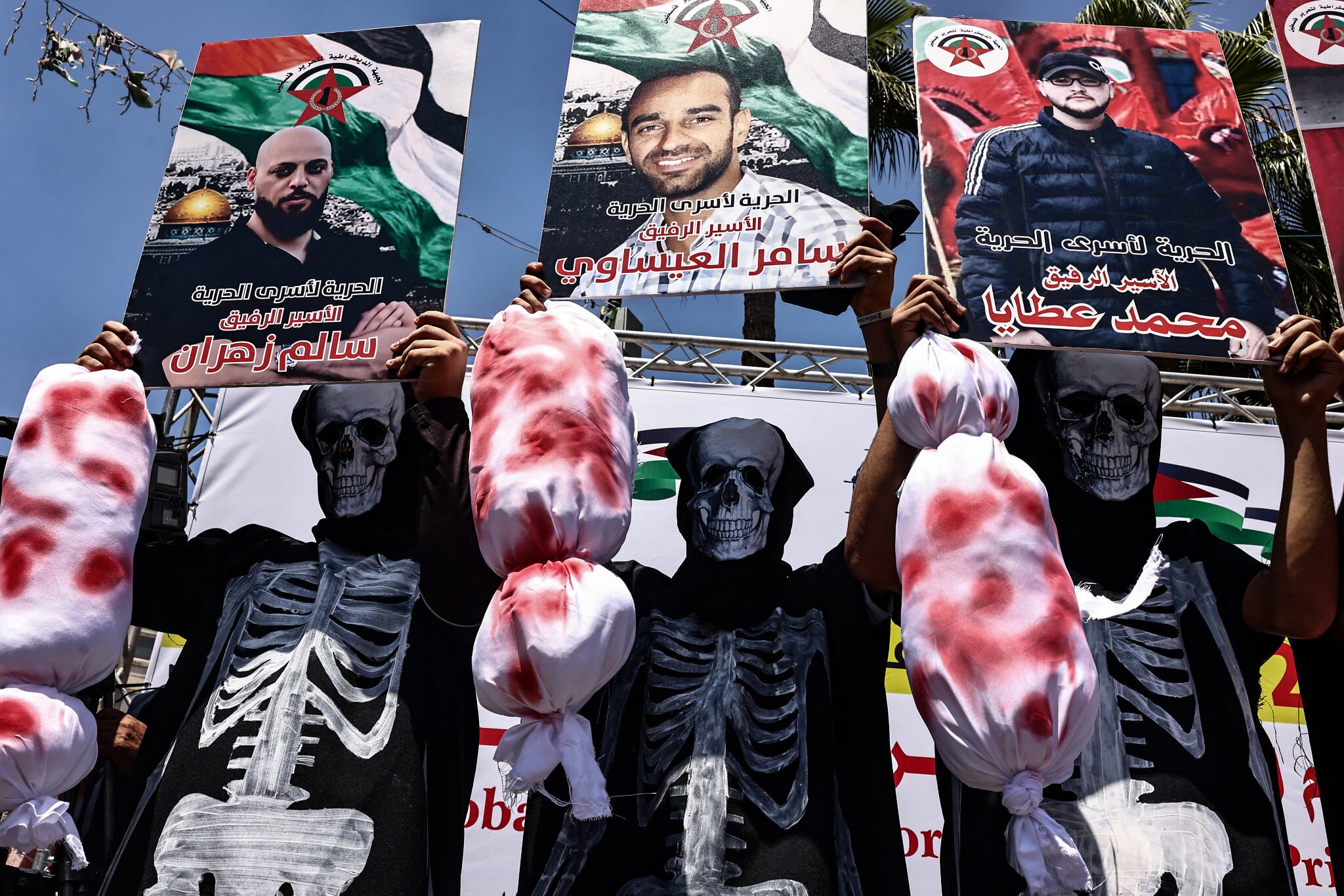
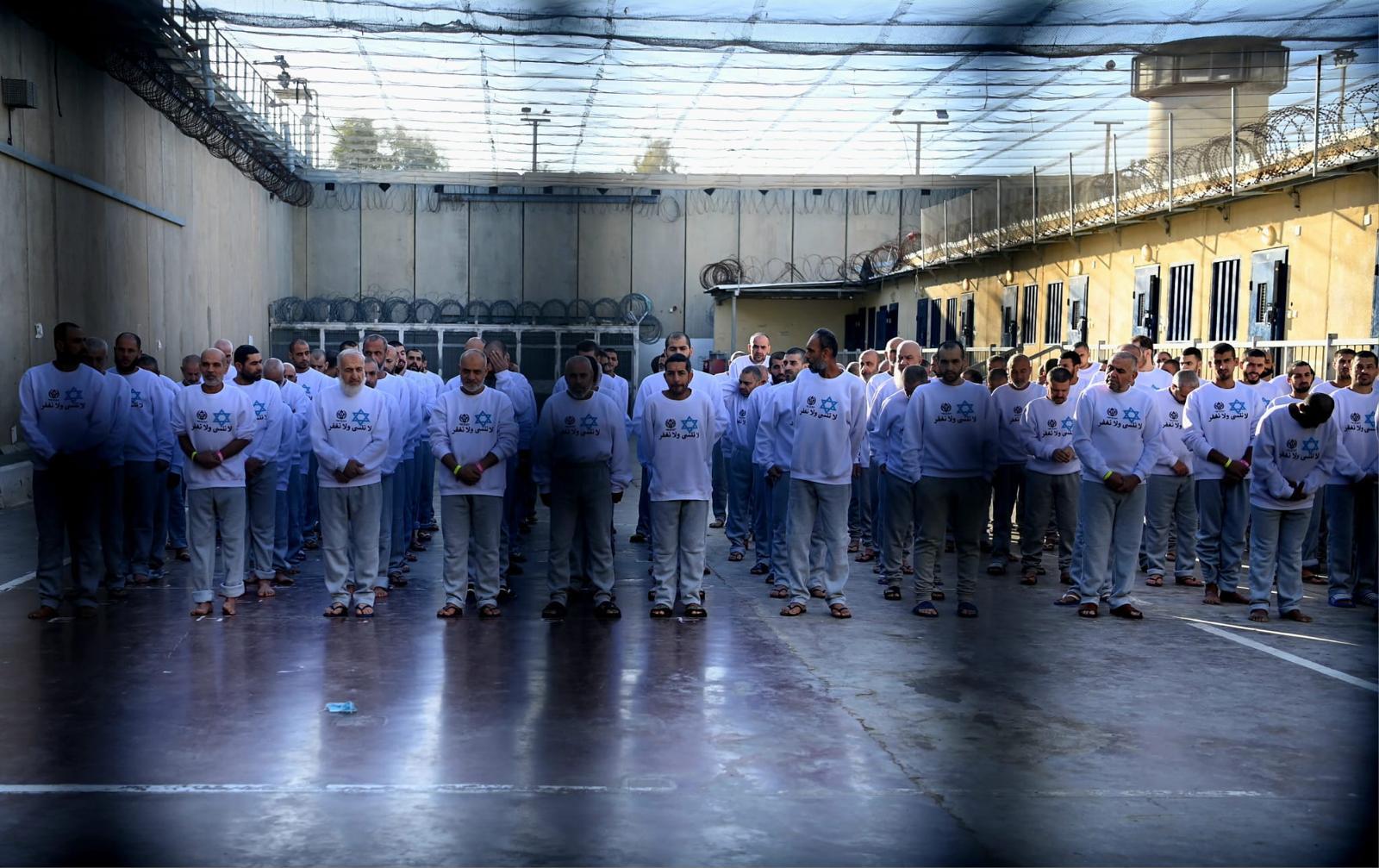
The reform allows the families of Palestinian security prisoners and slain attackers to receive stipends from the government. However, they must apply through PNEEI like all other potential welfare recipients, who are only eligible if they meet the necessary socioeconomic criteria, as is the standard for most Western welfare systems.
A former US official told The Times of Israel that Jerusalem privately welcomed the reform when presented with it during US president Joe Biden’s administration.
But after Abbas announced the reform in February 2025 — weeks after Trump entered office — Israel was quick to reject the framework, arguing that the families of prisoners and slain attackers should not receive benefits from the PA, regardless of their financial status.
Moreover, Israel went on to report that PA payments to the families of security prisoners and slain attackers continued, not just through PNEEI, but through other mechanisms as well, the State Department report released Wednesday noted.
“A shift to a welfare system like the PNEEI that fails to end specific payments and benefits for Palestinian terrorists and their families is not compliant with the provisions of the Taylor Force Act,” the report added.
The State Department did acknowledge internal PA documents — revealed by The Times of Israel last year — which stated that 3,000 families who previously received stipends would no longer receive assistance under PNEEI, while 2,000 new families were deemed eligible for the first time.
It was not clear from the report if the Trump administration has adopted Israel’s position rejecting any payments to security prisoners’ families, regardless of whether they qualify for welfare assistance.
The Times of Israel reached out to the State Department for clarity on the matter and sent a series of related questions, including why it only relied on open-source information from entities seen as hostile to Ramallah and whether it verified the information cited in the report.
A State Department official responding in a Thursday statement standing by Washington’s conclusion regarding the PA’s conduct, while noting, “We do not comment on the specifics of our assessment methodologies or sources.”
A second former US official said that previous reports to Congress on this issue relied on some open source reporting but also used classified information to ensure accuracy.
The former US official also noted that Israel’s hardened stance regarding PA welfare payments would appear to go further than the Taylor Force Act itself, which stipulates that compliance with its terms requires the PA to revoke any system that compensates prisoners based on the length of their sentence for an act of terrorism.
The case against Ramallah
The State Department report also pointed to public comments made by PA Finance Minister Estephan Salameh, who said in February that despite the financial constraints, the authority has continued to provide for its people.
“We have not abandoned any Palestinian resident, whether they are prisoners or families of martyrs and wounded. This is a clear fundamental issue,” he is quoted to have said in remarks that in and of themselves did not appear to violate the Taylor Force Act.
The Times of Israel revealed in November 2025 that Salameh was appointed finance minister after his predecessor, Omar Bitar, was deemed responsible for illicit payments to the families of security prisoners that had continued after Abbas announced the reform.
The State Department also cited reporting from the Israel-based research institute Palestinian Media Watch (PMW) to argue the PA has recently taken steps to ensure security prisoners can receive stipends following their release.
Those prisoners included several convicted of murdering Israeli civilians, according to documents obtained by PMW, a pro-Israel watchdog that focuses on incitement in Palestinian society.
The State Department noted a statement from the European Commission in November that also acknowledged illicit payments made to security prisoners under the old mechanism, which led to Bitar’s ouster.
“The EU Commission requested clarity from the PA, and a subsequent Euronews investigation alleged that applicants for PNEEI are also receiving supplementary payments in addition to payments issued to welfare recipients,” the State Department report said.
The State Department also highlighted a statement from the Foreign Ministry referencing footage of Palestinians waiting in line at the post office for stipends as further proof that the illicit payments were still in place, given that recipients picked up their checks from the post office during the old scheme.
The State Department did acknowledge a series of protests against the PA that have broken out across the West Bank in recent months, with participants lamenting the cuts. Analysts previously speculated that such protests would prove that the reform was in place, though the Trump administration seemed to argue otherwise.

Incitement allegations
The Taylor Force Law also conditions US aid to Ramallah on PA officials publicly condemning acts of violence and taking steps to crack down on such activity.
The State Department report maintains that Ramallah has not lived up to that standard, pointing to comments from Abbas’s top adviser Mahmoud Habbash who called the terror attack targeting Jews in Bondi Beach Australia a “crime” but argued that Israel’s treatment of the Palestinians was also to blame.
The report cited November 2025 findings from IMPACT-se, a pro-Israel organization that analyzes schoolbooks, “which found that PA school textbooks for grades 1-12 continue to glorify jihad and incitement to violence.”
Lastly, the State Department cited a PMW report on Abbas dispatching aides to Egypt to honor the Palestinian security prisoners released in last year’s hostage-ceasefire deal between Israel and Hamas.

‘Clear up any holes’
A Middle Eastern intelligence official told The Times of Israel that, contrary to the report’s suggestions, independent reviews of PNEEI from recent months have found it to be in compliance with the Taylor Force Act.
However, the official acknowledged that a small number of payments to some families of prisoners and slain attackers by Palestinian bodies other than PNEEI may have continued.
The Middle Eastern intelligence official said it would be up to Ramallah “clear up any holes” in the coming months, or risk losing critical international support.
The official admitted that it would be an uphill battle for the PA, given how unpopular it is among Palestinians to be seen as working against the families of prisoners.
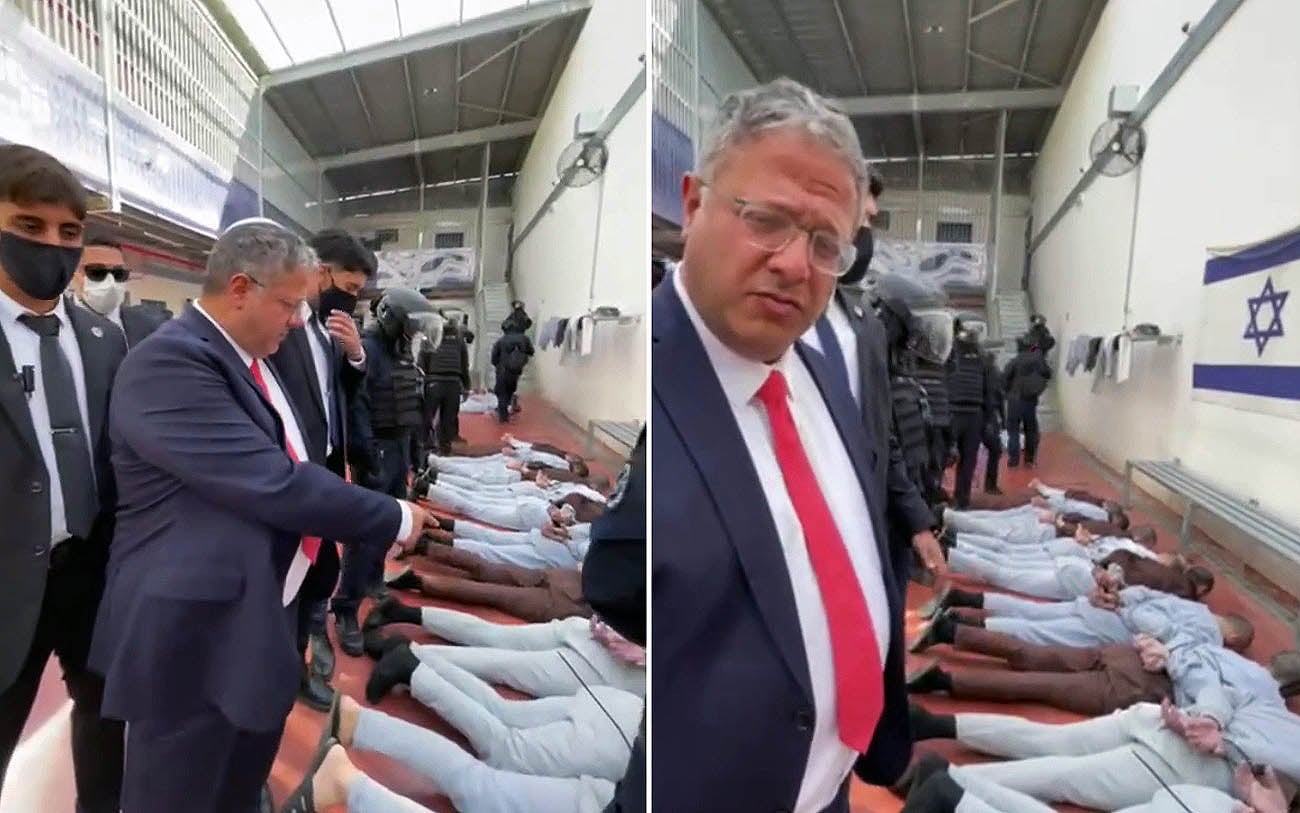
He pointed to the thousands of Palestinians currently held under administrative detention, a legal mechanism that allows Israeli authorities to indefinitely keep a suspect in custody without charge, based on covert intelligence information.
The practice is controversial due to due process concerns, with Defense Minister Israel Katz barring its use against Jewish suspects, and it is only used against Palestinians and a small number of Arab Israelis.
“The PA is seen as turning its back on all prisoners, whether they’re convicted of a crime or not,” the Middle Eastern intelligence official said.
A spokesperson for Abbas did not respond to a request for comment.





The Times of Israel Community.