After US elections, Iran knows its strategy is working — against everyone but Israel
Islamic Republic developed plan to end war by inflicting economic pain on world, and especially on US voters. That worked in the midterms, but Israel remains eager to fight
The US midterms were absolutely brutal for the President Donald and the Republican Party.
Democrats seized control of both houses of Congress, and won races in traditionally deep red states like Texas, South Carolina, and Kansas.
They also made massive gains in state legislatures and statehouses across the country.
Democrats, of course, are celebrating, as are many world leaders who were fed up with Trump’s tariffs, approach toward Russia and war on Iran.
The regime in Tehran did not hide its glee either. “Americans said NO TO WAR, and we endorse this message,” wrote top Iranian negotiator Mohammad Bagher Ghalibaf.
“Driven by greed and hubris, and acting in the service of a deceitful regime, you dragged your country into an unlawful and atrocious war against Iran,” said Iranian Foreign Ministry spokesman Esmaeil Baqaei. “Your calculations failed, your assumptions collapsed, and your strategic misjudgments became painfully evident.”
Iran’s embassy in India went further, sharing an AI-generated video of White House staff throwing an unconscious Trump into a dumpster labeled, “Hazardous Waste.”
The U.S. midterm elections ???? pic.twitter.com/KDm874Cb1f
— Iran in India (@Iran_in_India) November 4, 2026
It is crude, over-the-top messaging from a regime that produces an endless stream of anti-American and antisemitic propaganda.
But in this case, the Islamic Republic has reason to celebrate. Its military might be in tatters and its economy in a dangerous spiral, but its strategy for surviving a war against the US is working.
Plenty of time to plan
Iran prepared for major US attacks for years. “We’ve had two decades to study defeats of the US military to our immediate east and west,” said Iranian Foreign Minister Abbas Araghchi at the start of the 2026 US-Israel campaign against Iran. “We’ve incorporated lessons accordingly.”
As the George W. Bush administration launched its wars in Afghanistan and Iraq after the September 11, 2001 attacks, Iran, quite reasonably, expected to come next. After all, Bush had included Tehran in his Axis of Evil, and the US was in a fighting mood.
Its strategy for getting the US away from its borders and out of the region was to bleed American soldiers by supporting militias and terrorist groups in countries where Washington was trying to prop up stable pro-Western governments.
But it was also preparing for US bombings. A 2009 IAEA report said that Iran secretly began construction on the underground Fordow site seven years before.

In the ensuing years, Iran developed a strategy that rested on the notion that it would suffer significant damage in a fight with the US, but that it could outlast its enemies.
One element of the concept was a decentralized command-and-control structure, giving each of its 31 provinces the ability to continue fighting independently. The regime appointed multiple successors to the top commanders it assumed would be taken out in any war.
Most importantly, Iran aimed to force an end to the fighting through economic warfare against the US and its allies.
Its leadership correctly reasoned that the Sunni Gulf states, though they might despise the Islamic Republic and see it as their primary foe, would react to unprovoked attacks on their soil by begging Washington to stop the fighting.
But the more powerful lever on whoever sat in the White House was the American voter. Iran couldn’t reach American soil with its missiles, but it had two ways to sour the US public on a war: casualties among US troops and pain in taxpayers’ wallets.
That is exactly how this year’s war unfolded.
Strait shooters
On February 28, the US and Israel embarked on a surprise joint bombing campaign against the Islamic Republic.
In the opening hours, Israel took out supreme leader Ali Khamenei and dozens of senior Iranian commanders. Both partners badly degraded Iran’s military and governing capabilities, as well as its ability to rebuild what its enemies were destroying.
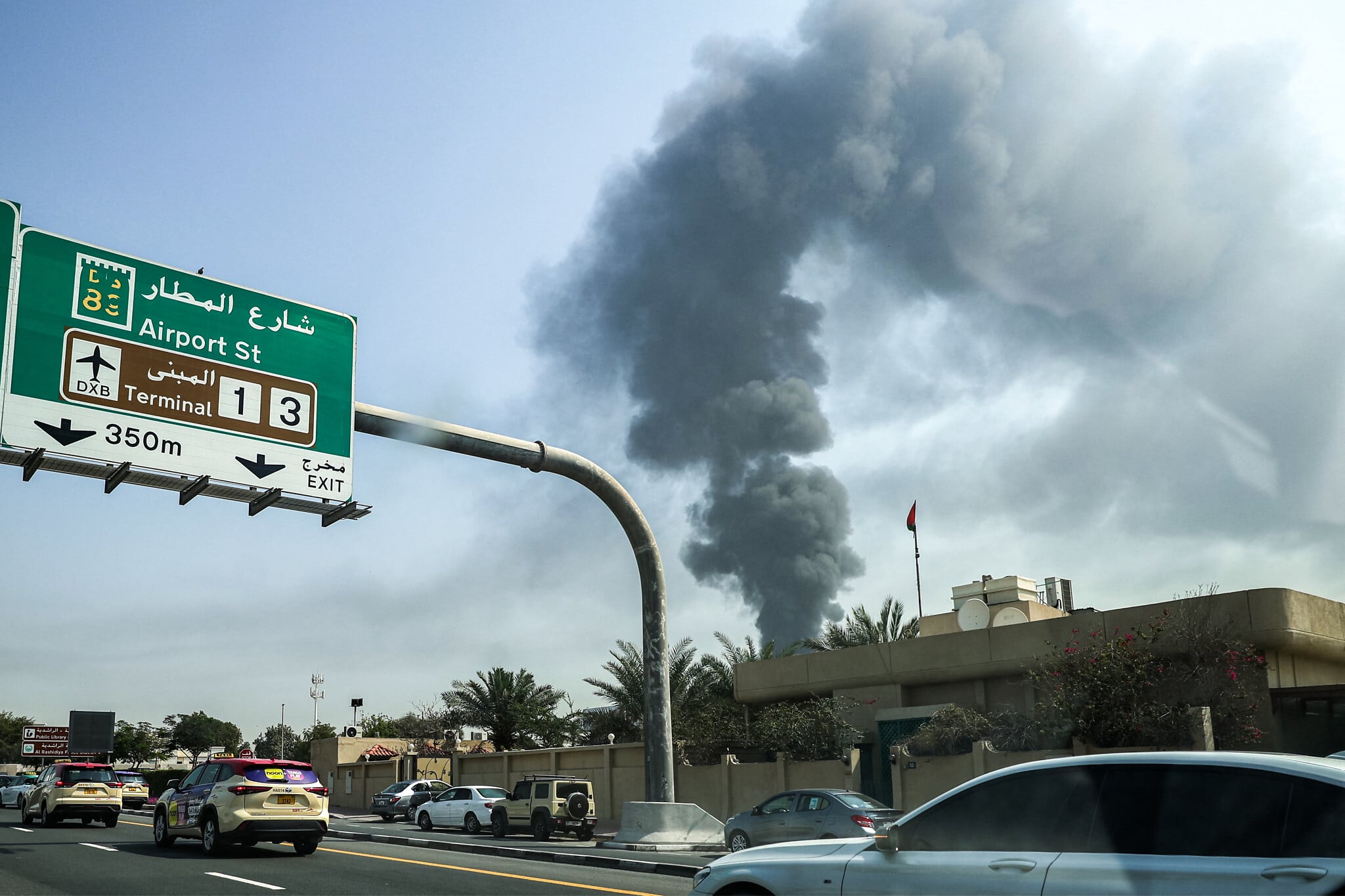
Despite the damage, the regime managed to carry out its plan. Iran rained drones and missiles down on nearly all the Arab countries in the region, and some states beyond. The United Arab Emirates, a close US and Israeli ally, was hit more than any other country, and Saudi Arabia has become the primary target since Trump called a sudden halt to the joint operation in April.
Even Qatar, which went out of its way to maintain close ties with Tehran, faced over 100 Iranian missiles and drones.
Iran also targeted 26 US military bases or sites hosting US equipment with 115 strikes. The attacks succeeded in convincing the Pentagon to move aircraft, air defense systems, communications systems and other crucial equipment away from Iran’s borders.
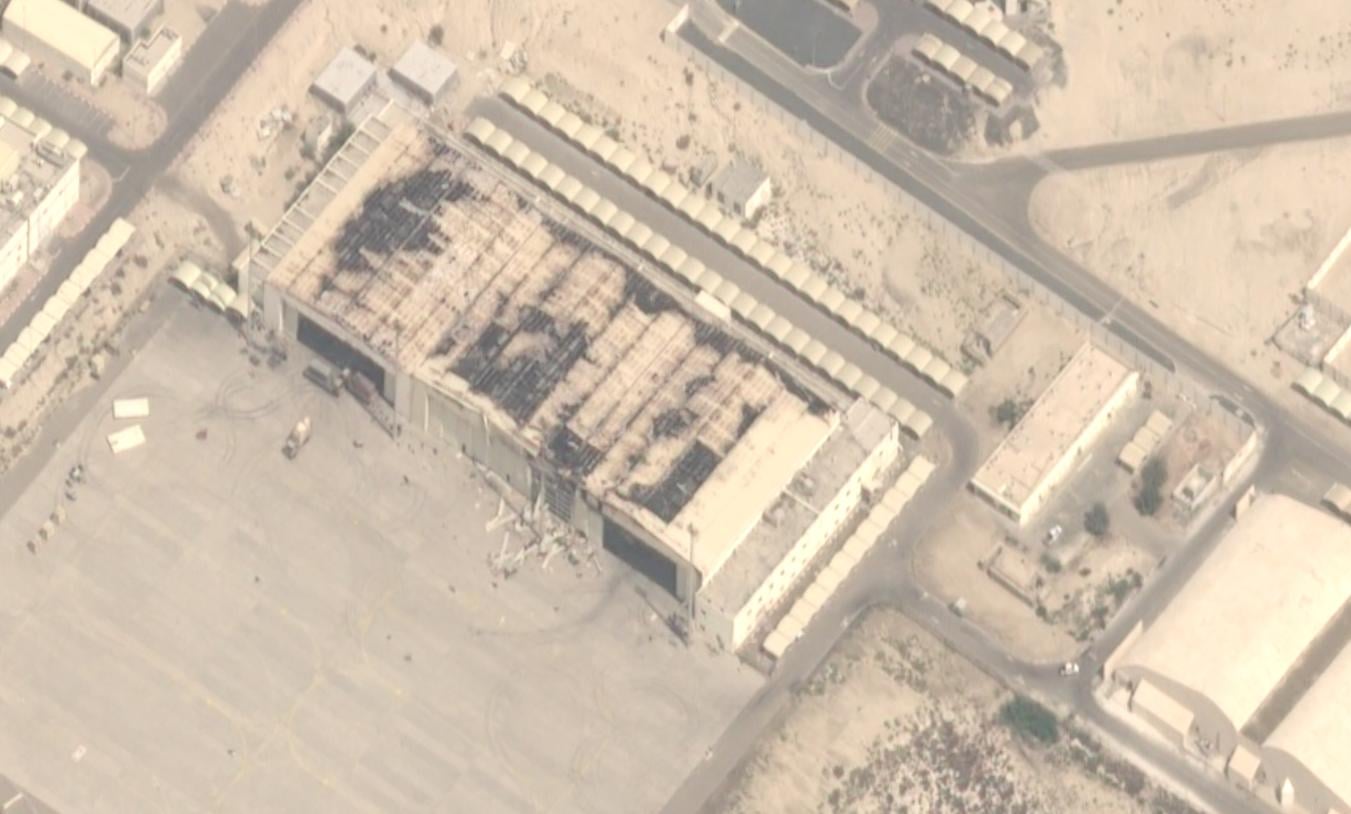
Tehran caused casualties among American forces. As of late October, 23 US troops had been killed, and another 865 injured in operations related to the war. However, those losses don’t appear to have meaningfully affected public opinion in the US.
On the other hand, Iran’s targeting of the Strait of Hormuz certainly did.
Before the war, about 20 percent of the world’s oil passed through the vital shipping lane.

Iran seized on it as a chokepoint for the global economy and closed it for much of the past eight months through attacks on shipping and claims of mines in the strait. It drove up prices for fuel and fertilizer needed for farms and created economic and political pressure in the US.
That was exactly the effect Iran wanted.
Senior Iranian officials said that they were deliberately prolonging talks with the US to try to politically weaken Trump, ahead of the midterms.
And it worked.

Some 60% of voters in an Associated Press election day poll said the US made the “wrong decision” in taking military action against Iran, and about one-third said the Iran war was a “crucial” factor in their vote for Congress.
Iran even had America’s vice president advancing its strategy.
The day after the Republican drubbing, US Vice President JD Vance said that “the reason we lost is the war.”
He again made the call for a diplomatic resolution, something Tehran has said consistently will only happen if the US caves to its far-reaching demands.
Vance added something else the Iranians will undoubtedly be thrilled to hear: that another of the top four reasons the GOP lost was its relationship with Israel.
Trump’s own son doubled down on the message, tweeting that “Every word of this is 100% 100% 100%.”
War isn’t off the table
While the attacks and threats have had the desired effect on Gulf states and the US public, they have not removed the threat hovering over the regime.
Trump himself said Vance’s day-after assessment was “largely true,” but also that going to war was the only long-term answer against Iran. “You can’t let Iran have a nuclear weapon.”
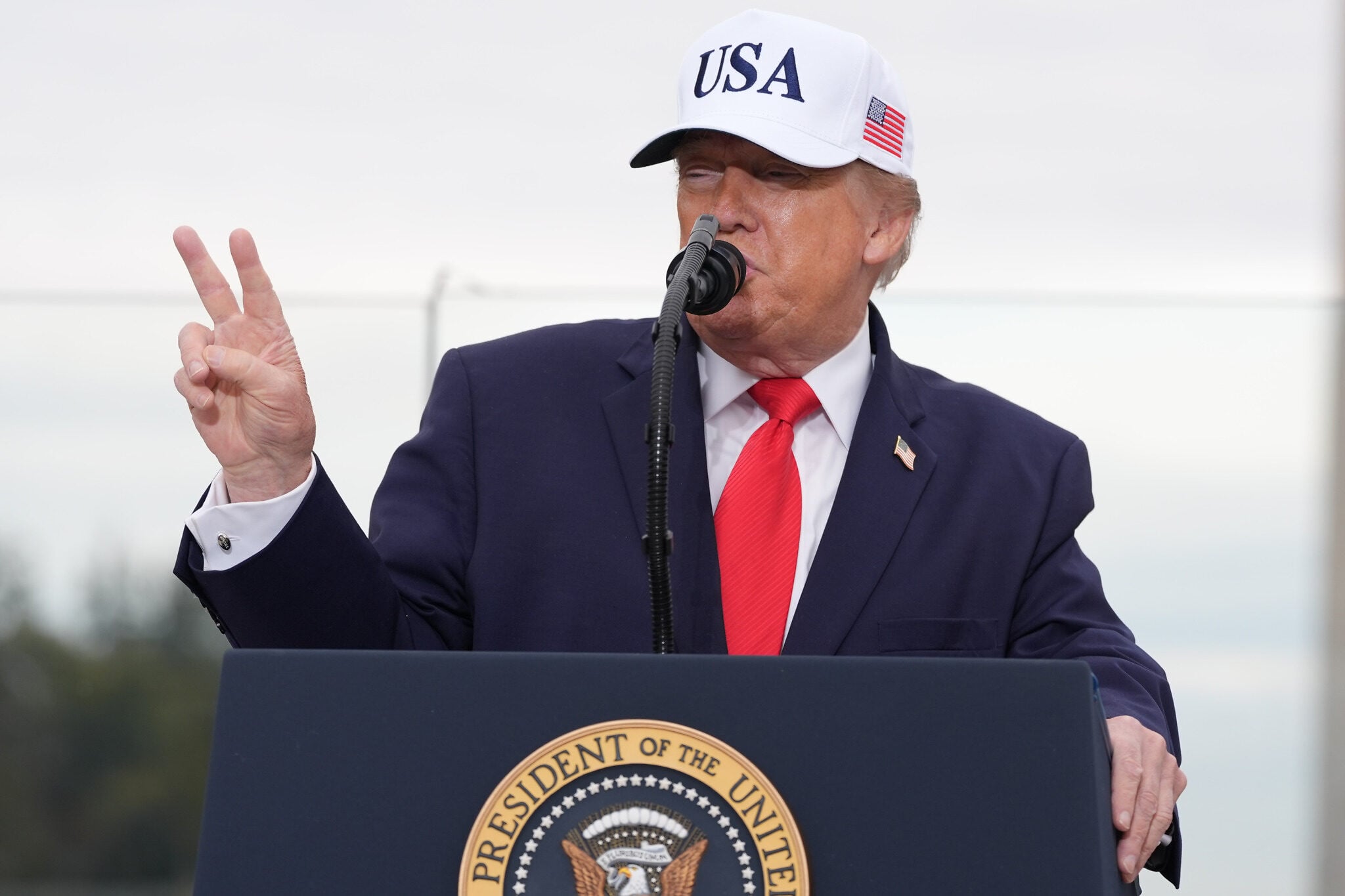
Still, Trump seems undecided about how to handle the problem. For months, he has been issuing bombastic threats followed by an insistence that Iran is about to make a deal.
That rhetoric continues.
More dangerously for Iran, it hasn’t figured out how to sap the resolve of the Israeli people.
Israel has been relatively protected from the massive economic disruption suffered by Arab partners, and rising energy costs did not translate into a political liability for Netanyahu.

Despite waves of Iranian missiles attacks on the country in both Israeli operations against Iran, the public will didn’t crack. After a month of fighting, over three-quarters of Jewish Israelis wanted the war to keep going. Now, after months of quiet, some 68% of voters believe Israel will have to go back to war against Iran in the next year, and around 40% support a preemptive strike.
Moreover, all the potential candidates to fill senior positions in the next Israeli government supported the war on Iran and see it as the primary threat.
That is bad news for Iran. Though the US has a vastly larger arsenal, Tehran is in no rush to suffer another round of strikes from Israel.
It was Israel — not the US — that took out dozens of Iranian leaders in both wars it has launched against Tehran.
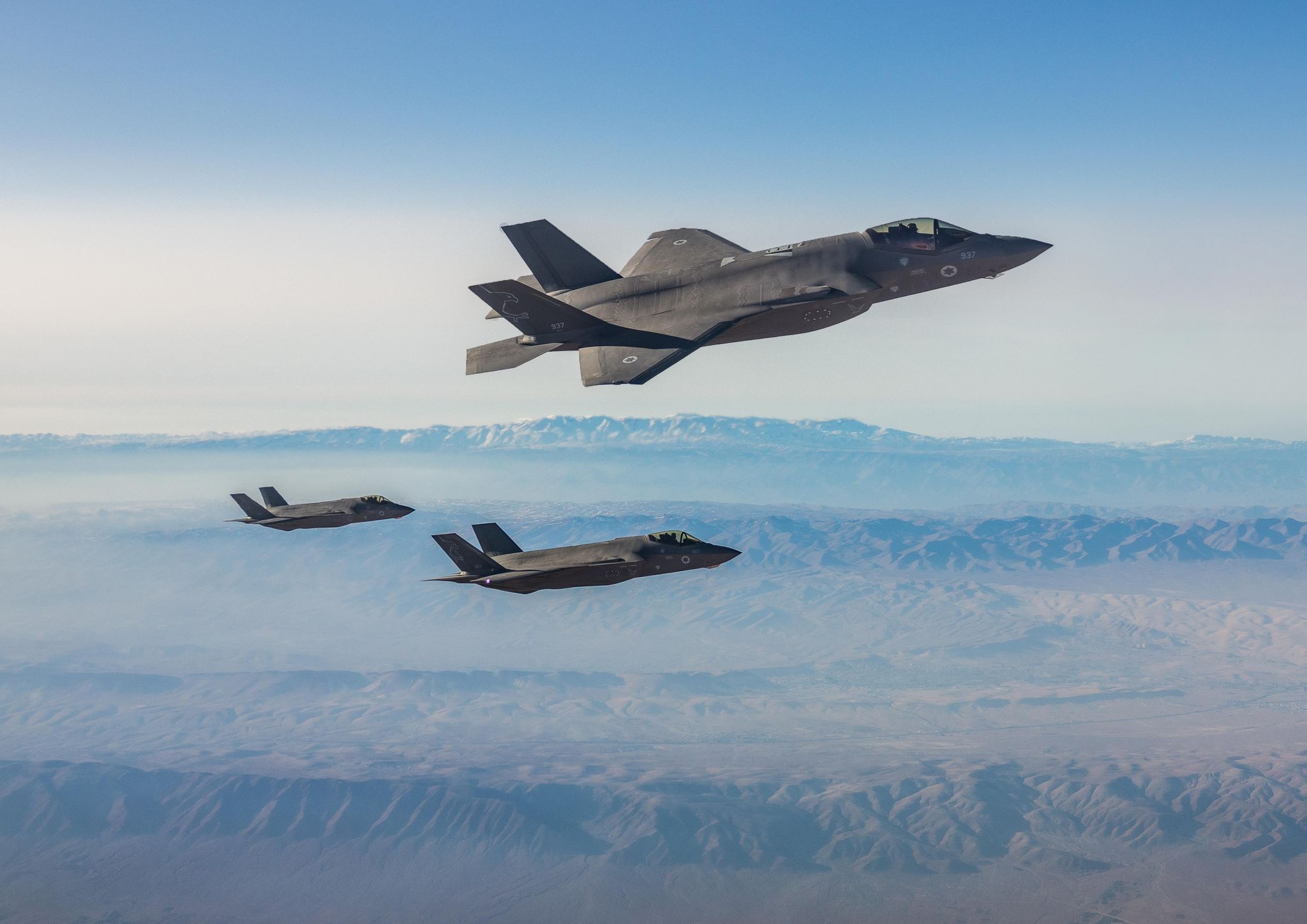
As Iran’s foreign minister has indicated publicly, Israel has shown that its intelligence services have penetrated the regime deeply. If Israel is forced into the fight by an Iranian attack, or given the green light by Trump, it could well have more tricks up its sleeve, something comparable to the secret drone base it set up within Iran ahead of the 2025 Operation Rising Lion.
Iran seems to recognize the danger Israel poses, avoiding any attacks on Israel since early June.
Still, the pressure on the US public could be Iran’s way of reining Israel in. If it can get the message that there is no solution to the Hormuz issue because of Israeli intransigence into the US discourse, the chances of Trump shutting down an Israeli operation go up.
And, luckily for Tehran, it knows there are officials very close to the US president who are likely to convey precisely that message.