Half-empty and scarred by war, Kiryat Shmona sees protests – and grassroots rejuvenation
With only 60% of residents and 50% of businesses back following conflict with Hezbollah, locals decry government abandonment while pledging to revitalize northern border city
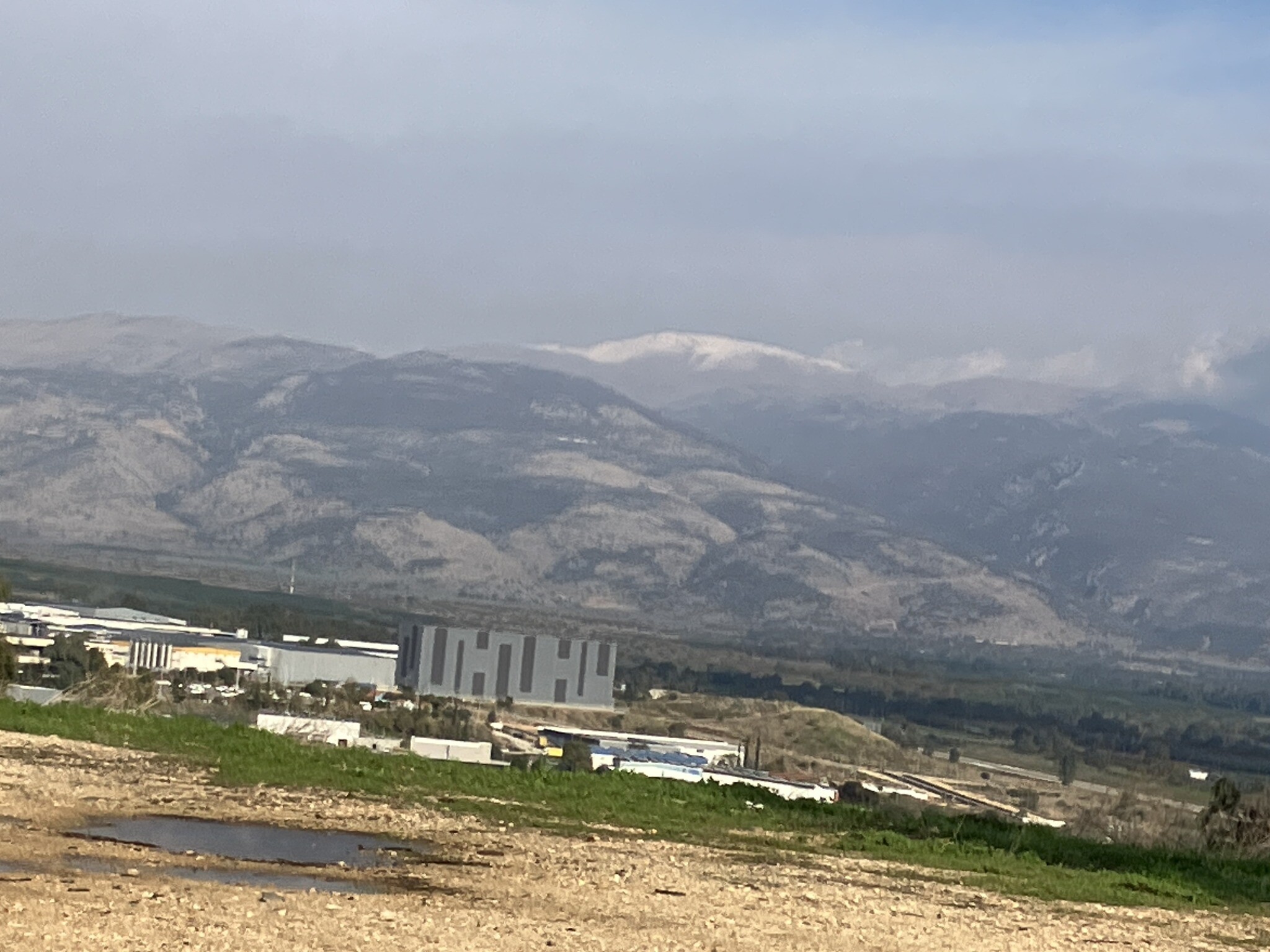
KIRYAT SHMONA — After a night of rain, the sky was still cloudy and cool, and a fresh coat of snow on Mount Hermon was visible in the distance.
During Hanukkah school vacation in prewar times, this would have been a perfect day for visitors to pour into this city on Israel’s northern border.
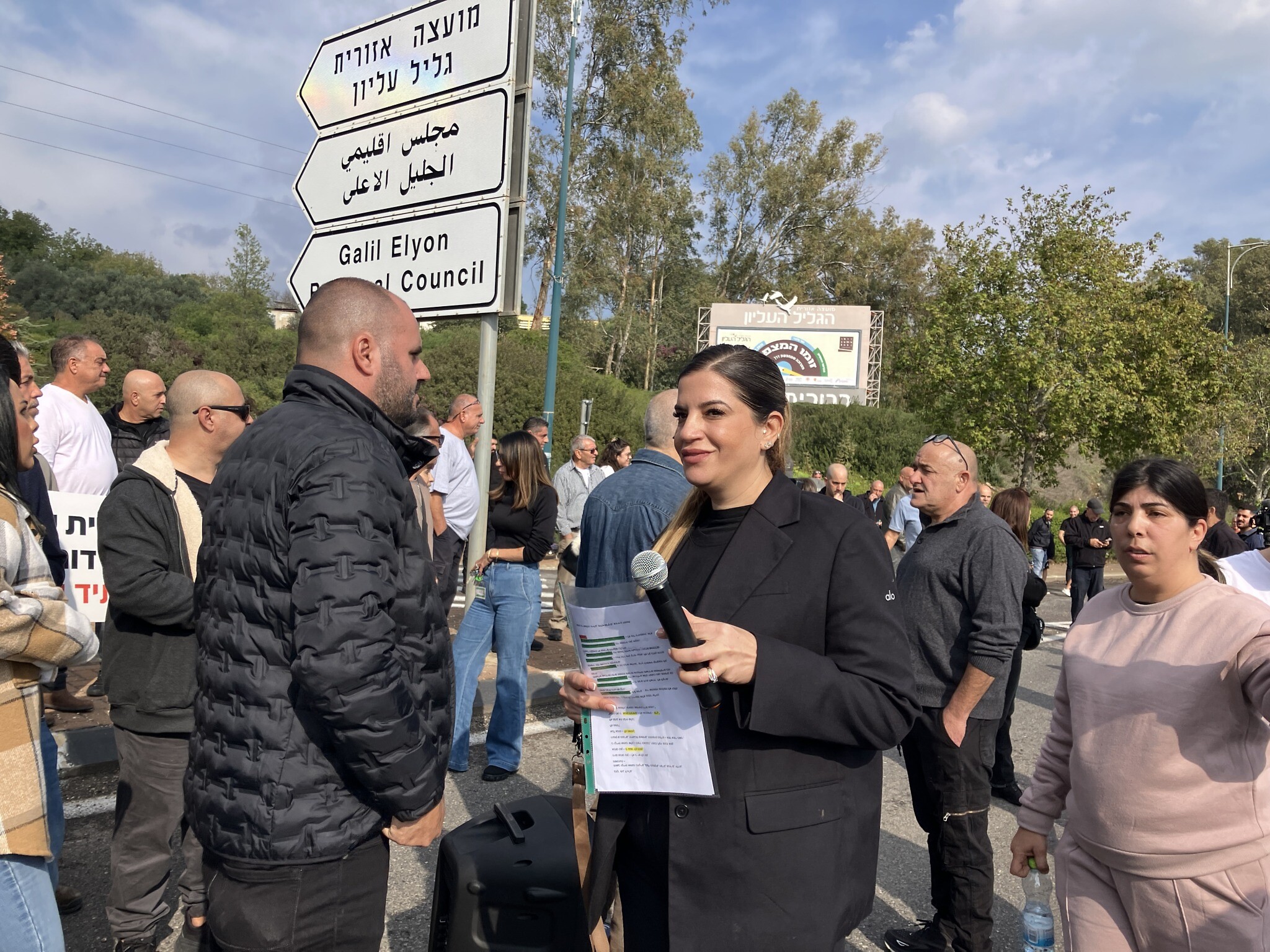
However, Tuesday morning was anything but festive as some 1,000 people gathered at Kiryat Shmona’s entrance to protest what they feel is the government’s “abandonment” of the city.
Longtime resident Sima Alok held two protest signs aloft and spoke about the despair she has felt since returning to Kiryat Shmona after almost 14 months of war.
“They brought us back to nothing,” Alok told The Times of Israel. “We have no security, no work, no teachers, no social workers. The government has abandoned us.”
Alok’s frustration and anger were echoed by others at the demonstration, which was organized by Shiran Ohayon, another Kiryat Shmona resident.
“We are tired of promises, we want solutions to solve the problems,” Ohayon told The Times of Israel.
A day after the bloody October 7, 2023, Hamas-led massacre in Israel’s south, the Lebanese terrorist group Hezbollah began firing barrages of rockets, missiles and drones at Israel’s north, leading to an unprecedented mass evacuation of some 60,000 residents in communities close to the Lebanese border.
Virtually all of Kiryat Shmona’s 24,000 residents, just over a mile from the border, were among those evacuated until a ceasefire was reached in the north in late November 2024.
Though Israel dealt a heavy blow to Hezbollah’s military capabilities and eradicated much of the organization’s top leadership, evacuees remain uneasy and are hesitant to come home, even as rumors of a further IDF operation in Lebanon abound.
Forty-six civilians were killed, along with 80 IDF soldiers and reservists, by Hezbollah attacks, which also wreaked widespread destruction on homes and infrastructure in the north.
Only 60 percent of Kiryat Shmona’s residents have returned to the city since the ceasefire with Hezbollah, and only about half of the local businesses have reopened.
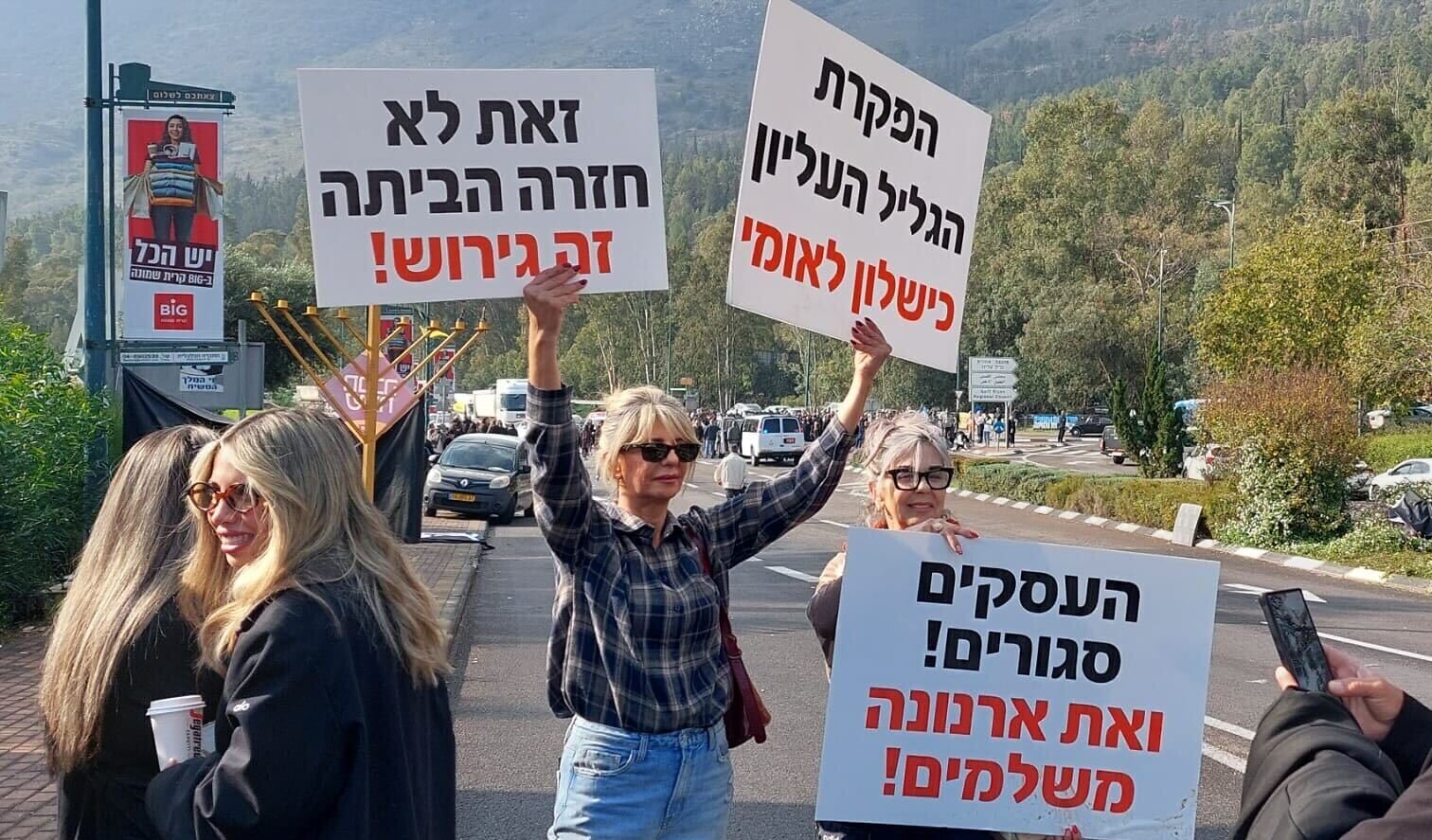
Ohayon and other residents have called on the Israeli government to suspend taxation on businesses and people in the beleaguered town, whose local government, like other municipalities in the country, ultimately comes under the purview of the Interior Ministry.
“There’s no reason to pay taxes for a city without basic services,” Ohayon said, adding that she has not received a response from the government.
The Knesset Finance Committee recently approved NIS 1.2 billion ($308 million) in funding for rehabilitation and economic recovery programs in northern Israel, following months of delays.
In September, the administration managing the rebuilding of the north announced that some 87% of northerners had returned or were replaced by newcomers, with some communities even reporting growth over prewar population figures.
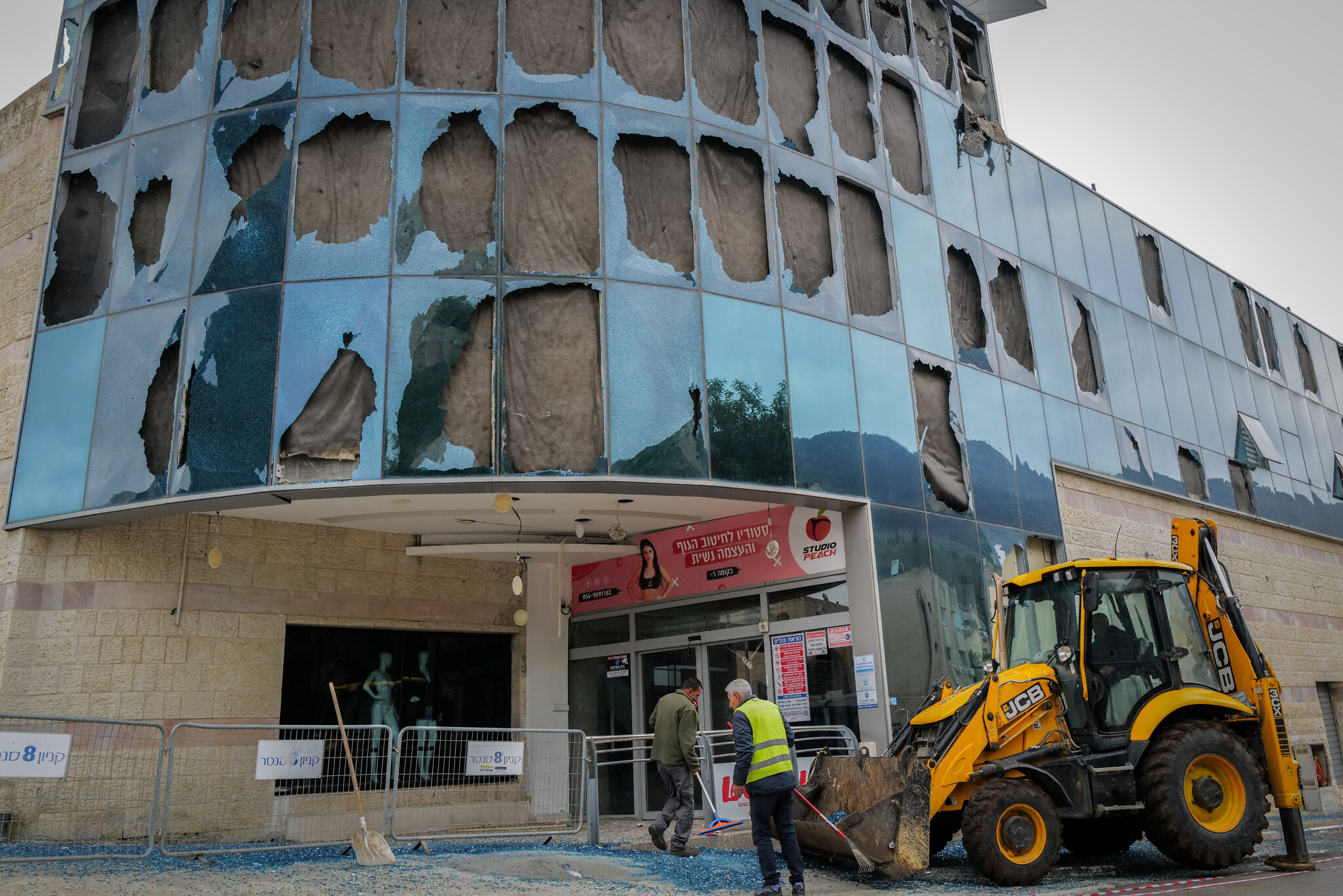
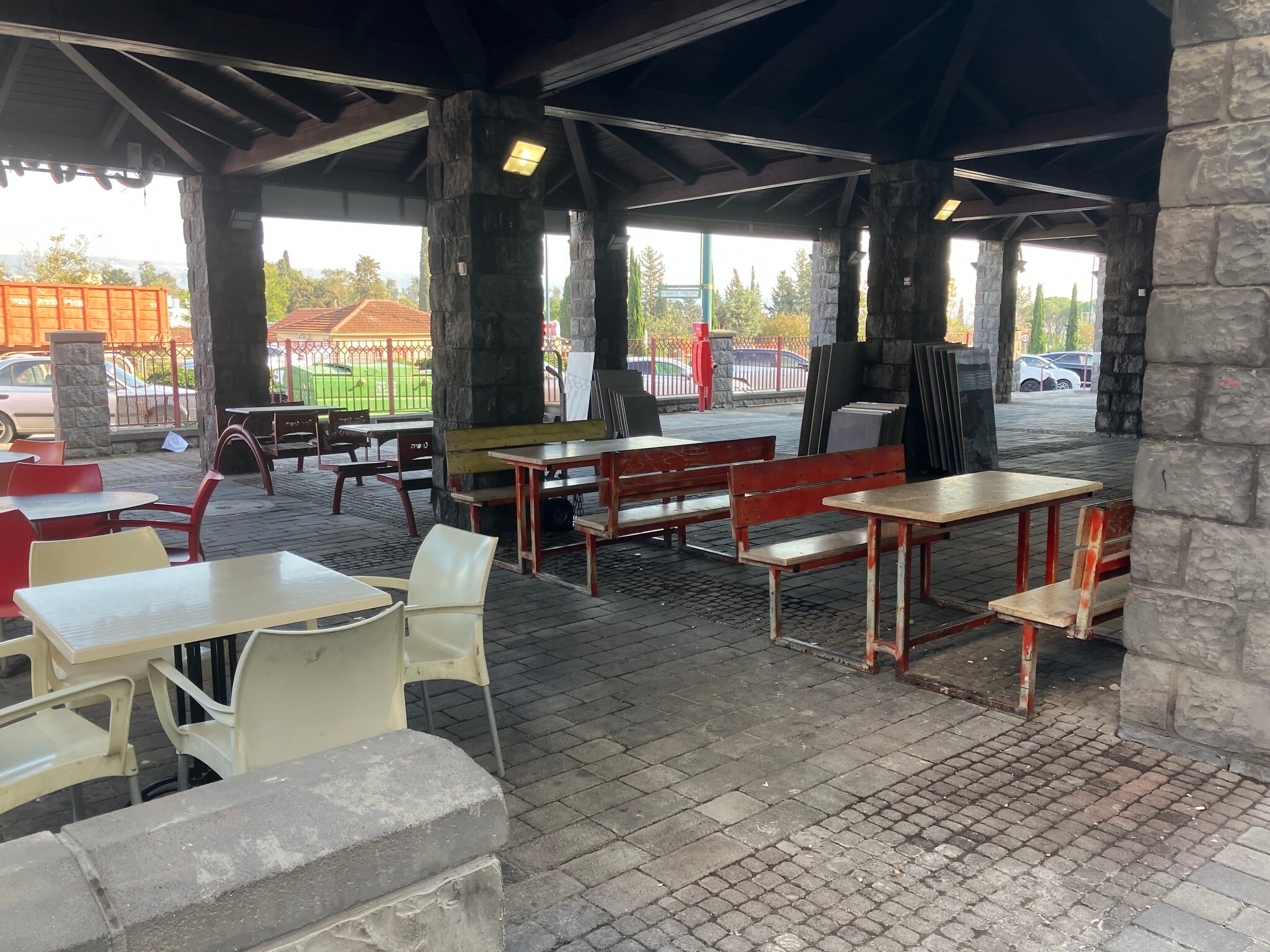
However, this city is still struggling after the war. Stores are empty, or they close early. Destroyed roads have not yet been repaired. Some schools have been closed because there are not enough students. Kiryat Shmona residents — always known for their resilience — are now being tested like never before.
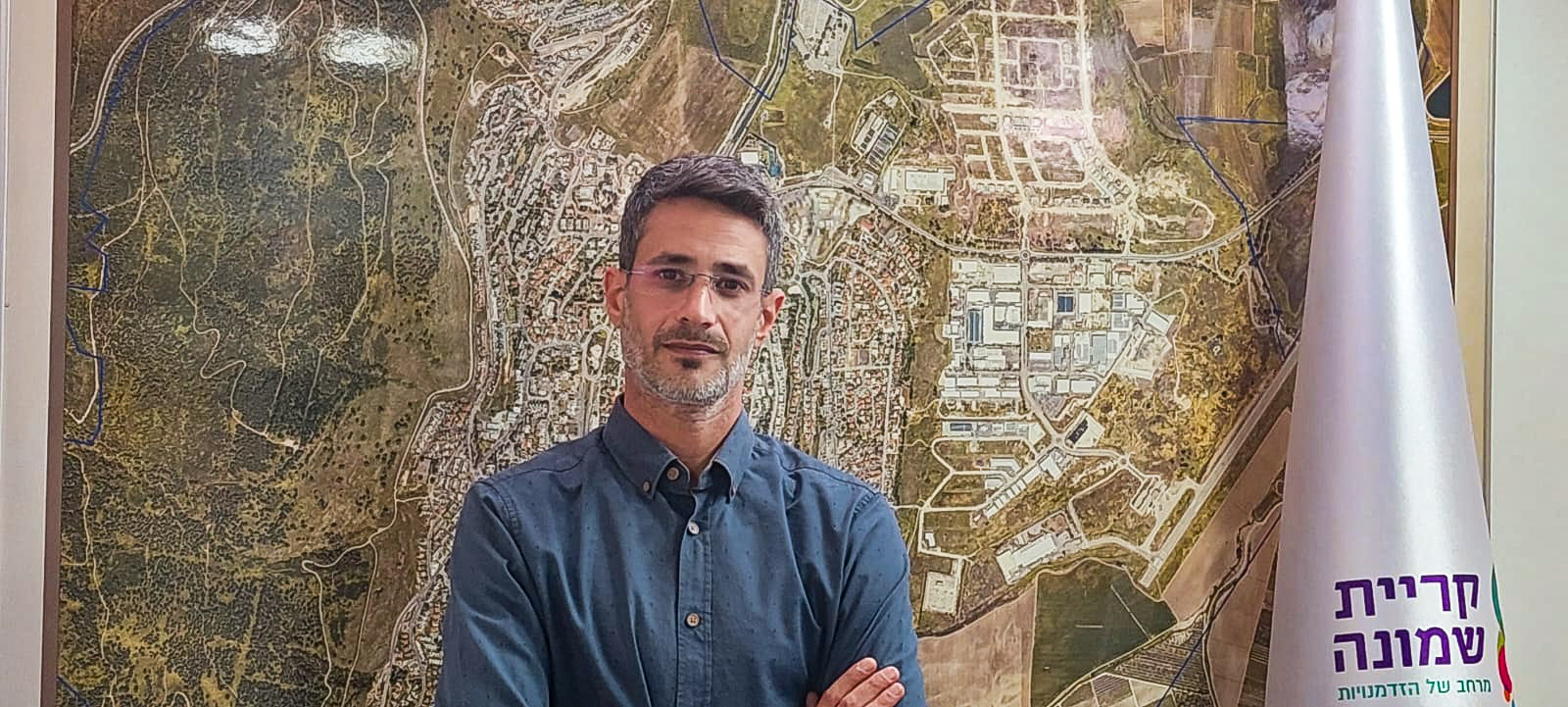
“We fought for two years against the enemy, but we didn’t think we’d have to fight our own government,” Mayor Avichai Stern told The Times of Israel in his office after the demonstration, where he had stopped to show support for the residents.
“I understand their anger,” he said. “We’re tired of this. The government has brought us back here, but even government offices haven’t opened up yet.”
The government has a 10-year project to expand the city’s Tel Hai Academic College into a full-fledged university and to extend the country’s railroad line to include Kiryat Shmona.
“That was a recipe for success for Beersheba, in the southern periphery, which has the train and Ben-Gurion University of the Negev. But what about tomorrow morning? We can’t wait 10 years,” said Stern.
“This is our most dangerous border, and we need to be strong not only for our city but for the entire nation,” he said.
‘You’re seeing this before the comeback’
In a contemporary building on the edge of the city, Dganit Vered and Dr. Tammy Meiron, the CEO and CTO, respectively, of food tech incubator Fresh Start, were holding marathon strategy meetings Tuesday on how to reboot local startups in Kiryat Shmona.
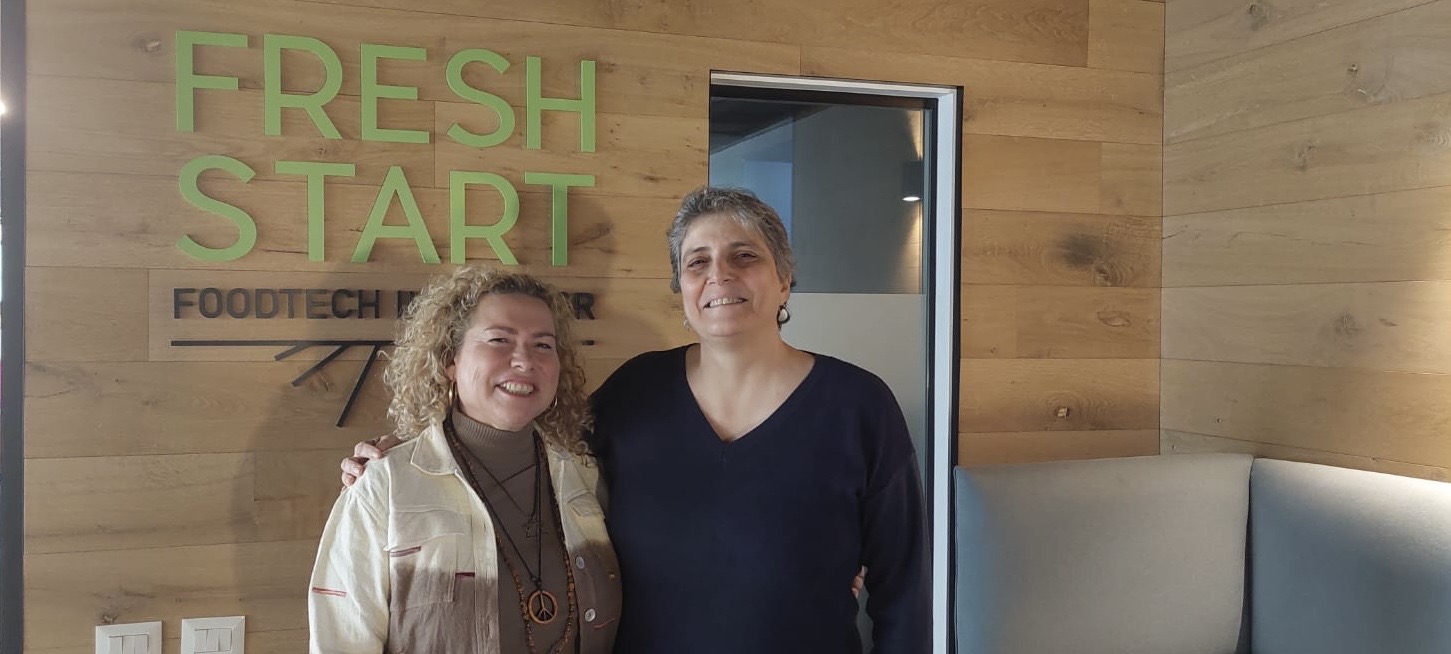
Fresh Start — launched in January 2020 under the umbrella of the Israel Innovation Authority initiative, together with the incubator syndicate of Tnuva, Tempo, Ourcrowd, and Siddhi Capital — invests in early-stage food and agriculture startups.
“We are engaged in deep tech innovations to solve major global challenges like climate change and food security,” Meiron said.
However, after the start of the war in the north, the 90 people who worked in 10 companies nestled in its headquarters were evacuated to different parts of the country.
Meiron said that in early 2026, five companies will return to the Kiryat Shmona area, and she expects more will come during the year. The incubator plans to invest in at least four additional startups during 2026 to work out of the Kiryat Shmona incubator facility.
“You’re seeing this before the comeback,” Meiron said cheerfully, as she escorted this reporter past a row of empty laboratories and offices in the building. “I’m very positive that we’re going to bring industry back to the area.”
“We’re starting to move the needle,” added Vered. “We’re very clear about our agenda to recover the ecosystem and the north, and we’re very determined to make it happen.”
A tennis tournament for returning children
While the demonstration was winding down at the city’s southern entrance, at its northern end, the Israel Tennis and Education Center Kiryat Shmona, or ITEC Kiryat Shmona, which was closed and partially destroyed during the war, teamed up with the nonprofit Orenstein Project to hold a tennis tournament to celebrate the center’s reopening.
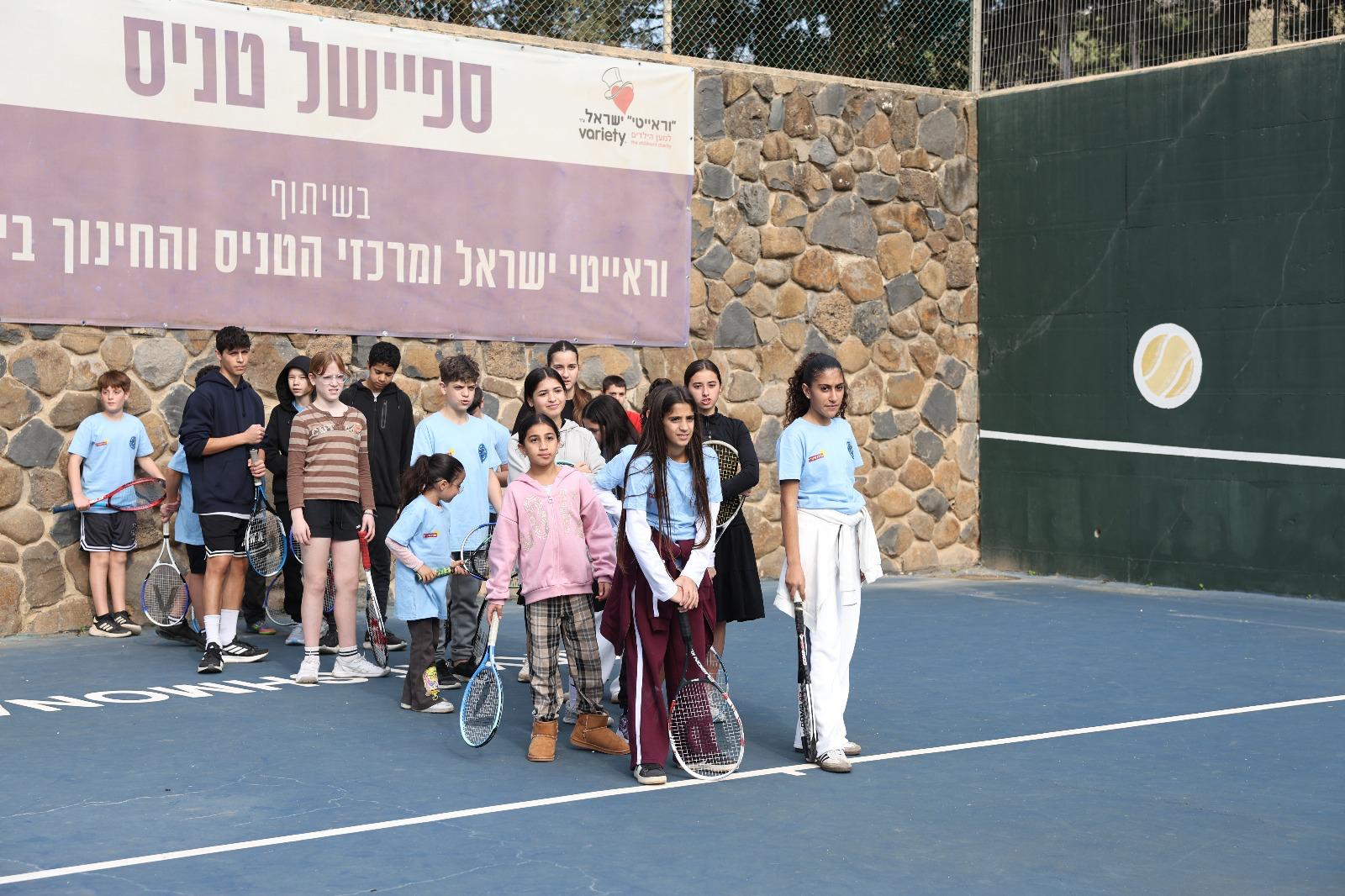
With upbeat music playing, a circus performer juggling, and young tennis players getting on-court tips from acclaimed tennis player Andy Ram, the center’s manager Tal Amsalem took The Times of Israel to view the damage caused by Hezbollah rockets and missiles.
“Look at the shrapnel pieces,” he said, bending down to pick up a metal shard on the court. “Look at the hole in the fence.”
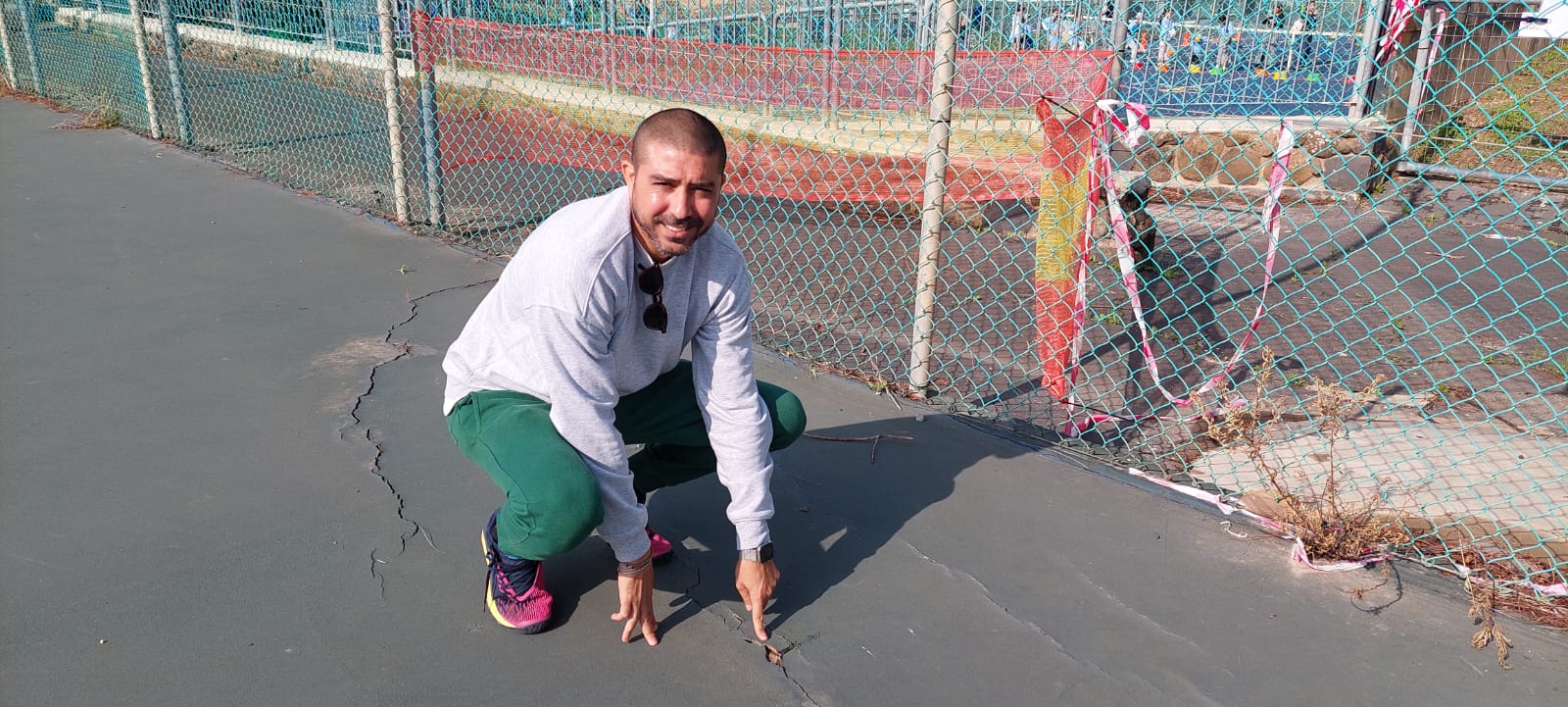
Of nine outdoor courts, five have sustained damage. The center has raised NIS 2 million ($620,000) for repairs, Ram said, and is looking to raise another NIS 1 million.
ITEC, a nonprofit founded in 1976, runs 24 centers around Israel, mostly in underprivileged areas. It uses tennis “as a vehicle for education, character development, and coexistence,” said Sophie Katz, the group’s vice president of global relations.
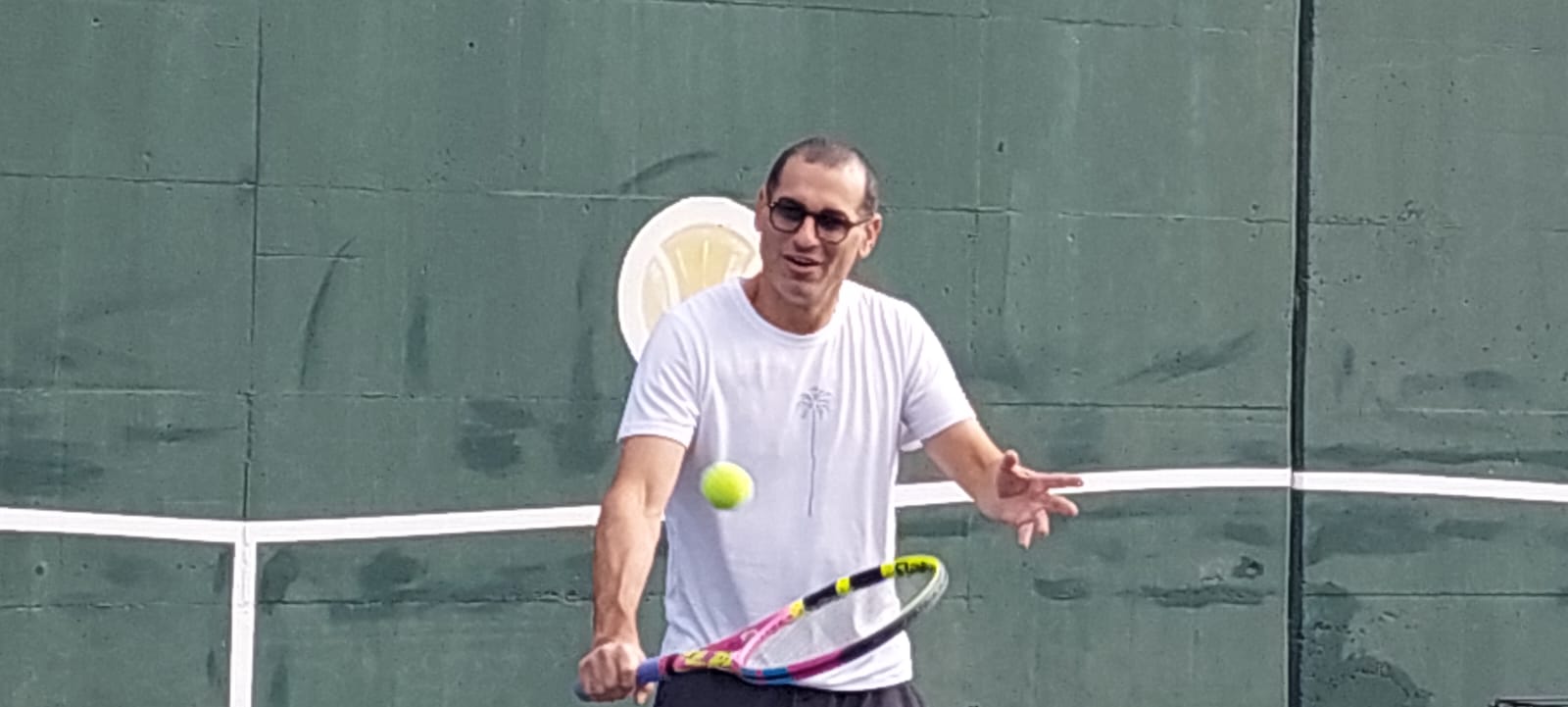
Amsalem, 43, started playing tennis at the Kiryat Shmona center when he was seven years old — and never stopped.
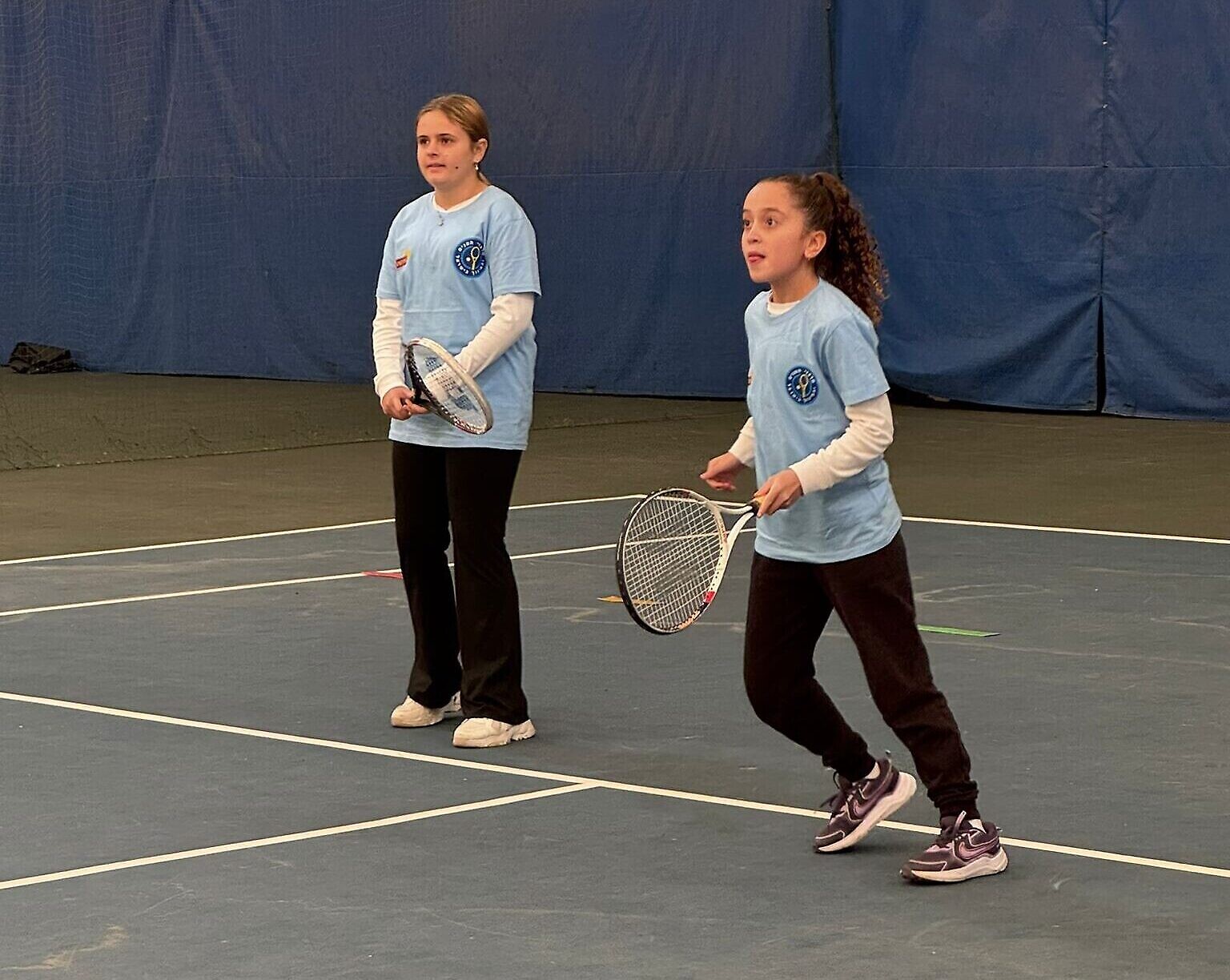
Only 30% of the children enrolled at the center before the war have returned, he said. There are about 200 kids who play, and half of them are on scholarships.
“Lots of families can’t afford it, so we are making the program as inexpensive as possible,” Amsalem said. “We are also aware that a lot of them are suffering from anxiety and trauma.”
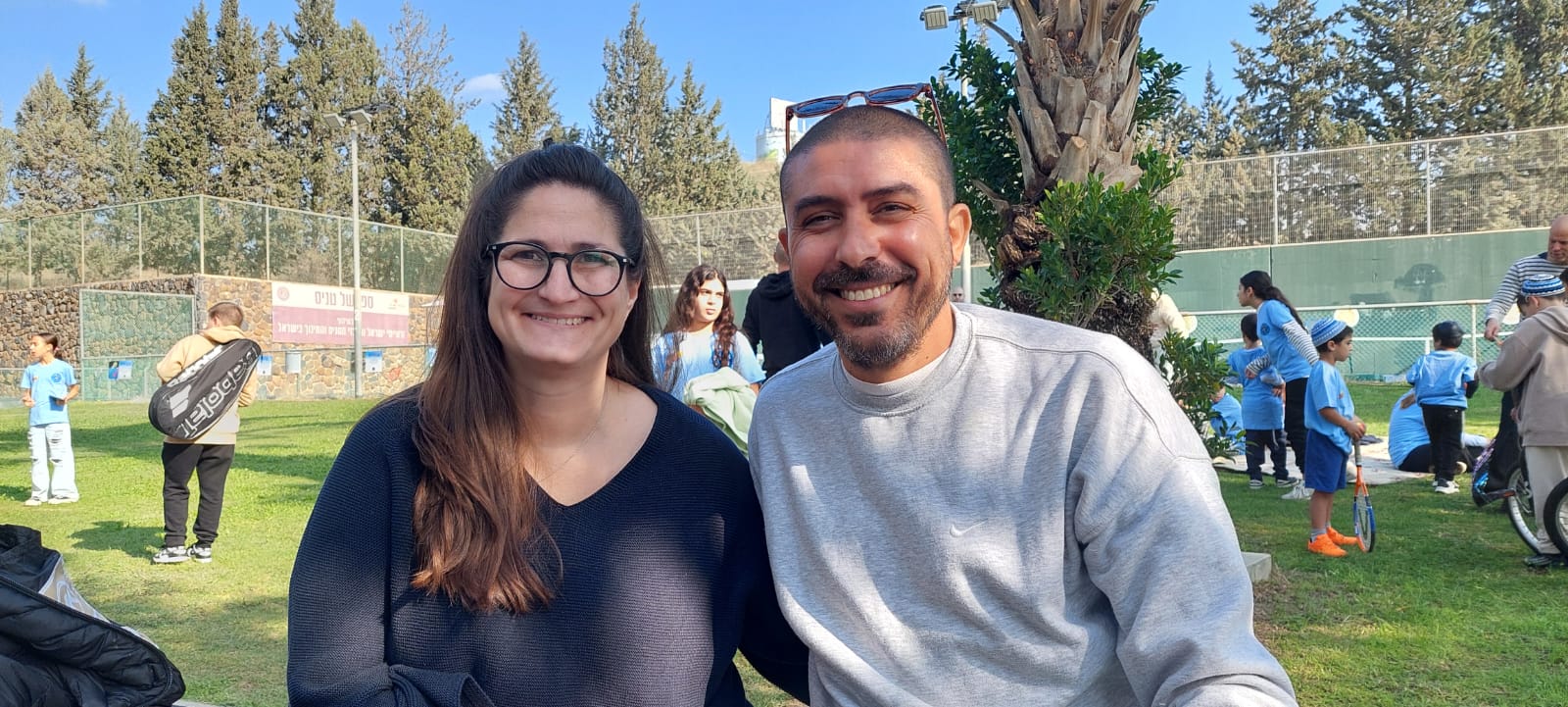
In addition to tennis, the center offers canine therapy as well as cooking therapy to help children build their confidence. The center stays open from the morning until 10 p.m. each day, and children can stay there as long as they want.
“We want them to feel that they have a community,” Katz said.
The nonprofit has also opened a new center in the Druze town of Majdal Shams, about 31 kilometers (19 miles) away, in memory of Vinees Adham Alsafadi, 11, who used to play tennis in the Kiryat Shmona center, and was one of the 12 children killed by an Iranian-made Hezbollah rocket in July 2024.
Amsalem pointed out that the center has the dubious distinction of being the only tennis club in Israel with a large underground bomb shelter that also serves as a fitness gym. He remembered spending time there as a youth.
“We don’t have time to get to the shelter,” he said. “Sometimes bombs fall before the sirens even go off. Every child here is at risk.”
“It is easy to smile when I see kids playing tennis, but I have to be realistic,” Amsalem said. “The situation isn’t easy here. People have returned depressed. There’s no recovery here yet.”
He pointed out that the morning’s protest and the tennis center’s celebration highlight “the ambivalence in Kiryat Shmona.”
During the war, he and his wife and their three children were evacuated and moved to the center of the country, where they still live.
“But I want us to come back at the end of the school year,” he said. “This really is my home.”