

Knesset panel approves NIS 1.2 billion to rehabilitate north after months-long delay
Finance Committee members clash over delay in funds earmarked to aid towns near the Lebanese border still reeling from war with Hezbollah
 Add ToI as a Preferred Source on Google
Ariela Karmel is a political correspondent at The Times of Israel. She previously reported for Calcalist and Haaretz. She holds an MA in Middle Eastern and African History from Tel Aviv University and a BA in Political Science from the University of British Columbia.
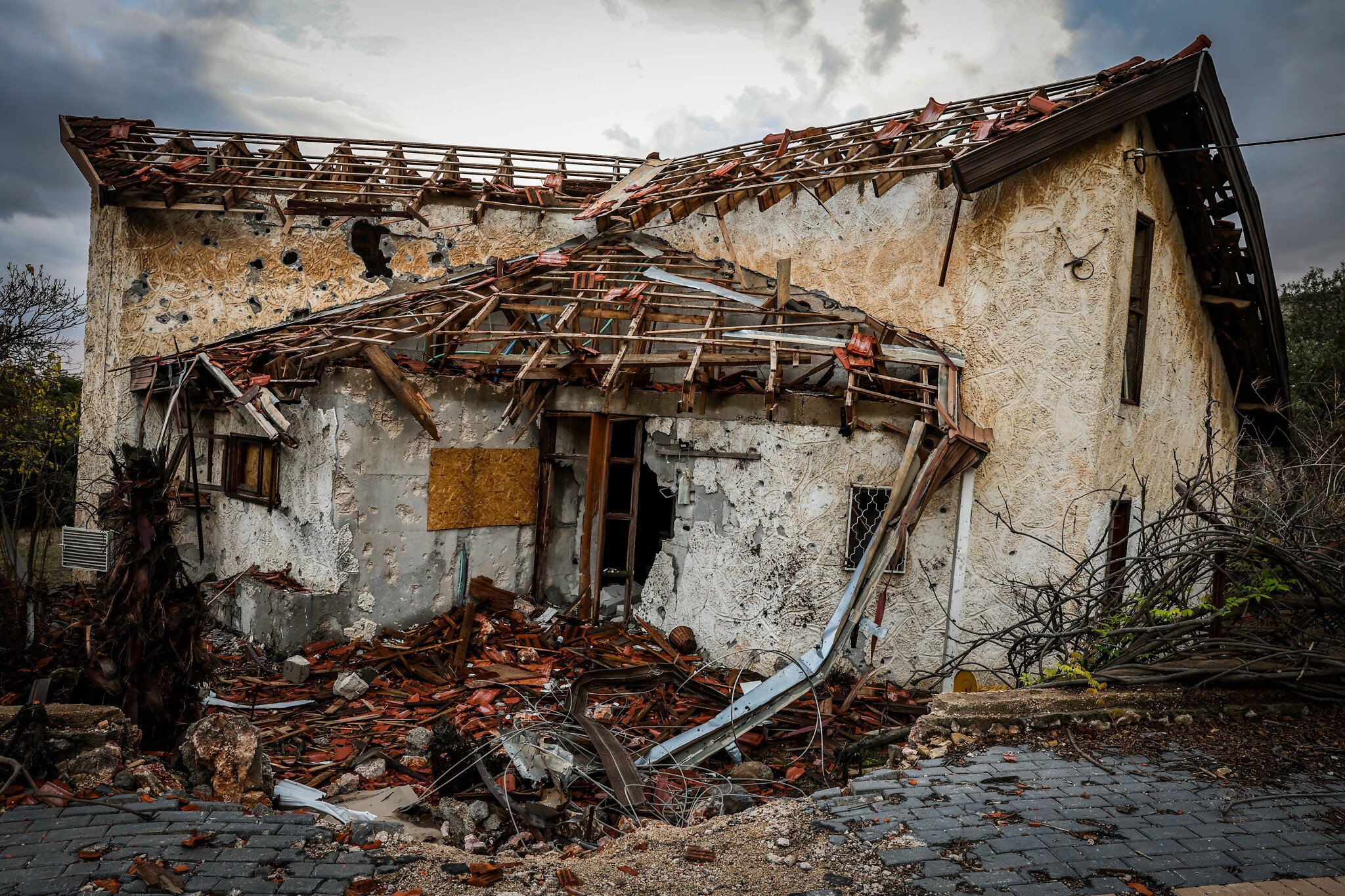
The Knesset Finance Committee approved a long-awaited transfer of NIS 1.2 billion ($308 million) for rehabilitation and economic recovery programs in northern Israel, following months of delays stemming from the Finance Ministry’s refusal to provide supplementary information requested by the committee’s legal advisers.
The delay has postponed sorely needed funds for communities still reeling from Israel’s war against Hezbollah.
The funding will be used to implement two government resolutions from July to support towns within a two-kilometer radius of the Lebanese border, the residents of which were evacuated, and to revive businesses and municipal activity up to nine kilometers (5.6 miles) from the border.
Approximately 60,000 northern residents were displaced by Hezbollah’s attacks on the north between October 2023 and November 2024.
The government approved a plan in October 2024 to rehabilitate and develop the north in the aftermath of the war, earmarking NIS 15 billion over five years. Some of these funds have yet to be disbursed.
Attorney Shlomit Erlich, the committee’s legal adviser, explained that the Treasury initially submitted incomplete documents and refused to provide the supplementary information requested by the committee, only finally submitting it five days ago.
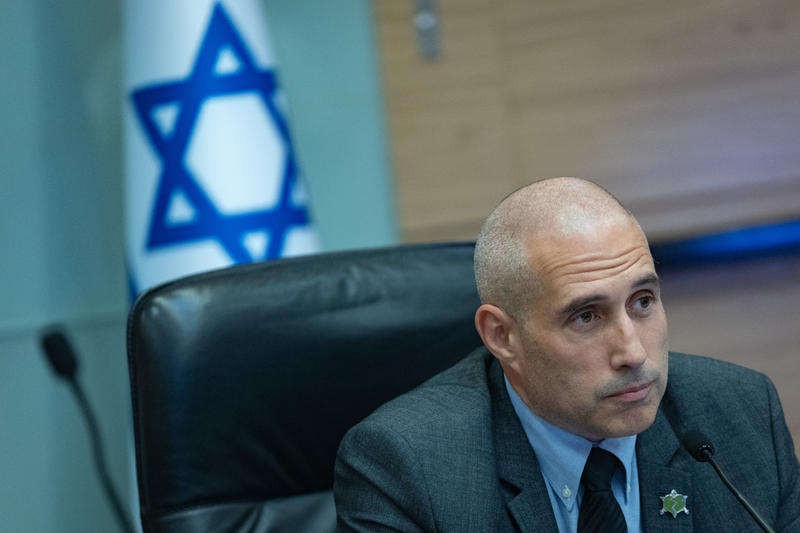
A representative of the Treasury’s Budget Department confirmed that the department received the original request from the committee nearly three months ago, in August.
Tzachi Chen, deputy head of the Ma’ale Yosef Regional Council, voiced frustration at the delay: “The claim is that this takes time, but we don’t have time. We’ve already committed millions to contractors; we’re collapsing under the burden. The funds need to arrive immediately.”
Finance Committee Chair MK Hanoch Milwidsky said that claims that the committee was responsible for holding up the transfer are false. “Nothing was delayed here — this was brought to discussion at the very first meeting after the legal department’s requirements were met,” he said.
While he said that he did not believe that the Finance Ministry was “deliberately” holding up the process, he called on Finance Minister Bezalel Smotrich “to do what’s necessary” to ensure the funds reach northern communities as soon as possible.
A ‘detached’ coalition
Meanwhile, the opposition railed at coalition lawmakers for not even attending the Knesset’s Economic Affairs Committee meeting Monday to discuss the fifth rise in food prices in two years, apart from Likud MK and committee chair David Bitan.
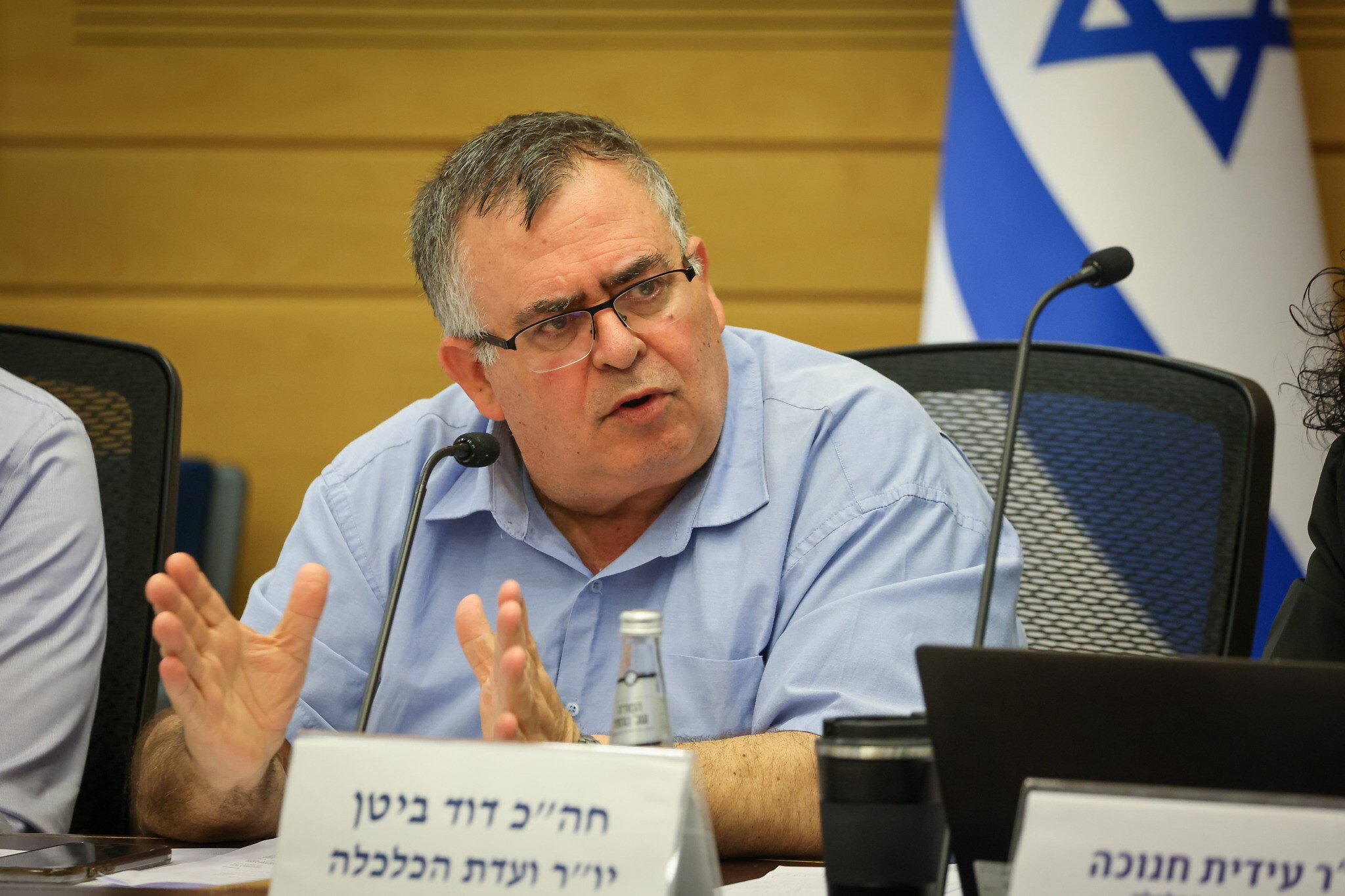
Present at the meeting was Yesh Atid MK Jasmine Sachs Friedman, who tweeted, “Only Knesset members from the opposition are present. The price madness at supermarkets apparently hasn’t reached the detached coalition members.”
Food prices in Israel have surged dramatically in the last two years since the Hamas-led October 7, 2023, onslaught and during the subsequent multi-front war, putting severe pressure on households. According to Leket Israel – The National Food Bank, food prices have risen by five percent in the past year alone.
Yesh Atid MK Meir Cohen said, “We have become one of the most expensive countries in the world. That’s a fact.”
He called for cooperation between coalition and opposition lawmakers to address the needs of the 22% of Israelis living below the poverty line, who cannot independently afford basic staples.









The Times of Israel Community.