Israeli soldiers cast election ballots at bases, outposts and beyond borders
IDF opens some 850 polling stations, including mobile sites in Gaza, Lebanon and Syria, as October 27 election day approaches
The Israeli military began to vote in the national election on Wednesday, just under a week before the rest of the country, to enable troops stationed in remote locations and inside enemy territory to cast their ballots.
The Israel Defense Forces said it has deployed some 850 polling stations across the country and beyond Israel’s borders. They will remain open through October 27, when the rest of the country votes.
Around 3,000 soldiers, mainly young conscripts, are serving as polling station staff, according to the military. The personnel were trained by the Central Elections Committee. Tens of thousands of troops are eligible to vote at the military’s polling stations.
Around 25 percent of the stations are fully mobile, enabling both conscripts and reservists stationed in hard-to-reach areas to vote, including at the IDF’s 40 outposts in the Gaza Strip, numerous army positions in Lebanon, and nine outposts in Syria.
The mobile polling stations will move between several units according to a predetermined schedule. Their staff will be accompanied by an armed officer responsible for security, and the ballot boxes will remain locked while in transit.
“Our mission is to enable all IDF service members to exercise their democratic right to a secret ballot, including during operational activities and combat beyond the border,” said Col. Vered Ben Yehuda, who is overseeing the military’s election process.
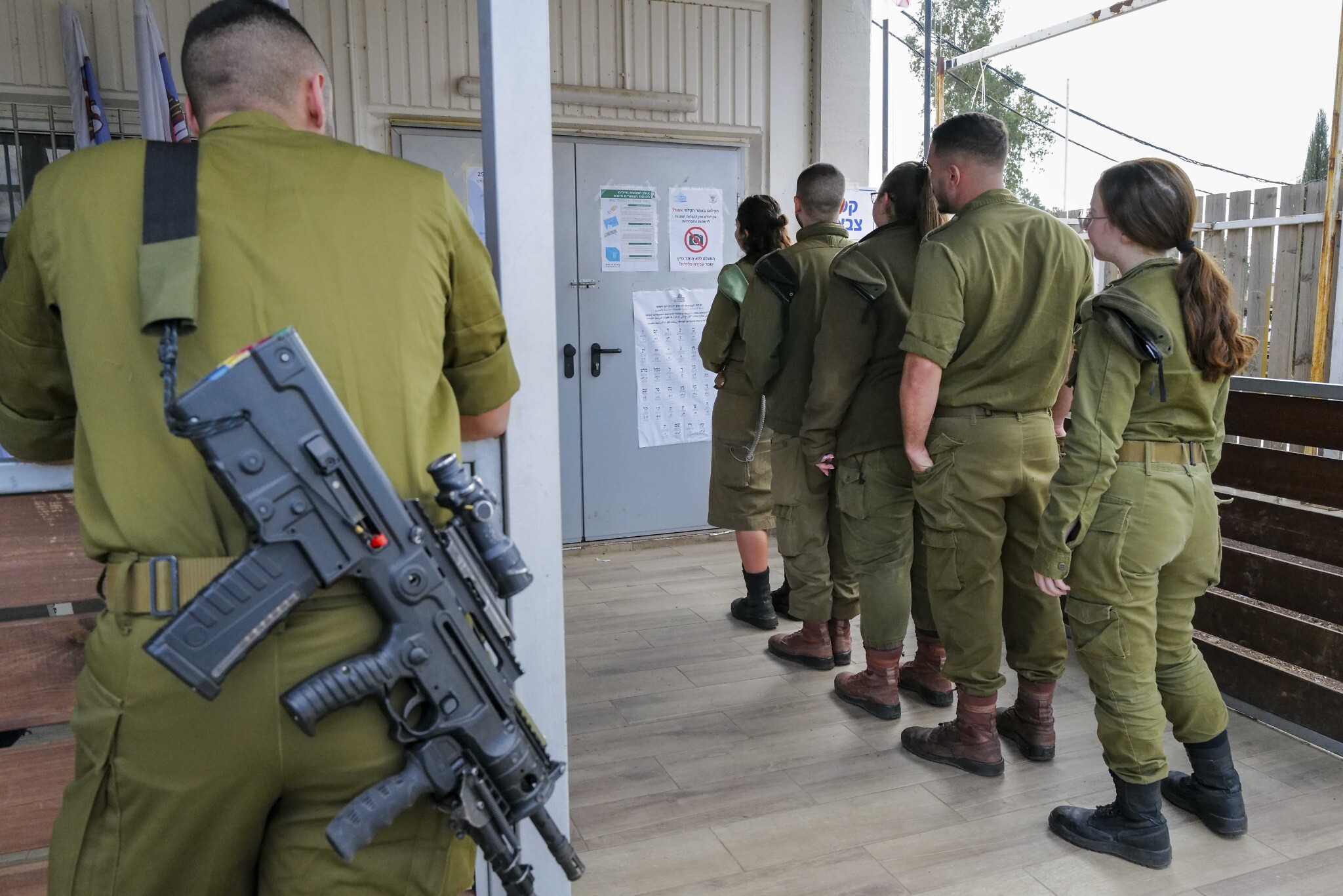
“The IDF is the people’s army that will do everything necessary to enable the election to take place as scheduled,” she added.
Soldiers may also vote at civilian polling stations on October 27. Double envelopes are used in the field so that their names can be checked against their home polling station to ensure that each soldier votes only once.
The military opened its polling stations amid heightened security preparations for the election. IDF Chief of Staff Lt. Gen. Eyal Zamir this week placed the military on its “highest state of alert” and canceled soldiers’ leave, saying the IDF’s mission was to ensure that the October 27 election could take place safely and on schedule “without external interference.”
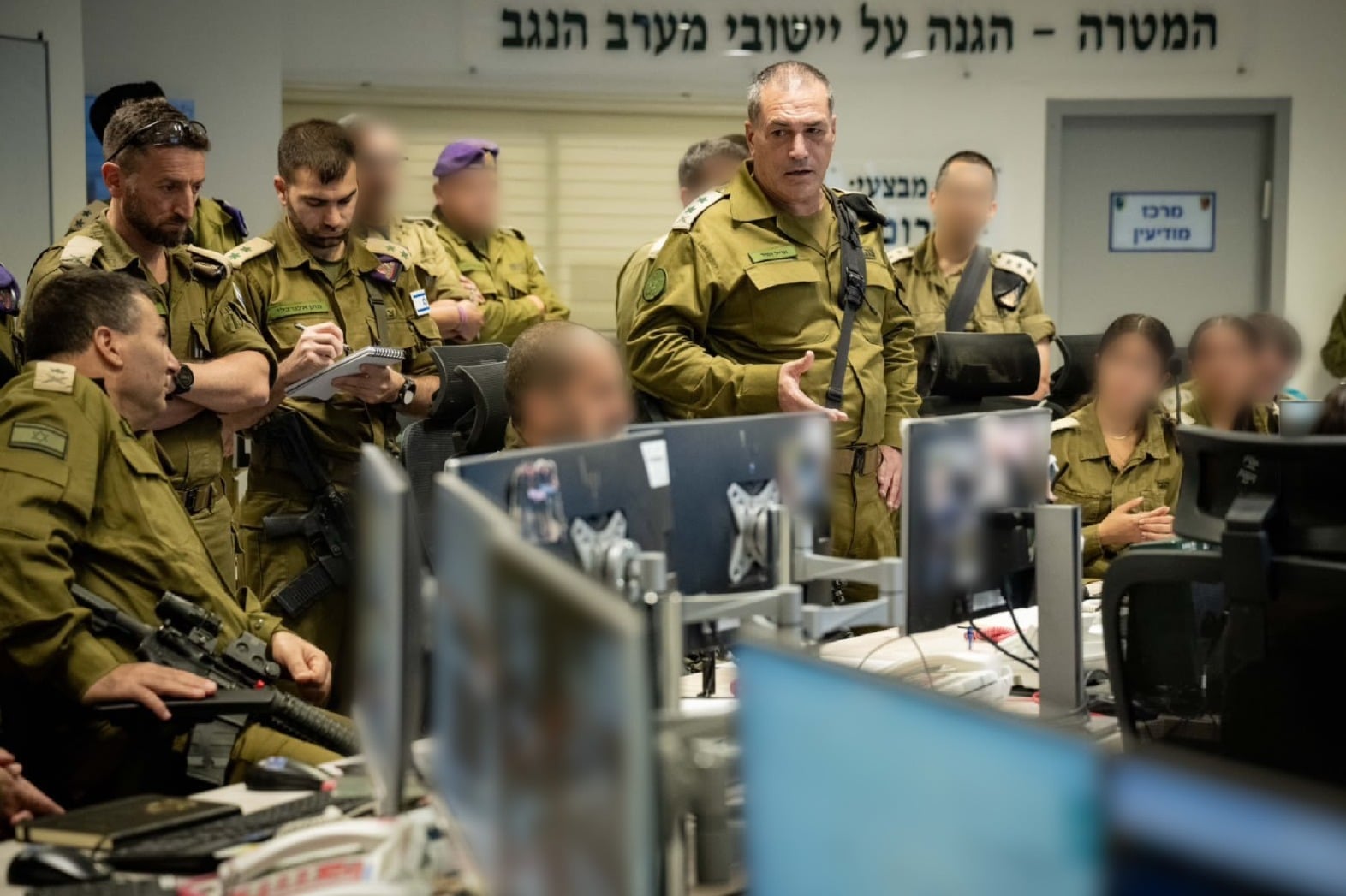
“Over the past week, we have strengthened our defenses and reinforced our troops across all arenas, and we are maintaining a high level of alertness and readiness,” Zamir said during a visit to a military exercise at the Gaza Division.
Voting had already begun for some Israelis abroad. On October 15, polling stations opened at Israeli diplomatic missions overseas, with 101 stations at 99 missions serving around 4,800 eligible voters. Those ballots, like the soldiers’ votes, are handled separately before being included in the final count.
Some 7.33 million Israelis are eligible to vote in the October 27 election, in which 37 parties are competing for the Knesset’s 120 seats. It will be Israel’s first national election since the Hamas-led October 7, 2023, massacre and the multifront war that followed.
The Times of Israel published a poll on October 15 that gave Gadi Eisenkot’s Yashar party 26 seats, six more than Prime Minister Benjamin Netanyahu’s Likud, while projecting 54 seats for the Jewish-led opposition bloc and 49 for Netanyahu’s bloc, with Arab parties taking 13 seats and the nonaligned Reservists party four.
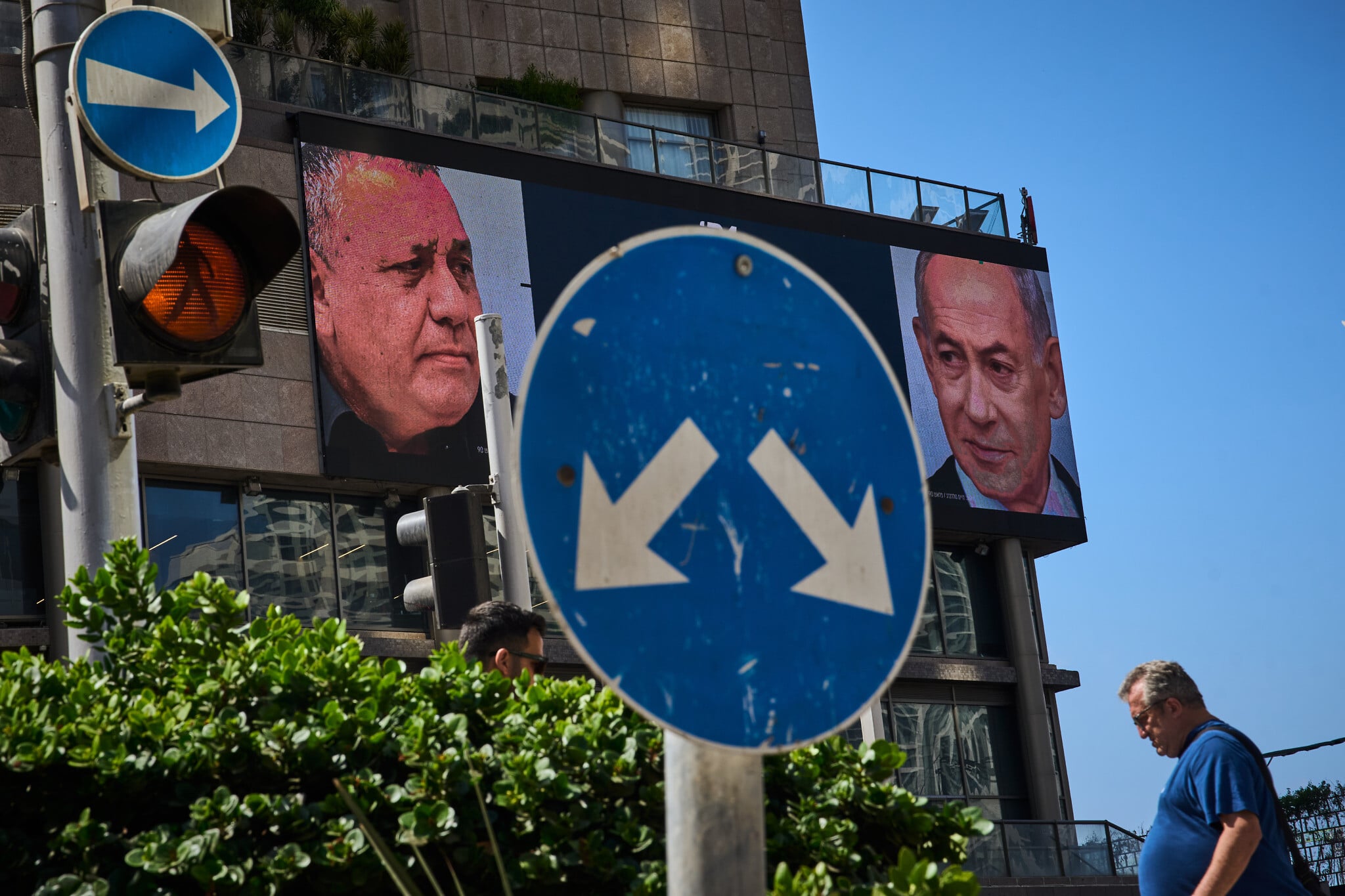
Polling has repeatedly indicated that neither the bloc supporting Netanyahu nor the main opposition camp is assured the 61 seats needed for a parliamentary majority.