Lebanese and Israeli envoys hold ‘positive’ meeting in DC as Aoun arrives in Paris
Meeting comes after planned peace talks in Rome delayed until next month; Lebanese president to discuss ongoing IDF strikes, talks with Israel with Macron during visit
Israeli Ambassador to Washington Yechiel Leiter met with his Lebanese counterpart, Nada Hamadeh Moawad, in Washington on Tuesday night, an Israeli official told The Times of Israel, after a round of peace talks between the two countries was postponed.
The meeting in Washington was a “positive” one, the official said on Wednesday. “They agreed to meet again in October to continue negotiations.”
The meeting at the State Department was a more limited affair than the recent expanded rounds of US-mediated talks, which are next expected to take place in Rome. The expanded talks that had been scheduled for this week were pushed off due to scheduling conflicts, an Israeli official said.
However, the postponement suggested slowing momentum ahead of Israel’s October 27 election. The talks have also been hampered by the Hezbollah terror group’s refusal to comply with the Israeli-Lebanese framework deal reached in June.
The deal said that the Israel Defense Forces will withdraw from areas of south Lebanon it held in parallel with the deployment of the Lebanese army, starting with so-called pilot zones, under the condition that Hezbollah disarms. But the Iran-backed group has refused to do so.
The postponement came after a Lebanese official told The Times of Israel last week that “indiscriminate” IDF strikes in southern Lebanon were undermining Beirut’s efforts to disarm Hezbollah, while Jerusalem argued that the Lebanese Armed Forces are not yet up for the task, an assessment IDF Chief of Staff Lt. Gen. Eyal Zamir echoed on Wednesday.
Israel says its strikes target Hezbollah members and infrastructure, including weapons depots intended for attacks on Israel.
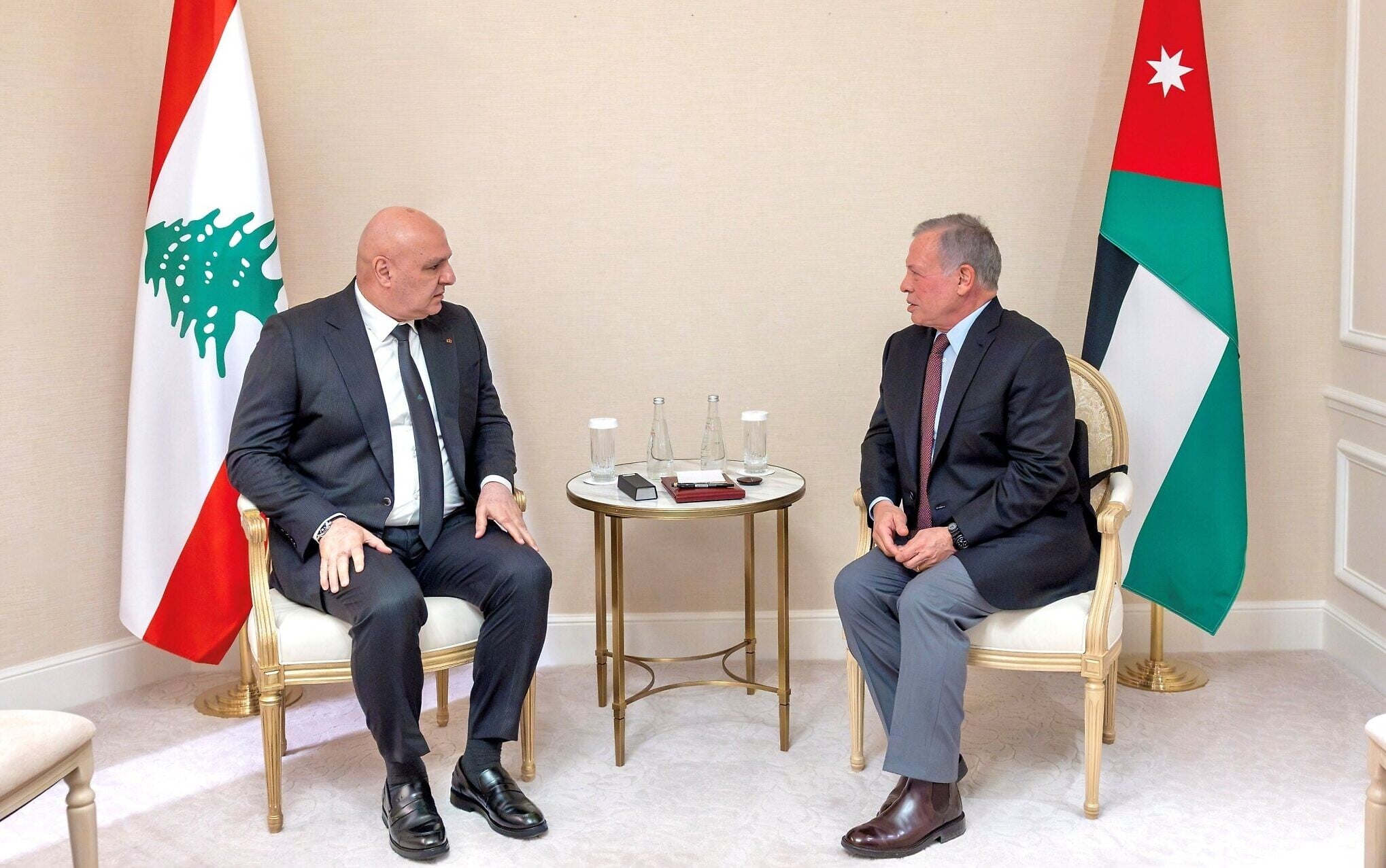
Lebanese President Joseph Aoun, ahead of a trip to France, said on Wednesday that he wants a security agreement with Israel once it withdraws from southern Lebanon “primarily to end the state of hostility and the deployment of the army on the border. This could be a prelude to a later peace agreement, but we cannot jump directly to a peace agreement.”
Upon arriving in Paris ahead of his meeting with French President Emmanuel Macron, Aoun said that he would discuss with his host “ongoing Israeli attacks” in southern Lebanon, the future of UNIFIL, and direct negotiations with Israel.
In Paris, Aoun will attend a meeting with Macron and King Abdullah II of Jordan meant to build international support for Lebanese troops as they deploy further across their country.
Zamir calls on Lebanese army to ‘improve its effectiveness’
Meanwhile, Zamir said on Wednesday the Lebanese army needs to step up its efforts against Hezbollah.
During a visit to the northern border on Wednesday, Zamir told officers that “the IDF is determined to demilitarize the area south of the Litani [River] of Hezbollah’s presence, alongside advancing the ongoing overarching objective of disarming the terror organization.”
“This objective cannot be advanced within a desired agreement with the Lebanese government as long as the Lebanese army does not significantly improve its effectiveness on the ground,” he said, according to remarks published by the IDF.
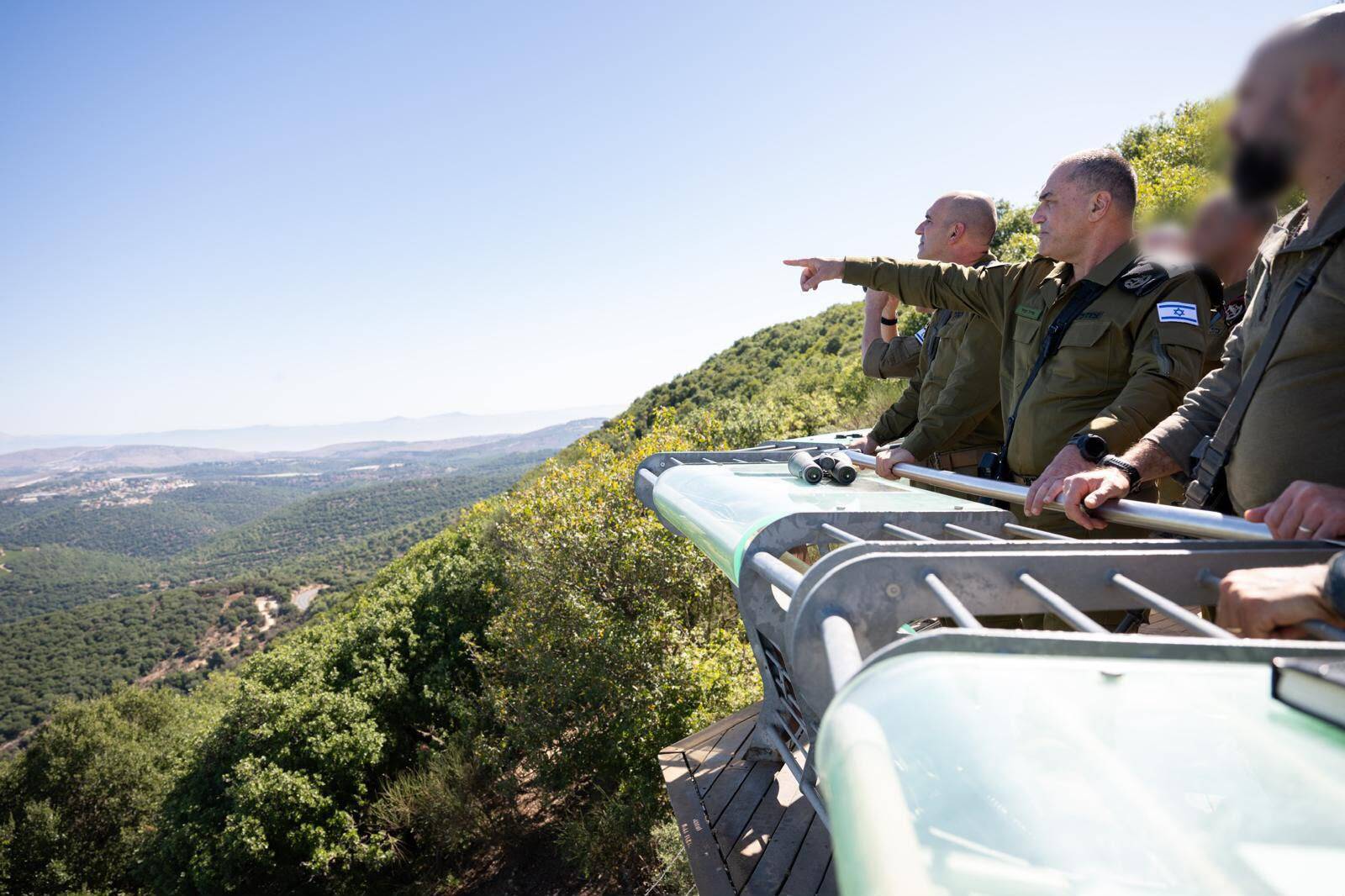
Zamir said the IDF “will not allow Hezbollah to rebuild its strength, restore its capabilities, or reestablish terror infrastructure in the area.”
Jerusalem has generally defended the destruction in parts of southern Lebanon by arguing that Hezbollah has riddled many of the Lebanese villages along Israel’s northern border with tunnels and other terror infrastructure.
But comments from Defense Minister Israel Katz boasting about destroying dozens of villages, and pledging to remain in the buffer zone held by Israel in southern Lebanon indefinitely, have given additional ammunition to critics of the Lebanese government’s engagement with Israel, who claim that Jerusalem has territorial ambitions in the country. Israel has denied wanting to annex parts of Lebanon.
US envoy visits Lebanese-controlled pilot zone
Additionally, the US ambassador to Lebanon visited the country’s south on Tuesday, his embassy said, where he went to a village that recently came under the control of the Lebanese army as part of the pilot zones.
An AFP correspondent saw a convoy carrying the US envoy, Michel Issa, entering the village of Zawtar al-Gharbiya, where he visited a church, according to Lebanon’s official National News Agency.
U.S. Ambassador Michel Issa visited southern Lebanon today to assess conditions on the ground and see firsthand the progress and challenges in the pilot zones.
The United States remains committed to supporting the Government of Lebanon and the Lebanese Armed Forces in… pic.twitter.com/0u4u6Vjfha— U.S. Embassy Beirut (@usembassybeirut) September 15, 2026
The US embassy said that Issa “visited southern Lebanon today to assess conditions on the ground and see firsthand the progress and challenges in the pilot zones.”
It quoted him saying that his visit to the south allowed him “to witness firsthand the challenges facing its communities.”
“I deeply sympathize with residents who have endured displacement and uncertainty, and I understand their urgent desire to return home and rebuild their lives in safety and dignity,” he said.
The NNA said an Israeli drone surveyed the area during the visit and reported Israeli military vehicle movements in the neighboring town.
Hezbollah again drew Lebanon into the broader Middle East conflict in March by launching rockets and drones at Israel in support of its sponsor Iran, which had come under attack by a US-Israeli air campaign days earlier. Israel responded to the Hezbollah attacks with a heavy air campaign and ground invasion.
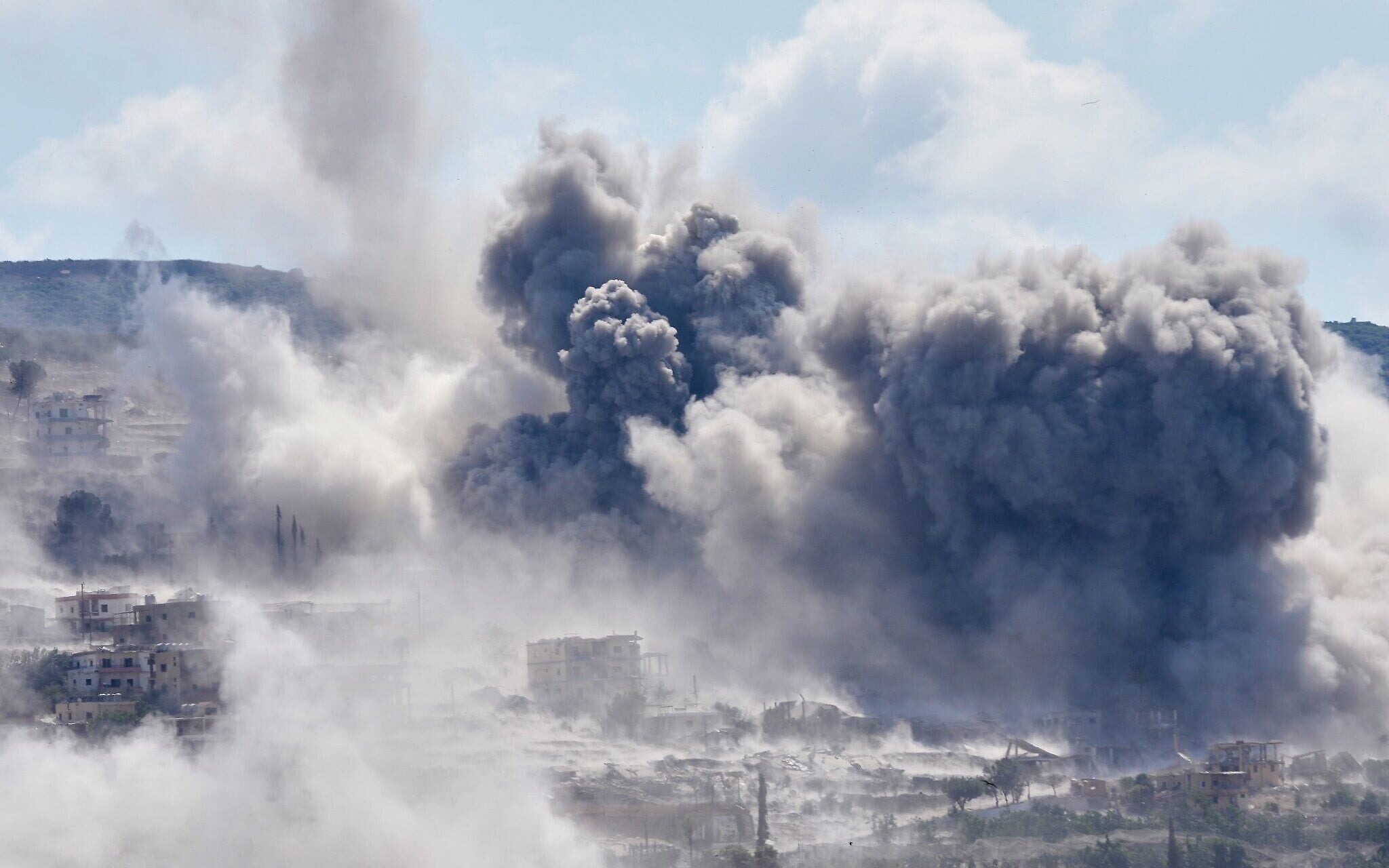
Fighting has persisted despite a ceasefire declared in Lebanon in April, but at a reduced rate. Israeli forces continue to operate inside a buffer zone that runs around 10 kilometers (six miles) deep inside Lebanese territory along the border.
Israel pulled forces out of three pilot zones into which the Lebanese army entered, but has said it will not carry out any further withdrawals before Hezbollah is disarmed.
On Thursday, the IDF said it had demolished a “strategic” underground facility belonging to Hezbollah beneath a mountainous ridge in southern Lebanon.
The Ali Taher Ridge is located within Israel’s buffer zone, near Nabatieh. According to the IDF, the tunnel systems under Ali Taher served as the “nerve center” of the terror group’s Badr regional division — a unit tasked with the area of southern Lebanon that is north of the Litani River.