Mossad researchers see no urgency for Iran strike as chief pushes military action – report
Gofman said to withhold dissenting assessment from security forums; IDF chief Zamir reportedly argues there is no immediate need to attack and the IDF is monitoring threats
Researchers within the Mossad have assessed in recent discussions that there is no immediate need for military action against Iran, even as Mossad chief Roman Gofman, Prime Minister Benjamin Netanyahu’s former military secretary, has been advocating for renewed strikes on the Islamic Republic, Haaretz reported Monday.
The reported disagreement inside the spy agency comes amid a broader divide within Israel’s political and security establishment over whether Iran currently poses a threat requiring immediate military action.
Israel Defense Forces Chief of Staff Lt. Gen. Eyal Zamir also said that there is no urgency to strike, according to Hebrew-language reports, along with Yashar leader Gadi Eisenkot, who said earlier Monday that Israel should focus for now on Iran’s remaining stockpile of some 440 kilograms of enriched uranium, rather than rush into another attack.
Netanyahu responded by accusing his political rivals of “minimizing” the threats facing Israel for political reasons, describing those threats as immediate and severe.
Despite the internal assessments indicating that there was no urgent need for an immediate strike, Gofman has been advocating renewed military action, according to Haaretz. The report said that he has not relayed the researchers’ position in security cabinet discussions or other Israeli forums.
Gofman’s reported push for renewed military action follows a visit to Washington last week in which he advocated joint US-Israeli strikes on Iran in meetings with senior Trump administration officials, including CIA Director John Ratcliffe. He also briefed officials on Israeli intelligence concerning Iran, including its nuclear program.
The report said that the head of the Mossad intelligence directorate, who was appointed by Gofman, supports the agency chief’s position, rather than that of the researchers. The report said the dissenting assessment was produced by researchers in an independent unit under the intelligence directorate.
In response, the Mossad told Haaretz that its internal deliberations allow competing professional assessments to be aired, while declining to address specific matters discussed in those forums.
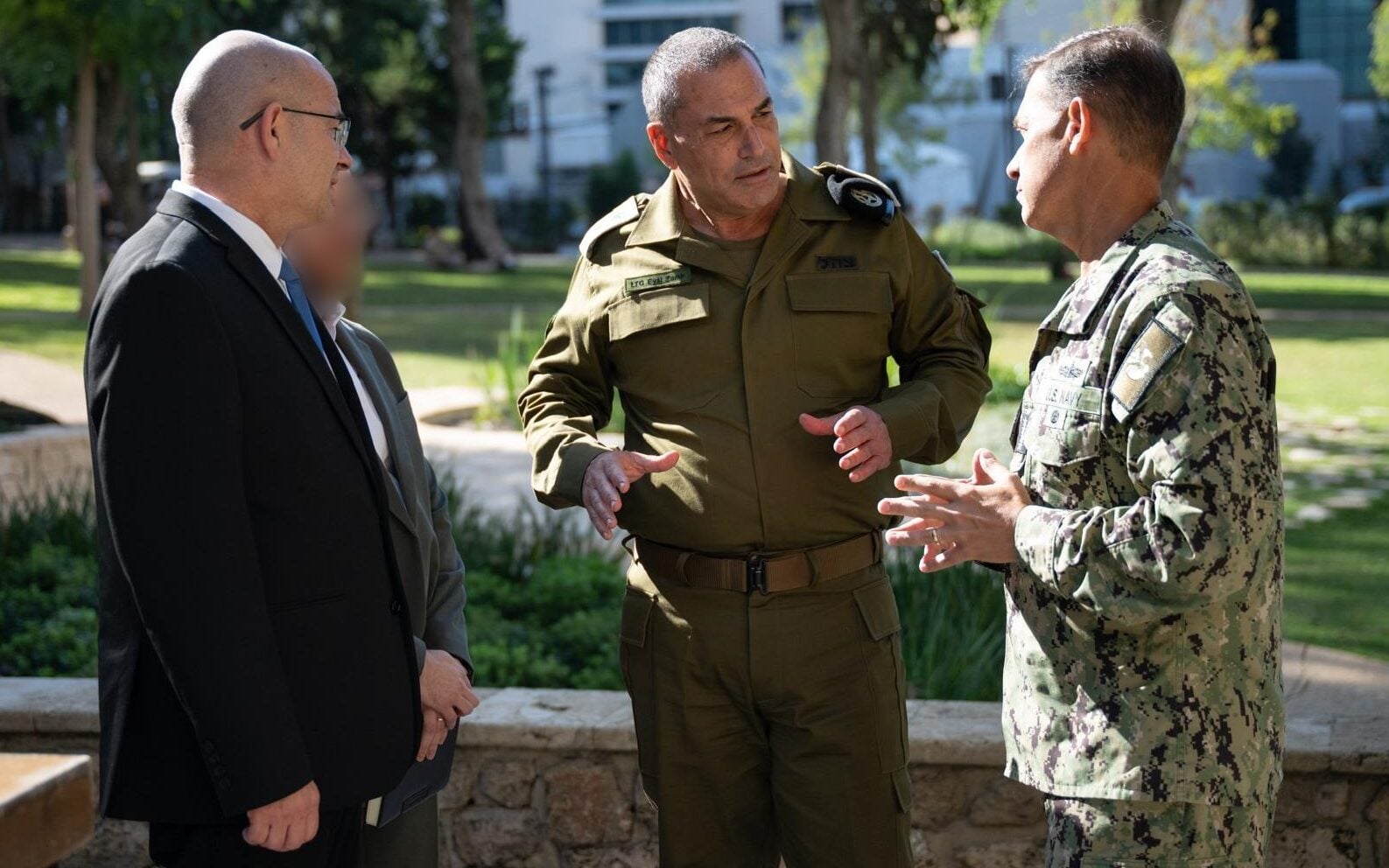
Against that backdrop, Zamir spent some two and a half hours meeting Monday with Brig. Gen. Ofir Mizrahi Rosen, head of the IDF Military Intelligence Directorate’s Research Division, and said there was “no urgent need to attack Iran now,” according to Channel 13. Zamir stressed that the IDF was continuing to monitor threats posed by Tehran’s surface-to-surface missiles, nuclear program, and pursuit of unconventional weapons.
Israel earlier this month reportedly shared intelligence with the United States and Gulf countries that Iran is considering using chemical weapons against them.
Zamir also said it was in Israel’s interest to coordinate with the US and that Israel could for now wait for Washington, the report said. He additionally argued that Israel would be better positioned to make decisions on Iran after a government was formed and political stability restored.
The Kan public broadcaster reported that security officials have raised another option: maintaining the current situation and continuing economic pressure on Tehran instead of launching additional strikes. According to the report, some officials believe sustained sanctions could ultimately prove more effective in collapsing the Iranian regime.
The reported split within the Mossad follows earlier indications of disagreement between Gofman and Zamir over Iran. The Washington Post reported last week that Netanyahu had asked Gofman before the October 27 election to prepare a covert operation against Iran without informing the cabinet or the IDF chief, and that Zamir pushed back after learning of the plan. An Israeli security official denied that an operation had been prepared without the military’s knowledge.