

Netanyahu said to have asked Mossad chief to plan covert Iran op — without telling IDF
Washington Post reports PM sought secret Iran mission despite military’s opposition; Eisenkot warns against action during government transition as US weighs new strikes
 Add ToI as a Preferred Source on Google
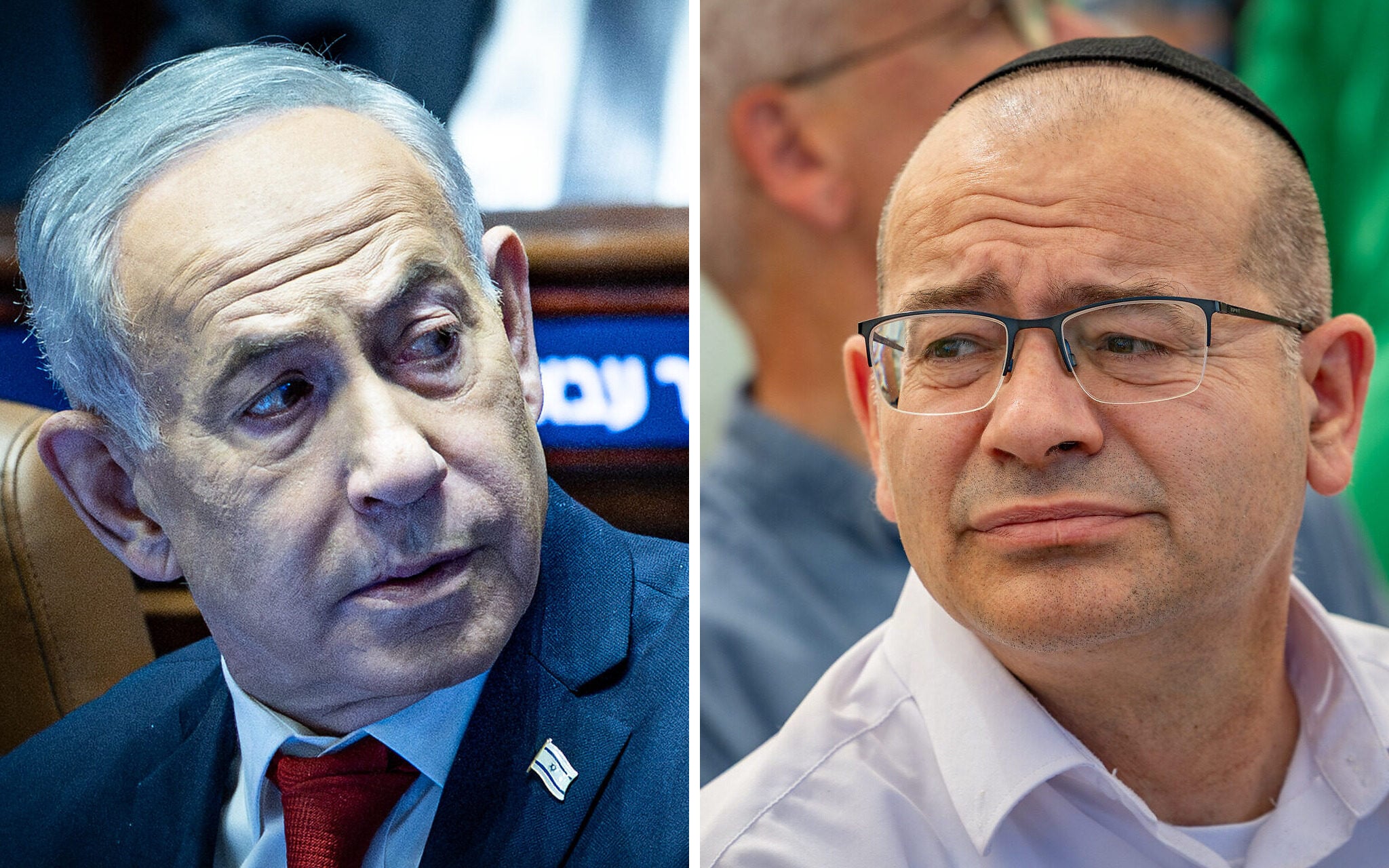
Before the October 27 election, Prime Minister Benjamin Netanyahu asked Mossad chief Roman Gofman to prepare a covert operation against Iran without telling his cabinet or the head of the Israel Defense Forces, the Washington Post reported Thursday, citing four unnamed sources with knowledge of the matter.
The report comes amid ongoing concerns by leaders of the anti-Netanyahu bloc in the Knesset that Netanyahu, now caretaker prime minister, could order a military operation to improve his chances of remaining in office, as the so-called change bloc’s efforts to form a new government continue.
Earlier this month, Channel 12 reported that Gofman and Netanyahu had planned an operation against Iran prior to the October 27 election, and against the recommendation of other security chiefs, but that it was shelved after the US was accidentally tipped off about it.
The Post said IDF Chief of Staff Lt. Gen. Eyal Zamir found out about the Mossad plan before it could be put into action. It did not have details on what type of action the spy agency may have been planning.
The sources told the paper that Zamir pushed back on Netanyahu’s plans for a potential attack on Iran ahead of Israel’s October 27 election, concerned, along with other defense officials, that another military operation could trigger an escalation and derail the vote. Hebrew media outlets had made similar reports just before the election.
An Israeli security official responded to the paper, denying that a plan was prepared without the IDF’s knowledge and calling the claim “false.”
Gofman, formerly Netanyahu’s military secretary, visited Washington, DC, last week, when he reportedly lobbied White House officials for joint US-Israeli strikes on Iran.
Eisenkot warns against dangerous moves
Following the election, Gadi Eisenkot, a former IDF chief and now head of the Yashar party, currently holds the mandate to form a government by December 20.
In the new Knesset, parties that endorsed Eisenkot for prime minister hold 67 of 120 seats, including 48 won by Yashar and its allies in the Zionist anti-Netanyahu bloc and 19 held by the Arab-led Ra’am and Joint List parties. Parties in Netanyahu’s coalition won 53 seats. A majority in the Knesset requires 61 seats.
But Eisenkot has no easy path toward forming a government, with many of his partners loath to ally with the Arab parties.
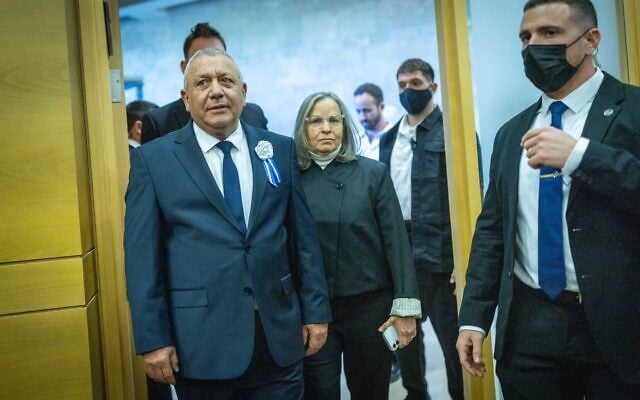
Eisenkot has rejected joining a government led by Netanyahu, although some Netanyahu supporters believe renewed hostilities with Iran could pressure him to enter a unity government.
Opposition leaders have expressed concern that Netanyahu could seek to escalate the conflict with Iran during the political transition to improve his chances of remaining in power.
In a letter dated November 11 to Netanyahu, which Eisenkot shared via social media, he warned: “Deploying the security forces without a direct and immediate threat that cannot wait could have devastating consequences for Israeli democracy and public trust in the institutions of government.
“I demand that you act with national responsibility during this sensitive period. Show restraint and caution, and refrain from dangerous moves that can wait until a new government with the Knesset’s confidence is sworn in. Do not undermine the public’s trust in government institutions and the decision-making process.”
He also said Netanyahu must support the heads of Israel’s security agencies when they face difficult decisions.
Netanyahu pushed back, saying that all government decisions were based only on security considerations and made in coordination with top security agencies.
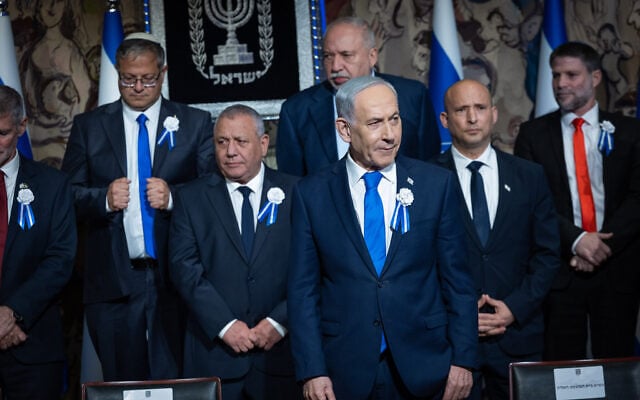
Last Wednesday, Eisenkot urged Attorney General Gali Baharav-Miara to intervene to enable him to receive regular security briefings from Netanyahu. Eisenkot argued that he should be given “regular, structured and comprehensive” briefings and access to intelligence assessments because there is currently no opposition leader under the law and because President Isaac Herzog had tasked him with forming a government.
The next day, on November 12, Eisenkot received a security briefing from Netanyahu. After the meeting, Eisenkot said the caretaker government required “strict supervision” to prevent attempts to “reap a political dividend” from Israel’s security situation.
Channel 12 has reported that Zamir remains opposed to an immediate strike on Iran, while Netanyahu, Gofman, Shin Bet chief David Zini, National Security Council chair Shmuel Ben Ezra and Israeli Ambassador to the US Yechiel Leiter favor one.
Renewed war
The Mossad chief met Trump administration officials, including CIA Director John Ratcliffe, and briefed them on Israeli intelligence concerning Iran, Reuters reported Wednesday, citing two people briefed on Gofman’s Washington visit.
Gofman also traveled to Miami to meet Trump’s special envoy Steve Witkoff.
Former minister Ron Dermer, a close Netanyahu confidant, was also in the US advocating for a joint attack in meetings with Trump administration officials, the two people told Reuters.
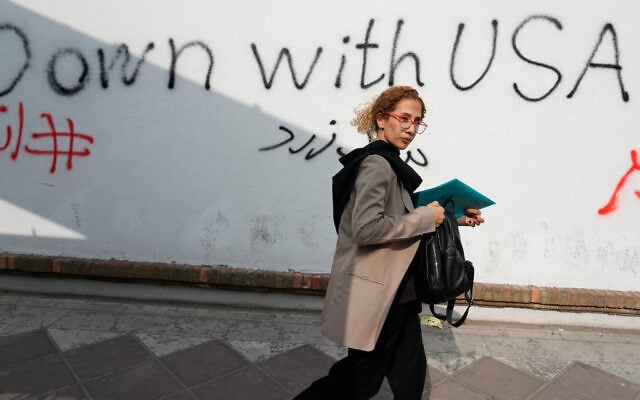
Meanwhile, government and security officials from Persian Gulf countries, Pakistan and Turkey have worked to prevent renewed war with Iran, including through calls with senior US officials, according to the Associated Press.
A White House official told Reuters that Trump believed Washington’s economic pressure campaign was so “devastating” to Iran that there was no need for “major combat operations.”
Trump was reportedly considering another major offensive against Iran, while Netanyahu was pushing Washington to join Israel in a four- to seven-day campaign of airstrikes. Gofman presented Trump officials with intelligence suggesting that Iran is advancing a chemical weapons program, The New York Times and Axios reported early Thursday.
Separately, Channel 13 reported Thursday that Netanyahu told a security meeting Wednesday evening that an operation against Iran was “unavoidable.”
A senior IDF officer told the network that “there are shared and approved plans between the IDF and CENTCOM. The question is the timing,” referring to the US Central Command.
The two people briefed on Gofman’s Washington visit told Reuters that Israel’s military assessed Iran did not pose an imminent threat requiring immediate military action.
Former IDF operations directorate chief Israel Ziv criticized Netanyahu’s approach, telling The Washington Post that further attacks could make a negotiated settlement more difficult.
“He is trying to copy the model of Gaza, which means new rounds of strikes in six months, in a year, and imagining the regime in Iran would eventually fall,” Ziv said.
“This is totally disconnected from any military strategy. Another attack will add to the humiliation, and the more they are humiliated, the lower the chance of bringing them into an agreement,” he added.






The Times of Israel Community.