

Israel steps up strikes on Hamas commanders as terror group tries to rebuild ranks
IDF claims attacks on nearly 40 high-level operatives since September, along with assassinations of over 40 terrorists involved in October 7 atrocities, as it presses campaigns amid stalled progress on US-backed Gaza ceasefire

 Add ToI as a Preferred Source on Google
Emanuel (Mannie) Fabian is The Times of Israel's military correspondent
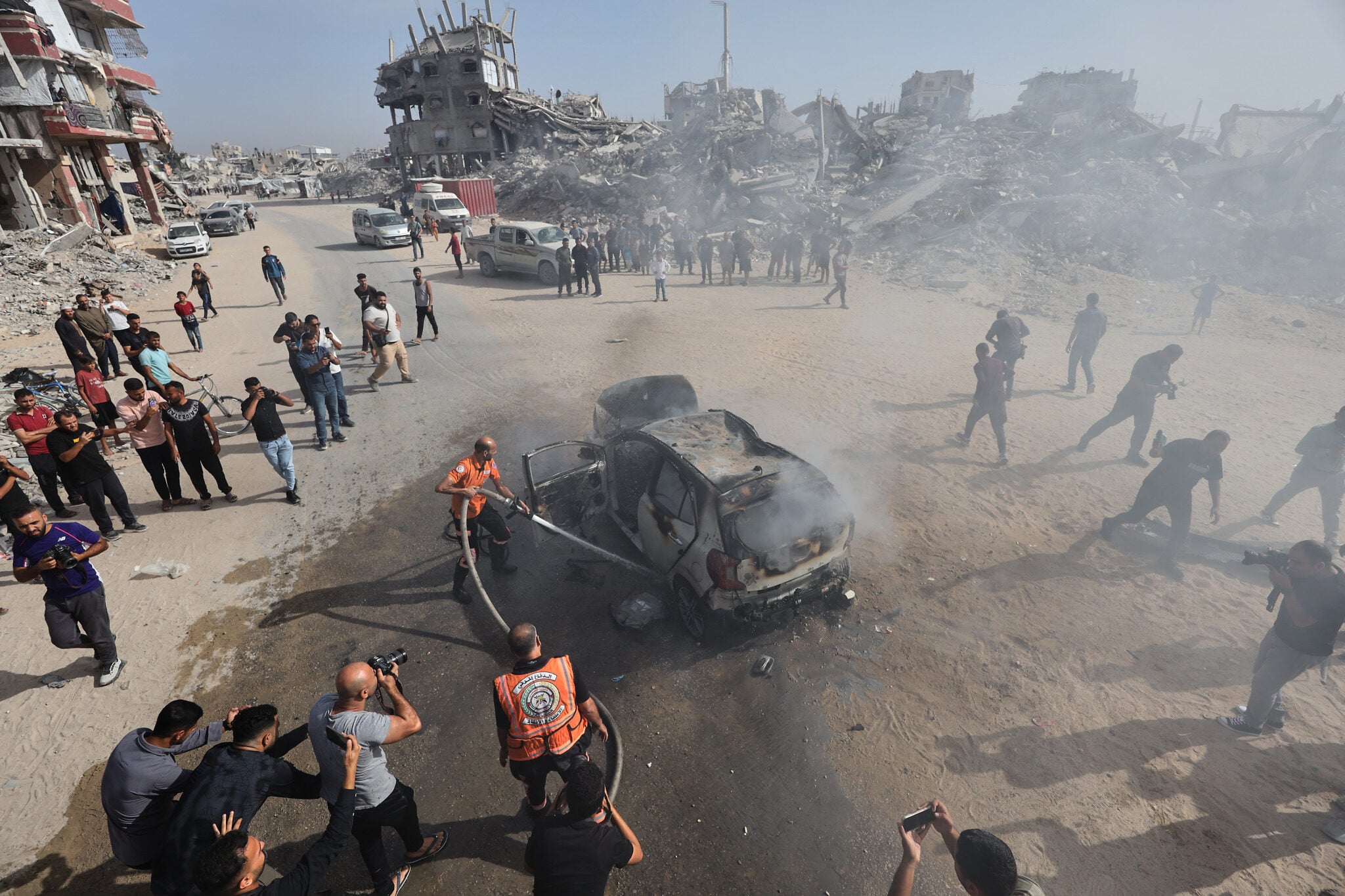
Samir Abu Younis was walking down a street in the southern Gaza Strip city of Khan Younis late Saturday, a mere two months after taking command of Hamas’s exiled Rafah Brigade, when an Israeli drone-fired missile struck the ground beside him.
The strike killed Abu Younis, according to both Hamas and the Israel Defense Forces. Palestinian media reported that two other people nearby were injured.
His killing was among the latest in a series of increasingly frequent Israeli strikes targeting terror operatives in the Gaza Strip over the past year, many of them participants in the Hamas-led onslaught of October 7, 2023. The assassinations have continued despite an October 2025 US-backed ceasefire that halted major fighting in the war-torn territory.
Implementation of US President Donald Trump’s peace plan for Gaza has, however, stalled, with Hamas refusing to disarm and Israel refusing to withdraw from any part of the Strip until that condition is met.
The IDF says Hamas has attempted to use the ceasefire to restore its capacity to threaten Israel and carry out another large-scale attack.
According to the military, many of the strikes in recent months have targeted Hamas operatives and commanders involved in rebuilding the terror group’s forces, as well as secret headquarters and mechanisms through which Hamas maintains civil control over the Strip.
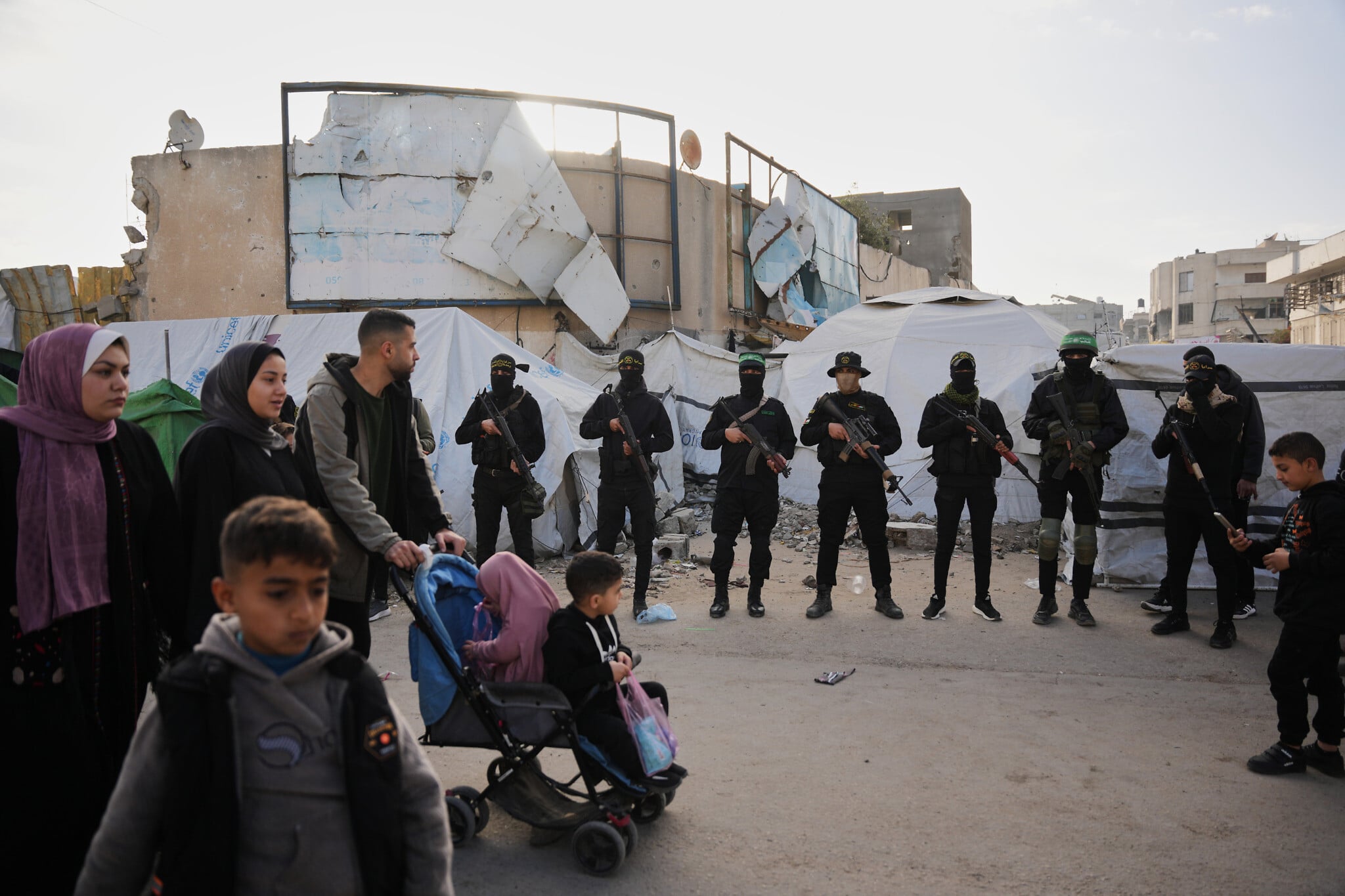
The Times of Israel analyzed hundreds of incidents of strikes in Gaza during the ceasefire, on a month-by-month basis, with a rise seen in recent months. It found that in September, the army said it killed 19 terrorists who participated in October 7 atrocities or held hostages during the war, along with 14 top commanders — including three brigade commanders — among over 70 operatives it claimed to have successfully targeted over the month. In April, by comparison, the army said it killed eight terror commanders and key operatives, along with eight people who participated in October 7 atrocities or held hostages, among a total of 58 targeted operatives.
The IDF said Abu Younis had been directing attacks and working to “restore the force buildup of the brigade” and the terror group.
Hamas identified him as “one of the key commanders involved in planning and overseeing the October 7 attack.”
Under the terms of the ceasefire agreement, Israel is permitted to take military action against operatives posing a threat to troops or readying an attack on Israel. Attacks aimed at exacting revenge on October 7 perpetrators, however, are prohibited.
While Hamas has demonstrated an ability to replenish its ranks and replace eliminated commanders, that does not necessarily mean it has restored its prewar military capabilities, with the IDF assessing that its thousands of new recruits are poorly trained and significantly less experienced, according to the military.
The IDF says that it believes Hamas no longer possesses the military and governing capabilities it had before October 7, but has also warned that the terror group “continues attempts to rebuild and rearm.”
In Rafah, for example, where the IDF has remained in control for nearly two years, Hamas continues to appoint commanders to lead its regional brigade, even as the group operates from the nearby city of Khan Younis, according to the army. Abu Younis and his two predecessors were all killed in Khan Younis.
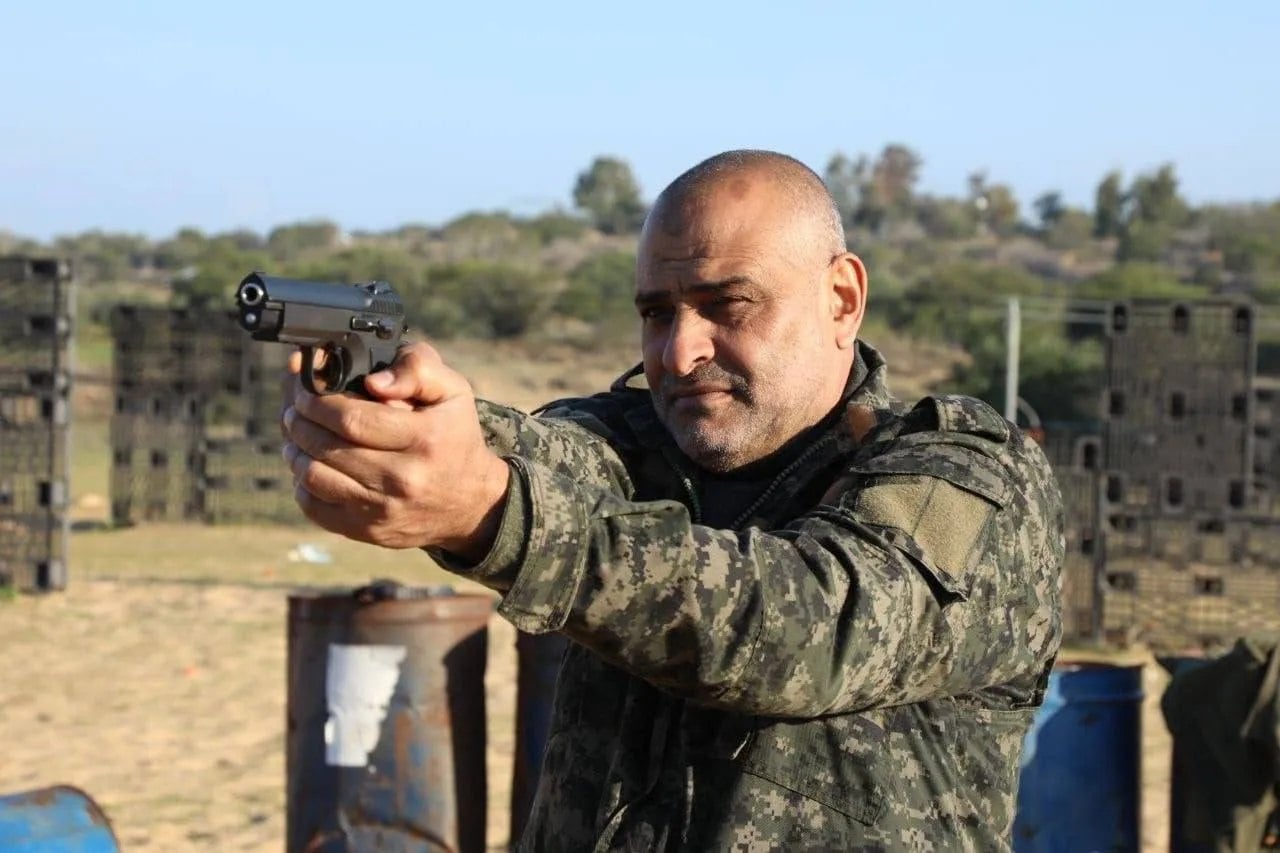
According to both the IDF and Hamas, Abu Younis took command of the Rafah Brigade after Israel killed his predecessor, Nael Abu Obeid, on September 15, also in the Khan Younis area.
Abu Obeid was the second Rafah Brigade commander to be killed during the war, following the death of his predecessor, Muhammad Shabana, on May 13, 2025. Shabana was killed in a strike on a hospital in Khan Younis that also killed Hamas leader Mohammad Sinwar.
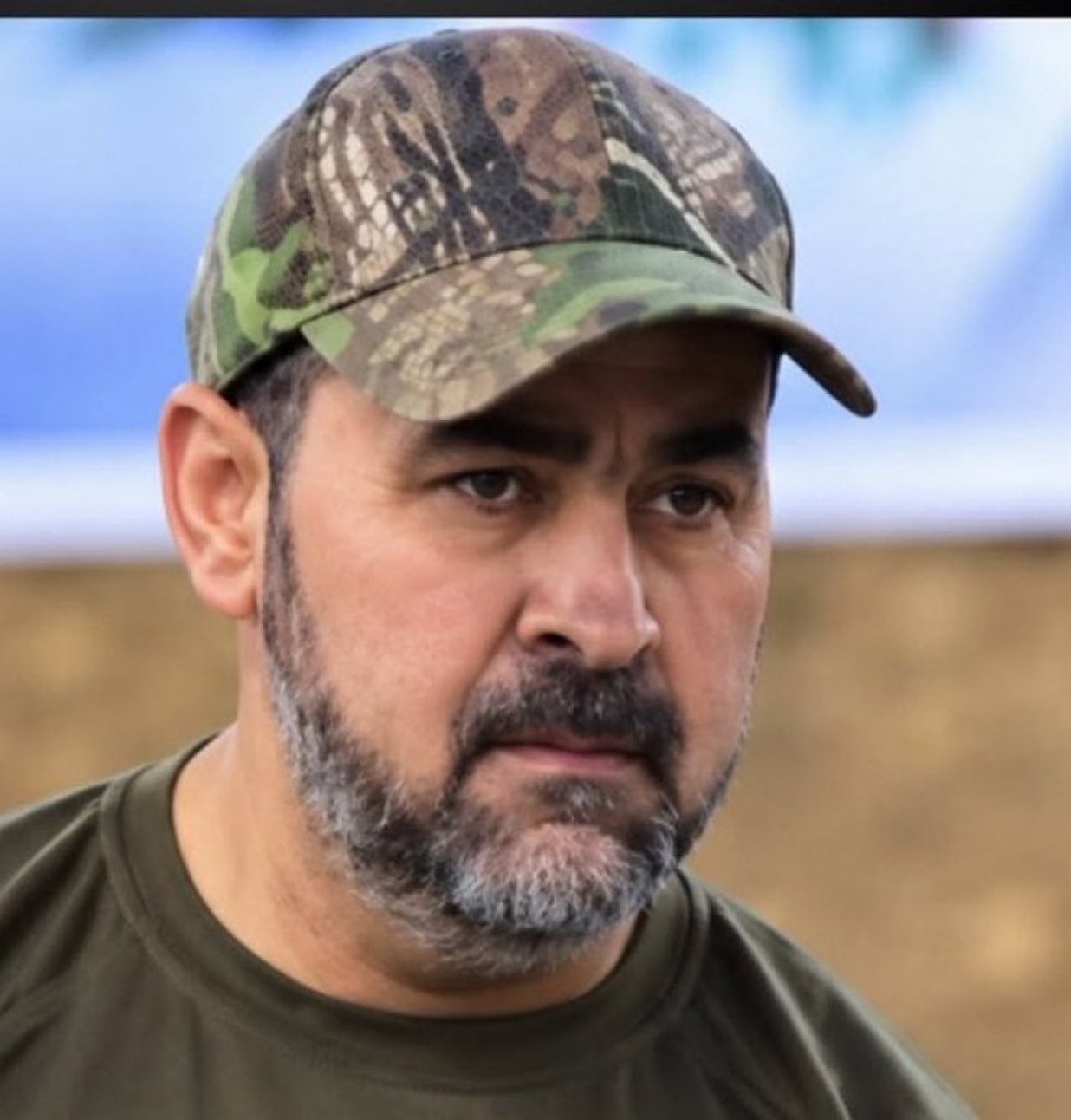
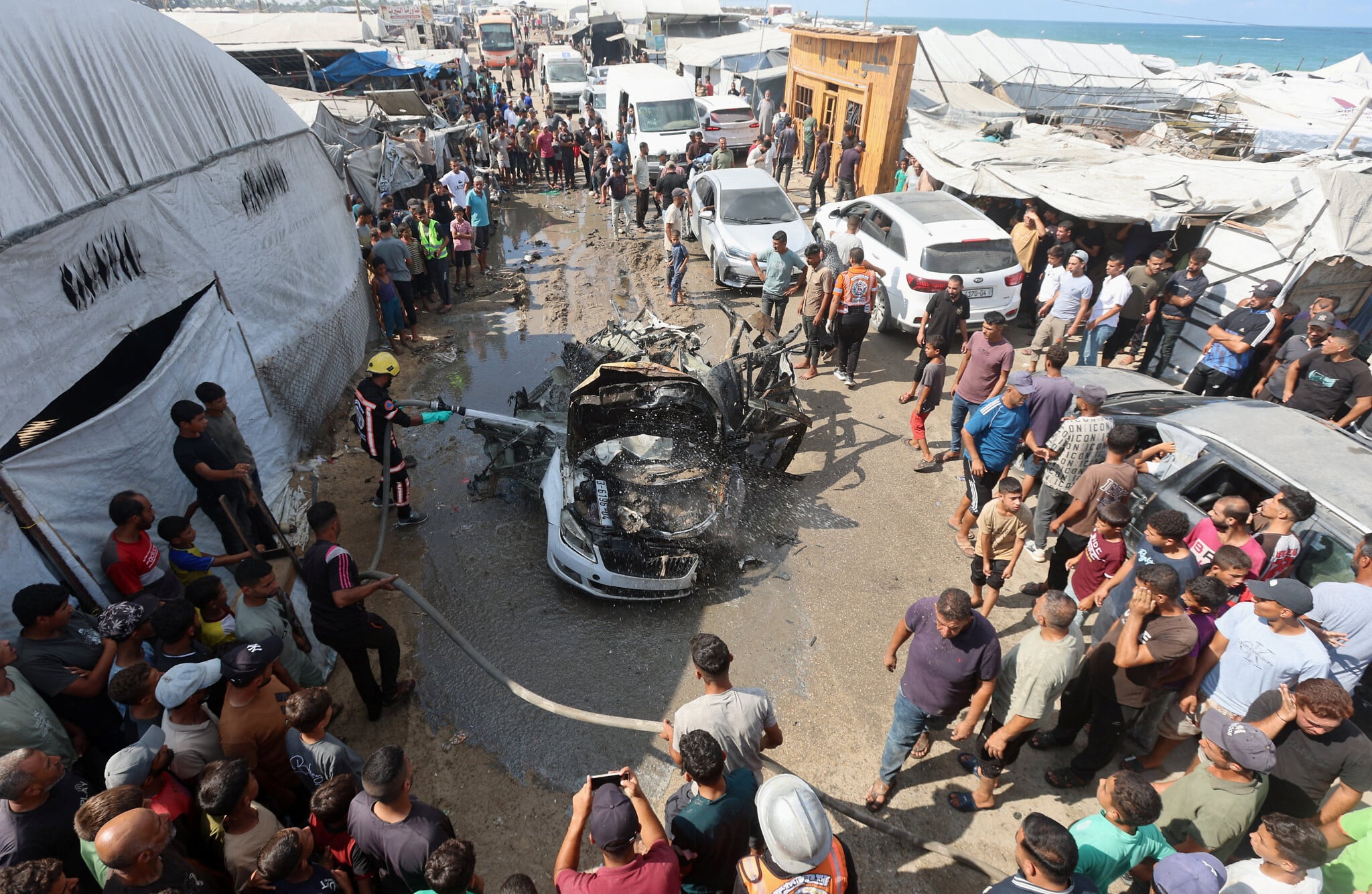
Abu Younis’s killing came days after the IDF said it struck the Nasser Hospital complex in Khan Younis, targeting Muhammad Abu Ismail, the latest commander of Hamas’s Khan Younis Brigade.
Neither the IDF nor Hamas has confirmed that Abu Ismail was killed in the strike. The military said that the strike killed at least three other Hamas operatives, including an October 7 terrorist.
Abu Ismail took command of the Khan Younis Brigade after the killing of his predecessor, Muhammad al-Yazouri, in September. The previous brigade chief, Rafa’a Salameh, was killed alongside Hamas military wing chief Muhammad Deif in July 2024, the IDF and Hamas both said.
Also in September, an Israeli strike in Gaza City killed the latest commander of Hamas’s Northern Gaza Brigade, Izz al-Din al-Bik, according to the Israeli military and Hamas.
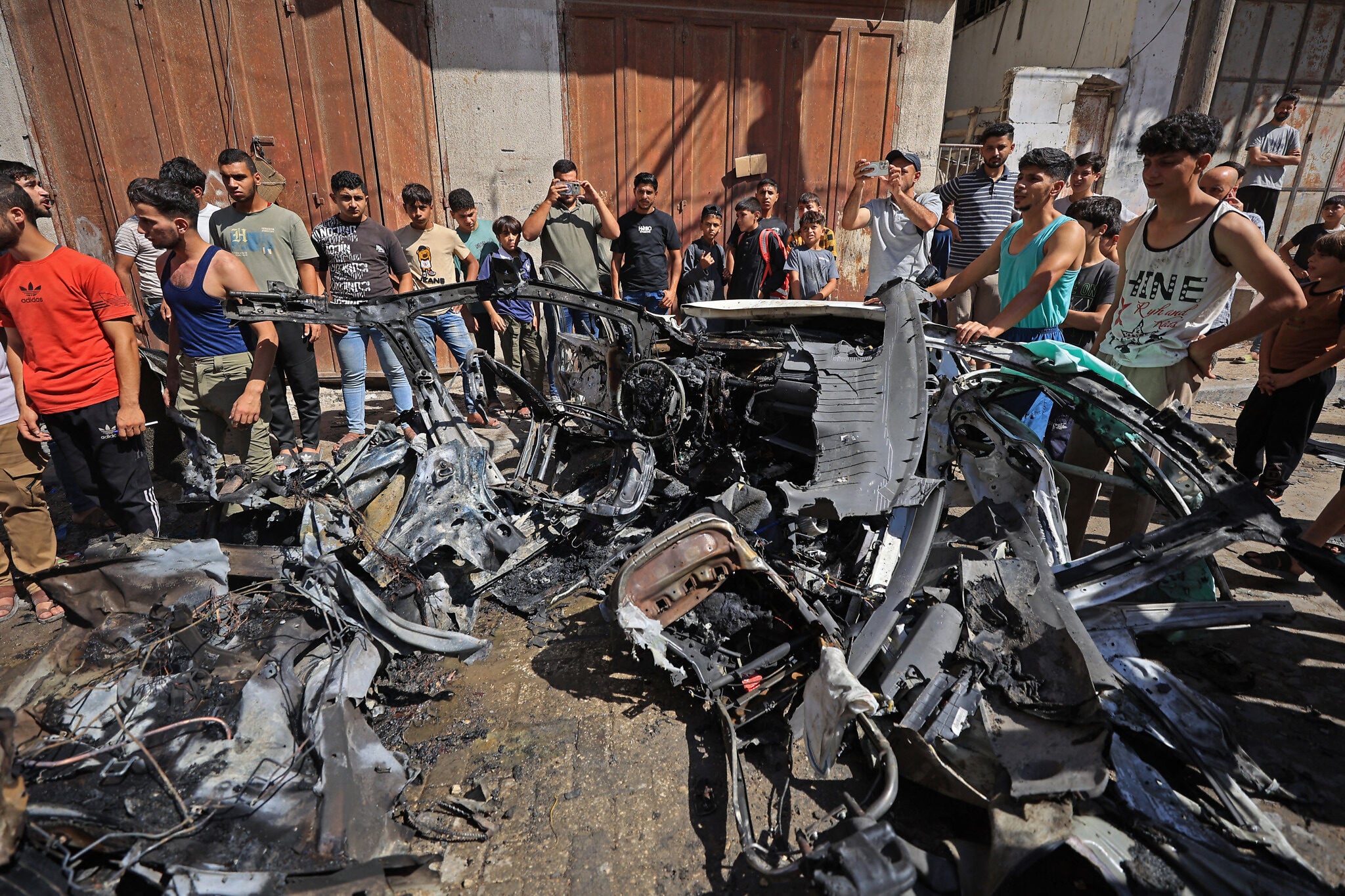
According to assessments by the IDF, Hamas has likely already appointed replacements for all of the top commanders eliminated in recent months, highlighting the limits of the Israeli campaign.
Over three dozen alleged Oct. 7 perpetrators killed in three months
Alongside efforts to prevent Hamas from rebuilding its military capabilities, Israel has continued to hunt down those responsible for the October 7 onslaught, including terrorists who participated in the attack and senior commanders involved in planning it.
After stepping up its campaign earlier this year, the IDF and Shin Bet have pushed ahead with the large-scale retribution campaign, killing over three dozen alleged perpetrators in the last three months alone. Despite technically having agreed to a ceasefire with Hamas, Israel appears to have justified the strikes by portraying them as defensive measures against terrorists who posed a threat to troops rather than revenge.
As reported in July by The Times of Israel, the IDF and Shin Bet have devoted significant time and resources to finding and killing the terrorists who participated in the October 7 atrocities, in which some 1,200 people were killed in southern Israel and 251 taken hostage.
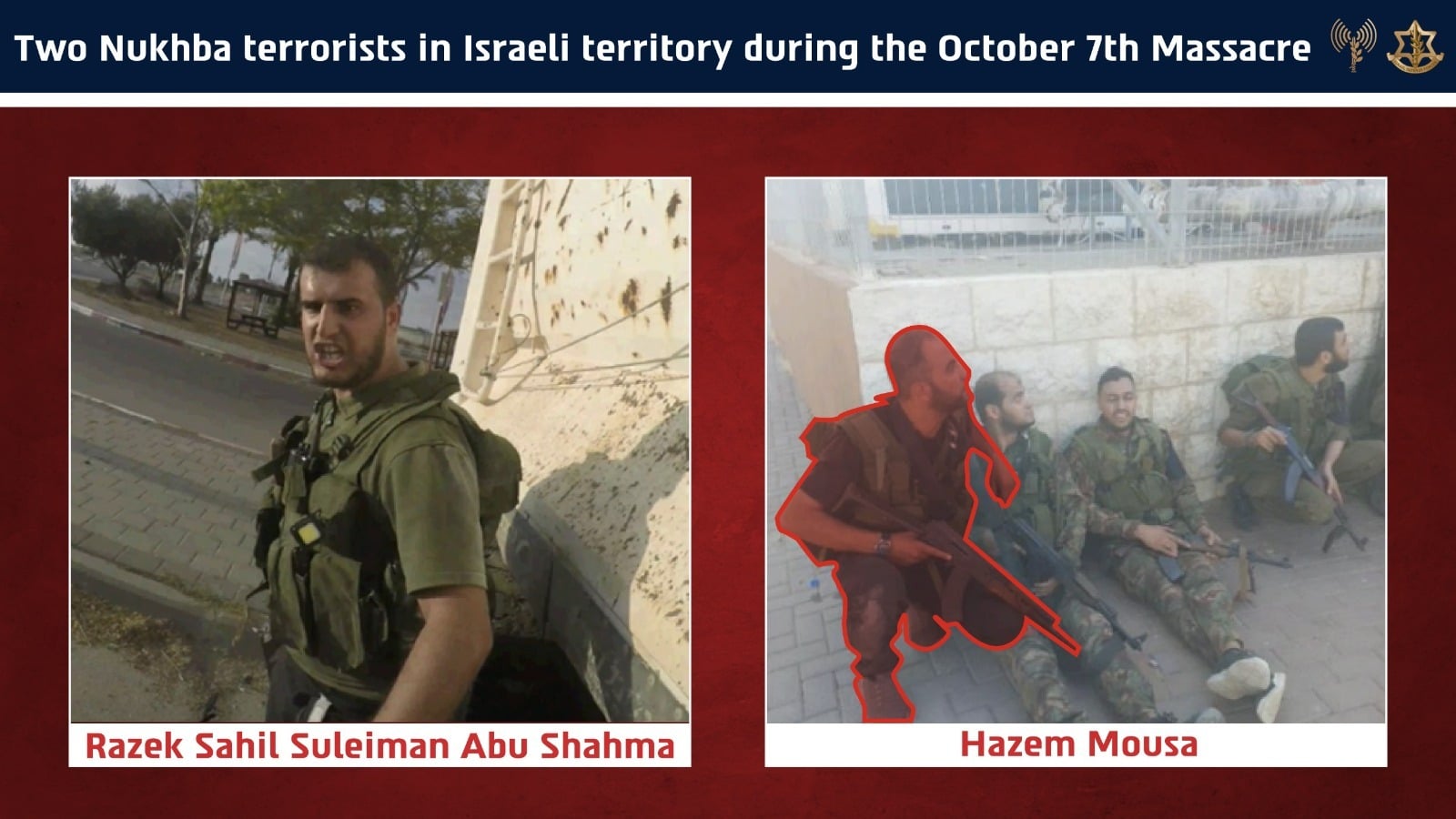
In September, the military said it killed 70 terror operatives in the Gaza Strip, including three Hamas brigade commanders, two battalion commanders and nine company commanders. The dead included 19 terrorists who participated in the October 7, 2023, onslaught, kidnapped hostages or held hostages in captivity, according to the IDF.
During October, a Times of Israel count found that Israeli strikes in Gaza killed at least 79 members of terror groups, according to IDF statements, including at least 17 who participated in the October 7 onslaught or held hostages in the Strip during the war.
During the first 18 days of November, the military announced the killings of 23 terror operatives, including five who participated in the October 7 onslaught or held hostages and nine commanders, according to a Times of Israel count.
Officers of a special joint IDF-Shin Bet unit, dubbed “Nili,” have painstakingly worked over the last three years to identify, find, and eliminate the thousands of Gazans involved in the atrocities.
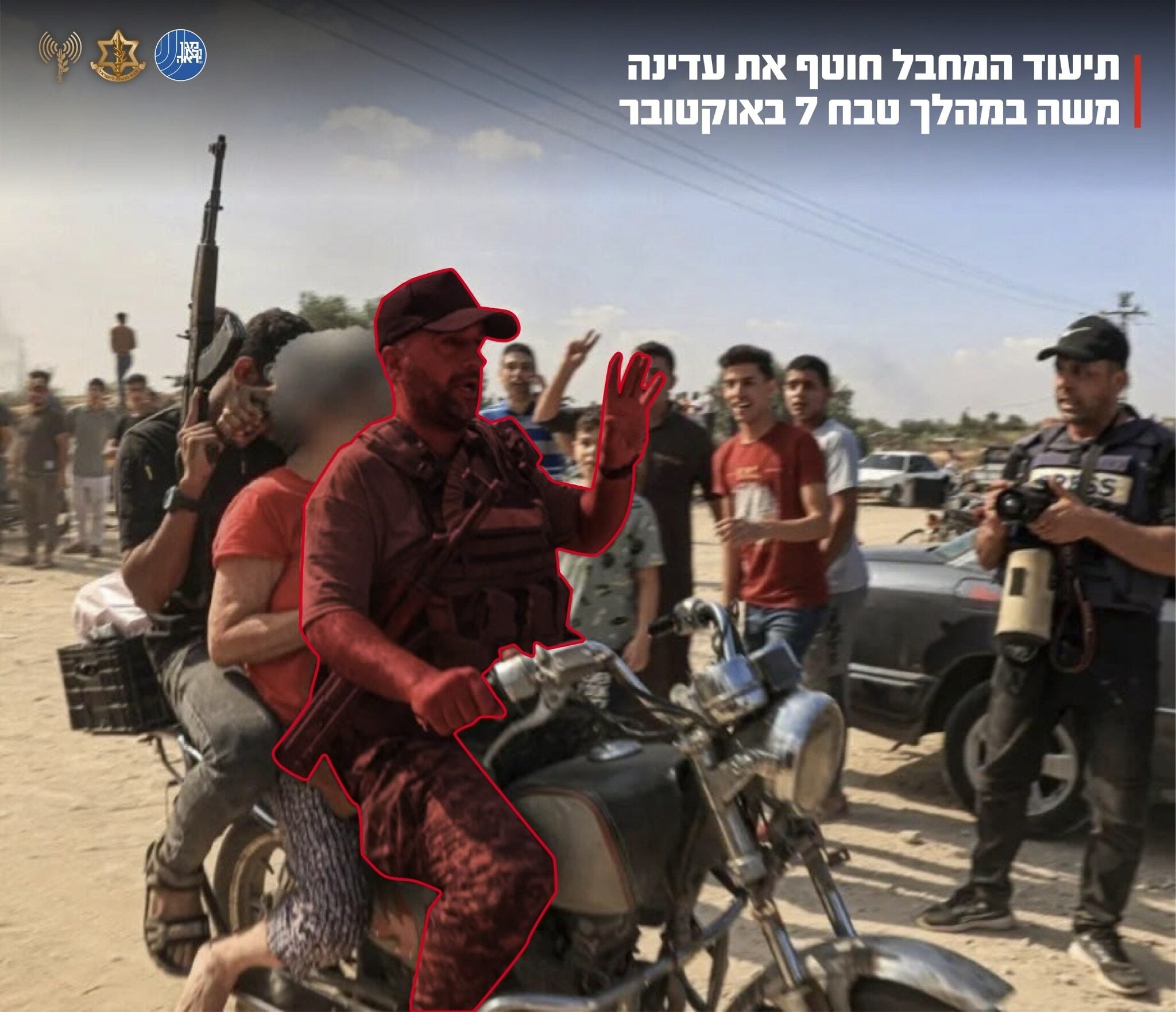
It has reportedly built its list of names of Gazans who invaded Israeli territory by using the plethora of video and photographic evidence of the attack, much of it captured by the terrorists themselves, and running the footage through facial recognition software.
Also on the list are all the Hamas leaders involved in orchestrating the massacre, according to Israeli officials.
Israeli officials have invoked the aftermath of the 1972 Munich Olympics as a precedent for the retribution campaign against the October 7 terrorists, pointing to the years-long and largely unsuccessful Mossad-led effort to track down and eliminate anyone linked to the massacre of 11 Israeli athletes during the Games.
According to the IDF, around 6,000 terrorists participated in the October 7 onslaught, with around 4,000 killed to date. They include between 1,200 and 1,600 who were killed inside Israeli territory during the attack.
Another 300 alleged perpetrators have been captured by Israel and await judgment by special military tribunals, which have yet to be set up.
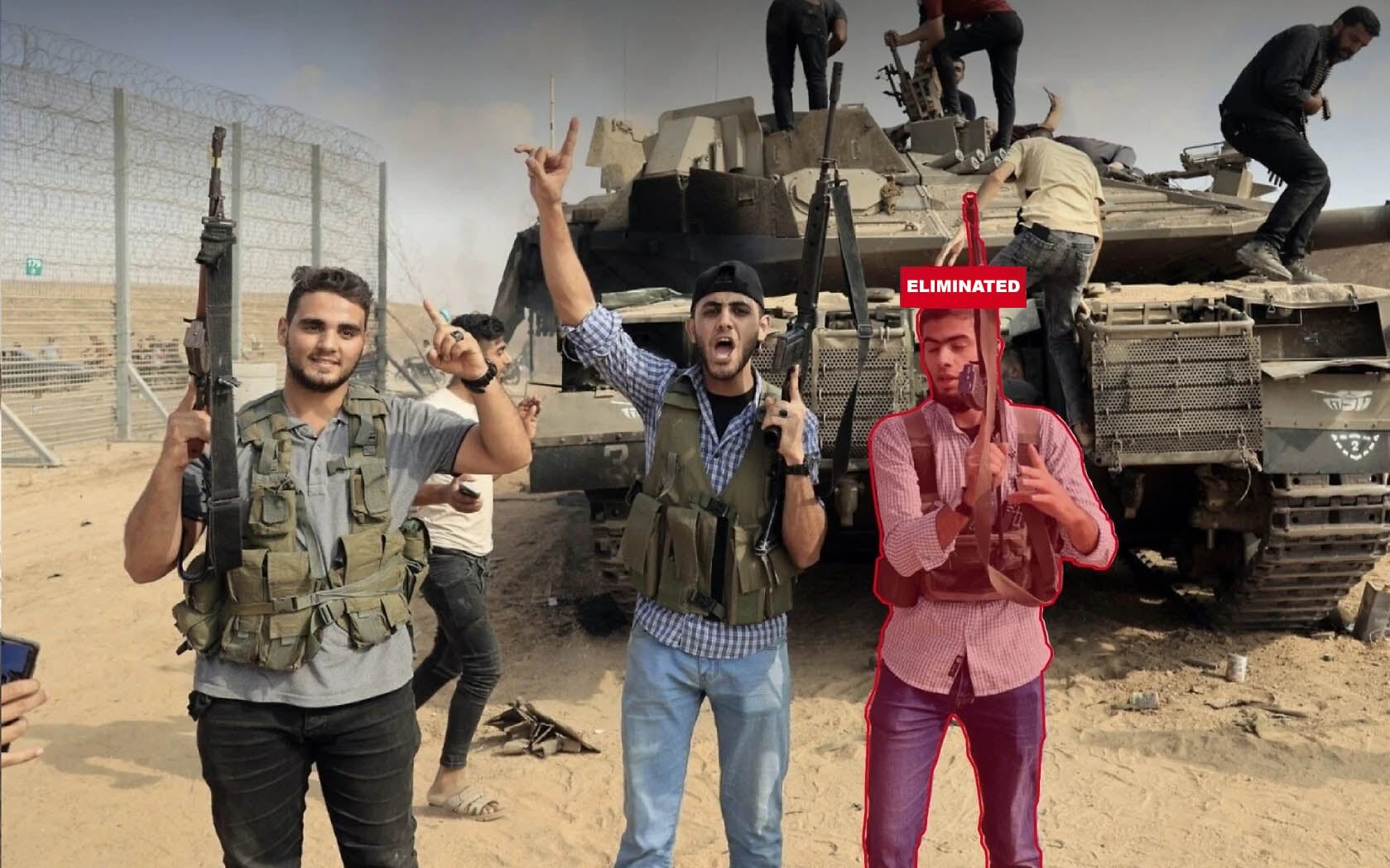
The military has said that its string of targeted killings came following “prolonged intelligence and operational work that matured into several opportunities over a short period of time.”
Some of the operatives and commanders have been hiding in tunnels or densely populated areas, requiring the IDF to conduct “prolonged surveillance… to achieve a high degree of certainty regarding their identities and locations and to create conditions that enable a precise strike while minimizing harm to uninvolved individuals,” according to the military.
Defense Minister Israel Katz said last month that he had instructed the military and all other security bodies to kill everyone who took part in the onslaught, “without limitation and under any circumstances, from the senior ranks to the junior ranks.”




The Times of Israel Community.