Netanyahu planned attack on Iran earlier this month, but Trump opposed it – report
Financial Times cites sources as saying strikes would have been 'more intense' than in February, 'not unreasonable' for war to resume after US and Israeli elections
Prime Minister Benjamin Netanyahu planned to carry out strikes against Iran earlier this month, but US President Donald Trump opposed reigniting the fighting before the US midterm elections, the Financial Times reported Wednesday, citing anonymous sources.
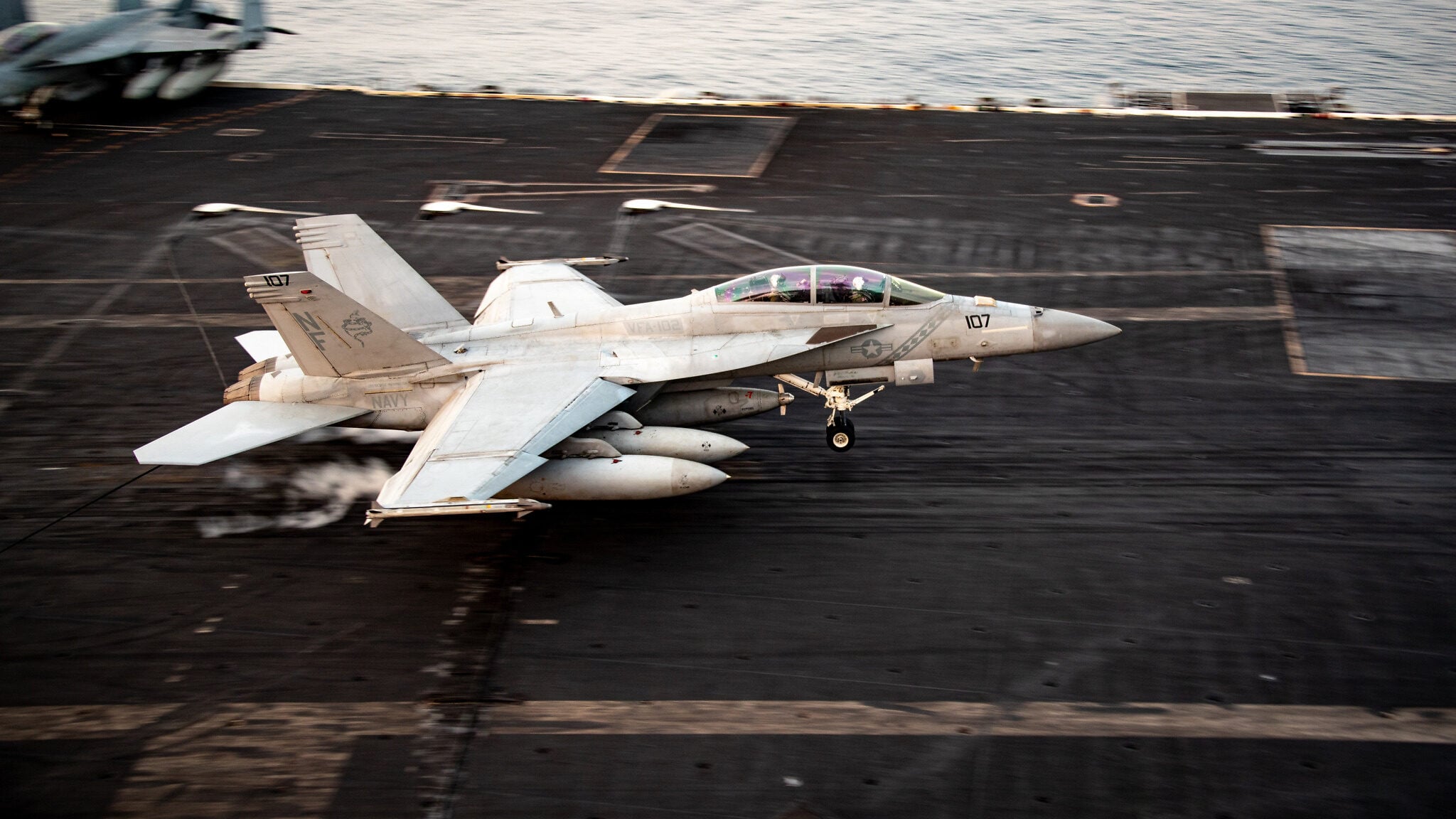
Three people familiar with the matter told the UK newspaper that the Israel Defense Forces was ready to carry out strikes on the weekend of October 10 to target Iranian nuclear facilities and regime sites, as well as civilian infrastructure including energy plants.
However, the unnamed sources said that Trump decided not to restart the conflict before the US midterms on November 3. Israel is also imminently heading to the polls, with Netanyahu facing a tough reelection battle in next Tuesday’s Knesset election.
If Trump had decided to give Israel the green light to go ahead with the strikes, they would have been more intense than those carried out by the US and Israel in February, the sources told the FT.
The report said it was unclear whether the US would have joined the strikes or if Israel would have carried them out alone.
However, a source told the newspaper that it was “not an unreasonable scenario” for the strikes to be restarted in the coming weeks, after both the US and Israeli elections.
One source said that Israel has prepared a new bank of targets that includes civilian infrastructure sites that have not been hit in the past.
Another source said that the planned strikes by the IDF earlier this month could have been part of a negotiating tactic, and noted that any decision to restart the fighting lay with Trump.
“There will either be a deal or an attack,” one source told the outlet.
“Everything is on the table,” another source said. “Nothing would surprise me.”
There was no comment from the Pentagon, the newspaper said.
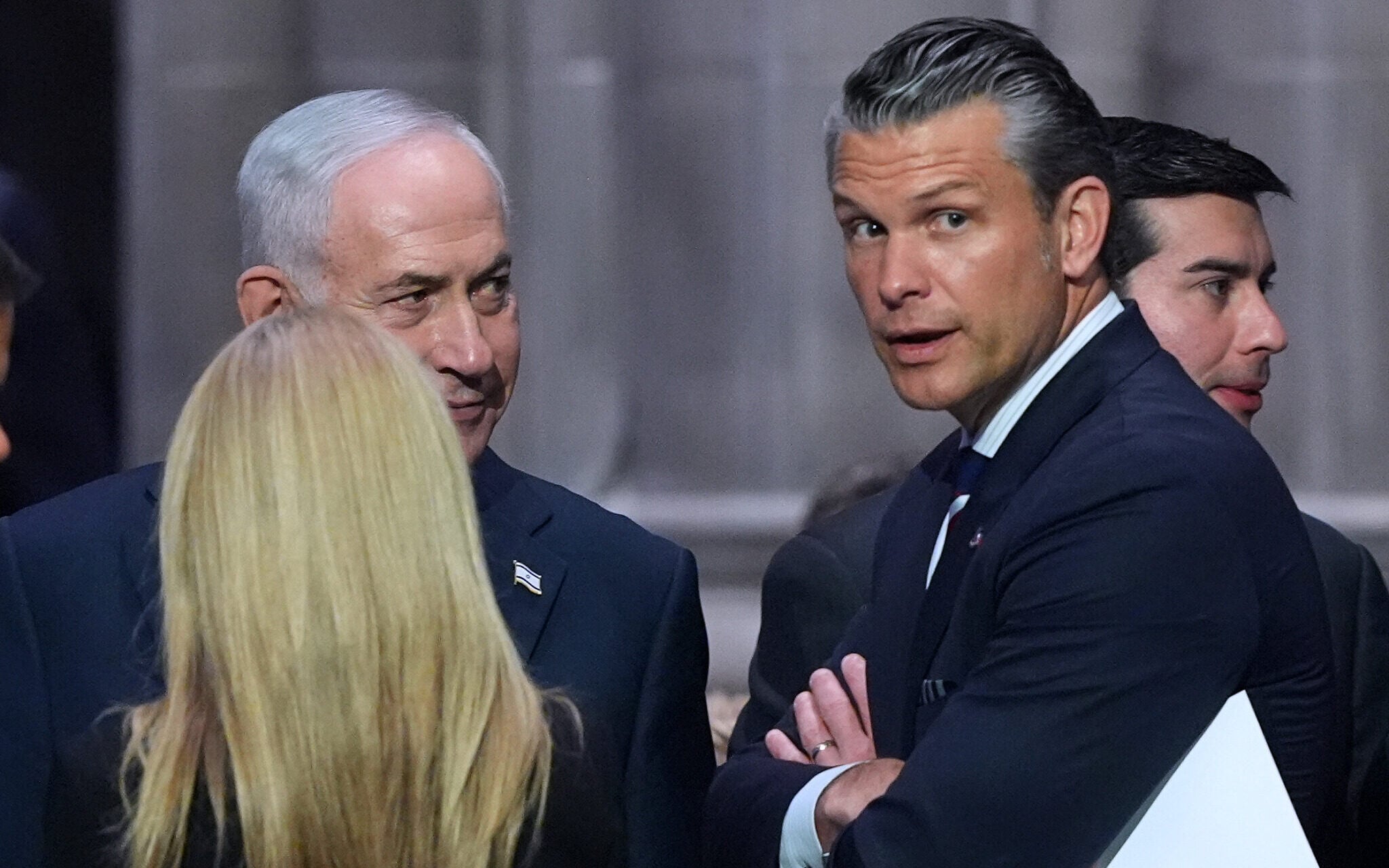
The report came two days after US Defense Secretary Pete Hegseth made a secret visit to Israel and met with Netanyahu to discuss “threats in the region.”
It was not the first time in recent weeks that reports have surfaced of Netanyahu pushing for strikes.
On October 9, Trump said Washington would not attack Iran before the midterms. Days earlier, a report said IDF Chief of Staff Lt. Gen. Eyal Zamir had told his American counterparts that such an attack could cause the Israeli election, slated for next week, to be postponed. Jerusalem reportedly assesses that Iran would respond to an American strike with massive missile fire at Israel.
Channel 12 reported last week that Netanyahu had urged Trump to renew the fighting against Iran before the US and Israeli elections. But the Prime Minister’s Office denied that he was seeking to start a war with Iran before the elections, a move that critics say would be politically motivated.
Israeli security officials have told the outlet that there has been no change in the intelligence assessment of Iran that would justify an Israeli-American operation in the next two to three weeks.
However, Iran has reportedly conducted ballistic missile tests from several sites in recent days, apparently as part of an effort to rebuild its deteriorated missile program. The Israeli military assesses that this rebuilding remains slow and partial.
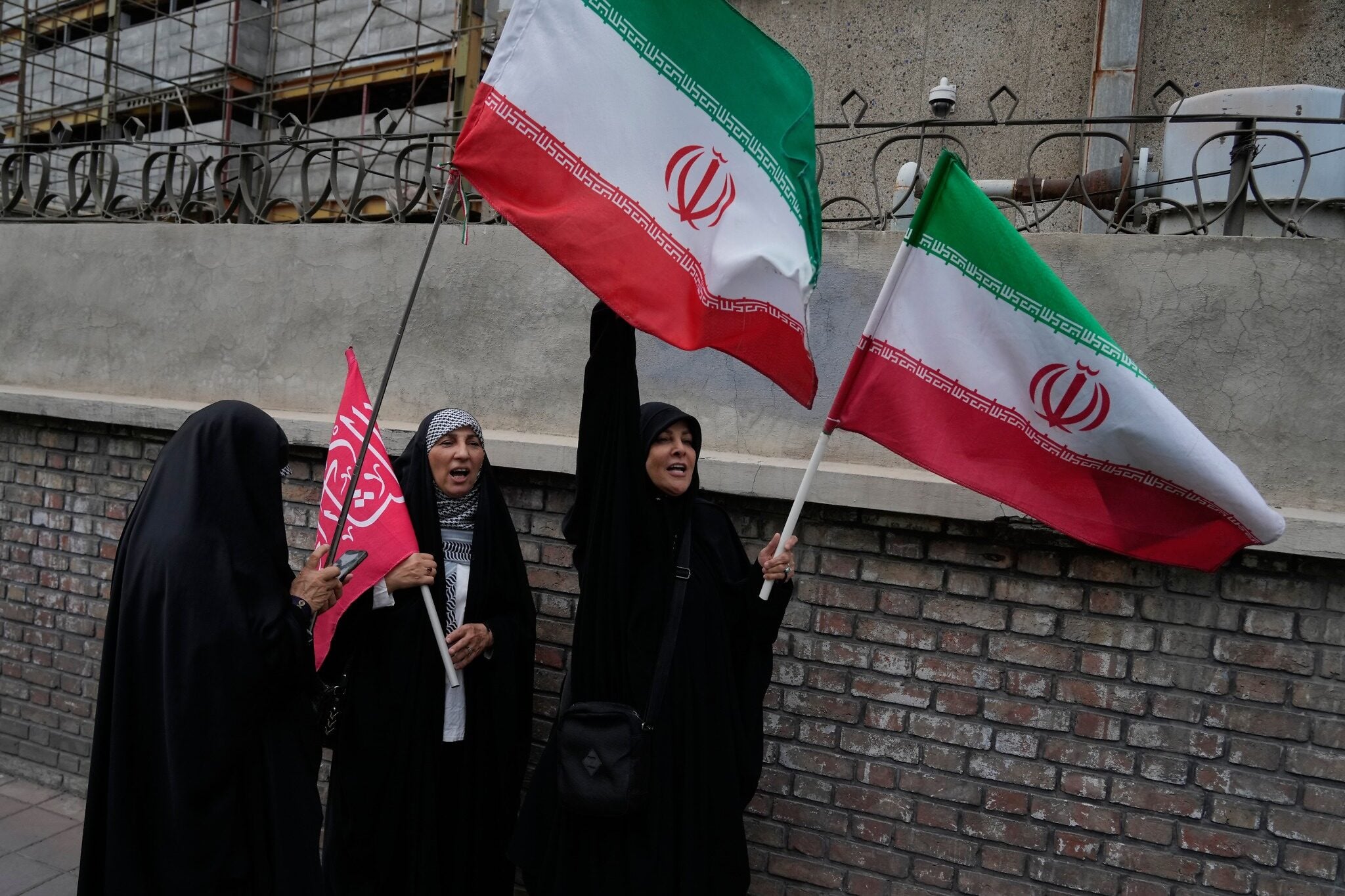
Negotiations between the US and Iran have largely stalled in recent months. At their heart is a dispute over the future of Iran’s nuclear program. Iran maintains that the program is peaceful but has enriched uranium far beyond any civilian use, blocked inspectors and built a ballistic missile program.
The US seeks the nuclear program’s dismantlement. US Vice President JD Vance said earlier this month that Iran must make a “meaningful” reduction in its uranium enrichment capacity to satisfy US demands.
But Iran has rebuffed those demands, saying Washington could not regain Tehran’s trust until it fulfilled seven conditions Iran set last month for reopening the Strait of Hormuz, the key pathway for oil and gas that the Islamic Republic has blocked since the beginning of the war, according to an Iranian readout of the meeting.
Iran’s demands include ending a US blockade on its ports that was launched in response to the strait’s obstruction. They also include the lifting of sanctions on its oil exports and ending hostilities on all regional fronts, a term referring to conflict between Israel and the Iran-backed terror group Hezbollah in Lebanon.