Netanyahu accuses UK government of acting ‘like a rogue state,’ says Israel saved British lives
PM says Israeli intel helped foil recent terror plot against British airbase, blasts settlement trade ban and Palestinian state recognition as appeasement of 'Islamist forces'
Prime Minister Benjamin Netanyahu accused the United Kingdom’s Labour government of behaving “like a rogue state” and appeasing “Islamist forces,” in a wide-ranging interview with the UK’s Daily Mail published Saturday amid deteriorating relations between Jerusalem and London.
Netanyahu’s criticism centered on the UK’s recent decision to ban imports of goods from Israeli settlements in the West Bank, as well as restrictions on arms exports and London’s recognition of a Palestinian state.
The prime minister contrasted those measures with intelligence cooperation between the two countries, pointing to Israeli information that he said recently helped British authorities thwart a suspected Iran-sponsored attack on RAF Fairford airbase.
“It was stopped. It was prevented,” Netanyahu said, adding that without the Israeli intelligence, “it would probably have gone through, and we don’t know how many British lives would have been lost.”
“It’s mind-blowing hypocrisy; I don’t know how many lives we have saved giving Britain information about impending attacks,” he said.
Netanyahu, who said he had yet to speak with British Prime Minister Andy Burnham since Burnham took office in July, accused the Labor Party of conceding to domestic political pressure in its stance on Israel.
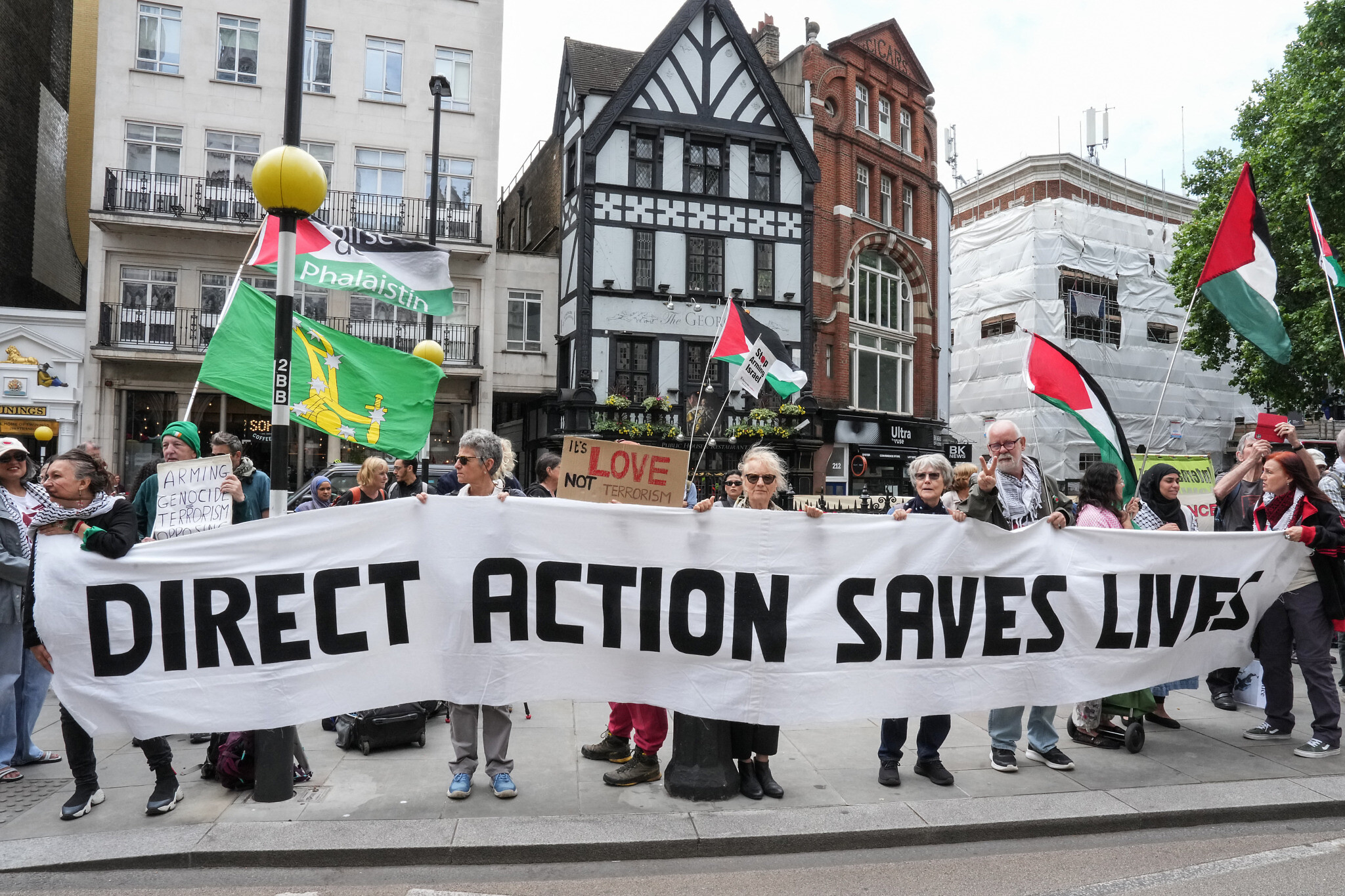
“There is a pressure from inside Britain to appease these various Islamist forces in Britain. And once you start appeasing, you don’t stop,” he said.
He said that the British government, “in order to ingratiate itself with its political base, has gone rogue. Like a rogue state.”
Asked about the state of bilateral relations, Netanyahu acknowledged that they were “not very good,” but said Israel continued to regard Britain as an ally.
Netanyahu argued that Britain was turning against Israel while failing to adequately confront Iran and its proxies.
“What do these people do? They hang gays, you know, they deprive women of any rights. They murder their own people in Gaza, or Lebanon, or Iran. Executing all their enemies. They are the opposite of democracies,” he said. “And what does the government in Britain do? It turns on the one democracy that is fighting these monstrous regimes in this terrible state (Iran), the worst terrorist state on the planet. That’s what Britain is doing.”
Asked whether Israel would continue sharing intelligence with Britain, Netanyahu declined to say, noting only that it had done so in the Fairford case.
Netanyahu also charged that Labour’s policies against Israel were fueling antisemitism in the UK.
“The Jewish people have suffered these kinds of vilifications that always, always preceded the most violent attacks on our people during the, you know, centuries of our exile and the various diasporas,” he said, drawing parallels to events leading up to the Holocaust in Nazi Germany.
Shifting his focus to Iran, Netanyahu predicted that the Islamic Republic would eventually collapse and urged Iranians opposed to the regime not to lose hope.
“This regime will fall. They take time, but they’ll fall. Right now, they’re very weak. President [Donald] Trump’s blockade is really weakening [the Iranian Revolutionary Guard Corps] a lot. So I’d say, don’t lose faith. Your day of freedom will come.”
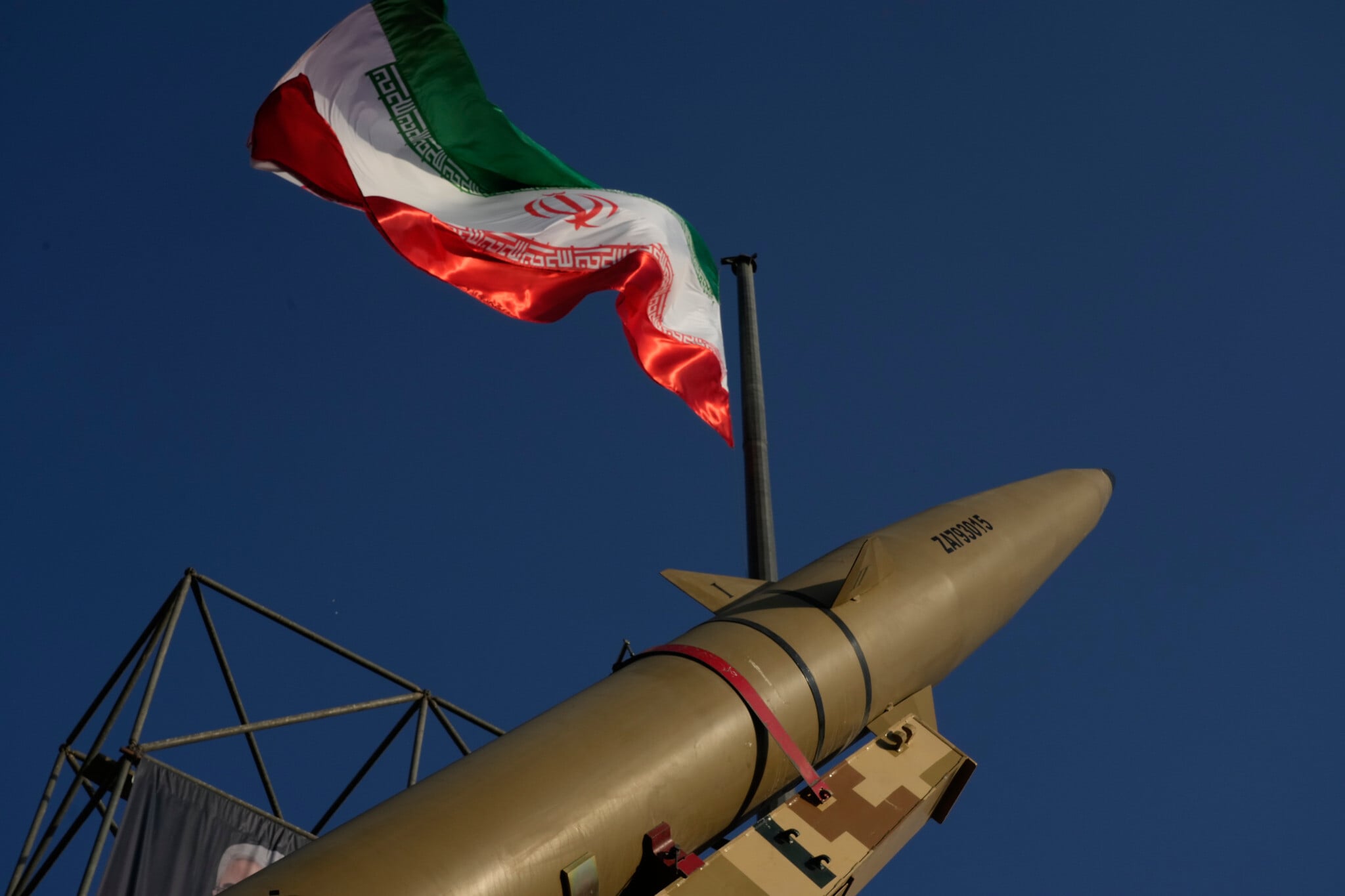
He also questioned why British anti-Israel protesters, the UK government and other Western powers were not directing greater anger toward Tehran, accusing them of overlooking Iran’s domestic repression and the threat it poses abroad.
Netanyahu then addressed the attempted terror attack earlier this week aboard a flydubai flight bound for Tel Aviv and the question of Iranian involvement, reiterating that Israel was investigating whether the copilot accused of trying to crash the plane had acted on instructions from others.
He also praised the Israeli passengers who intervened to subdue the terrorist and help regain control of the aircraft, describing their actions as “extraordinary teamwork” and their success in preventing a potential disaster as “so improbable that it almost sounds miraculous, and in fact, it is miraculous.”
Netanyahu ended the interview by returning the conversation to the UK, warning that the growing migrant crisis threatened the country.
“I think that if Britain doesn’t regain control over its borders, you will lose Britain,” he said.
Despite his criticism, Netanyahu said there was still time for London’s relationship with Jerusalem to improve: “I hope that it does, because we’ve had an extraordinary relationship with Britain over the decades, and I’m the first one to regret that it’s… that it’s gone where it’s going.”