US warns Gulf states of possible renewed Iran offensive after midterms – report
Washington shifts troops away from vulnerable bases and sends Patriot battery to region; UN nuclear watchdog says Tehran has not rebuilt struck sites; US war costs pass $47 billion
The United States has informed several unspecified Gulf Arab countries to be ready for a short yet intensive military offensive following the American midterm elections on November 3, The Wall Street Journal reported Tuesday evening, citing sources briefed on the discussions.
According to the report, the US military is sending a Patriot air defense battery from Texas to the region and moving troops away from bases where they could be exposed to Iranian fire. The measures were among several indicators that the United States and Israel were preparing for a possible renewed confrontation with Tehran.
The White House declined to comment on “sensitive military plans that may or may not exist,” but said US President Donald Trump was keeping “all options on the table to ensure that Iran can never have a nuclear weapon.”
The Journal report followed earlier reporting that the United States and Israel had drawn up plans for renewed strikes after the midterms. The New York Times reported last week that the two countries had stepped up military exercises ahead of a possible “short but intensive operation,” with potential targets including Iranian nuclear facilities, energy infrastructure and missile and drone arsenals.
The Times report also said there is a small chance Trump could go ahead with the strikes already this month, while also noting he could ultimately decide not to authorize any military action at all against Iran, recalling that he has repeatedly called off a return to fighting over the past months.
Speaking early Wednesday after as results came in from Israel’s inconclusive election, Prime Minister Benjamin Netanyahu called for his opponents to join him in forming a broad government, insisting that: “Israel is facing a historic, one-time opportunity along with our friend President Trump… to remove the Iranian threat once and for all.”
The current conflict began on February 28, when Trump announced the start of US “major combat operations” against Iran alongside Israeli strikes. He said one of Washington’s objectives was to ensure Iran would “never have a nuclear weapon.” The fighting followed the 12-day Israel-Iran war in June 2025, during which the United States struck Iran’s Fordo, Natanz and Isfahan nuclear facilities.
???????? JUST IN: Trump says ending the Iran conflict is a matter of when he chooses, adding that Tehran may be stalling on a deal until the US elections but that it “won’t help them.” pic.twitter.com/uFOQLuEnDu
— Cointelegraph (@Cointelegraph) October 28, 2026
Despite the renewed threat of military action, the head of the UN nuclear watchdog said Tuesday that there had been no indication Iran was repairing or reconstructing nuclear facilities damaged in American and Israeli strikes in 2025 and 2026.
Speaking at a UN Security Council meeting, International Atomic Energy Agency chief Rafael Grossi urged Iran to grant inspectors access to all its nuclear sites, including those damaged in the strikes. The agency had been unable to verify the status of Iran’s stockpile of near-weapons-grade uranium since US strikes on its nuclear facilities in June 2025.
“Since June 2025, we have not identified any activity to repair or reconstruct any of the facilities damaged in the military attacks of 2025 and 2026,” Grossi said.
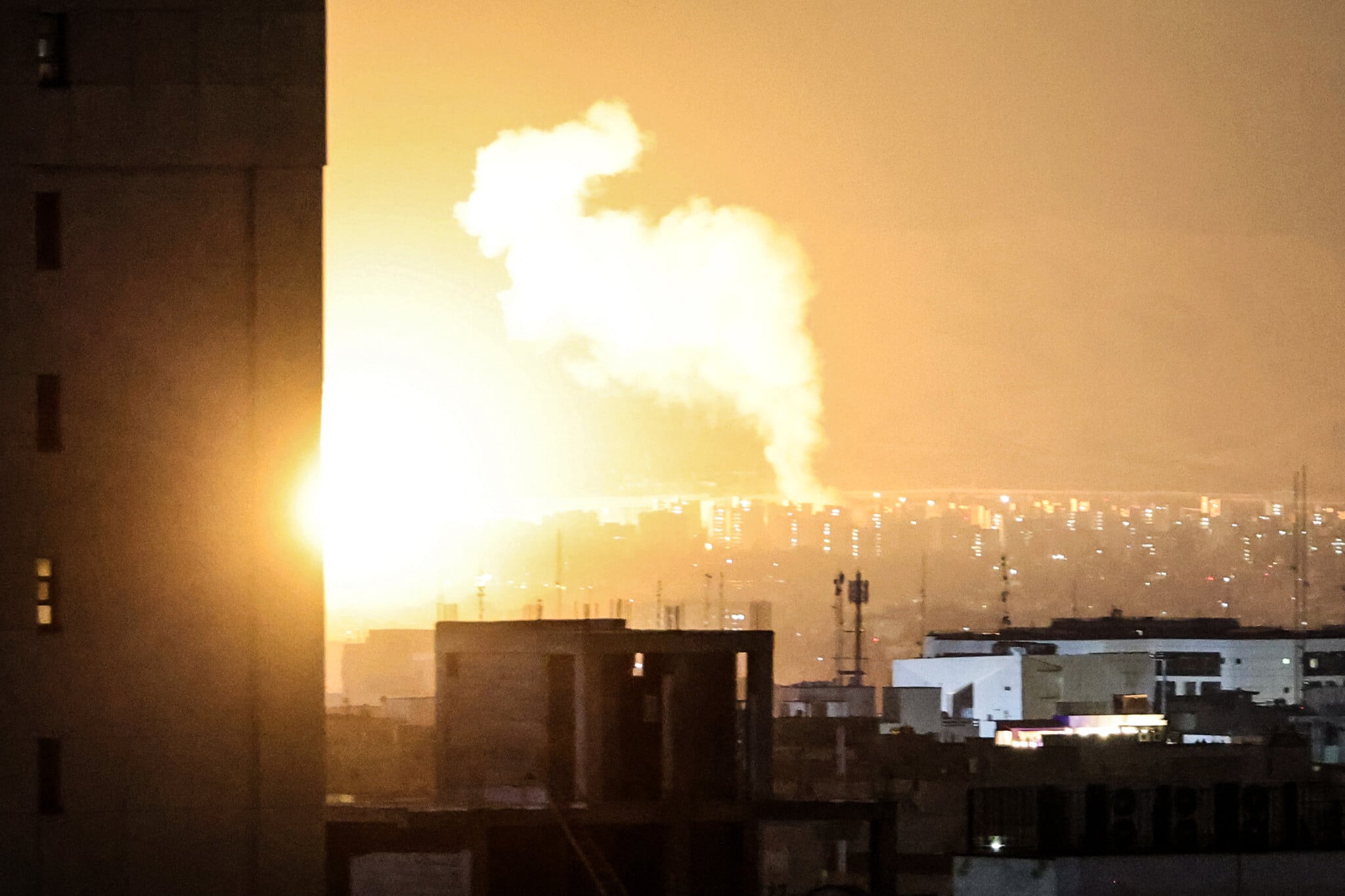
Before the June 2025 war, the IAEA said Iran possessed 440.9 kilograms of uranium enriched to 60 percent purity, a short technical step from the roughly 90% enrichment generally considered weapons grade. After the strikes, Iran denied inspectors access to the affected facilities, leaving the agency unable to verify the size or location of the remaining stockpile.
Trump had repeatedly insisted that the June 2025 US strikes had “obliterated” Iran’s nuclear program. But the war’s economic impact on Americans had increasingly become a political issue ahead of the November 3 midterms, with rising fuel prices and the prolonged conflict weighing on his Republican Party. Trump has argued that higher fuel costs were a price worth paying to prevent Iran from obtaining a nuclear weapon.
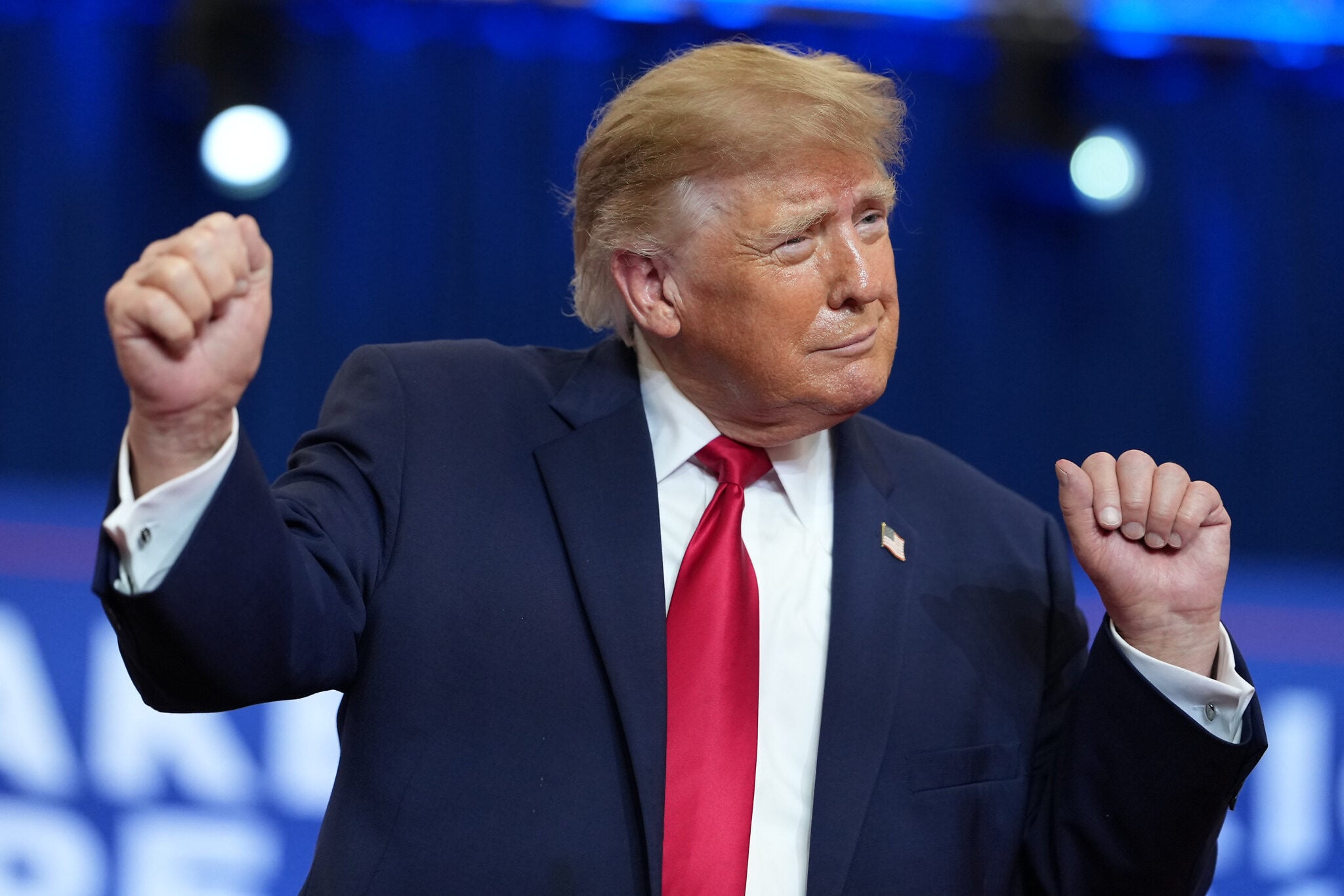
Meanwhile, the financial cost of the war has continued to mount. According to Pentagon data reviewed by Reuters, the US military spent more than $47 billion prosecuting the war with Iran, more than 25 percent above the Defense Department’s estimate in July.
The bulk of the operational costs included more than $29 billion to replace expended munitions and more than $6 billion to replace military equipment. The figures did not clearly include an estimate for repairing damage to US bases caused by Iranian missile and drone attacks.