




Dear Times of Israel Community,
There’s been considerable political turmoil these past 24 hours about the ultra-Orthodox United Torah Judaism party declaring it is no longer part of Prime Minister Benjamin Netanyahu’s “bloc,” and that it will be pushing to dissolve the Knesset, triggering “early” elections.
Members of Netanyahu’s own Likud party, and the far-right Otzma Yehudit party of Itamar Ben Gvir, have been imploring UTJ to think again. All are anxiously watching the second ultra-Orthodox party, Aryeh Deri’s Shas, to see whether it will join forces with UTJ, and the Knesset’s anti-Netanyahu parties, to muster a majority and bring down the government in the coming weeks or even days.
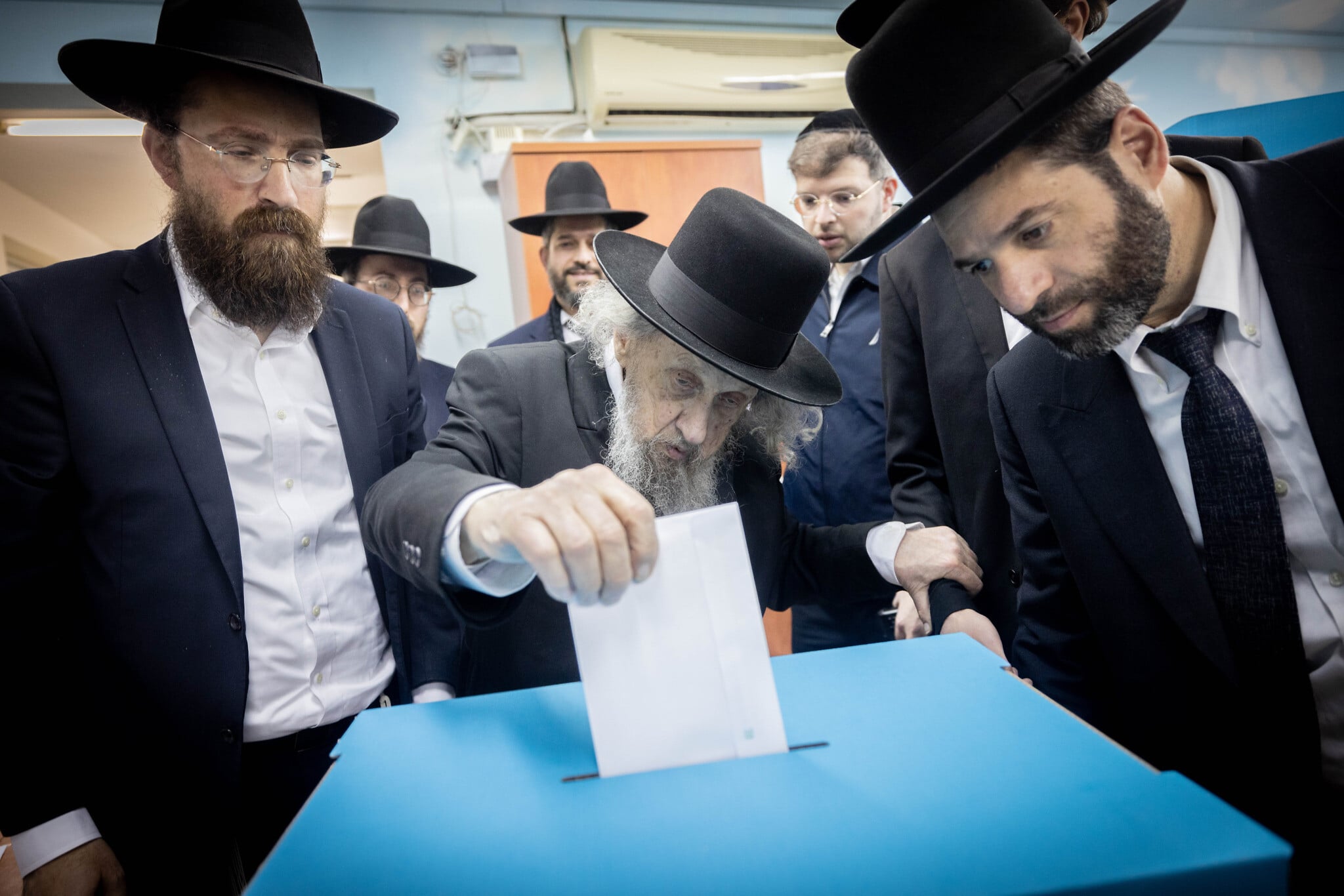
But the ostensible drama of “early elections” is relatively banal. And UTJ’s declared collapse of trust in, and severance of political cooperation with, Netanyahu is overstated and misleading.
In terms of election timing, Israel must by law hold elections, in any case, by October 27, and the law provides for a minimum 90-day election campaign. That means that even if the Knesset is dissolved this month, elections could not be held before late August. Among the many reasons why Israel almost never goes to the polls in August (1961 was the sole exception) are anticipated low turnout in summer and the logistics of opening schools, which serve widely as polling stations, during the holidays. So that means “early” elections are unlikely to be held before September — just a few weeks before the mandatory deadline, a minor change in the lifespan of a coalition that, most unusually, has managed to govern for almost its entire four-year term.
The ultra-Orthodox parties — UTJ and Shas — are widely understood to want an election date sometime after yeshiva students return from the summer break in mid-August and near to early September’s High Holy Days, when religious sensibilities and turnout are likely to be at their height. Since elections are generally held on Tuesdays — the default day to avoid Sabbath desecration surrounding the process — that brings us to September 1 or 15; other dates that month are too proximate to the High Holy Days and Sukkot.
Netanyahu, by contrast, is reported to prefer the legal default date and deadline of October 27. But his calculations are complex, and he can see potential benefit in an earlier date.
The PM’s considerations
Going to the public on or close to October 27 would give Netanyahu’s coalition maximal time to blitz through key components of its legislative agenda, including laws to weaken the independence of media, the judiciary and other law enforcement agencies, notably stripping the critical role of attorney general of almost all of its power and authority.
The later the date, morever, the greater the potential for Netanyahu to achieve strategic success in the thus-far unsuccessful effort if not to trigger the collapse of the would-be genocidal regime in Iran, then at the very, very least to block its path to a nuclear arsenal in the medium term by removing its 440 kilogram stockpile of 60%-enriched uranium and, ideally, its approximately 10 tons of uranium enriched to various lower levels.
In terms of the multi-front conflict triggered by Hamas’s October 7, 2023, invasion, massacre and mass abductions, Netanyahu would also hope to have made greater progress in again setting back the murderously revived Hezbollah, which is currently waging a war on Israel that makes a deadly mockery of the purported ongoing “ceasefire.”
And, finally, he would be wary of going to the polls with Hamas having revived in Gaza, largely unchallenged amid US-imposed constraints and as Israel’s overstretched forces have focused on Iran and Hezbollah.
His political standing is significantly weakened, but not destroyed, by the failure to achieve definitive results in the wars and conflicts since October 7, and, especially, by his principal culpability, as Israel’s prime minister on that day and for 15 of the 17 previous years, for the original sin — the catastrophic failure to prevent the Hamas assault.
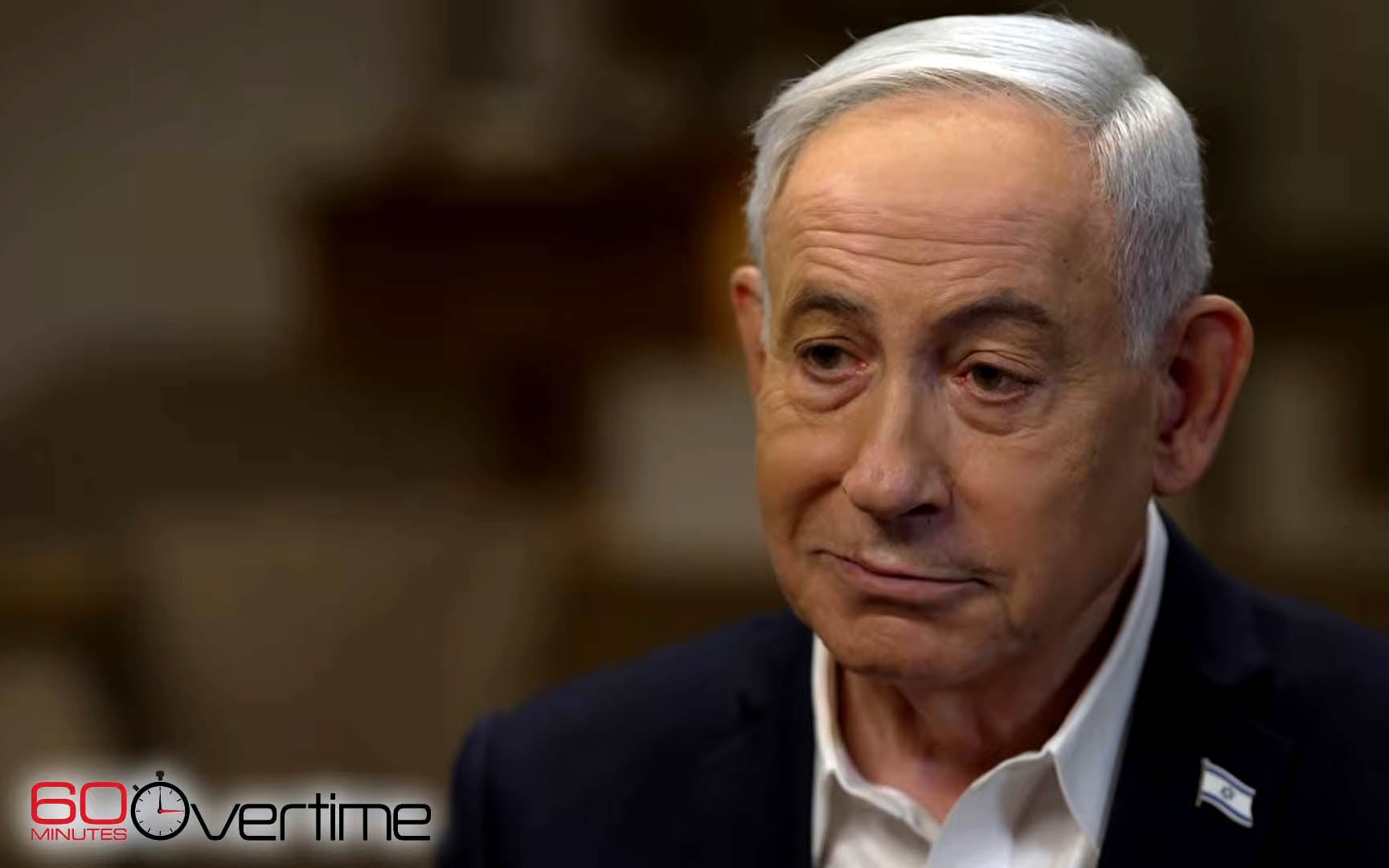
In a revelatory passage of his CBS “60 Minutes” interview on Sunday, Netanyahu attempted, as ever, to evade his prime culpability for the October 7 failures, asserting that “everybody bears responsibility.” But he then attempted to argue, with extraordinary effrontery, that “the real issue” is what has happened “since October,” and to boast of his post-October 7 achievements in extracting Israel from “this horrible noose of death that the Iranians put on us.” The fact is, however, that while there have indeed been successes on multiple fronts, these do not add up to strategic, long-term change — they do not constitute the “total victory” that he promised, and Israel needed, something that he atypically acknowledged himself elsewhere in that fascinating conversation.
(“If Iran, if this regime, is indeed weakened or possibly toppled, I think it’s the end of Hezbollah, it’s the end of Hamas, it’s probably the end of the Houthis, because the whole scaffolding of the terrorist proxy network that Iran built collapses if the regime in Iran collapses,” he said, adding cautiously, “Now, that’s not guaranteed. But the weakening of that regime weakens the proxies as well. Still a long haul. You know, it’s not something that’s gonna be done tomorrow.)
But Netanyahu is also deeply weakened, again especially since October 7, by his desperate efforts to placate those two ultra-Orthodox parties on which his coalition has rested, and centrally to indulge their illegal, irreligious and socially devastating insistence on the mass evasion of military service by almost all of their young, able-bodied men. His defiance of a 2014 High Court ruling that ordered him to draft the ultra-Orthodox, and his efforts to enshrine that mass evasion in law (while demonizing and seeking to castrate and ultimately subjugate a judiciary that would strike down any such law), are anathema not only to the anti-Netanyahu Zionist parties and their supporters, but to a sizeable proportion of his own base, inside Likud, Otzma Yehudit and Bezalel Smotrich’s Religious Zionism parties.
All these opposition and coalition parties have voters on the front lines in the standing army and in the outrageously overburdened reserves, risking and in hundreds of cases losing their lives in the defense of Israel, while the prime minister excuses an estimated 80,000 eligible, army-age young men from service — from an ultra-Orthodox community that claims divinely mandated immunity and demands that the rest of the nation also financially subsidize its evasion of responsibility.
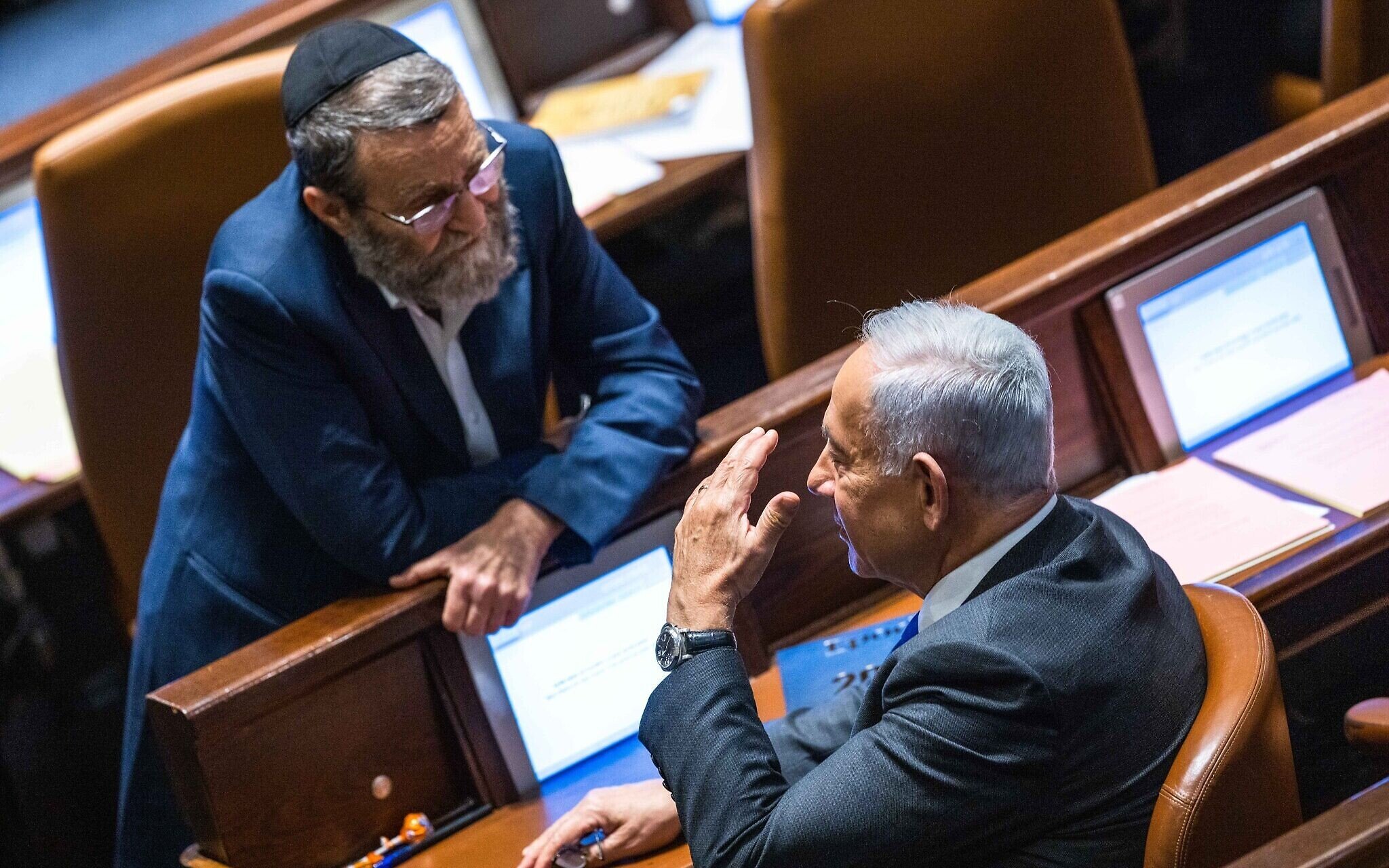
Were Netanyahu to have secured the passage of the ultra-Orthodox draft-evasion law, it would have likely cost him dear come polling day. With elections imminent in any case, he had ever less to gain by pushing it through. And therefore, while he may indeed want maximal time to heighten Israel’s achievements on the battleground, there is clear electoral value for him in going back to the public with that legislation stalled, potentially claiming that he tried to find a workable solution to the issue, one that would meet the IDF’s crying need for manpower while respecting legitimate ultra-Orthodox concerns — but ran into intransigent opposition from the Haredi leadership.
The ultra-Orthodox calculations
For their part, it is also extremely convenient for the ultra-Orthodox parties to loudly declare that they have fought valiantly for their community, been thwarted by the stubborn secularists, and have therefore severed their partnership with Netanyahu — all themes calculated to prevent voter-seepage to the religious far-right of Ben Gvir and Smotrich — and are therefore working to move elections to a date most suitable for maximizing their voter turnout.
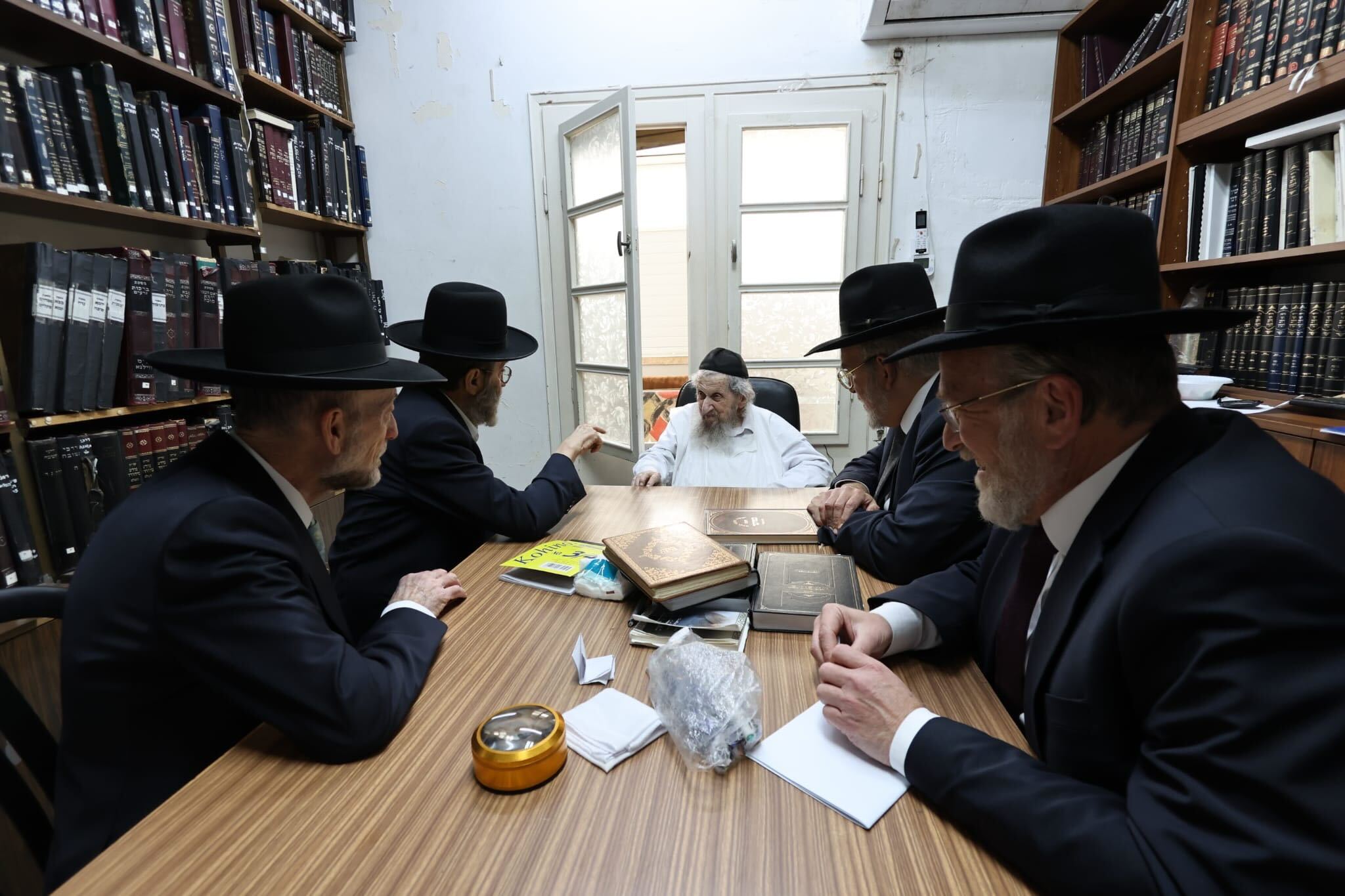
Their ostensible departure from the Netanyahu-led bloc implies a belief that they can build a political alliance with the anti-Netanyahu bloc. But that is a chimera.
There is no knowing at this stage what kind of new, potentially significant alliances may yet emerge to shift Israel’s political realities — will there be a “Likud B” alliance of unhappy ex-Netanyahu allies, say, or a vote-winning partnership between the Reservists party, the desperate Benny Gantz and others? But the notion that the existing anti-Netanyahu bloc would agree to the ultra-Orthodox draft-exemption demand is inconceivable.
Politics is a dirty business, and success requires winning and retaining power. But Naftali Bennett’s new Together alliance with Yair Lapid, Gadi Eisenkot’s Yashar, Avigdor Liberman’s Yisrael Beytenu, or Yair Golan’s Democrats are beyond unlikely to so much as entertain the notion of indulging that ultra-Orthodox demand when their voters, their Knesset members and they themselves viscerally reject it.
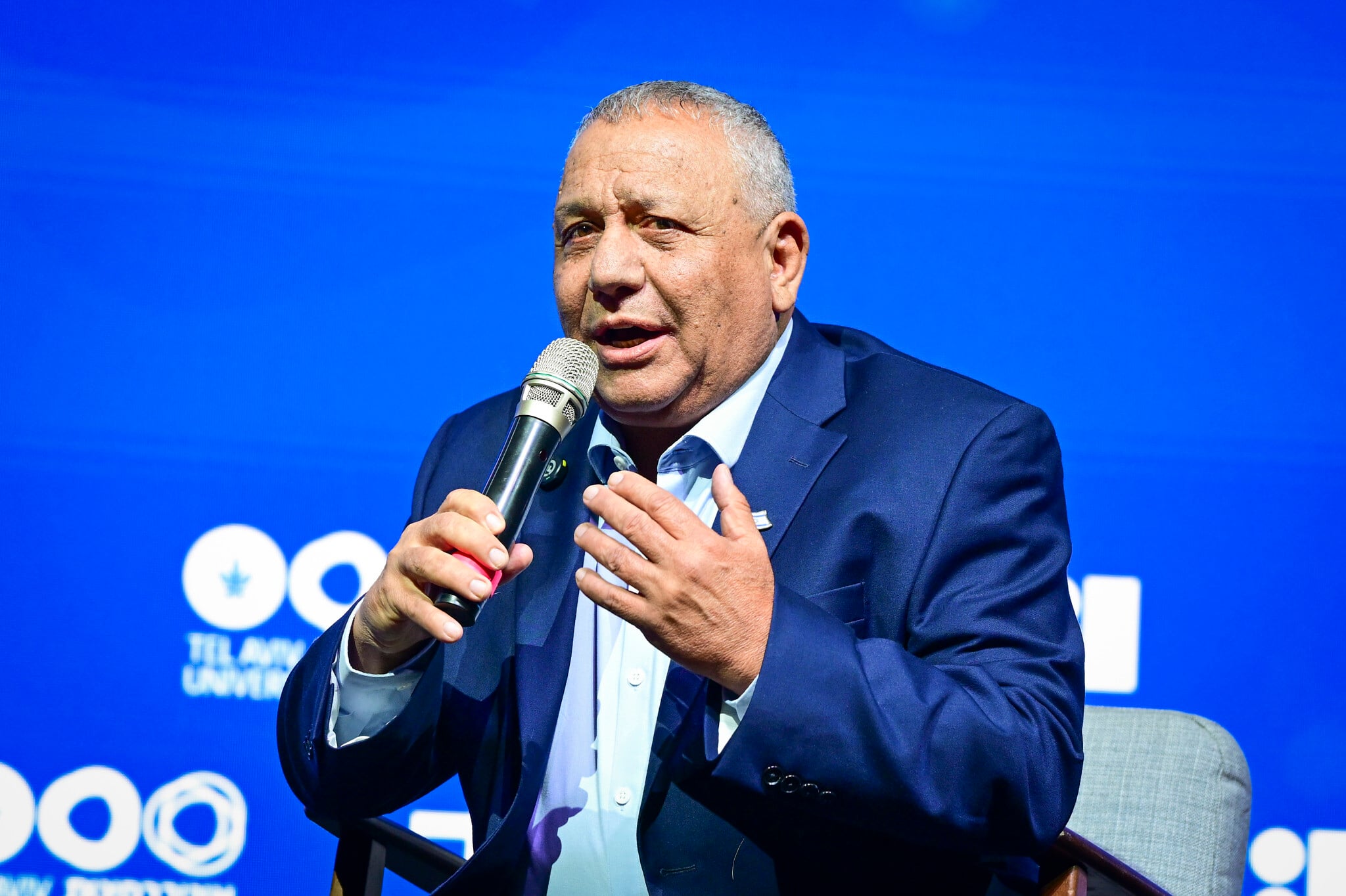
Once the votes are in — be it in September or October — in other words, the ultra-Orthodox will have no other potential partner than the Netanyahu-led bloc. And that, in turn, would mean that Netanyahu would not be harmed by an advanced election date that boosts the ultra-Orthodox parties, even at the expense of other parties in his bloc.
A shorter window
The question is whether the timing of the election, the turnout, the progress of the multi-front war, Netanyahu’s credibility, and a multitude of other factors, some of them doubtless yet to unfold, will enable the return to office of a coalition much like the current one. Were that to happen, severed ties could instantly and magically be repaired, and, depending on the balance of Knesset forces and potential for political extortion at the expense of Israel’s essential interests, the draft evasion legislation will be right back on the agenda.
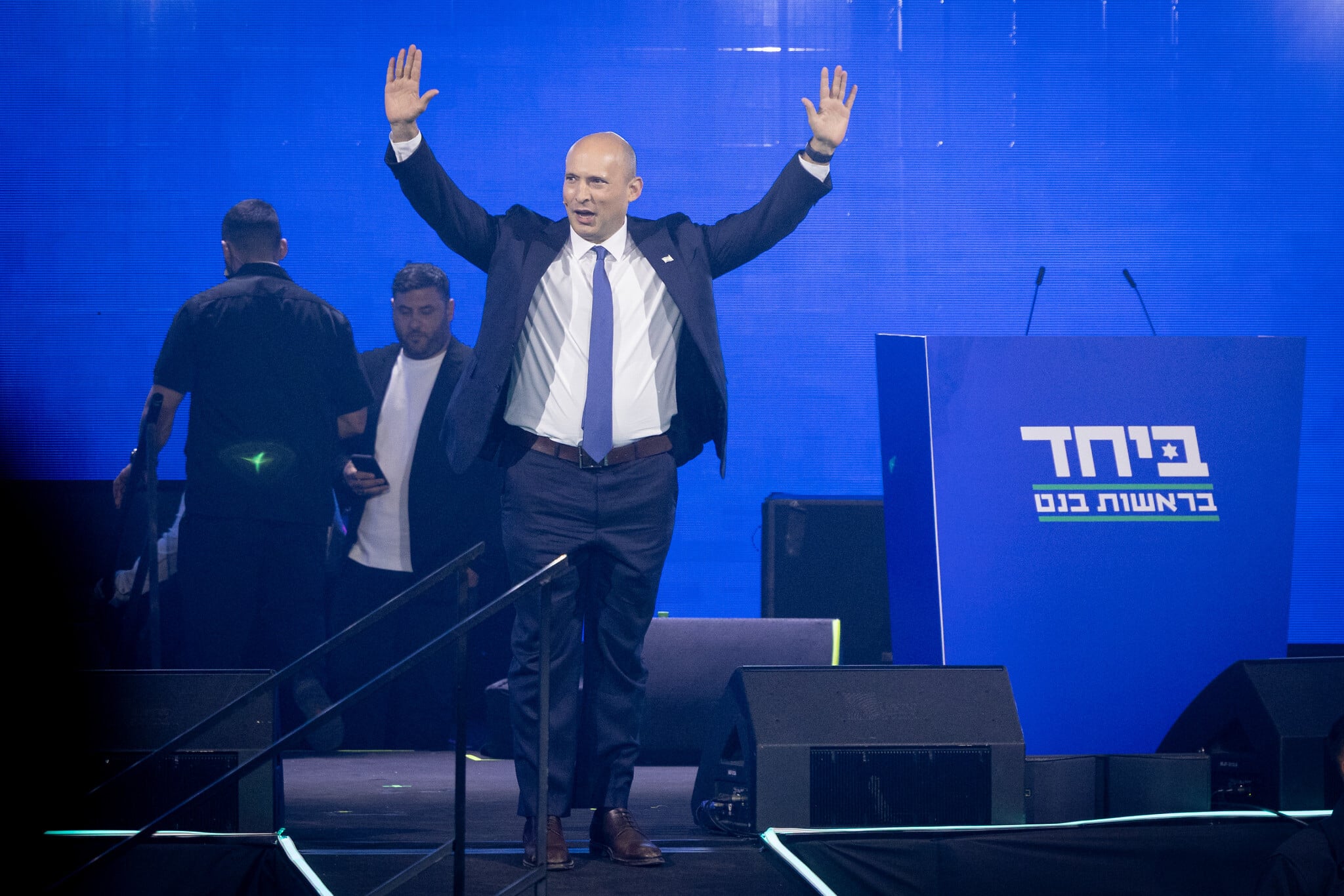
Or, to put it another way, the question is whether the still quite disunited anti-Netanyahu bloc can persuade most of the voting public that it can protect Israel from without more effectively than Netanyahu has done, and heal Israel within. That task that should have been bitterly straightforward in the aftermath of October 7, but, the polls suggest, still represents an uphill challenge.
The enthusiasm with which numerous opposition legislators on Tuesday submitted bills to dissolve the Knesset indicated that Netanyahu’s opponents believe polling day cannot come soon enough. We shall see: The window to prepare for Israel’s electoral moment of truth may prove a few weeks shorter than they had anticipated.
— — —
🎥 DocuNation: ‘Photo Farag’ film available for one more day; webinar recording

The current film in our DocuNation series exclusively for The ToI Community – ‘Photo Farag’ – is still available for you to watch for one more day:
About ‘Photo Farag’
Tel Aviv, on the corner of Dizengoff and Arlozorov. Every day, many Israelis walk by the photo shop that was once glorious and remains engraved in the collective memory as the epitome of family and wedding photos, but only a few know the story behind it. A member of the youngest generation of the Farag family, director Kobi Farag goes on a journey to discover his family history. By digging in the private archives, he peels back layer by layer to reveal the story of ten brothers and sisters who immigrated from Baghdad in the fifties and climbed the ladder of success from their lives in the transition camp to a luxurious home. In his own way, he tries to solve the riddle of the painful disintegration of the family that drifted apart. Watch the trailer.
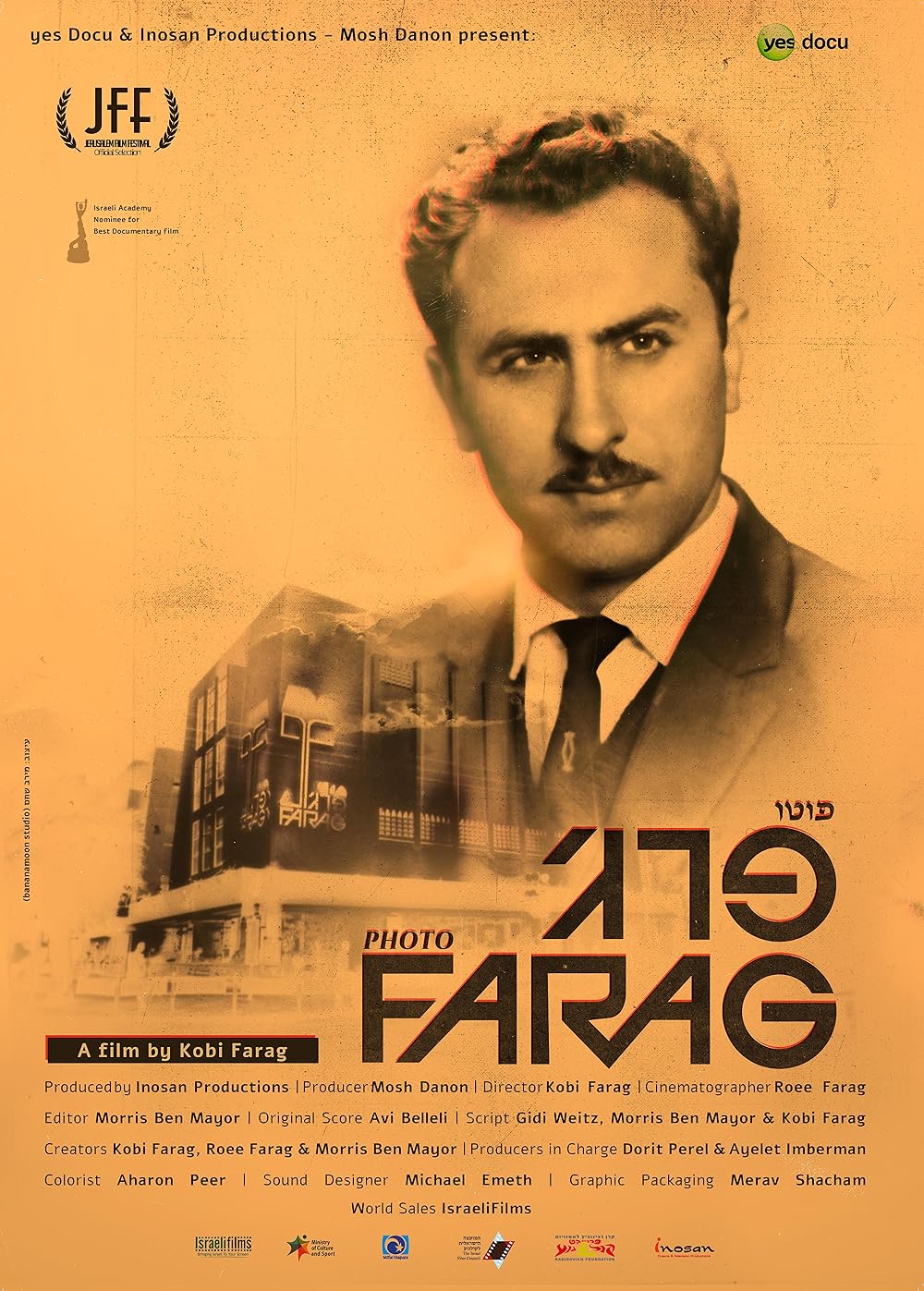
Many of you joined and asked questions on our live webinar and Q&A with ‘Photo Farag’ director Kobi Farag and editor Morris Ben Mayor, held this past Sunday. If you missed it, a recording is available here now:
You can view all upcoming DocuNation films here, when logged into your Community account.
Have a question about the series? Email us.
Have a technical issue? Email DocuNation tech support.
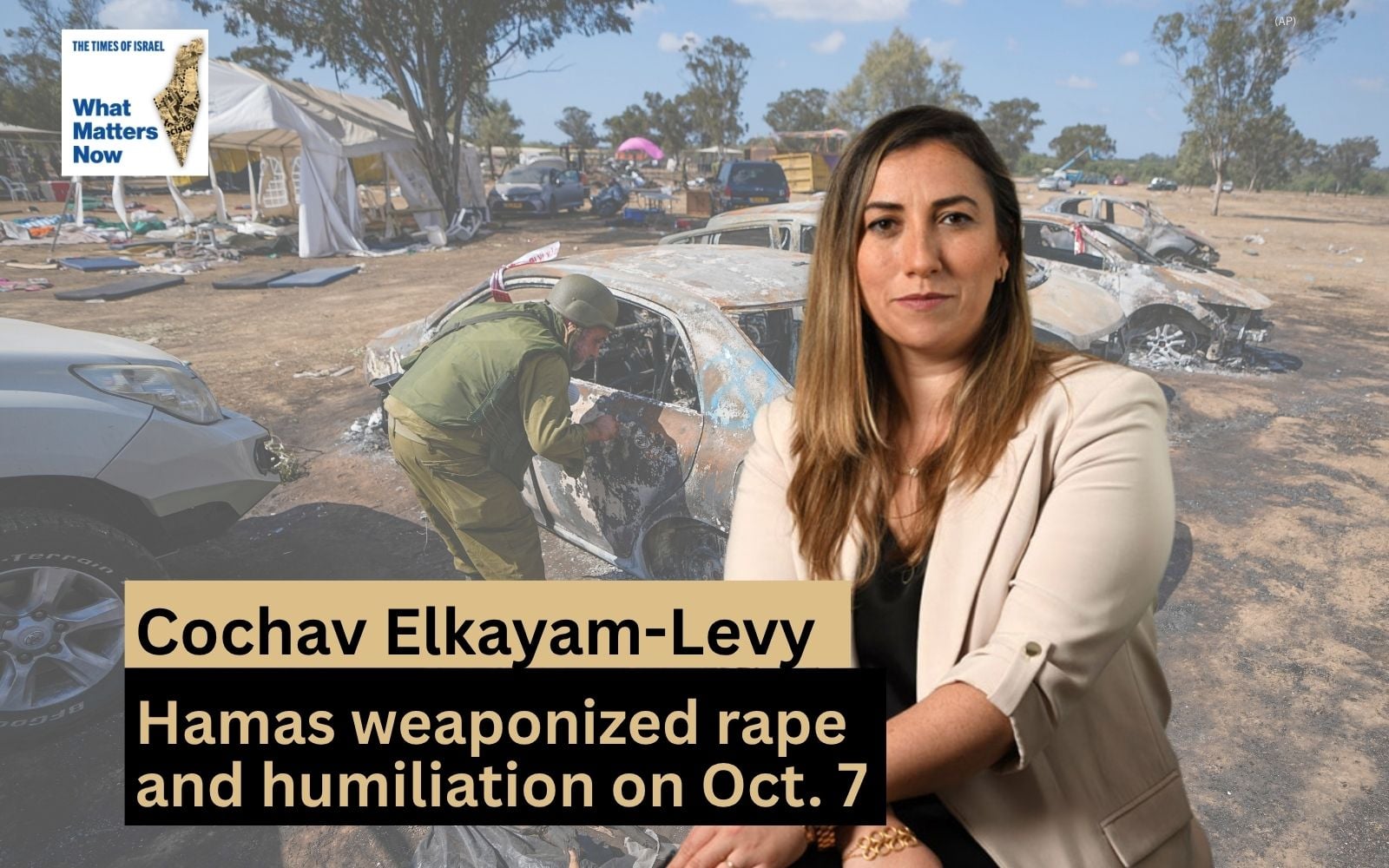
🎙 What Matters Now to Dr. Cochav Elkayam-Levy: Hamas weaponized rape and humiliation on Oct. 7
A newly released episode of ToI’s What Matters Now podcast: host deputy editor Amanda Borschel-Dan speaks with legal expert Dr. Cochav Elkayam-Levy, head of The Civil Commission on Oct. 7th Crimes by Hamas against Women and Children.
On May 12, the commission released a massive report that documents and chronicles Hamas’s systemic use of rape and sexual violence against women — and men — on October 7, while the hostages were being abducted and during their captivities.
Press below to listen to the latest episode:
🔔 Be sure to subscribe to What Matters Now on Apple Podcasts, YouTube, Spotify, or wherever you listen to podcasts.
🙋 Have something to share?
We’d love to hear it! Join the discussion on our active ToI Community Facebook group. Keep tabs on new content and events on our Community Page. And please don’t hesitate to write to us with any suggestions, issues or questions.
Thank you for your continued support of our independent journalism.
~ The Times of Israel Team