In Netanyahu-Eisenkot briefing, IDF reportedly says no urgent need to strike Iran
However, separate report cites source as claiming Yashar party leader would 'understand everything' after meeting and no longer 'suspect the PM's motives'
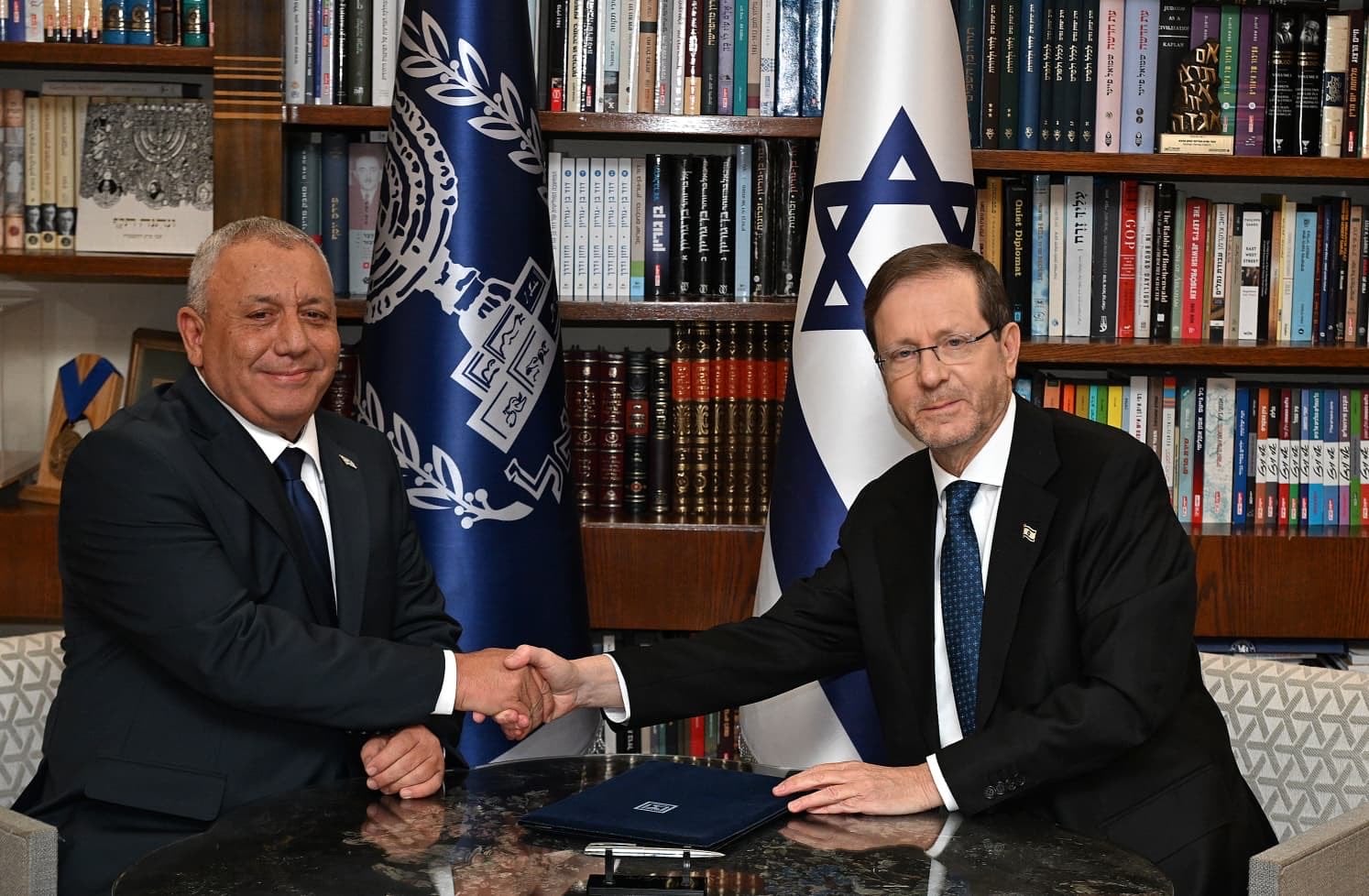
Hours after Prime Minister Benjamin Netanyahu provided a security briefing to Yashar party chief Gadi Eisenkot, Israeli television reports on Wednesday evening quoted sources offering seemingly different assessments of what was said at the meeting and whether or not renewed war with Iran was a matter of urgency.
A source familiar with the briefing told Channel 12 beforehand that the intelligence provided would change how Eisenkot views Netanyahu’s motives, with the caretaker prime minister apparently using the sit-down to stress the need to soon resume fighting with Iran.
“Once Eisenkot is exposed to the full intelligence picture, he will understand everything. After this meeting, he won’t act the same way; he won’t suspect the prime minister’s motives,” the source said.
But the security establishment reportedly saw no developments in Iran to justify an immediate operation, despite Netanyahu repeatedly pushing for military action both before and after Israel’s election, which his critics have accused him of doing for political reasons.
Channel 13 news reported that the IDF position presented to Eisenkot during the briefing was that there was no immediate urgency for Israel to strike Iran.
However, if US President Donald Trump renewed American attacks, then Israel should join the fighting, Eisenkot was reportedly told.
Channel 13 also reported that President Isaac Herzog was the one to mediate between Eisenkot and Netanyahu in order to secure the briefing, although the network said the President’s Residence denied being involved.
The meeting was held a day after Eisenkot publicly accused Netanyahu of refusing to grant him a security briefing and asked Attorney General Gali Baharav-Miara to intervene, while warning against non-urgent military moves that could have “devastating consequences” for Israeli democracy, urging Netanyahu not to place security chiefs in “a grave constitutional conflict.”
Eisenkot’s statement, which did not mention Iran by name, followed reports that Netanyahu was seeking a military operation against Tehran despite opposition from security chiefs. Other reports have alleged that the prime minister similarly sought to take action against Iran in the run-up to the October 27 election, when defense officials also resisted, fearing it could trigger an escalation and derail the vote.
Netanyahu’s bloc lost its parliamentary majority in last month’s election, and Herzog tasked Eisenkot with forming a government on Sunday after he received the most recommendations from lawmakers. Netanyahu remains caretaker prime minister, however, with control over the government and security forces until a new government is formed.
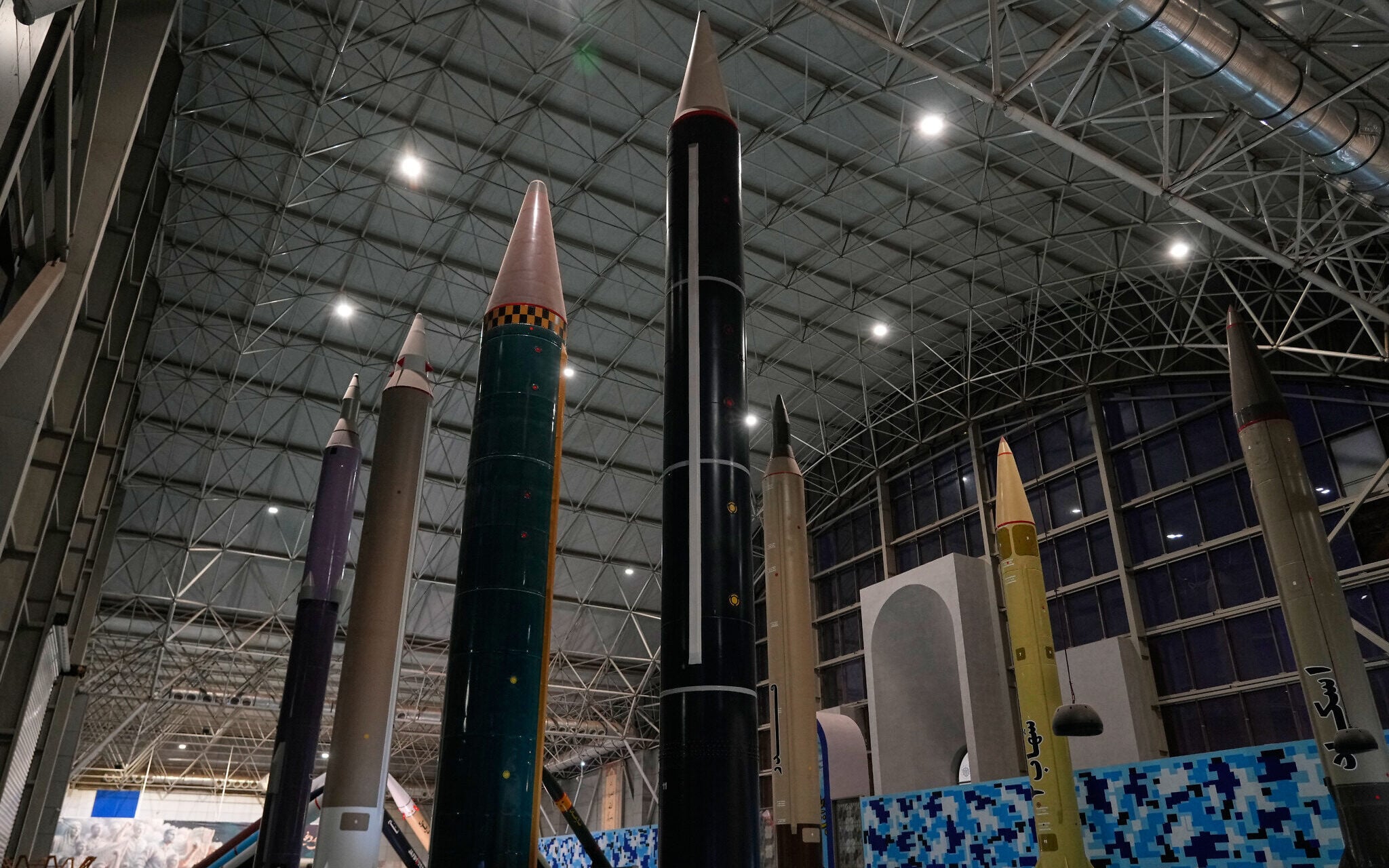
A separate report Wednesday by the Kan public broadcaster said US Central Command recently alerted IDF representatives in America to get ready for a potential resumption of the conflict against Iran.
Citing a US source, the broadcaster reported that Arab Gulf states have also been updated about a possible renewal of fighting, a message that was similarly relayed through security officials. Trump himself, however, has in recent days played down the prospects of going back to war while at the same time insisting he does not care if a deal is reached.
The conflict has been ongoing, though at a far smaller scale since US-Israel strikes on Iran that started in late February, prompting Tehran to choke off the Strait of Hormuz, a critical waterway for energy transit. The blockage has wreaked havoc on the world economy, causing energy costs to rocket. The US military in response imposed a naval blockade on Iran and has been working to help shield oil tankers transiting the Strait of Hormuz from Iranian attacks in an effort to get energy flows back toward their pre-war levels.