No breakthrough in latest Yashar-Likud unity talks; progress reported with UTJ
Parties of Eisenkot, Netanyahu agree to meet again after four-hour sitdown
Unity talks resumed Sunday between MK Gadi Eisenkot’s Yashar, who holds the mandate to form a government, and Prime Minister Benjamin Netanyahu’s Likud party, reportedly without breakthroughs.
Following the four-hour talks at a hotel in Herzliya, the parties said in a brief joint statement that they discussed “core issues” and would meet again, without saying when.
Likud was represented at the talks by MK Ofir Katz, the Knesset faction leader, and by Michael Rabello, Netanyahu’s long-time attorney.
Yashar was represented by MK Chili Tropper, Tropper’s former chief of staff Guy Gutman, and Netanyahu’s former chief of staff, Yoav Horowitz, who helped found Eisenkot’s party.
B’Yachad, whose leader Naftali Bennett supports an Eisenkot-led government with Likud, was not represented at the talks Sunday, despite having sent representatives to last week’s Yashar-Likud talks.
Reports in Hebrew media said the talks on Sunday did not address who would be prime minister or any potential rotation arrangement between Netanyahu and Eisenkot.
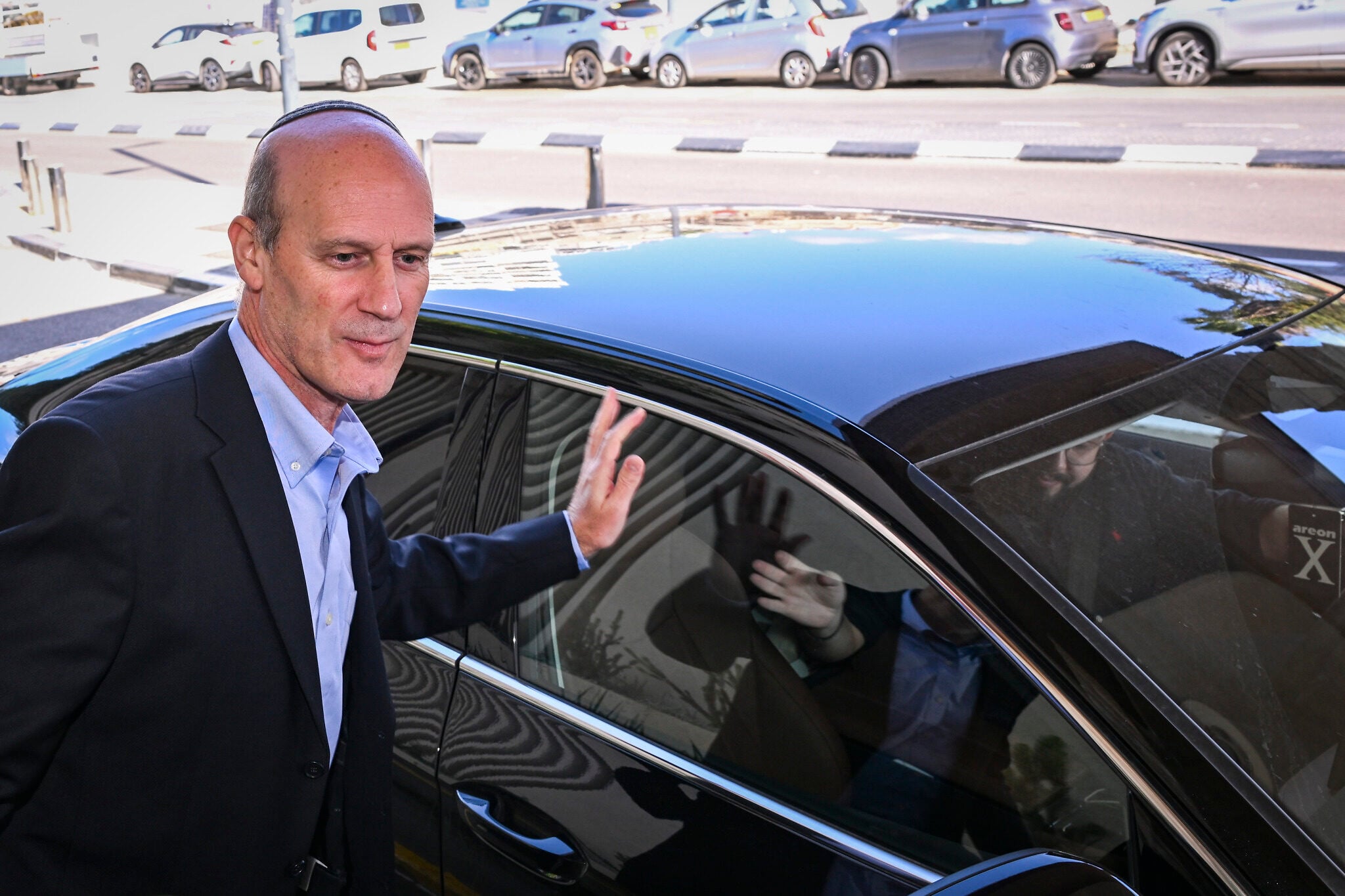
Negotiators reportedly discussed the Likud-led judicial overhaul, Haredi enlistment in the military, and a potential commission of inquiry into the Hamas-led onslaught of October 7, 2023, but did not reach any agreement.
Channel 12 and Ynet reported that the sides also clashed over including National Security Minister Itamar Ben Gvir’s Otzma Yehudit in a possible unity government, with Yashar reportedly opposed to governing with the far-right party and Likud non-committal on excluding it.
‘Significant’ progress in Yashar-UTJ talks on Haredi draft
Meanwhile, Channel 12 reported Sunday that Yashar had made what negotiators described as “significant” progress over the past 24 hours in talks for a possible coalition with United Torah Judaism.
The Ashkenazi Haredi party was in Netanyahu’s coalition in the last Knesset but refused to endorse him again for prime minister because of his government’s failure to codify a Haredi exemption from military service.
Channel 12 quoted sources in UTJ’s non-Hasidic Degel HaTorah faction as citing “positive progress” in talks with Yashar on Haredi enlistment, but warning that the sides were still “far from exchanging” proposals.
Eisenkot is expected to present a revised conscription framework this week after Degel HaTorah’s spiritual leaders rejected the Yashar chief’s last proposal, which would have exempted three percent of yeshiva students from military service in each conscription cohort.
According to Channel 12, UTJ wants “trust-building” legislation on Haredi military service to pass in the Knesset even before a government is sworn in.
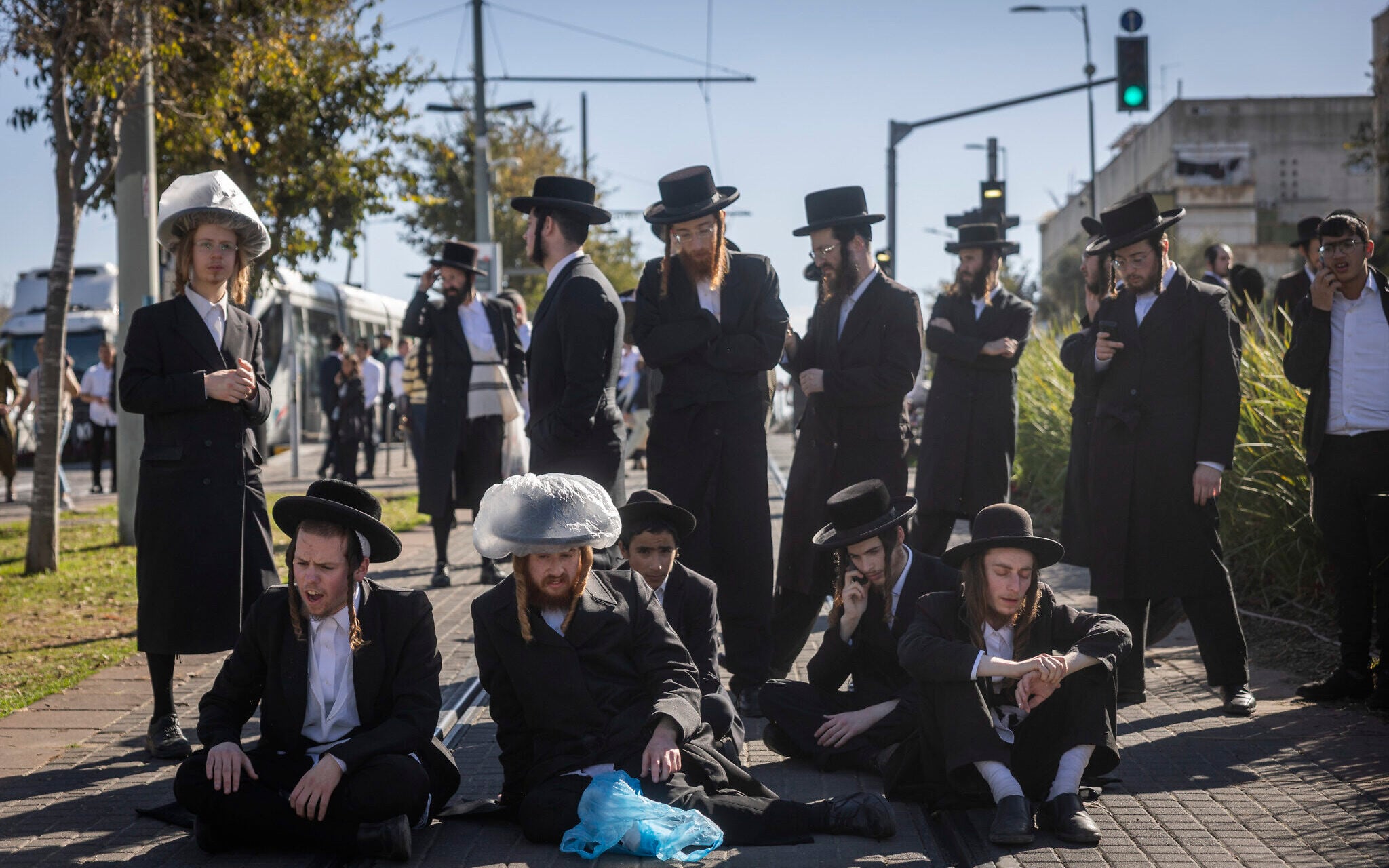
Such legislation is politically risky for Eisenkot’s bloc, whose four constituent parties all campaigned heavily ahead of the October 27 election on ending the Haredi exemption from military service.
MK Avigdor Liberman, head of the hawkish secularist Yisrael Beytenu, has since called for “painful compromises” with the Haredi parties on the draft issue in order to form a government that will unseat Netanyahu without relying on the support or abstention of the Arab parties.
MK Yair Golan, head of the left-leaning Democrats party, by contrast, said in an X post during the Yashar-Likud talks on Sunday that an Arab-backed minority government was “the only realistic option” and “must not be ruled out in advance — definitely not for dark reasons that reek of racism.”
Golan cited an “excellent partnership” with MK Mansour Abbas, head of the traditionalist Arab Ra’am party, and a belief that “agreements can also be reached with the Joint List,” a more strictly anti-Zionist Arab party that, unlike Ra’am, has no intention of joining any government.
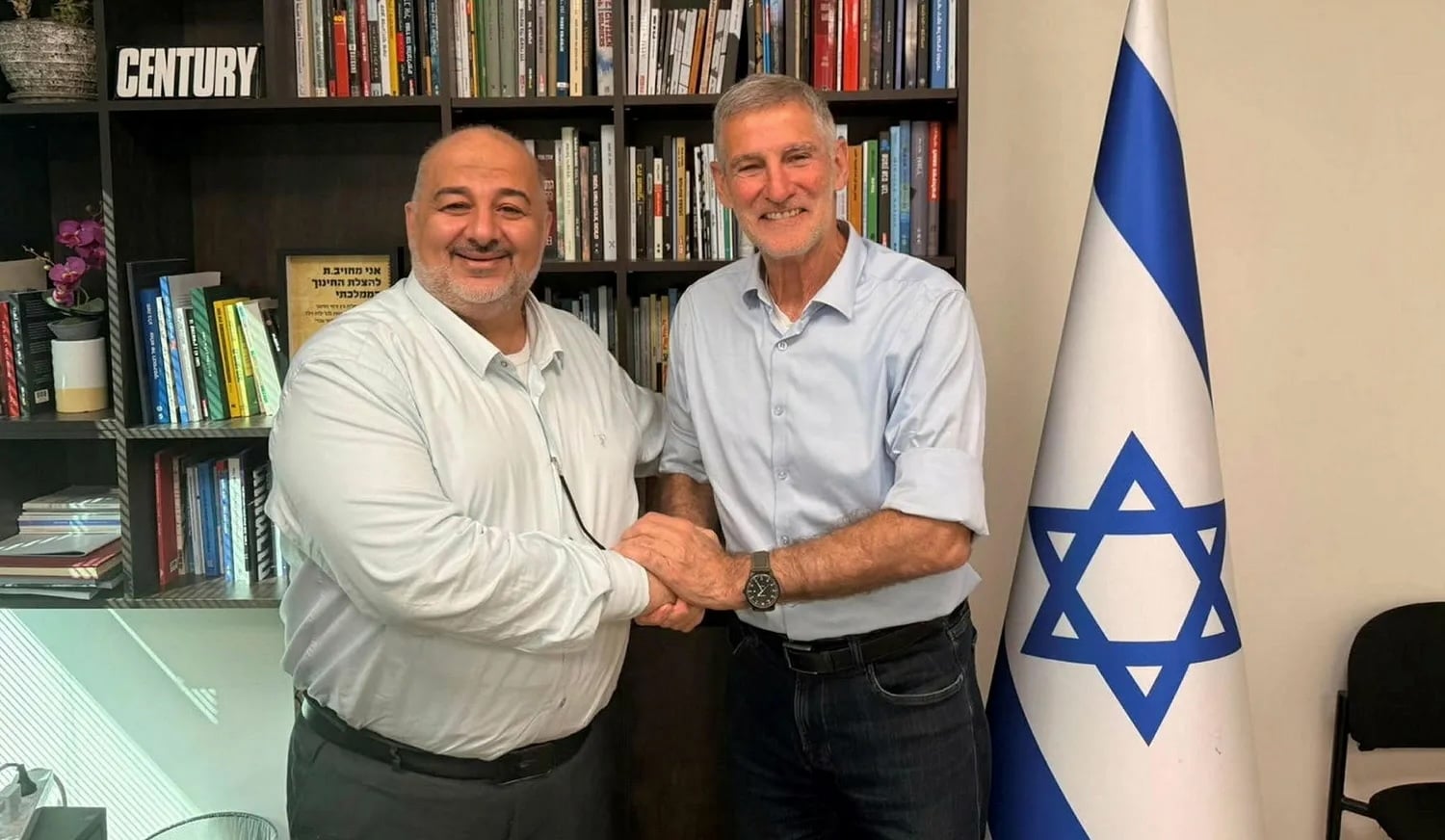
He added that a deal with Haredi parties should not be a condition to forming a government and that talks could take place “from a position of strength” once a government is sworn in.
Golan pledged to oppose any attempt at unity with Netanyahu. “Anyone who wants to form a unity government with Netanyahu is stabbing his own voters in the back,” Golan said.
The comments came after Bennett, the right-wing former prime minister who leads B’Yachad, met with Netanyahu for two hours last week, reportedly without notifying fellow party leaders in Eisenkot’s bloc ahead of time.
Golan is the only leader of Eisenkot’s bloc who openly backs forming an Arab-backed government, while Bennett and Liberman are openly opposed to doing so.
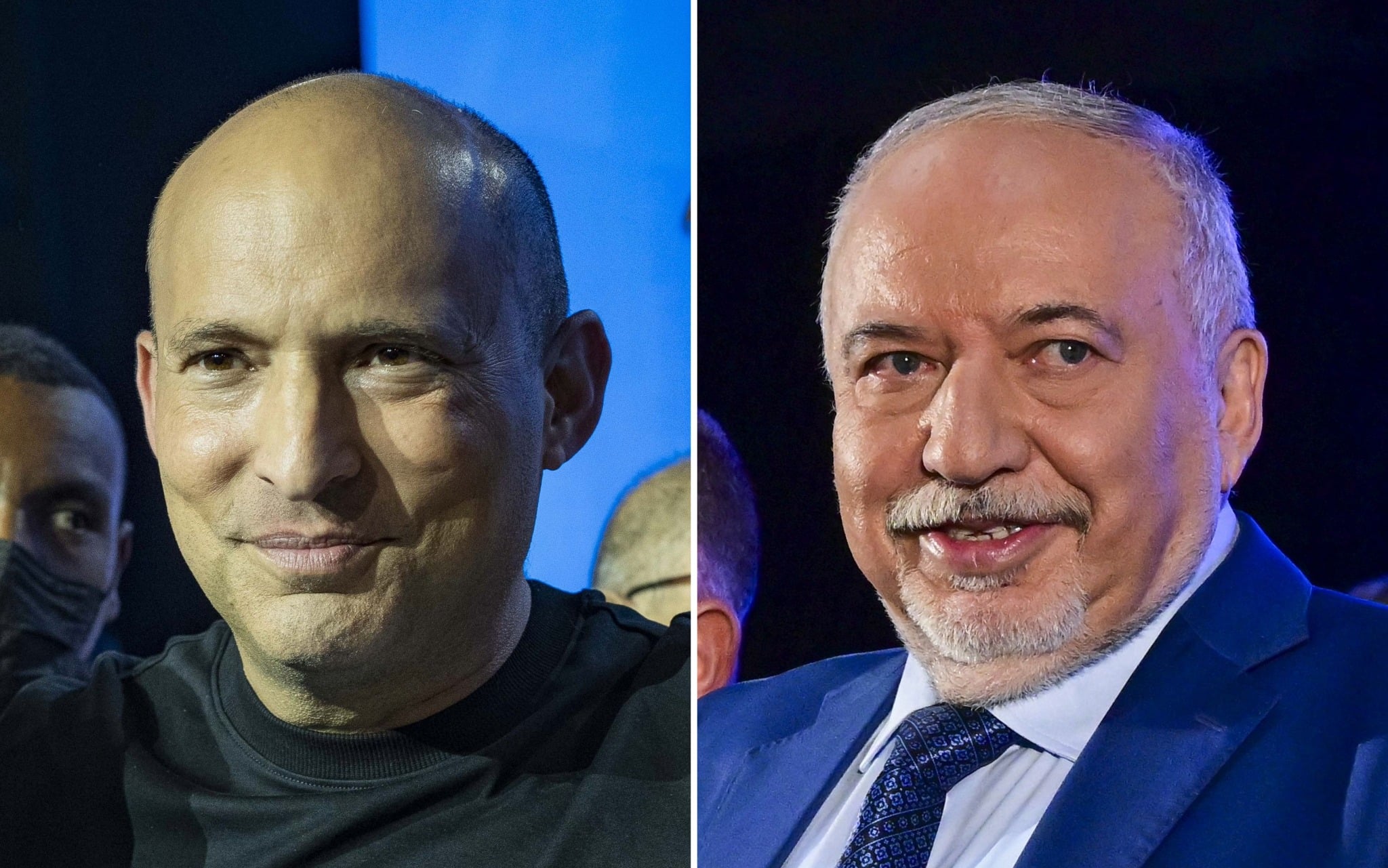
Eisenkot himself indicated Friday that if efforts to form a majority coalition fail, he would move to establish a minority government, which would likely rely on Arab support.
President Isaac Herzog earlier this month gave Eisenkot the mandate to form a government after the Yashar party chief received the endorsements of his own bloc, which controls a cumulative 48 of the Knesset’s 120 seats, and of the two Arab parties, which control a cumulative 19 seats.
Netanyahu’s bloc, which lost its parliamentary majority in the election, controls 53 seats, including 13 seats for the Haredi parties Shas and UTJ.