


This week, as we observe International Holocaust Remembrance Day, we pause to honor the memory of six million Jews murdered during the Holocaust. But remembrance alone is not enough.
Today in Israel one out of four of the 110,000 living Holocaust survivors lives in poverty, isolation and despair. How did this happen? How is it possible that so many can’t support themselves with dignity and meet their basic needs despite compensation funds and social programs specifically designed for them?
This is not about individual failure. It is the result of a collective blind spot: layers of administrative criteria, income thresholds, legal distinctions, and delays that ended up excluding the most vulnerable. This is more than just a social issue, it is a moral one. What does it say about a society that commemorates the Holocaust with solemnity yet fails to meet the basic needs of so many survivors, such as food and medication? What message do we pass on if remembrance is not matched by action? Can we speak of national dignity when many survivors must choose between heating their home and buying food?
Soon, it will be too late. Too late to act. Too late to correct.
The average age of survivors today is 87 years old. We lose 42 survivors every day. As these survivors age and their health declines, their need for assistance grows. Latet is dedicated to serving this vulnerable population across the country, both in routine times and emergencies.
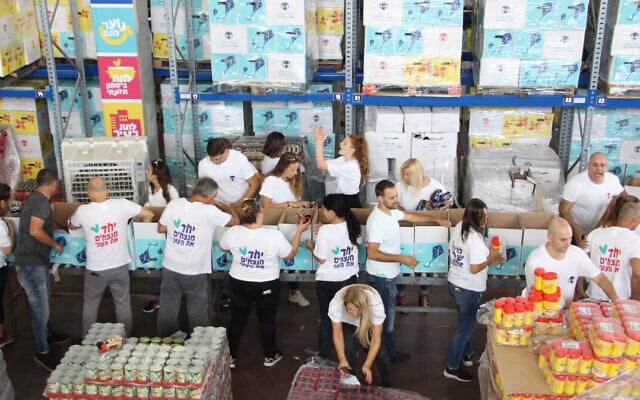
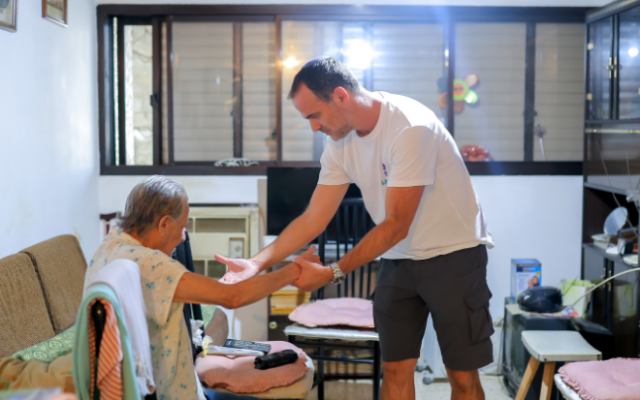
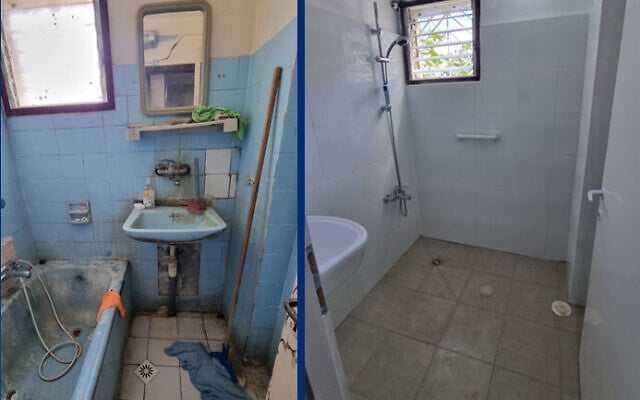
Action means addressing survivors’ needs as they age, and we do so with a dedicated team of experts specializing in elderly care. This includes delivering paramedical services such as dental care, eye tests, prescription glasses, and incontinence products. We carefully curate food boxes to meet dietary needs such as low-sodium and high-protein food. We also perform essential home renovations to reduce the risk of falls and its ensuing complications. To date, Latet has renovated over 5,000 apartments, replacing bathtubs with accessible showers, and modifying their homes to suit their needs and reduce tripping hazards, helping survivors remain safe and independent in their own home.
For nearly two decades, Latet, Israel’s largest NGO fighting poverty and food insecurity, has worked daily with Holocaust survivors living in poverty. Today, more than 1,700 survivors receive holistic support through Latet’s Holocaust survivor programs operating throughout Israel. This program provides unique support in both its scope and its lifelong commitment. Once a survivor is enrolled in Latet’s Aid for Life program, they receive assistance for the rest of their life. This model ensures continuity, dignity, and security for a population whose time is limited and whose needs are urgent.
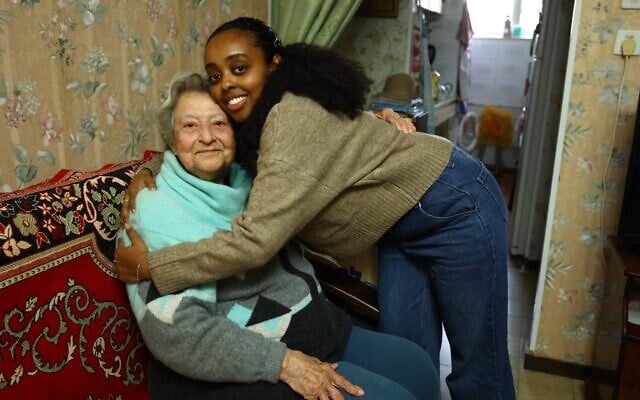
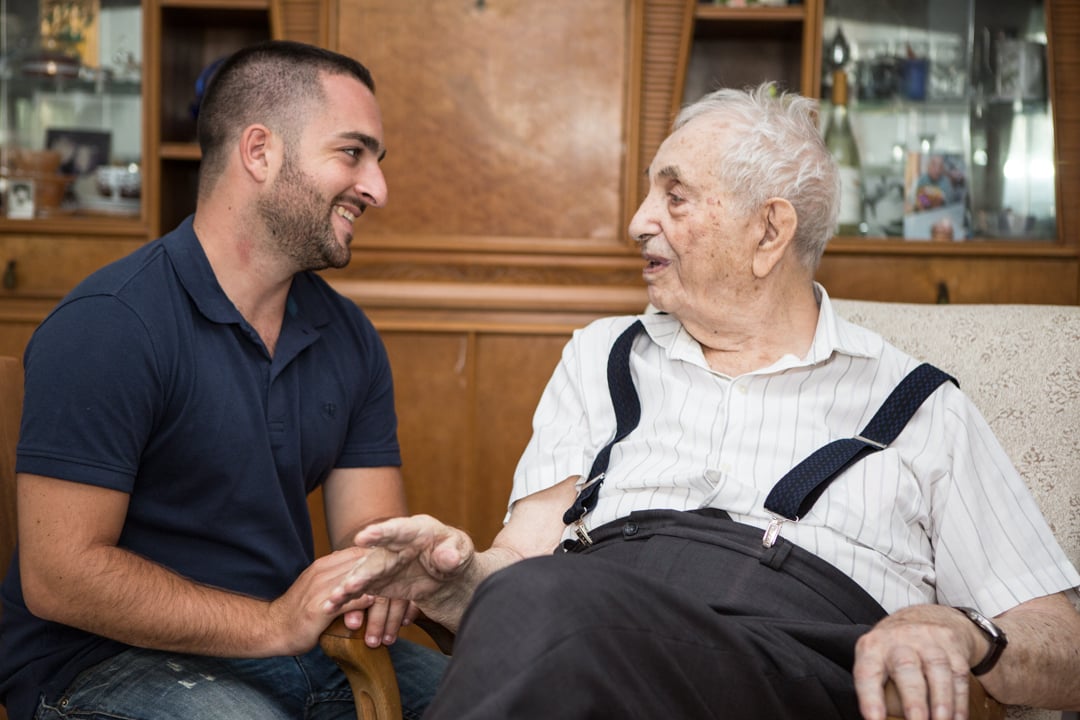
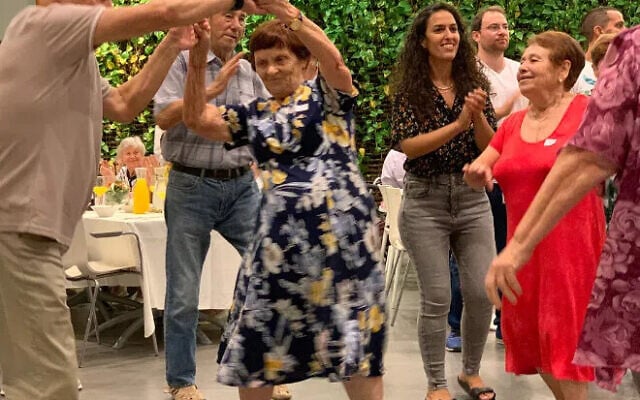
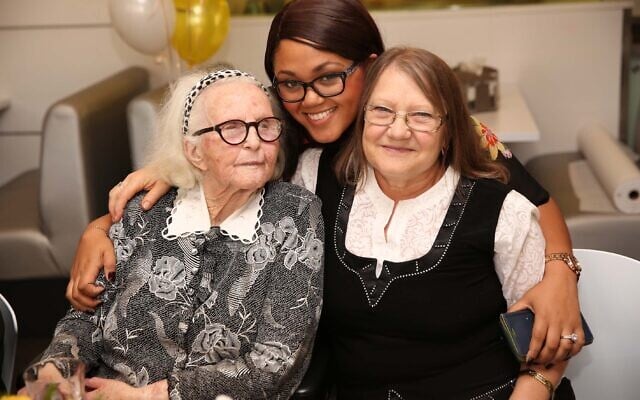
74% of the survivors supported by Latet live alone. Each survivor is paired with a designated volunteer who provides emotional support and alleviates loneliness. On Jewish holidays, Latet organizes small gatherings to share a meal and celebrate the holidays together with joy and provide moments of connection for people whose lives are often defined by loneliness.
At one such gathering, a woman in her early nineties asked to speak with a Latet volunteer privately. Her name was Zelda. She had piercing blue eyes. She recounted, quietly, how she watched the Nazis murder her parents. How she survived alone in the forests until the war ended. How she later came to Israel, orphaned, never married, carrying a lifetime of solitude that began in childhood. As we parted, she asked if they could hug. Simply to say thank you.
This moment is why it all matters. Beyond material assistance, Latet’s Aid for Life program offer a chance to remain part of society. To be seen, heard, and remembered while still alive.
When Latet launched the Aid for Life program in 2007, it was intended to address a temporary gap. Instead, we identified a structural gap. Today, due to a lack of resources, Latet is forced to turn away new applicants even as needs of survivors grow more urgent. Every name on the list is a reminder that time is running out.
Holocaust Remembrance Day shouldn’t only be about remembrance of the six million who perished. It must also focus on action for the 110,000 survivors in Israel who are still alive, so they may live in dignity as members of a society that honors and values them. Let us hope that next year, when we gather again to commemorate and honor Holocaust survivors, we will be able to say collectively that we did all we could to help as many of them as possible before it was too late.
To learn more about the condition of Holocaust survivors, connect with volunteer opportunities with Latet, or donate to support a survivor, please click here.