


I noticed the elderly gray haired man wearing a traditional German Alpine jacket, with green lapels and silver buttons. He held a folded map in his hand and asked me,
“Are you from here?”
“Kind of,” I answered.
“Can you tell me where the Mozarthaus is?”
“Just walk up this cobblestone street. At the end, on the left side, is the museum,” I said.
“Nice jacket,” I commented as I began to walk away. I should have kept going. But the man said something I could not quite understand, and I turned back.
“I am off to Brno for a meeting of Germans to memorialize the day thousands of Czechs murdered us. They clubbed them to death and chased them out after the Sudetenland was taken. I am from Munich.”
I stood there frozen. I could not move, though every instinct told me to walk away. Why would this stranger tell me this story?
And then I answered.
“You Germans clubbed and murdered ten million of our people.”
He stared at me.
“Sie sind Jüdin?”
(You are Jewish?)
“Yes, I am. And because of you, I never had grandparents.”
He started weeping like a baby, right there on that Viennese street, where only five minutes earlier he had asked me for directions to the Mozarthaus.
“Just walk straight another 400 feet,” I said. “On the left is your destination. On the right stands a policeman guarding the synagogue where I prayed my entire life, because your people burned down our houses of worship.”
“I am so sorry,” he whimpered, his apologies barely audible.
“Let us leave it at that,” I said, and walked away.
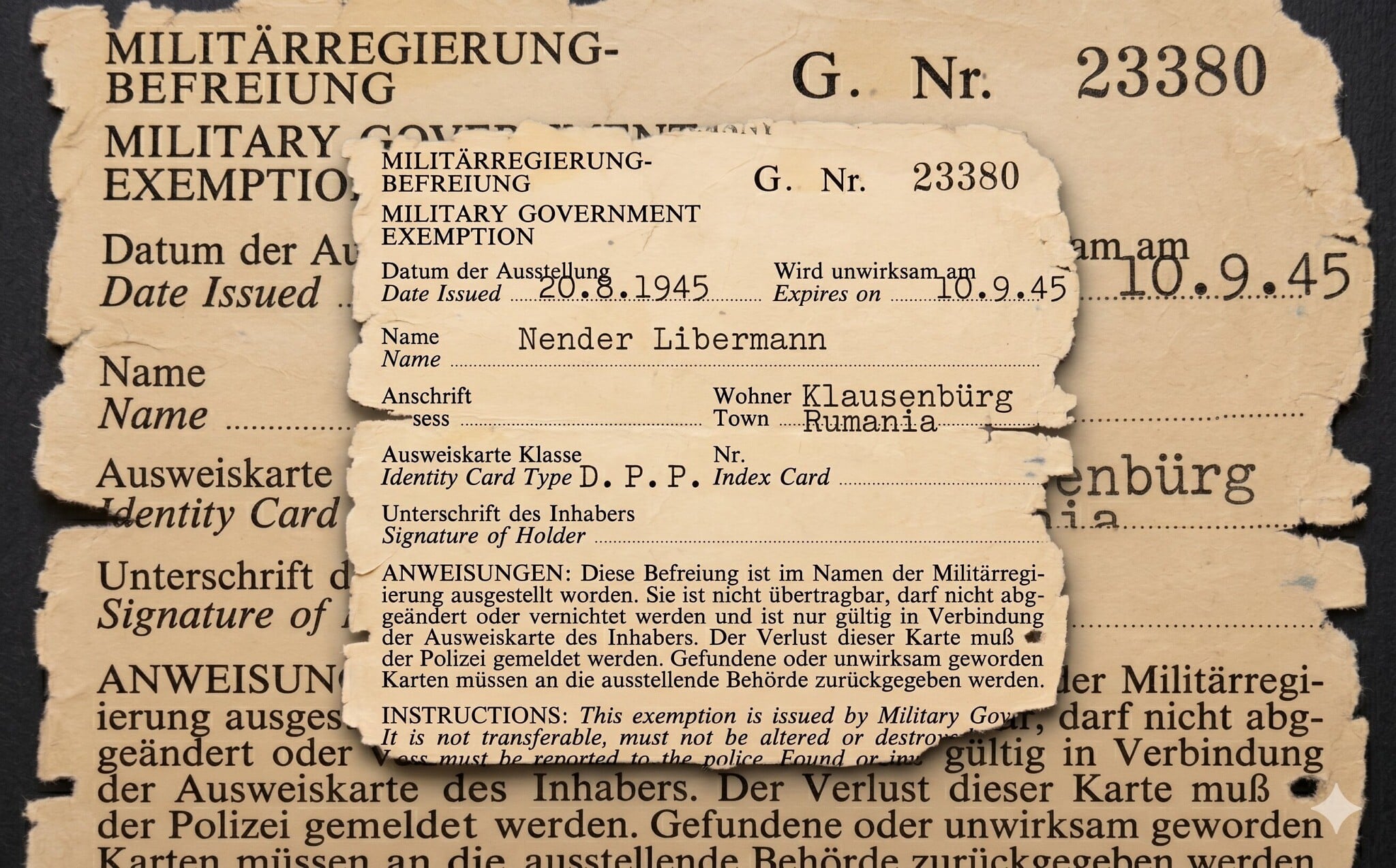
When they released my father z“l after almost a year of recovery from four different concentration camps, the allied authorities handed him this fragile piece of paper, which somehow represented his feeble physical state.
“This gives you permission to travel and search for surviving family members!”
This German in the traditional jacket who approached me, he and his fellow hangmen removed any kind of identification from my father.
This remnant of an ID was the first proof of my fathers survival.
More than once in Los Angeles, in my writing classes, I sat alongside German students who, like me, wrote personal stories and read them aloud to the group. I wrote about my parents’ survival. Some of the Germans wrote about parents with Nazi pasts, about wanting to distance themselves from Germany’s history.
Except for one woman. She never wanted to read her stories while I was in the room. Only after I left early one day for a trip to visit my parents in Vienna did she finally reveal that her parents had celebrated Hitler’s birthday all their lives.
So when I saw this old man in his traditional jacket, I did not see merely an elderly tourist asking for directions. I saw one of those faces from my youth, men whose generation had cast a shadow over our lives.
And now here he was, weeping before me, asking in his own broken way for forgiveness.
I do not know what brought him to that moment. Regret. Age. Memory. Loneliness.
But I know this: some wounds do not disappear simply because the perpetrators grow old.
Dear Times of Israel Readers,
Many of you have followed my stories on The Times of Israel.
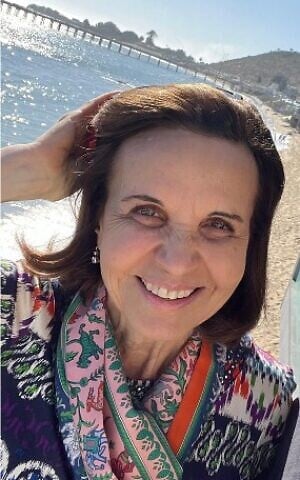
I love to write about family, faith, Israel, Jewish continuity, and the legacy of Holocaust survivors.
Over the years, I have shared personal reflections from Vienna, Los Angeles, and Israel, stories of survival and rebuilding, of grandchildren and soldiers, of Jewish life, memory, and hope. My goal has always been to preserve the experiences of a generation that witnessed history and to connect those lessons to the challenges and blessings of our lives today.
I invite you to continue following my blog on The Times of Israel and to share these stories with family and friends.
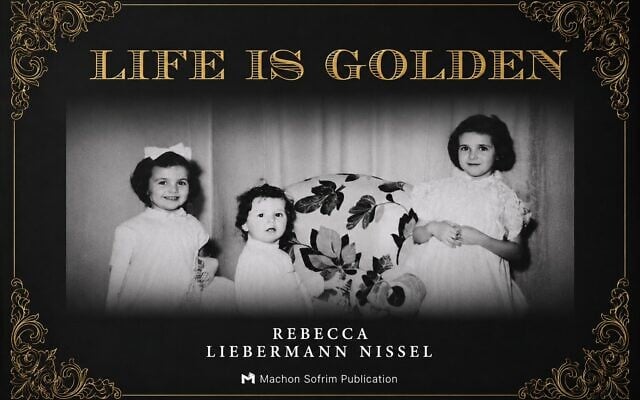
For readers who would like to explore a larger collection of these essays and reflections, many of them have also been gathered into my book, Life Is Golden.
Thank you for reading, for commenting, and for being part of this journey.
Warm regards,
Rebecca Liebermann Nissel
Author and Times of Israel Blogger