


“Shema Yisrael. It’s starting.”
Sara* froze as the first siren pierced the air of her Bat Yam neighborhood. Her husband, Ya’akov*, was still at Shul. Clutching her walker, the elderly woman began the grueling descent down three flights of stairs. Ninety seconds to find safety. She knew she’d never make it in time, but remembering the devastating missile strikes from the previous June kept her moving.
By the time the thundering “boom” of the interception echoed through the stairwell, Sara had only reached the second floor. She stood there, trembling and praying, until the silence returned. As her neighbors emerged from the shelter, she began the slow, painful climb back to her apartment to wait for the next alarm. *Pseudonym
For Israel’s impoverished communities, war is a physical and psychological weight that compounds the existing struggles of daily life. As the holiday of Pesach approaches, this weight feels even heavier.
Give Someone a Fish…
Since the establishment of the Jaffa Institute in 1982 by social worker Dr. David Portowicz and Col. Ze’ev (Zonik) Shaham z”l, it has been a beacon of light for Israel’s most vulnerable populations. What began as a grassroots response to severe social neglect in the greater Tel Aviv region has blossomed into a premier social service agency, transforming thousands of lives each year.
We’ve all heard the saying “Give someone a fish and they’ll eat for a day; Teach them to fish and they’ll eat for a lifetime.” Right? Not always! The Jaffa Institute understands that to break out of poverty, you have to do both, and has therefore adopted a holistic approach, providing nutritional, educational, therapeutic and community support through its programs. Proper nutrition lays the foundation for healthy cognitive and physical development; providing therapy helps children and families process challenges and build resilience; enrichment programming exposes them to new skills and aspirations and broadens their horizons; and strong educational support equips them with the tools to pursue higher achievement and economic mobility. When these elements work together, they can begin to dismantle the entrenched barriers that perpetuate poverty across generations.
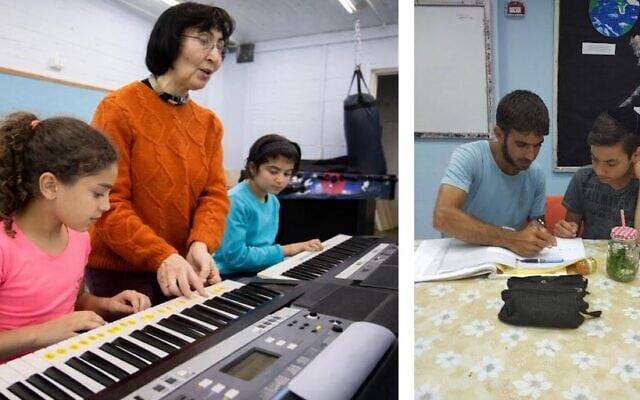
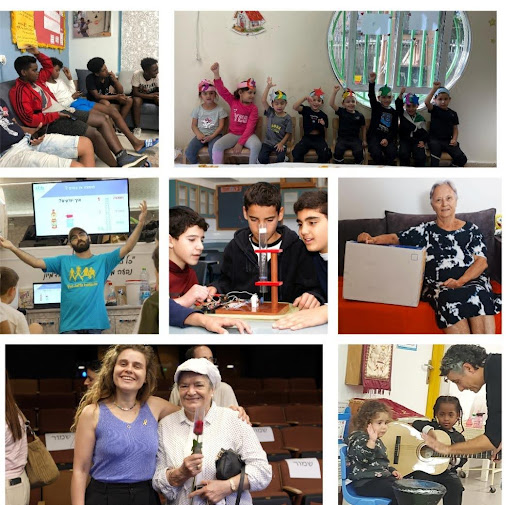
Today, the Institute’s dedicated staff operates over 40 educational, nutritional and therapeutic programs serving thousands across depressed areas of Israel. Its flagship programs include, among others, a network of 20 after-school educational enrichment centers serving around 300 at-risk children and youth; “Welfare to Wellbeing”, a highly successful vocational training program for chronically unemployed women, including women from Ukrainian and Ethiopian backgrounds, as well as former prisoners, and the Bet Shemesh Educational Center, a residential high school for at-risk teens, including a large cohort of Haredi youth, preparing them for matriculation exams and IDF service, alongside Jewish studies. One of the Jaffa Institute’s more recent initiatives is the Road to Resilience program.
The Road to Resilience
Since October 7, 2023, PTSD rates in Israel have nearly doubled to 29.8%, and anxiety affects 43% of the public. With the public health system overwhelmed and wait times for therapy stretching to six months, many are left to suffer in silence.
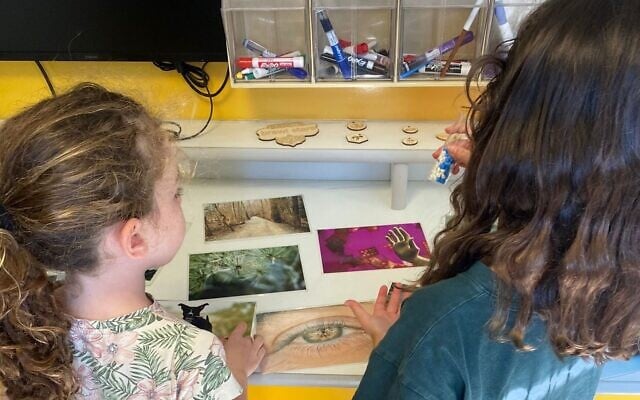
In response, the Jaffa Institute launched the Road to Resilience program. This initiative brings clinical expertise directly to the doorsteps of those in volatile regions including Gaza envelope communities. By offering unconventional therapies – such as therapeutic photography, cooking, and drama – in relaxed settings, the Institute helps children process trauma that words alone cannot reach. As a young photography program participant noted while gesturing to her photo of a solitary tree:
“This tree stands on its own. It isn’t strong, and if it falls over, there’s no one to catch it.”
The Jaffa Institute strives to be the one who catches them.
Times of Unrest
Since October 7th, the Jaffa Institute has leveraged its established nonprofit network to meet urgent wartime needs. Key initiatives include providing food and clothing to evacuees and those affected by missile strikes, alongside therapeutic and educational support and educational kits for children in shelters.
To maintain continuity of its core programs while complying with Home Front Command restrictions and meeting evolving needs, the Institute has initiated:
● Adapted Education: Shifted all youth programming to Zoom for seamless support and home delivery of Mishlochei Manot to program participants
● Elderly Outreach: Provided daily social contact via volunteers and coordinated temporary housing in aged-care facilities for those lacking accessible shelters.
● Food Security: Fast-tracked grocery deliveries for those unable to reach stores, with a heightened focus on this vital aid as Pesach approaches.
Restoring the “Festival of Freedom”
“In every generation they stand up against us to destroy us. But the Holy One, Blessed Be He, redeems us from their hands.”
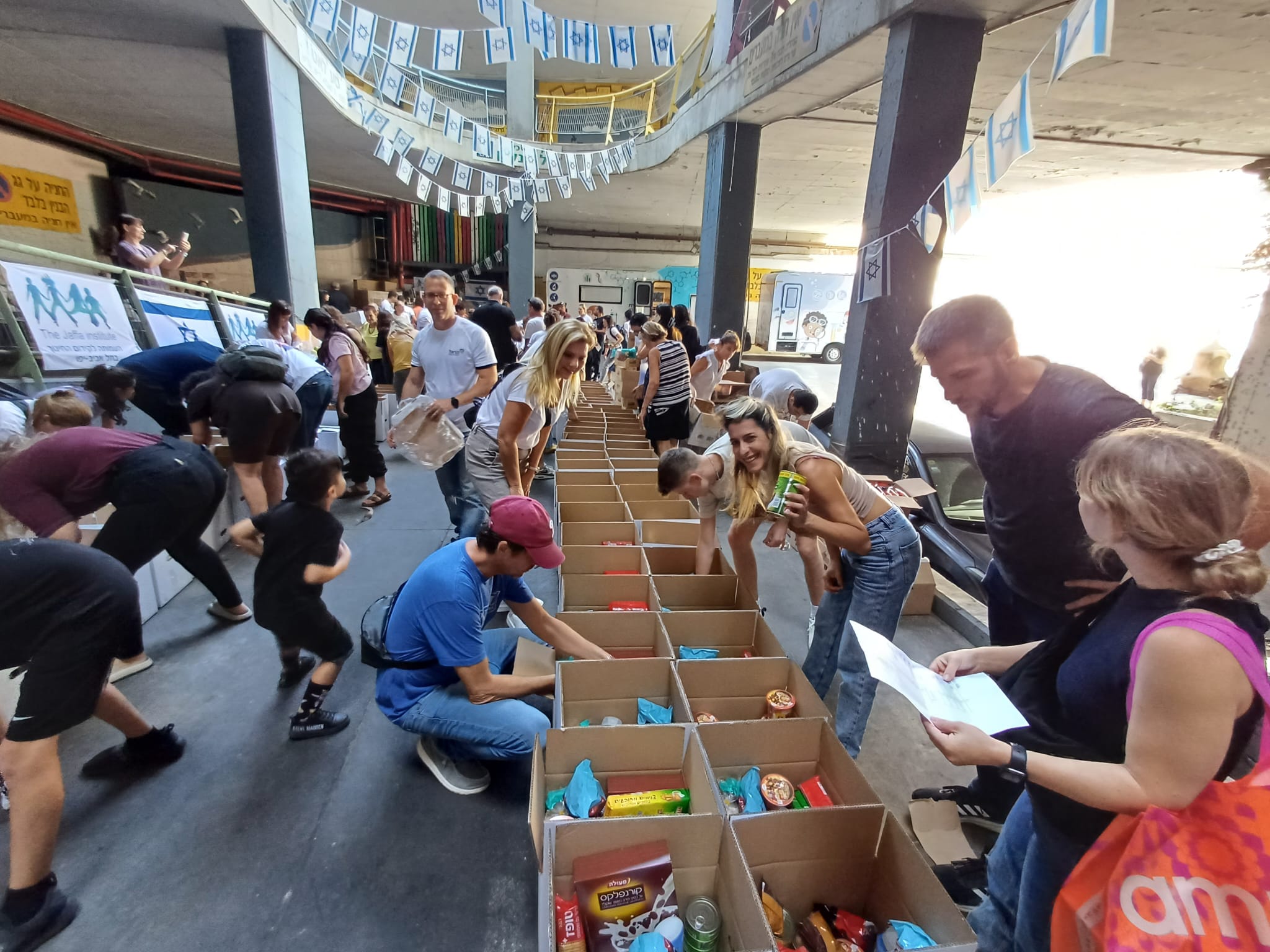
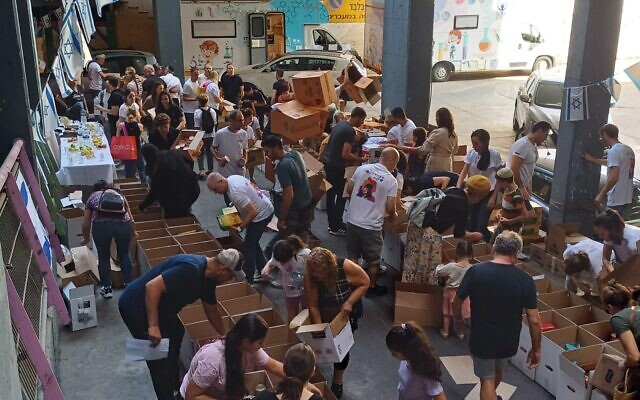
Passover is the ultimate celebration of freedom and emergence from peril. However, for families struggling with war-generated economic crises, the holiday can become a source of immense stress rather than joy. The Jaffa Institute’s annual Pesach Food Package Drive has therefore taken on a deeper meaning this year. By providing special holiday food packages, the Institute ensures that impoverished families and seniors can celebrate with the dignity they deserve, ensuring that Israel’s most vulnerable are full participants in this momentous occasion. Please support us in that mission.
A Proven Legacy
The Jaffa Institute’s success is measured in national recognition. Its achievements have twice earned it The President’s Prize for Most Outstanding Voluntary Organization, and the Ministry of Education’s Top Prize for academic excellence. From closing educational gaps to supporting Holocaust survivors, the Institute remains dedicated to dismantling the barriers of intergenerational poverty, one family at a time.