


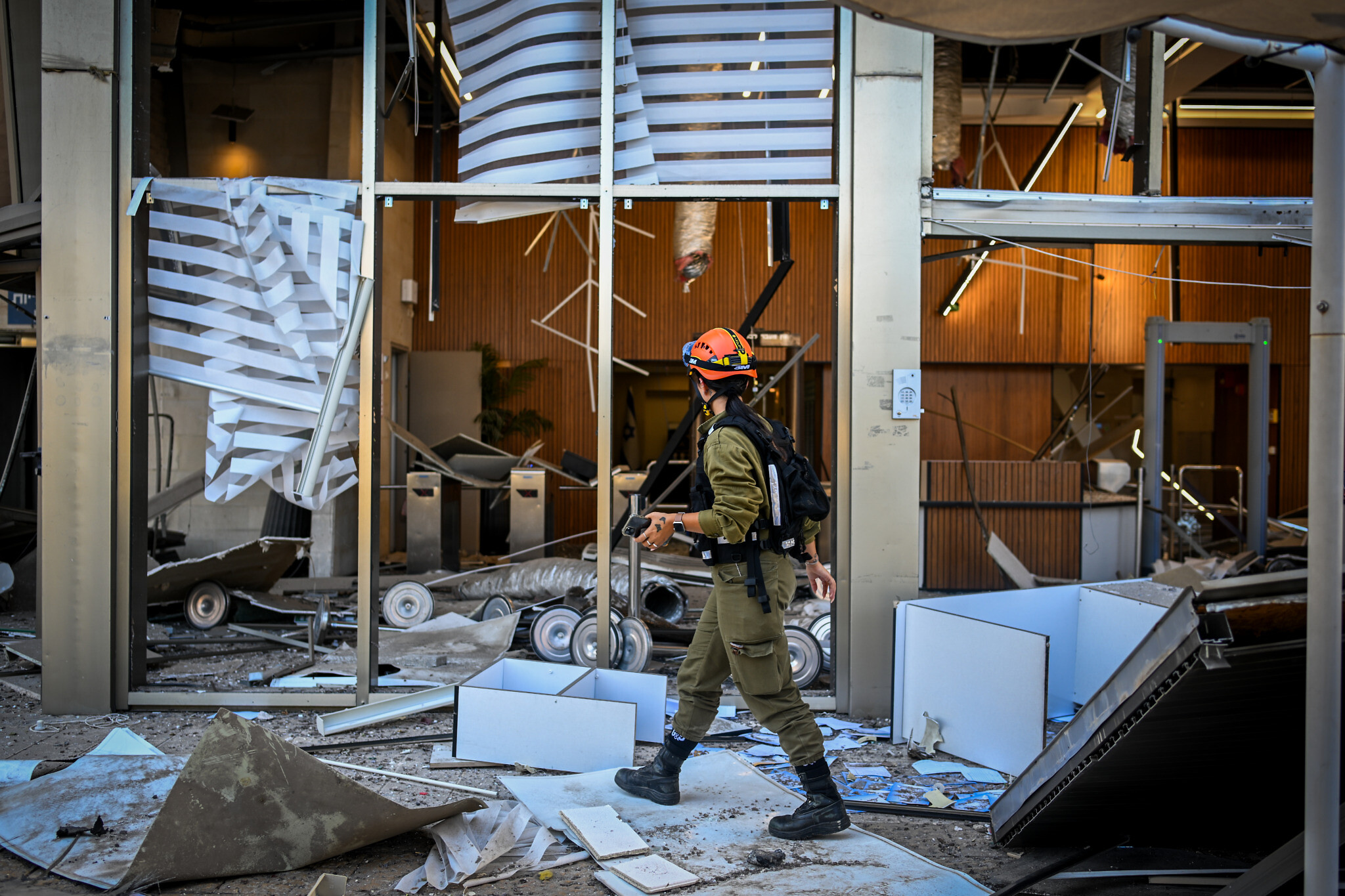
For many, the war’s financial impact is immediate. Salaries are interrupted, businesses slow or shut down, and uncertainty replaces any sense of stability. But this disruption is not happening in isolation. Many households and small businesses were already struggling to recover from the ramifications of October 7, ongoing security escalations with Iran and Hezbollah, and in some cases, the lasting effects of the COVID-19 period. Within days of Operation Roaring Lion’s launch on February 28, the economic strain was already being felt across communities nationwide.
Two days after the start of the war, Ogen, Israel’s leading nonprofit social lender, activated a dedicated Emergency Command Center, scaling its nationwide financial support operations: providing interest-free and subsidized loans, alongside one-on-one financial guidance, to meet the rapidly growing demand. Staff were mobilized, loan approval processes accelerated, and volunteers deployed to ensure that support could reach those in need without delay.
Ogen has been here before. Since its founding in 1990, the organization has stepped in during moments of national crisis, from the Second Intifada to COVID-19, and more recently following the events of October 7. In the period since those attacks alone, the organization has disbursed nearly NIS 500 million in emergency credit.
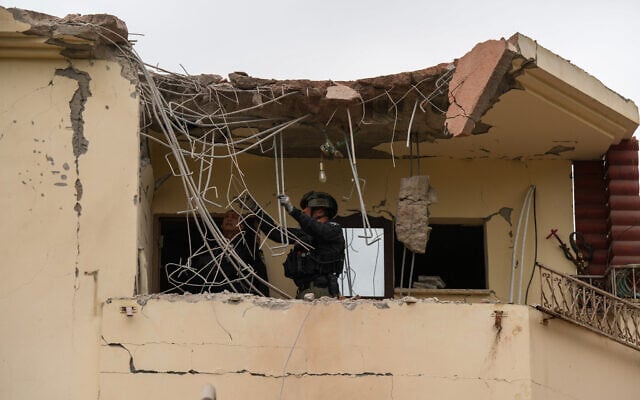
Now, Operation Roaring Lion is driving a new wave of need.
In the first weeks of the operation, more than 5,000 Israelis have already reached out for support, including households facing sudden income loss, reservists called away from their livelihoods, small businesses struggling to remain operational, and nonprofits working to continue providing essential services under pressure.
And these numbers are expected to grow. As Israel navigates one of the most prolonged and economically costly periods in its history: following October 7, continued escalation in the north, and repeated disruptions to businesses and livelihoods, many households and small businesses remain under sustained financial pressure, particularly in northern communities that have faced ongoing instability and displacement.
When financial shocks are left unaddressed, they tend to compound. For example, Yaara, a mother of three in northern Israel, was already navigating financial strain when her partner was called up for extended reserve duty, leaving her to manage ongoing expenses without stable income. Similarly, Omri, a small business owner, saw his activity decline sharply as employees were called up and customers disappeared. Without timely support, situations like these can quickly escalate, pushing families toward high-interest debt, businesses toward permanent closure, and community organizations toward scaling back or ceasing operations altogether. Early intervention can change that trajectory.Through its emergency programs, Ogen is providing interest-free loans to households, and low-interest loans to small businesses and non-profits facing acute financial strain; funds that can be delivered within days, at a moment when timing is critical. For many, access to affordable credit and practical guidance can mean the difference between survival and closure.
Alongside financial support, Ogen provides one-on-one economic counseling, helping families navigate debt, manage expenses, and understand available options during a period of uncertainty. For business owners and nonprofit leaders, structured mentoring programs offer guidance on maintaining operations and planning for recovery, even as conditions remain unstable. The goal is not only to respond in the moment, but to prevent longer-term damage.
Ogen’s approach is built around that principle: combining immediate assistance with tools for longer-term resilience, and leveraging philanthropic support to extend the reach of its lending.
The scale of the need, however, continues to grow.
In the coming months, Ogen is preparing to support thousands more families, small businesses, and nonprofits affected by the ongoing situation. Meeting that demand will require significant additional resources, as the economic effects of the war continue to unfold.
As Israel navigates this period of uncertainty, the question is not only how to respond to immediate challenges, but how to ensure that individuals, businesses, and communities are able to recover and rebuild.
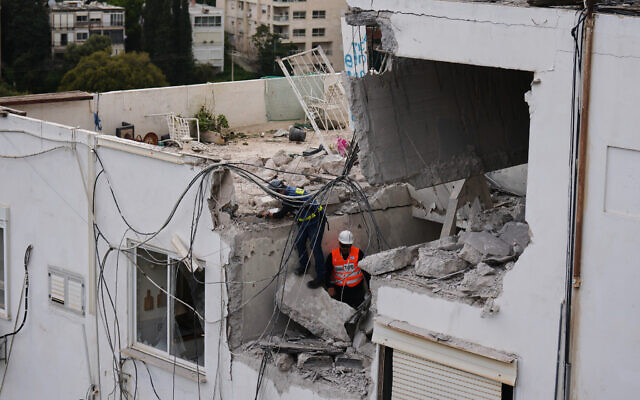
Ogen’s emergency response is already underway.
In the coming weeks, each loan delivered has immediate consequences; helping a family stay afloat, a small business remain open, or a nonprofit continue serving its community. At a time when the economic pressure continues to build, timely support can determine whether individuals and communities recover, or fall further into crisis.