


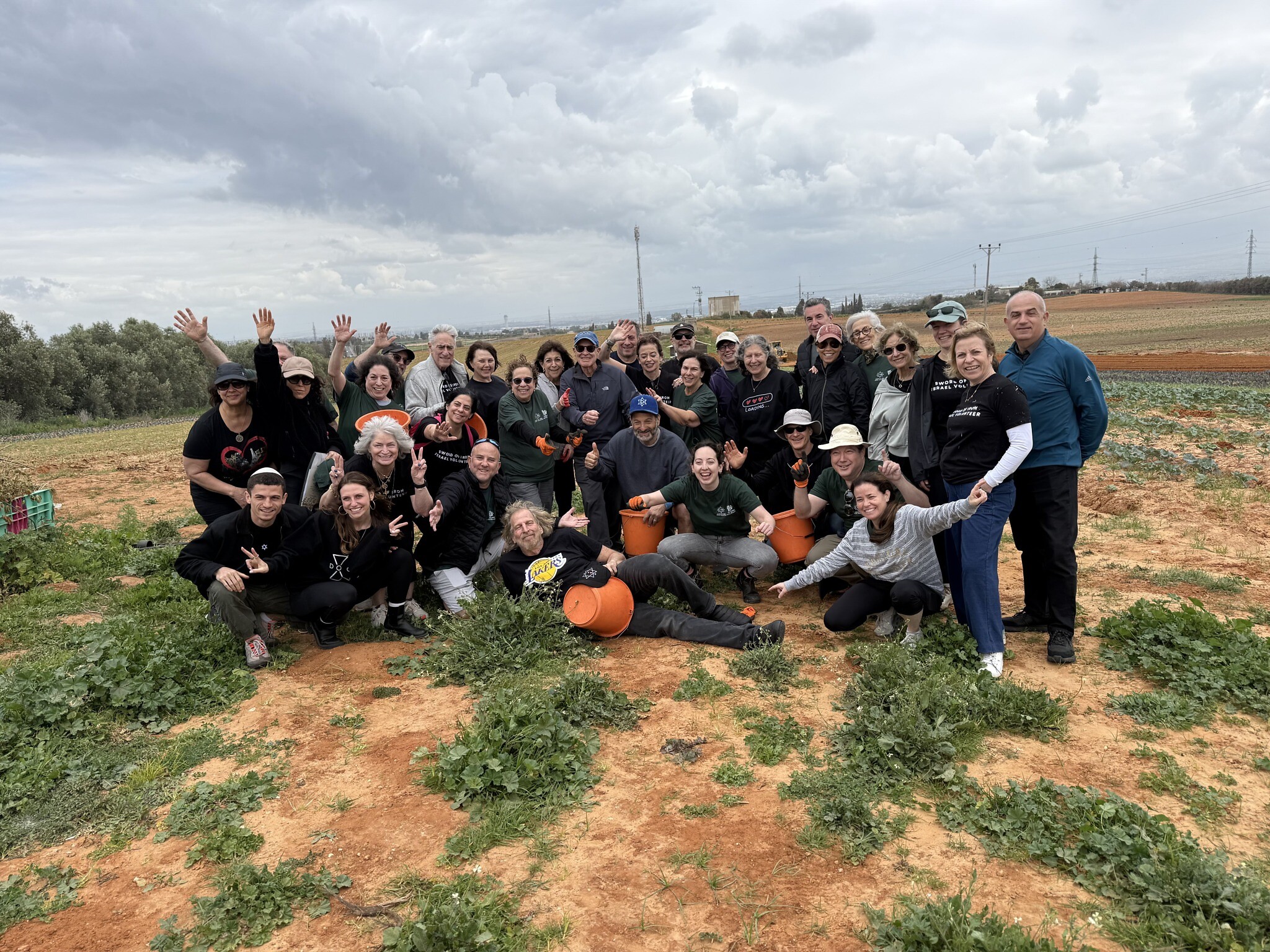
When war breaks out in Israel, volunteering is not an afterthought, it is an instinct. For Olah, Yocheved Kim Ruttenberg, that instinct became a movement.
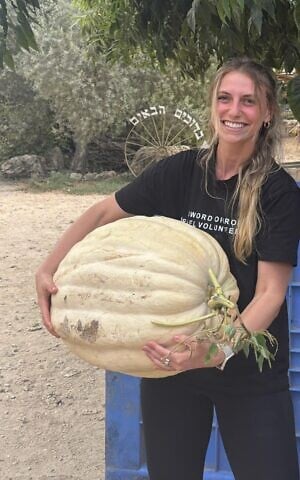
After arriving in Israel in the wake of the October 7 attacks, Ruttenberg began connecting volunteers to opportunities across the country, translating and sharing ways to help for an international audience.
What started as a grassroots effort quickly grew into a global volunteer network called Iron Sword Israel Volunteer Corp, mobilizing tens of thousands of people to support Israel on the ground and from abroad.
Now, as the war with Iran wages on, her network is once again dispatching volunteers to clean and restore homes damaged by missile strikes, support reservist families, and assist communities under strain.
But the story of this moment is not only about the organization, it is about the people who show up.
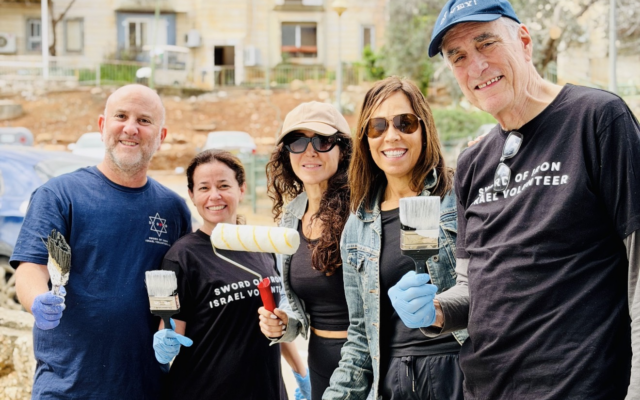
Among them are a growing number of Olim (immigrants to Israel), many of whom arrived in Israel only recently, yet already feel a responsibility to their new communities and are deeply embedded in the country’s culture of resilience.
Many of these Olim made aliyah with the assistance of Nefesh B’Nefesh, in cooperation with the Ministry of Aliyah and Integration, The Jewish Agency for Israel, Keren Kayemeth LeIsrael, and Jewish National Fund-USA, organizations that continue to support new immigrants as they build their lives in Israel.
Nicole Schanker, made Aliyah from New York to Tel Aviv in July 2025, following a volunteer trip in the aftermath of October 7.

“I felt this need to be here—to be part of Israeli society,” she says.
Today, she volunteers at missile impact sites, helping clear debris from damaged homes.
“When you hear the booms, I feel like I can’t just sit around and do nothing,” she says. “Because I’m here, it would feel silly not to go out and help.”
Often arriving alone, Schanker joins teams of strangers, yet the sense of connection is immediate.
“You feel alone, but very connected at the same time,” she says. “Everyone is there for the same reason. You don’t get that anywhere else besides Israel.”
For her, the work is about more than cleanup. “You meet people whose homes were destroyed. It’s not just glass—it’s listening, it’s being there,” she says. “You see how the country really comes together.”
That same spirit drew Pinchas Stahl to Israel. He made aliyah to Jerusalem in December 2025, after years of knowing he wanted to build his future in the country.
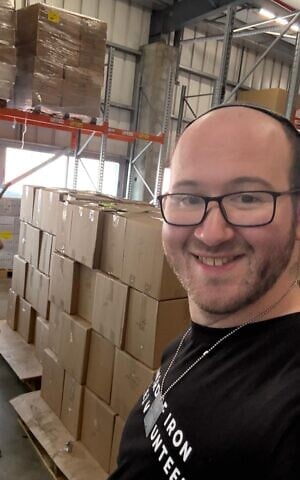
“Part of the reason I wanted to be here is because everybody shows up for one another,” he says.
Stahl has spent much of the war volunteering—preparing Shabbat meals for soldiers, donating blood, and supporting reservist families.
“In the middle of everything, I wanted to go out and help, to be part of what’s happening here,” he says. “Volunteering is how I show up for my community.”
Despite the challenges of living through conflict, he says being in Israel brings a sense of clarity.
“Being outside of Israel doesn’t necessarily make things easier,” he says. “Here, even with everything going on, there’s a sense of purpose.”
That sense of purpose also shaped Rebecca Laskin’s journey. The 24-year-old from Vancouver arrived in Israel in January 2024 through an internship program delayed by the October 7 attacks. Out of an original group of 70 participants, only 28 chose to come.
“If I could have come right after October 7, I would have,” she says.
She later made aliyah, pivoting from plans to study in London to enrolling in a social work master’s program in Israel. Today, she works with young female Olim, continuing therapy sessions even as the war unfolds.
“Everyone was feeling a bit helpless, and the first thing I wanted to do was give back,” she says.
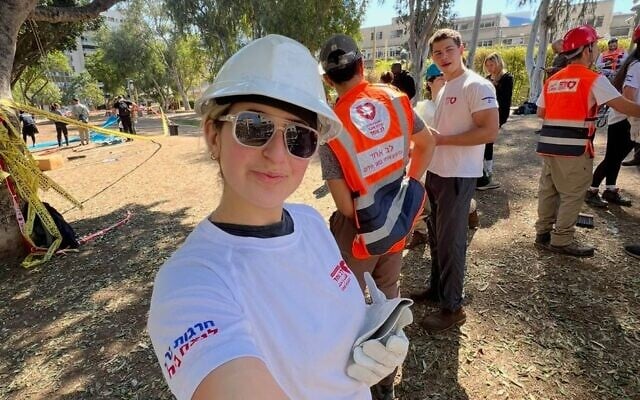
Like Schanker, she volunteered at missile impact sites, experiences that left a lasting impression.
“The residents who were native Israelis, asked me why I wasn’t leaving the country,” she recalls. “I told them this is exactly why I’m helping. This is my way of showing I’m not going anywhere.”
For Laskin, volunteering is deeply emotional.
“When you feel helpless, the most grounding thing you can do is help someone else,” she says. “It shows people they’re not alone.”
All three are part of a broader wave of Olim who are not only integrating into Israeli society, but actively strengthening it during its most challenging periods.
Their stories reflect a defining feature of Israeli society: resilience is not abstract, but lived, expressed through individuals who choose, again and again, to show up.
For these Olim, Israel is not just where they live. It is their chosen home, and in moments of crisis, they are helping carry it forward.