


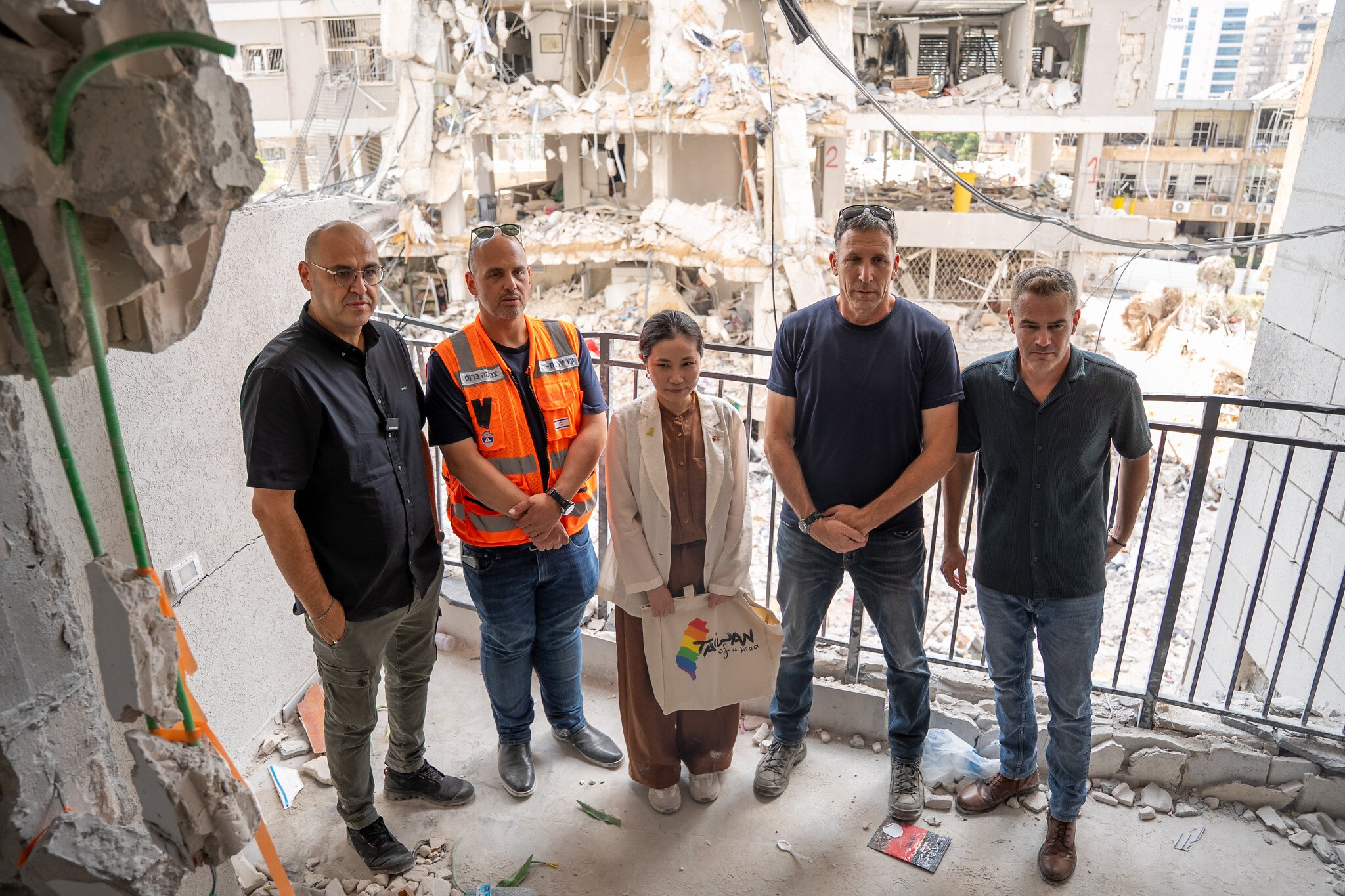
During last month’s 12-day operation against Iran, Pitchon Lev mobilized to deliver humanitarian aid to more than 11,400 people. Israelis suddenly left homeless, forced to evacuate, or found themselves in urgent need of basic necessities.
As ballistic missiles destroyed homes across the country, Pitchon Lev led the way on the humanitarian front of the war. Requests for aid increased by 600%, according to Pitchon Lev’s data.
“Pitchon Lev knows and has learned over the years to activate emergency systems on an international scale overnight,” said Eli Cohen, CEO of Pitchon Lev. “We are there for the citizens, down to the smallest detail. And we will not leave the citizens to deal alone with a mountain of bureaucracy, or with a lack of food and basic clothing.”
Founded in 1998, Pitchon Lev is a non-profit humanitarian organization dedicated to breaking the intergenerational poverty cycle in Israel. Pitchon Lev operates humanitarian aid centers throughout the country. Distributing food parcels, baby food, diapers, clothing, and other necessities to hundreds of thousands of people every year. The organization is funded and supported by individuals and federations worldwide and operated by more than 15,000 volunteers annually.
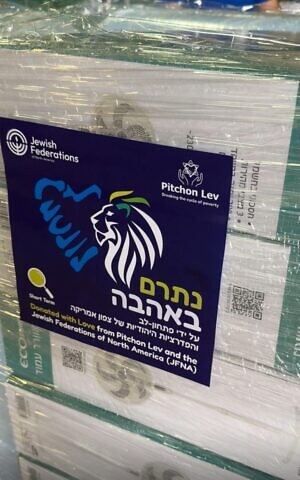
Pitchon Lev’s emergency aid initiatives during Operation Rising Lion (Am K’Lavi) was mainly funded by organizations abroad. The Jewish Federations of North America (JFNA) provided two grants to fund the distribution of emergency food parcels and essential supply kits, such as baby bundles, elderly care kits, and hygiene kits; and a second grant to equip public shelters with mattresses, chairs, fans, emergency lighting, and more. The United Jewish Israel Appeal UK (UJIA) also provided a grant for food parcels and emergency equipment kits.
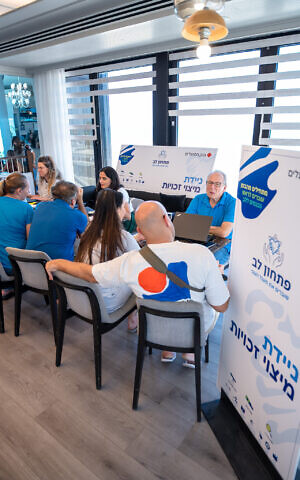
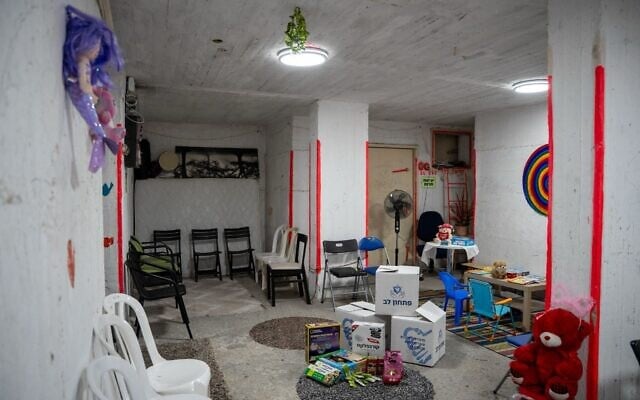
The UJA Federation of Greater Toronto provided a grant for Emergency Mobile Hubs for Rights Utilization in Bat Yam, its partner city. They also provided a grant for Bat Yam Public Shelter Safety Kits. These kits, provided to public shelters, made life significantly easier for Israelis without access to a shelter in their home or building.
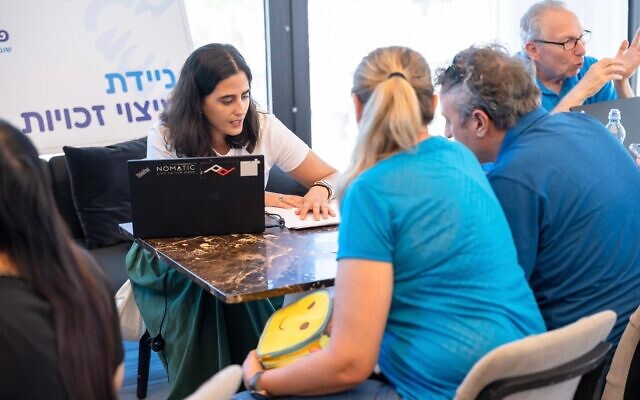
Emergency Mobile Hubs for Rights Utilization, like the one in Bat Yam, helps Israelis cut through red tape to access essential government aid. During Operation Rising Lion, many Israelis found themselves in need of government assistance for the first time in their lives. A daunting task to consider under normal circumstances and especially difficult amid a crisis. Navigating the bureaucracy can be overwhelming, and many were unsure how or where to begin.
Pitchon Lev first opened Mobile Hubs for Rights utilization after October 7, 2023. They sent teams to hotels and community centers where evacuees were housed. Volunteers circulated with laptops to help evacuees understand their rights and apply for aid they were entitled to. The first wave of mobile hubs operated until March 2024.
This new wave of mobile hubs was opened during Operation Rising Lion. Much like at the beginning of the Swords of Iron War, volunteers assisted families in need receive an additional 3,425,354 shekels in aid from government agencies.
During Operation Rising Lion, Pitchon Lev received an unprecedented number of requests for assistance. The organization responded to 8,690 requests relating to the war. Pitchon Lev provided nutritious food parcels, essential equipment for households such as clothing, hygiene products, toys, and electrical appliances to those who were evacuated or lost their homes.
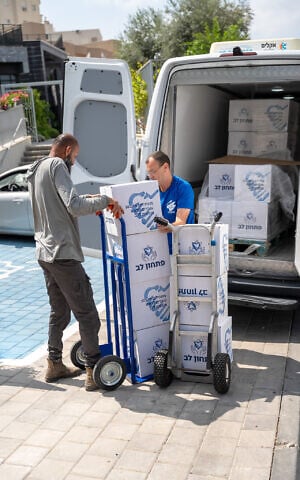
The value of humanitarian aid transferred directly to victims during Operation Rising Lion was 2,927,667 shekels. This was distributed across 59 communities such as Ramat Gan, Rishon Lezion, Haifa, Beer Sheva, Shfaram, Karmiel, Tamra, Ashdod, Bnei Brak, Bat Yam, Azor, Tel Aviv, Herzliya, and more.
“We at Pitchon Lev believe that a significant part of the rehabilitation of families is carried out through a process of understanding rights, and we accompany them until they are actually realized,” said Cohen, Pitchon Lev’s CEO. “We operate with an expanded and in-depth center that helps all residents of the State of Israel cope and stand up for their rights.”
Pitchon Lev was able to provide immediate aid to so many Israelis by creating a designated call center and field team to assist during the war. Volunteering activity also soared during the war, as thousands volunteered their time nationwide.
In normal times, when Israeli society is not in crisis or in a war, Pitchon Lev operates many programs to break the intergenerational cycle of poverty. Providing aid is just the first level for accomplishing its mission. The organization also helps those in need understand their governmental rights, so they can receive social welfare benefits through its Rights-in-a-Click (Zchut B’Kalut) program, which helps people easily apply for governmental benefits online.
Furthermore, the organization advocates for food security by supporting legislative initiatives to fight the war on poverty.
Other Pitchon Lev programs include their flagship family intervention program Lehetiv. The program provides holistic and individually tailored solutions for mental, physical, and financial support for families in poverty. Pitchon Lev also operates a textile recycling center employing people with disabilities. The organization’s educational and empowerment programs for youth-at-risk include ‘Resilience,’ ‘Hamsa,’ and ‘Program 7.’ All of these educational programs have continued to operate during the Swords of Iron War and Operation Rising Lion. Together Pitchon Lev guides over 1,481 at-risk-youth each year. These programs are the core of the organization’s mission to break the cycle of poverty as they educate youth; providing them with social mobility.
According to the National Insurance Institute of Israel’s Poverty Report, there are more than 1.9 million Israelis living below the poverty line. More than 860,000 are children. Pitchon Lev provides assistance to about 250,000 people annually. This is before considering those directly impacted by the war.
One thing that sets Pitchon Lev apart is the ease with which those in need can receive aid. Those in need may submit requests without completing complex processes or bureaucracy, as required to receive aid from local and government agencies.
Every donation is meaningful. In fact, a donation of as little as 320 shekels (US$95) can provide a family of four with nutritional security for a week. Help Pitchon Lev’s mission to end the cycle of poverty in Israel.