Will the war with Iran boost Netanyahu’s prospects at the ballot box?
PM unlikely to push for snap elections to capitalize on wartime gains, says coalition source, because that would come off as 'cynical'... and he may be hoping for a further sweetener ahead
An Israeli victory in the war against Iran would likely give Prime Minister Benjamin Netanyahu a bump in the polls but may not guarantee him a win in the upcoming national elections, in the assessment of several veteran political analysts. But were the regime to fall, it would significantly boost his prospects.
Since the outbreak of the war over the weekend, the opposition has set aside its criticisms and rallied behind the government, which a majority of Israeli Jews have told pollsters they believe can handle the conflict effectively.
According to a poll conducted earlier this week by the Israel Democracy Institute, 74 percent of Jewish Israelis trust Netanyahu to manage the war properly, with 93% expressing support for Operation Roaring Lion and 57% backing continuing operations until the ayatollahs’ regime is overthrown. (Among Arab Israelis, support for the war was polled at just 26%, and trust in Netanyahu to run the war properly was at 16%.)
Despite the high support among Israeli Jews, “I would be very cautious with assuming that this war will change the prime minister’s electoral fortunes,” especially given that it remains unclear if the elections will be held on time or will be advanced to an earlier date, said Dahlia Scheindlin, an Israeli political analyst and Haaretz columnist. General elections must be held by late October.
Speaking with The Times of Israel, Scheindlin noted that after last summer’s war with Iran, Netanyahu and his coalition “did not get the boost that everybody was expecting and, in fact, got no boost at all” — with his bloc garnering between 48 and 54 out of 120 Knesset seats in polls.
And the last war with Iran “did nothing to change that, so caution is very much advised,” she said. “I would be very cautious of predictions jumping to the conclusion that this is going to give him another term, although I recognize that many people will assume that.”
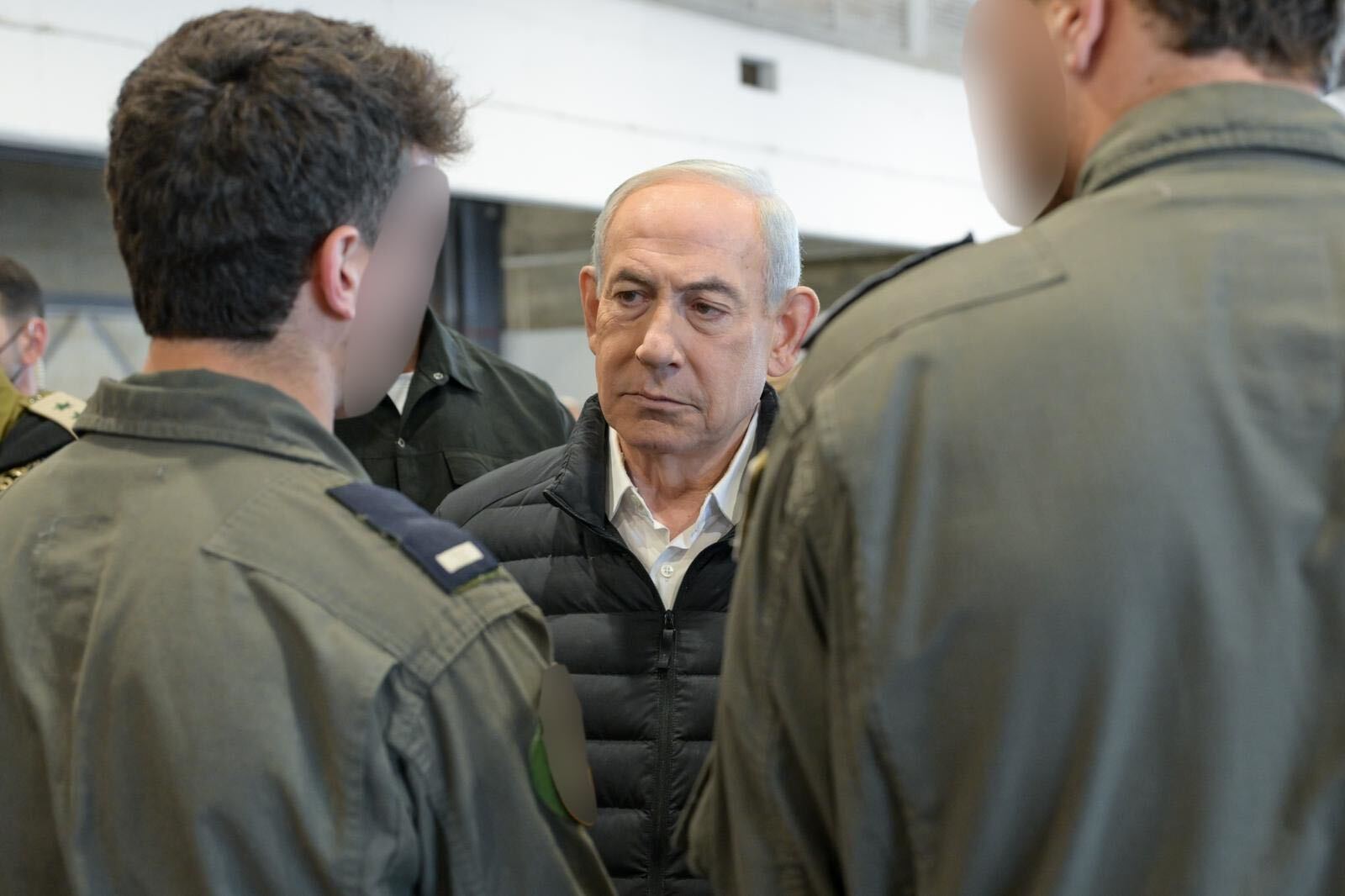
Following last summer’s 12-day war with Iran, Netanyahu and his Likud party initially won a small bump in popularity at the expense of his coalition partners, although trust in the prime minister among Jewish Israelis remained low at only 46%.
That lack of trust has persisted, with a recent poll for Zman Yisrael, The Times of Israel’s Hebrew-language sister site, finding that more than half of Israelis do not believe Netanyahu’s account of his decisions as premier leading up to the Hamas terror group’s October 7, 2023, attack.
According to pollster Mitchell Barak of Keevoon Research Strategy & Communications, while it is too early to say how the war will affect Netanyahu’s chances, his political fortunes are “only as good as the next problem or the next victory.”
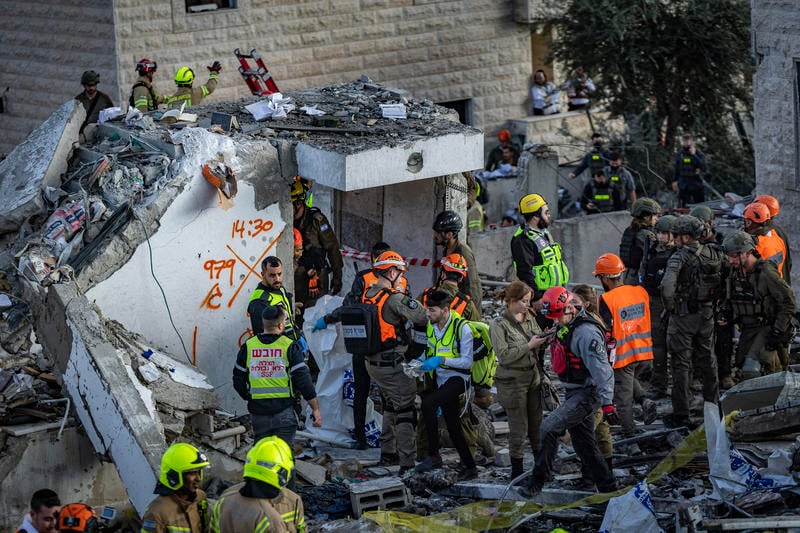
“It is way too early to tell because many of the undecided voters only decide on the Friday before the Tuesday election. What is clear is the likelihood that the election will move up from October. He certainly doesn’t want to go past another October 7 anniversary,” said Barak — adding that Netanyahu has “a lot of momentum,” although this could be disrupted by another mass casualty event like Sunday’s deadly missile attack on Beit Shemesh.
“It’s too early to write Netanyahu’s political obituary again. It’s way too early, and it’s too early to predict that this is going to propel him to victory. What is clear is Netanyahu comes out again looking like the leader, and that’s where he’s best positioned,” he said.
Speaking with The Times of Israel on condition of anonymity, a coalition insider denied that Netanyahu is looking to advance the vote, stating that there is “no reason for snap elections.”
According to the insider, “the narrative of a win over Iran will boost the PM’s reelection chances and shift the narrative away from October 7,” but calling early elections “would be viewed as political and cynical,” and Netanyahu “would ultimately lose from it.”
A modest bump such as that experienced after the last round of fighting with Tehran is not something that the prime minister is interested in building on, and he is instead looking for a “game changer that helps you regardless of when the elections are.”
“Regime change [in Iran] plus a Saudi [normalization] deal could be enough to be that game changer, and I don’t think you manage that in the timeline of snap elections.”
“I don’t think Bibi feels Iran is enough; you need an additional sweetener,” the source continued, explaining that Netanyahu estimates that additional countries will join the Abraham Accords in the coming months before the election.