

ToI poll: Most Israelis don’t believe PM’s account of his Gaza policies before Oct. 7
Arab parties would win 15 seats if they ran today as Joint List, but only 11 if separately; Channel 12 poll finds just 12% of Israelis think Hamas will be fully disarmed
 Add ToI as a Preferred Source on Google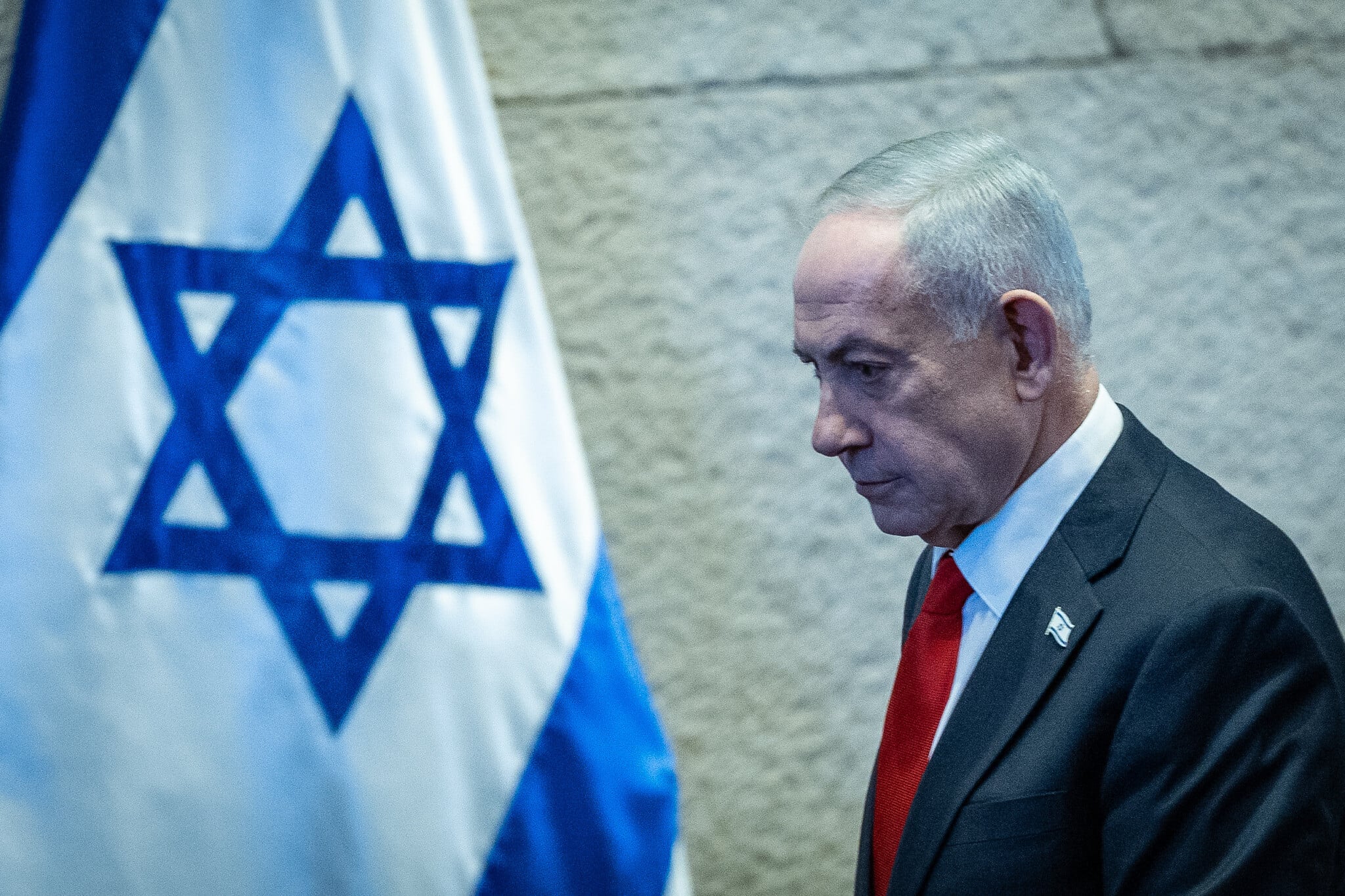
More than half of Israelis do not believe Prime Minister Benjamin Netanyahu’s account of his decisions as premier leading up to the Hamas terror group’s October 7, 2023, attack, according to a poll conducted this week for Zman Yisrael, The Times of Israel’s Hebrew-language sister site.
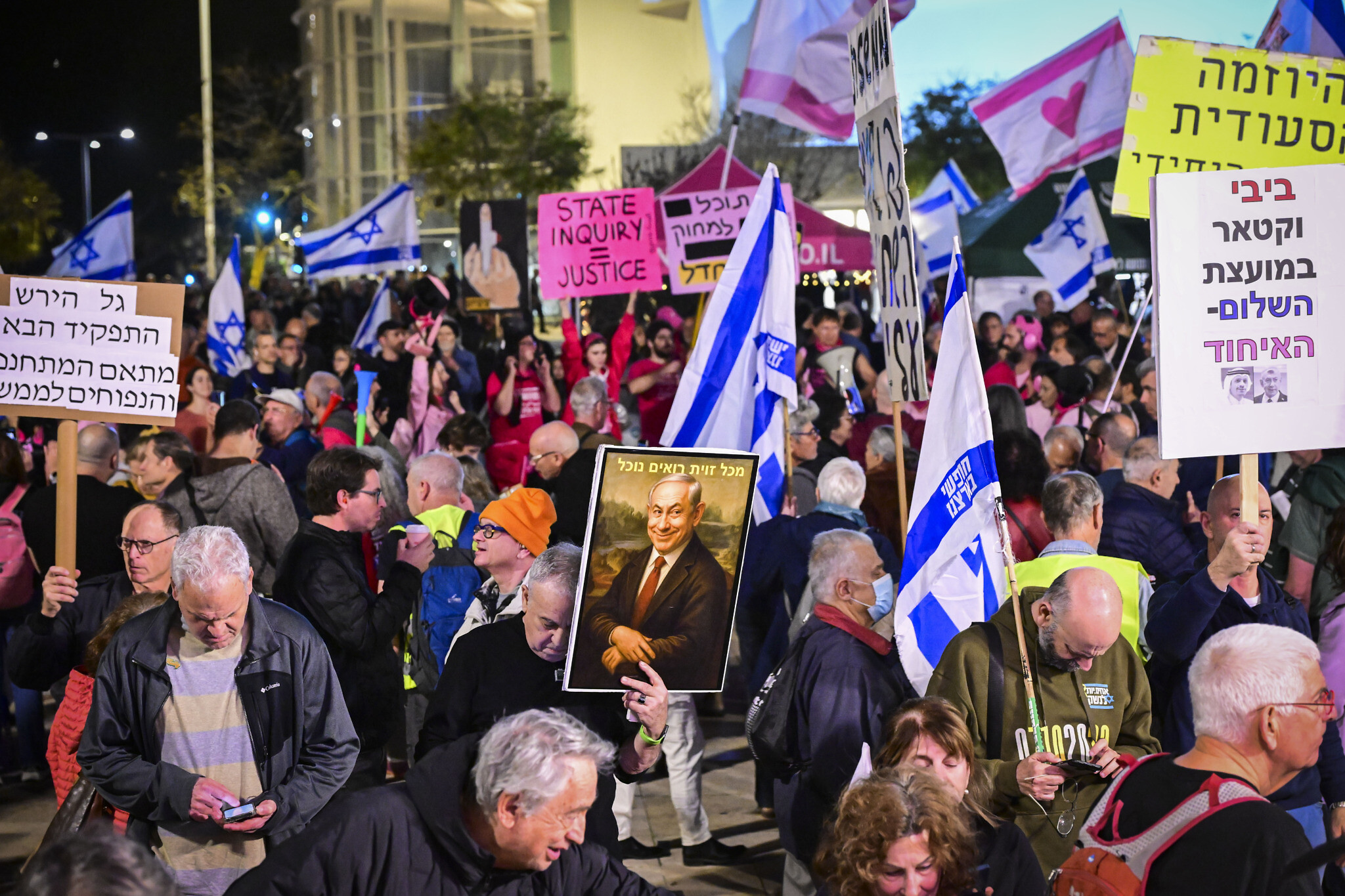
The poll’s question came in reference to the premier’s 55-page document, made up of selected quotes from internal government deliberations in the years and months before the massacres, that he delivered to the state comptroller for the latter’s probe into the onslaught. Netanyahu published the document in an attempt to present himself as having sought tough action against Hamas, with security chiefs opposing this.
Several reports have come out since Netanyahu’s submission about what the premier left out, including a meeting days before the attack, in which he is said to have urged maintaining quiet on the Gaza front, or his reported receipt of intelligence, on several occasions over the preceding years, about plans by Hamas to invade southern Israel. Additionally, the premier’s narrative contradicts repeated public statements he made before the Hamas onslaught, in which he justified and took ownership of the decision not to push for a large-scale operation in Gaza.
In the Zman poll, 51 percent of Israelis said they don’t believe the prime minister’s account, while 39% said they believe it, and 10% said they don’t know.
Channel 12’s weekly survey, published on Thursday, included a similar question, although from a different angle. Respondents were asked whether or not they believe the opposition’s claim that the document was selectively edited and, as a result, does not reflect the prime minister’s policies.
To that question, 47% of respondents said they believe the opposition’s claim; 32% said they believe Netanyahu; and 21% said they don’t know.
That survey also asked respondents what they believe will come of the effort to secure Hamas’s disarmament. Almost half — 47% — said they think the terror group will not be disarmed; 28% think it will be disarmed in part, but not in full; 12% think it will be disarmed completely; and 13% said they don’t know.
Arab parties would win 15 seats together, only 11 apart
Meanwhile, with elections due to take place this fall at the latest, the anti-Netanyahu bloc, not including Arab-majority parties, remains short of an outright majority, as does the pro-Netanyahu bloc, the Zman survey showed.
The distribution of the blocs will depend in part on whether the Arab parties — Ra’am, Hadash-Ta’al and Balad — run together as a reconstituted Joint List, as they have pledged to work toward.
If elections were held today and the Arab parties ran separately, they would collectively win 11 of the Knesset’s 120 seats, leaving the rest of the opposition parties with 56, and the parties that make up the current coalition with 53, according to Zman.
But if the Arab parties were to run together, they would win 15 seats, the poll found, leaving the anti-Netanyahu bloc with just 53, and the current coalition parties at 52.
In the former scenario, Netanyahu’s Likud party would win the most mandates, at 28; former prime minister Naftali Bennett – considered the most significant challenger to his seat as premier – would net his own as-yet-unnamed party 20; Yisrael Beytenu, led by the hawkish opposition politician Avigdor Liberman, would win 11; Sephardic ultra-Orthodox party Shas would win 10, the center-left Yesh Atid 9, United Torah Judaism 8, the left-wing The Democrats 8, Gadi Eisenkot’s centrist “Yashar” 8, and Itamar Ben Gvir’s far-right Otzma Yehudit 7.
Ra’am would win 6 mandates in this scenario, and Hadash-Ta’al 5. Balad – like Benny Gantz’s Blue and White, the Reservists party, and Bezalel Smotrich’s Religious Zionism – would not pass the 3.25% electoral threshold.
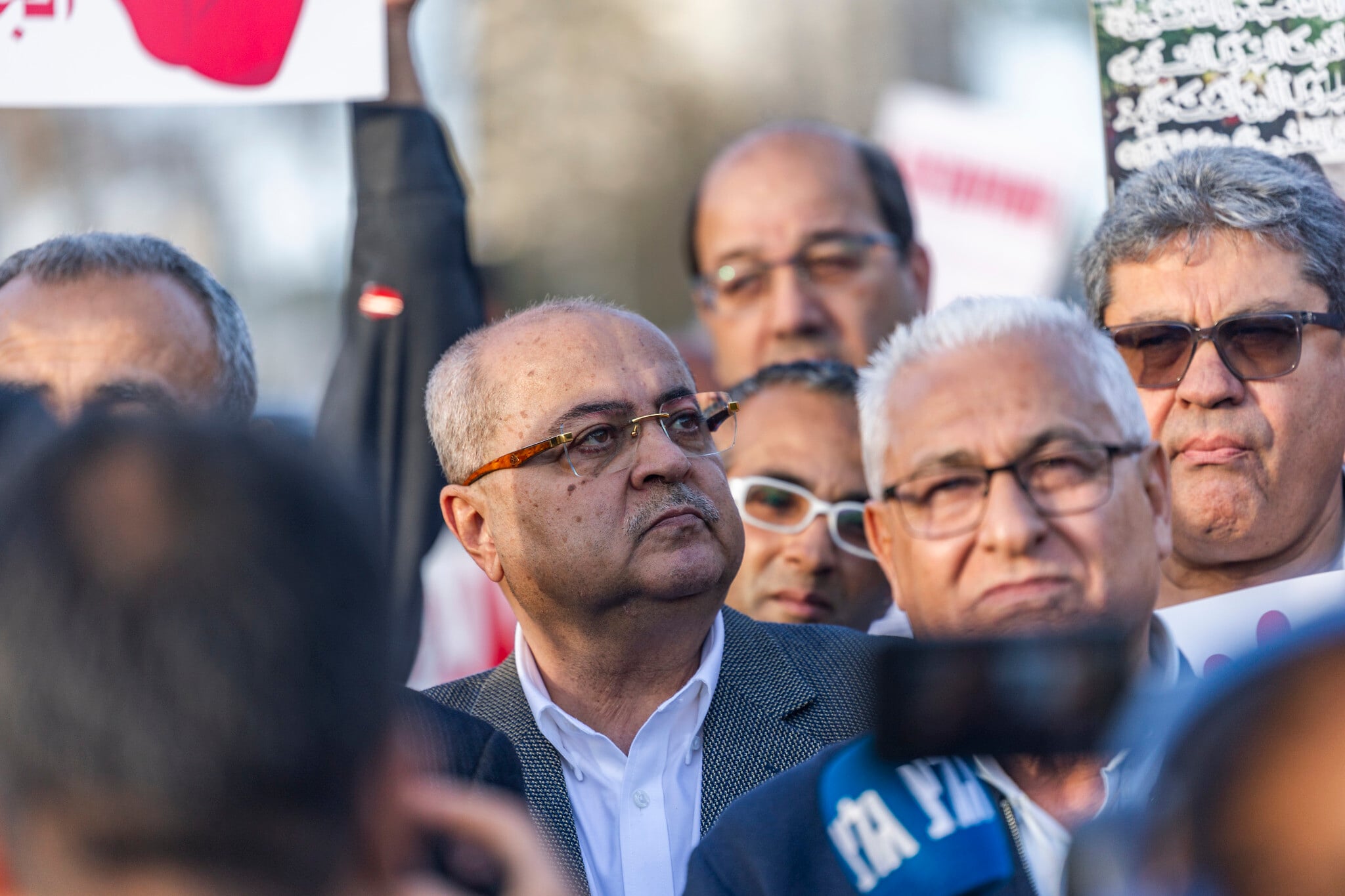
If the Arab parties were to run together, they would be the third-largest party in the Knesset with 15 seats, according to the poll. In that scenario, the rest of the breakdown would be: Likud 27, Bennett 19, Yisrael Beytenu 10, Shas 10, Yesh Atid 8, UTJ 8, Yashar 8, The Democrats 8, and Otzma Yehudit 7. The other parties would be beneath the electoral threshold in this scenario, although Balad, in its capacity as part of the Joint List, would pass it.
Asked by Channel 12 what course of action they would support if elections gave neither main bloc a majority, 38% of respondents — including 57% of coalition voters — opted for a unity government, with parties from both blocs; 26% of voters, including 43% of opposition voters, said they prefer an anti-Netanyahu coalition bolstered by Ra’am, but with the latter outside the government; 24% prefer another round of elections; and 12% said they don’t know.
The only Israeli government to have formally included an Arab party was led by former prime minister Naftali Bennett and Yesh Atid chair Yair Lapid in 2021-22, which counted Ra’am among its slim, 61-seat majority in the 120-member Knesset.
Voters prefer Netanyahu to his rivals, but Bennett is close
The Channel 12 poll also asked respondents to choose between Netanyahu and each of his main rivals, rating who they believe is better suited for the job of prime minister.
To this question, whose answers included “I don’t know” and “neither,” Netanyahu won large pluralities over Lapid, Eisenkot and Liberman, but his edge over Bennett appears slim.
Between the current and former premiers, 38% chose Netanyahu, compared to 35% who chose Bennett. Another 24% chose neither, and 3% said they don’t know.

The next national election must be held by October 2026, though if the Knesset disperses early, it will be held earlier.
Asked last month about the possibility of early elections, Netanyahu said it was “the last thing” Israel needs, adding: “We need stability, and I don’t need to spell that out – it’s understood.”
The Zman Yisrael poll was conducted February 11-12 by Tatika Research and Media in collaboration with the Adgenda panel, and included 500 Jewish and Arab respondents, controlled for age, religion, gender and place of residence. The margin of error was 4.4%.
The Channel 12 poll was conducted by Manu Geva’s Midgam firm, together with iPanel, on February 12. Its pool of respondents, margin of error, and date of collection were not immediately clear from the network’s online report.










The Times of Israel Community.