

Survey finds public trust in Netanyahu stayed low, at 40%, even in light of Iran war
Israel Democracy Institute study shows heads of IDF, Mossad are only officials to have over 50% rating; Fire and Rescue Service, IDF Home Front Command are most trusted agencies
 Add ToI as a Preferred Source on Google
Stuart Winer is a breaking news editor at The Times of Israel.
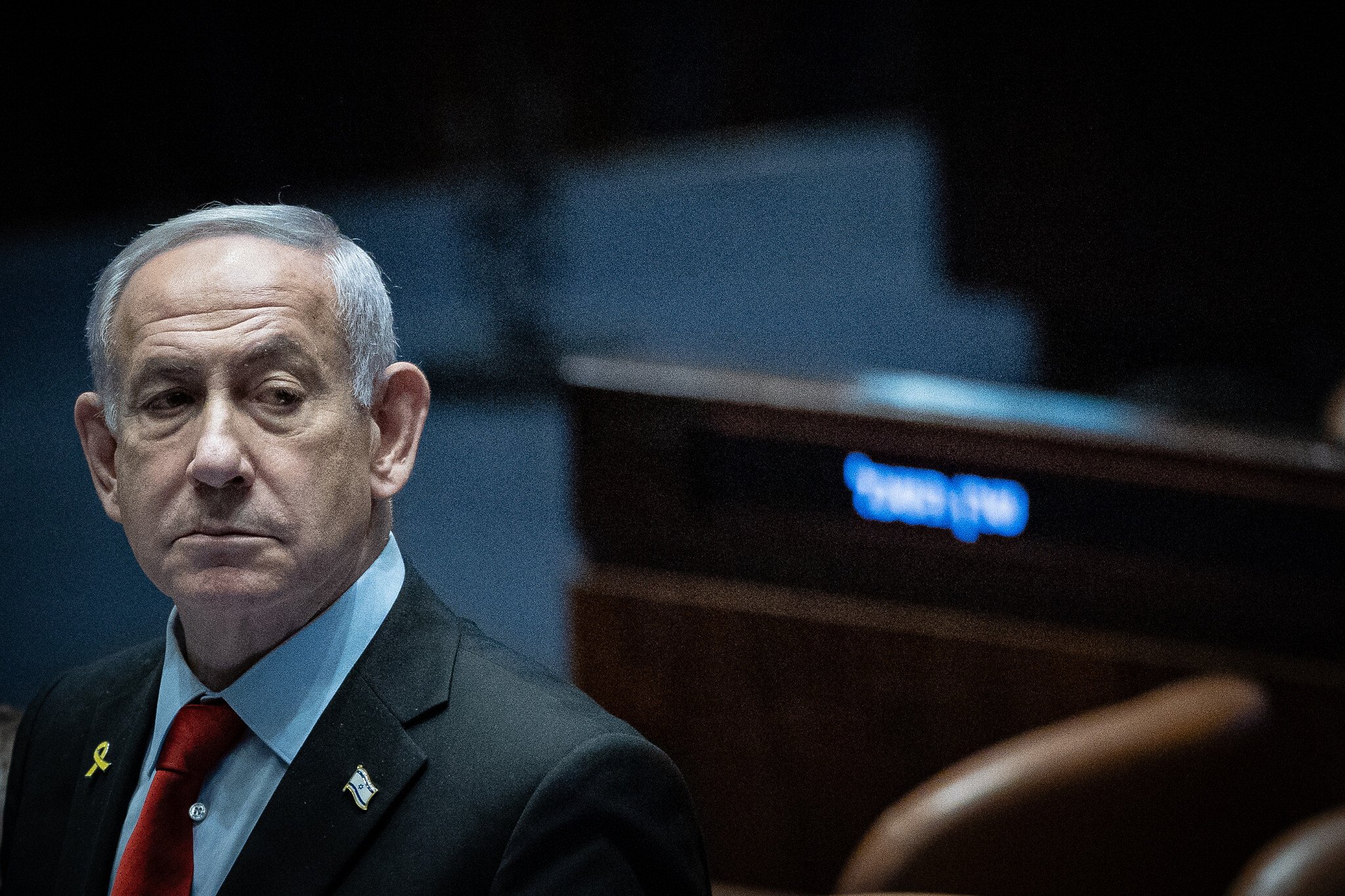
Just 40 percent of the public has trust in Prime Minister Benjamin Netanyahu, according to a survey published Wednesday by the Israel Democracy Institute (IDI) think tank.
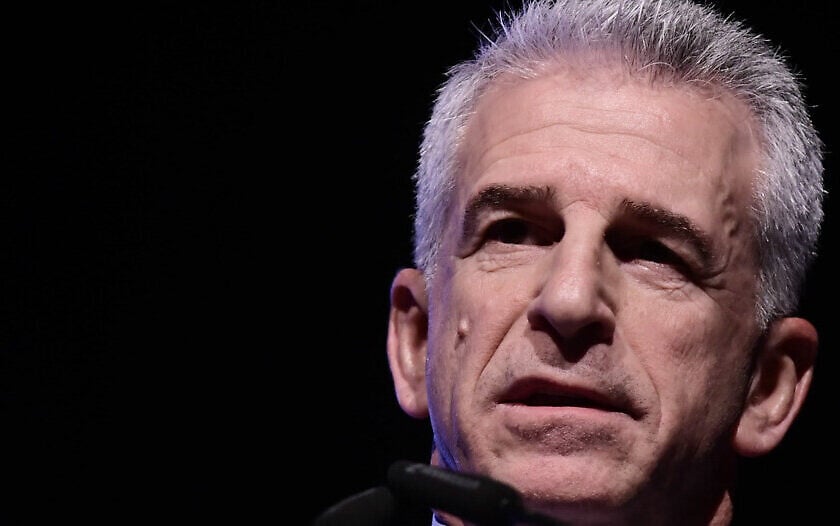
The survey, which was conducted last month during the final days of the war with Iran, found that IDF Chief of Staff Eyal Zamir enjoyed the highest public trust rating among Israelis out of the figures polled, at 68.5%, followed by Mossad director David Barnea with 67%, the IDI said in a statement.
The 12-day war with Iran, in which Israel sought to eliminate what it said was an immediate existential threat from Iran’s nuclear and ballistic missile developments, ended with a US-brokered ceasefire on June 24, two days after the US itself had also bombed three Iranian nuclear sites.
“Overall, we have not seen substantial shifts in public opinion regarding Prime Minister Netanyahu as a result of the war with Iran,” said Tamar Hermann, director of IDI’s Viterbi Center for Public Opinion and Policy Research, which conducted the survey on June 22–23.
“While support for the war with Iran was high across the board, this and other polling data suggest the prime minister remains popular among his base of supporters, and he did not manage to change the opinions of those who oppose him,” she said.
The survey focused on “levels of trust in public institutions, officials, and media outlets,” according to the statement.
Even among Jewish Israelis, only 46% said they trust Netanyahu, while the figure plummeted to 10% for Arab Israelis.
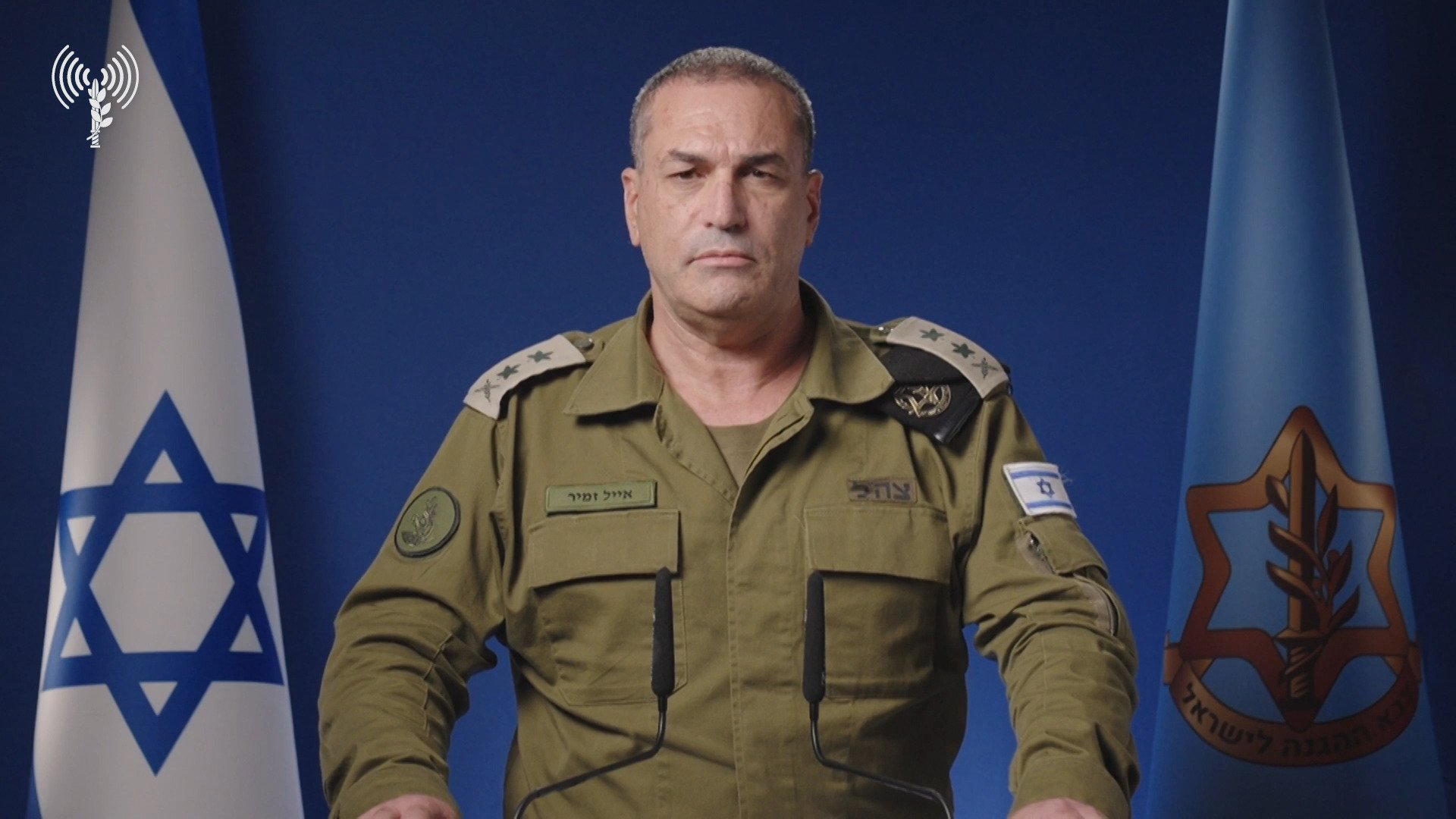
Among Jewish Israelis, 77% expressed trust in Zamir, while 74% said they trust Barnea.
Defense Minister Israel Katz had a lower overall rating than Netanyahu, at 35% — 39% among Jews and 15% in the Arab community.
Among Arab Israelis, no official scored more than 50% trust, though Barnea had the highest rating at 36%, followed by Zamir’s at 25%.
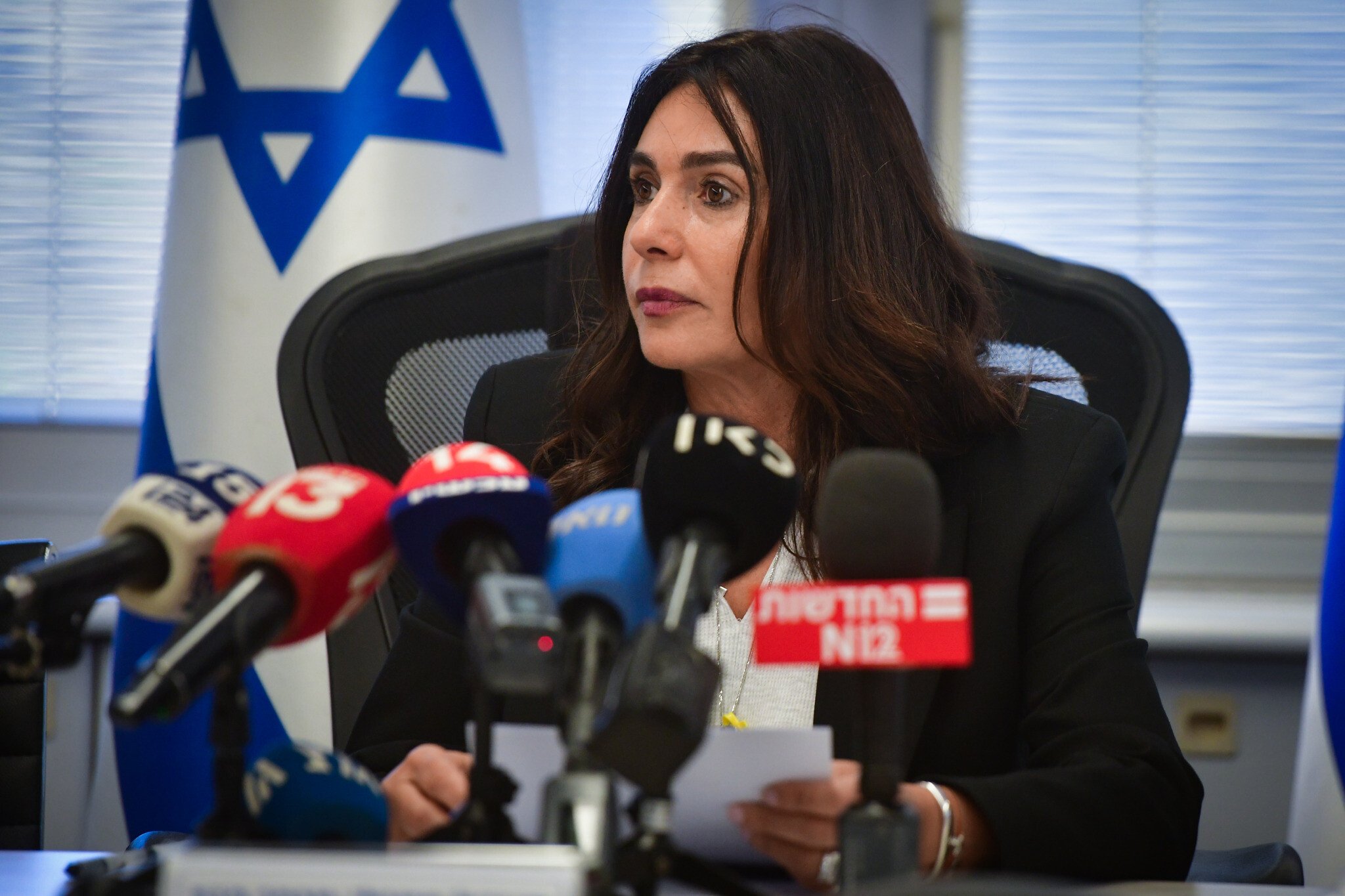
At the bottom of the trust ratings were Education Minister Yoav Kisch and Transportation Minister Miri Regev with 25% and 20%, respectively.
Zamir’s and Barnea’s ratings were more or less even across the political orientations of right, left and center. However, for Netanyahu, 64% of those on the right said they trust him compared to just 22% of those in the center and three percent on the left.
“It should be noted that among Likud voters, the share of those who trust Netanyahu is smaller than the equivalent share of voters for the other coalition parties, and also slightly smaller than the share of Likud voters who express trust in IDF Chief of Staff Zamir,” the IDI said.
As for agencies, the Fire and Rescue Service and the IDF Home Front Command had the highest trust levels, with 92% and 89% respectively among the general public.
Both bodies were thrown onto the front lines as Iran responded to Israeli strikes by raining missiles down on cities, achieving dozens of hits that killed 28 people, all but one of them civilians, and injured thousands.
The IDF in general had an 84% trust rating overall, with 93% among Jews and 41% among Arabs.
Jewish Israelis generally trust their local authority (69%) while Arabs don’t (47.5%), yielding an overall public rating of 65%, the poll found.
Only half of the general public trusts the police — 56% of Jewish Israelis said they do, compared to 22% of Arab Israelis.
Israeli television news networks also didn’t score well in their trust rating among the public, with the Kan public broadcaster enjoying the highest at just 49%, followed by Channels 12 and 13, both at 39%, and the pro-Netanyahu Channel 14 at just 34%. Only Kan squeezed a majority trust rating at 51% from Jewish Israelis (but 37.5% among Arabs), while all the others were below 50% in both communities.
There were 81% of Jews oriented with the left who trusted Kan compared to 40% of those on the right; and Channels 12 and 13 were trusted by 78% of those on the left and just 26% of those on the political right. Conversely, Channel 14 was trusted by 52% of right-wingers and by just 3% of those on the left.
The day the ceasefire with Iran was announced by US President Donald Trump, Channel 12 reported that Netanyahu was mulling snap elections in light of Israel’s offensive that was broadly seen as a success.
However, a poll taken at the time found that Netanyahu’s Likud party had won a small bump in popularity, but not enough for his current coalition to come close to forming a majority if elections were held.
The recent IDI survey was based on a representative sample of the population in Israel aged 18 and above, comprising 599 Jewish interviewees and 146 Arab interviewees. The maximum sampling error was given as 3.59% at a confidence level of 95%.
Netanyahu and his government have gone through tumultuous times since they took office in December 2022, first with a plan to radically overhaul the judiciary that provoked months of public protests, then the devastating October 7, 2023, invasion of southern Israel by Hamas-led terrorists, and his handling of the ensuing war.
In spillovers from the Gaza war, Israel greatly weakened the Hezbollah terror group in September 2024 and then ravaged Iran’s nuclear and missile infrastructure last month, but the continued, grinding war in Gaza has brought mass street protests urging a ceasefire deal to end the fighting and save hostages who were abducted during the Hamas attack, 50 of whom are still in captivity, less than half of them alive.









The Times of Israel Community.