Toggle Menu
Join our Community
Support ToI and remove
all
ads
Learn more
English
Français
עברית
Get The Daily Edition
Account
Sign In
Sign in
Join our Community
Open Search form
Toggle Menu
Israel & the Region
Jewish Times
Israel Inside
Tech Israel
Real Estate
Israel
The Blogs
Podcasts
Video
Newsletters
The Daily Edition
What Matters Most Today
Tech Israel
Updates from Silicon Wadi
Real Estate Israel
Monthly Update
The Weekend Edition
The Best Reads of the Week
Weekly Highlights
Choice Voices From The Blogs
Partners
Atlanta
Atlanta Jewish Times
North New Jersey
The Jewish Standard
Pittsburgh
Jewish Chronicle
United Kingdom
The Jewish News
Australia
The Australian Jewish News
For Publishers
Become a Partner
Open Search form
Toggle Menu
search
Input search
Clear search input
English
Français
עברית
Latest Articles
Latest Alerts
Israel & the Region
Jewish Times
Israel Inside
Tech Israel
Real Estate
Israel
The Blogs
Podcasts
Video
Newsletters
The Daily Edition
What Matters Most Today
Tech Israel
Updates from Silicon Wadi
Real Estate Israel
Monthly Update
The Weekend Edition
The Best Reads of the Week
Weekly Highlights
Choice Voices From The Blogs
Partners
Atlanta
Atlanta Jewish Times
North New Jersey
The Jewish Standard
Pittsburgh
Jewish Chronicle
United Kingdom
The Jewish News
Australia
The Australian Jewish News
For Publishers
Become a Partner
Community
Join our community
Sign in
About The Times of Israel
Advertise on The Times of Israel
Contact us
Download our App
For IOS users
For Android users
Get the Daily Edition
submit
Follow us
© 2026 The Times of Israel , All Rights Reserved
Terms and conditions
Privacy policy
Your Privacy Rights
Input search
Clear search input
The Daily Edition
What Matters Most On
Monday, April 2, 2012
Facebook
Twitter
View previous edition
View next edition
Azeri fallout
Israeli analysts deride notion of a strike on Iran via Azerbaijan
By
Raphael Ahren
‘Foreign Policy’ article, which prompted criticism of White House for leaking Israeli plans, rejected as ‘baseless’ and ‘impossible’
Profile
Khairat Shater, the candidate who wasn’t supposed to run
By
Elhanan Miller
Not only Israel but Egyptian liberals, too, are wary of the Islamist bidding unexpectedly to be president
David Kaufman
Pinkwashing? Pink-eye!
The truth is that, when it comes to Israel, too many on the progressive left can’t see straight
Taking over opposition, Mofaz calls Kadima the ‘alternate government’
By
Hillary Zaken
Newly crowned head of largest party promises not to join Likud-led coalition
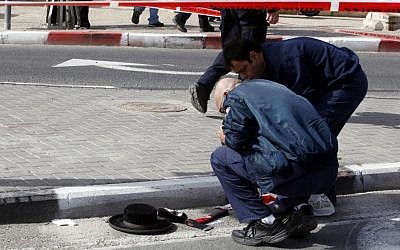
Man attacked near Damascus Gate in Jerusalem
By
Stuart Winer
Ultra-Orthodox man suffers light injuries after being struck by ax-wielding youth
From the web
Solitary confinement for Marwan Barghouti
Haaretz: The imprisoned Fatah leader has been punished for calling for a third Intifada on Land Day earlier this week
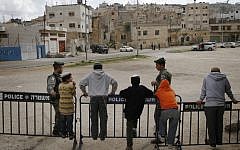
Palestinians and left-wing activists occupy house in Hebron, clash with IDF
By
Michal Shmulovich
Take over of home was in response to Jewish settlers moving into Beit Hamachpela last week
Son of former minister injures woman in drunk driving crash
By
Stuart Winer
Driver loses control of motorcycle, female passenger in critical condition
An encounter with Jewish feminist art
By
Jessica Steinberg
More Headlines
From the web
NJ’s Christie seeks world stage on Jerusalem trip
Court puts kibosh on ministerial security guard strike
By
Hillary Zaken
Bosnian minorities push for right to be prez
By
Aida Cerkez
Hebrew media review
Some stories never get old
By
Ron Friedman
Arabic media review
A blow to Assad in Istanbul, and to liberals in Cairo
By
Elhanan Miller
View Edition by Date
March
April 2012
May
Mo
Tu
We
Th
Fr
Sa
Su
1
2
3
4
5
6
7
8
9
10
11
12
13
14
15
16
17
18
19
20
21
22
23
24
25
26
27
28
29
30
The Times of Israel
Daily Edition
Free to Your Inbox
The email is either missing or invalid.
By signing up, you agree to our
terms
You hereby accept The Times of Israel
Terms of Use
and
Privacy Policy
, and you agree to receive the latest news & offers from The Times of Israel and its partners or ad sponsors.
Advertisement
Advertisement
Back to top
Never miss breaking news on Israel
Get notifications to stay updated
Stay updated
No thanks
You're subscribed
close popup
Register for free
and continue reading
Registering allows you to manage your newsletters and alerts and helps us improve your experience. It takes just a few seconds.
Already registered? Enter your email to sign in.
Email address
Please use the following structure: example@domain.com
REGISTER OR SIGN IN
Or Continue with
By registering you agree to the
terms and conditions
. Once registered, you’ll receive our Daily Edition email for free.
Send me The Times of Israel Daily Edition
back
close popup
Register to continue
Email address
Change
REGISTER
Or Continue with
back
close popup
Log in to continue
Email address
Something went wrong.
Please try again in a few minutes..
Continue
back
close popup
Sign in or Register
Email address
*
Password
*
Incorrect password. Please try again or choose an option below.
Continue
I forgot my password
/
Send me a sign in link
Or Continue with
back
close popup
Check your email
We sent an email to you at
.
It has a link that will sign you in.
Click the link in that email to complete your registration.