

CENTCOM head: War massively reduced Iran’s capabilities, but it’s still able to strike
Top US military commander in Mideast tells Senate committee that Tehran’s defense industry set back by 90%, but IRGC remains major force running Iran
 Add ToI as a Preferred Source on Google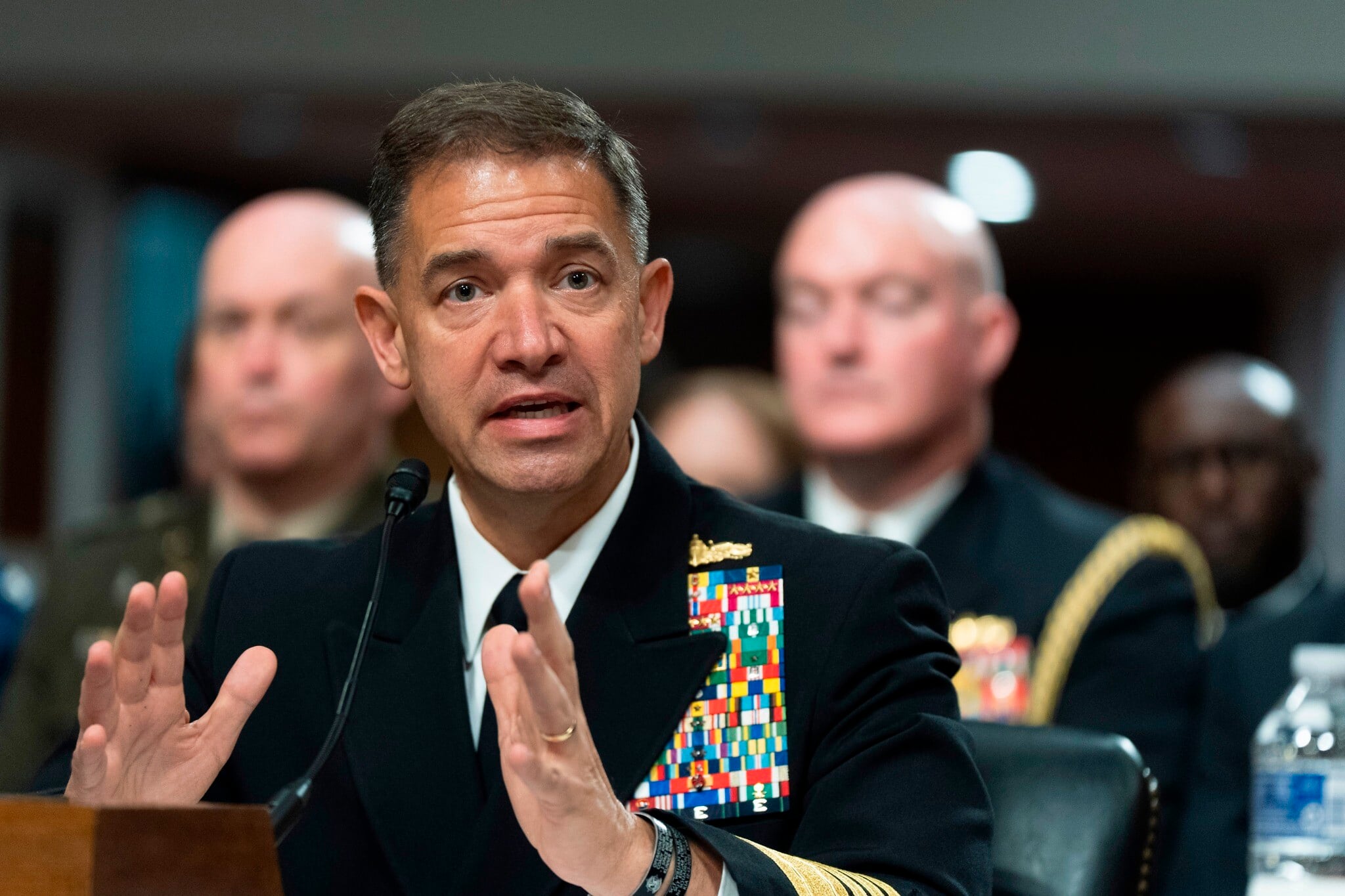
Iran’s ability to threaten its neighbors and US interests has been dramatically reduced by US bombings, and Tehran’s defense industry has been set back by 90%, a senior US admiral said on Thursday.
However, US Central Command head Admiral Brad Cooper conceded during testimony before the US Senate Armed Services Committee that Iran still maintains a “very moderate if not small capability to continue strikes” in the region and that Iran’s paramilitary Revolutionary Guard is still a major force in running the country.
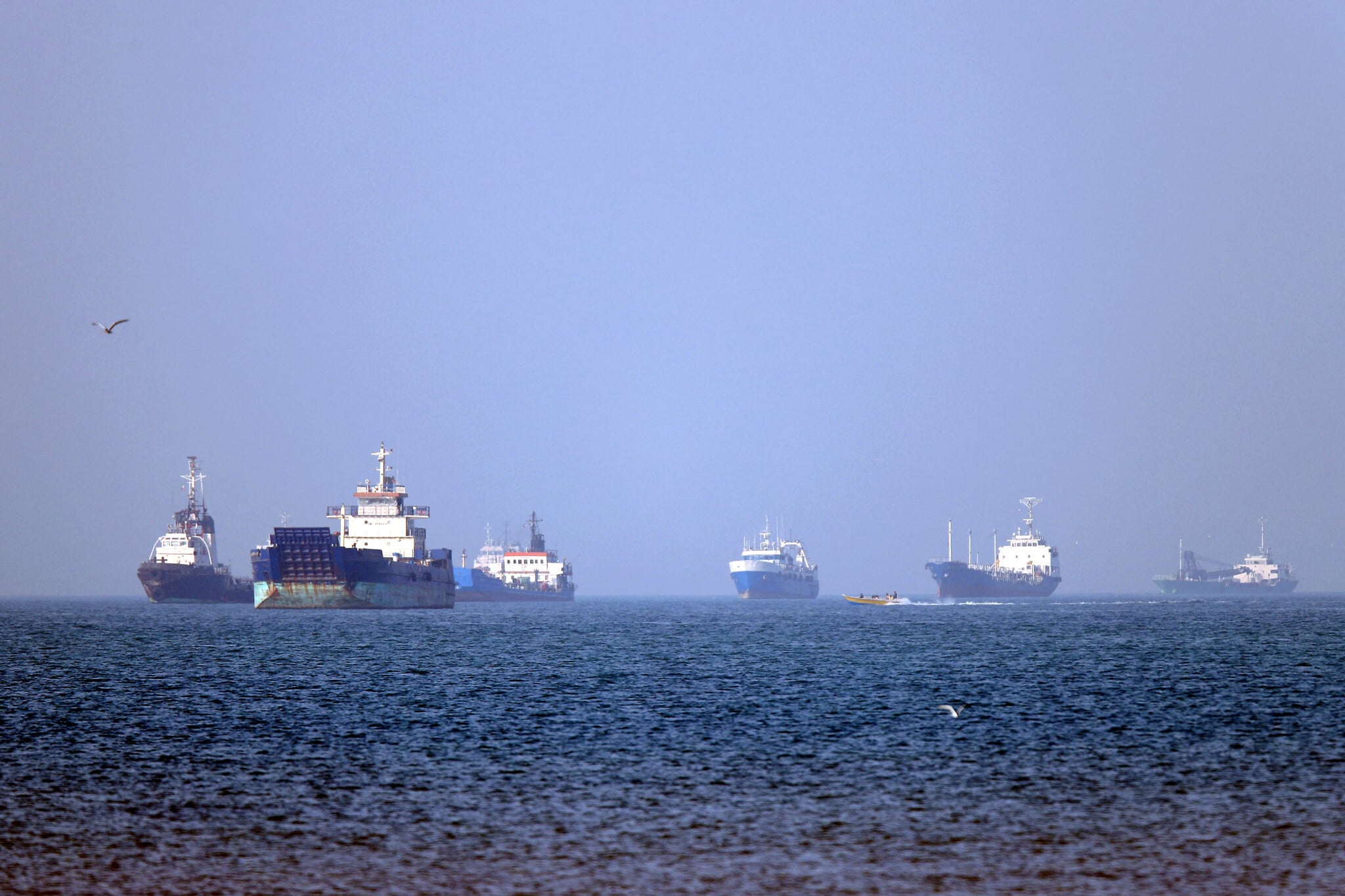
In response to questions from Democratic Sen. Elissa Slotkin, Cooper also said the US has the military power to permanently reopen the Strait of Hormuz.
However, when Slotkin pressed on why Cooper hasn’t done so, especially amid rising gas prices for Americans, Cooper deferred to policymakers amid ongoing peace negotiations.
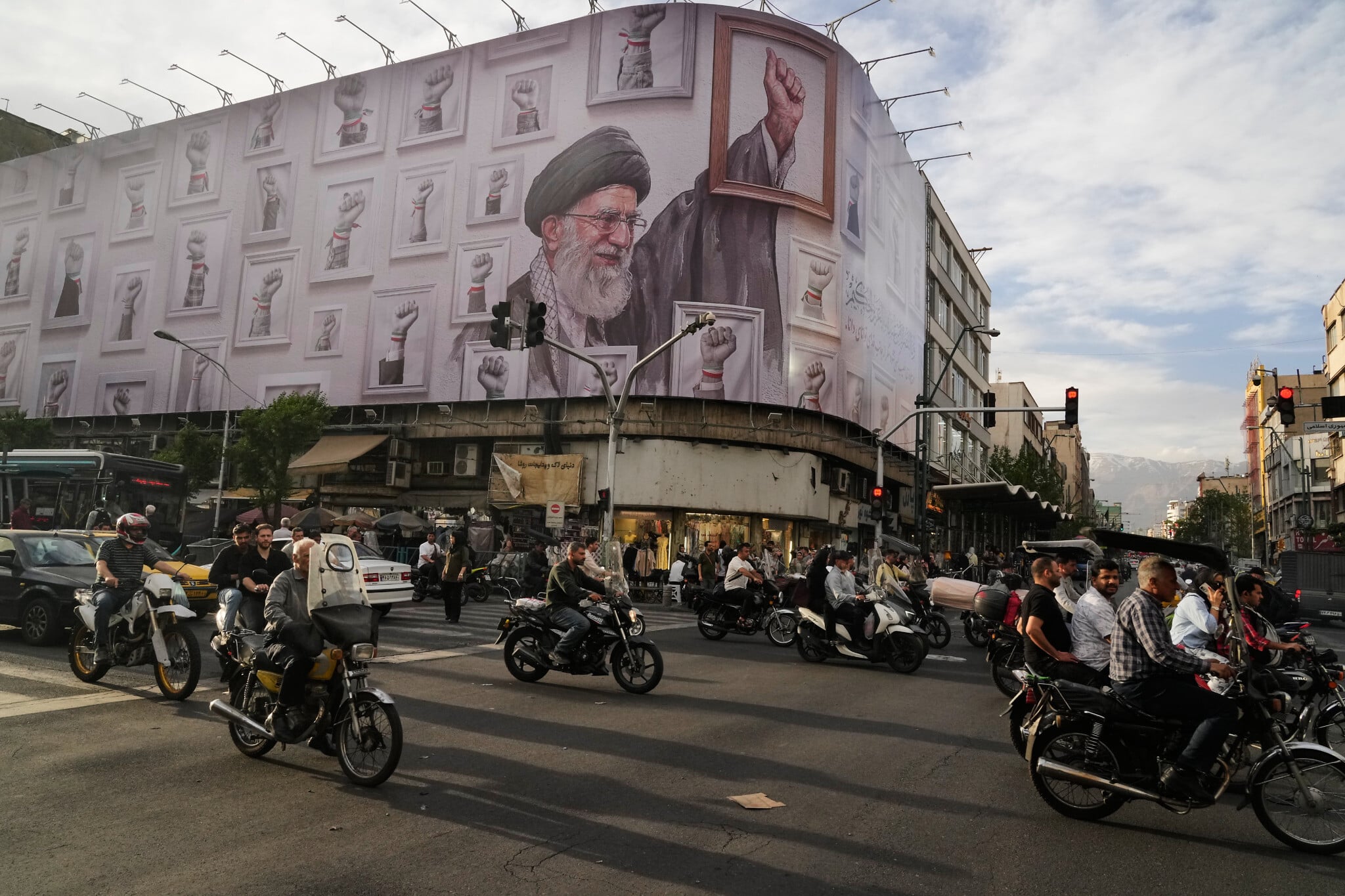
In response to questions from Sen. Angus King, an independent from Maine, about who’s in charge in Iran, Cooper said the Revolutionary Guard is still “exercising significant authority.”
However, Cooper deferred to diplomats and negotiators on whether the paramilitary force is part of the peace negotiations.
The CENTCOM head sought to underscore the tactical successes of the military campaign against Iran that he oversaw and said the war had dramatically reduced the danger posed by that country to the broader Middle East.
Cooper declined to directly address mounting news reports that Iran, which stockpiled arms in underground facilities, had retained significant missile and drone capabilities. Those reports cited US intelligence sources.
“Iran has a significantly degraded threat, and they no longer threaten regional partners, or the United States, in ways that they were able to do before, across every domain,” Cooper told the US Senate committee.
Cooper also said Iran was no longer able to transfer arms and other resources to its main allies in the region: Hezbollah in Lebanon, the Houthis in Yemen and Hamas in Gaza. “Those transfer paths and methods have been cut off.”
Last week, the Washington Post reported that the CIA recently told US President Donald Trump’s administration that Iran can withstand the ongoing US naval blockade for at least three to four months before severe economic hardship takes hold.
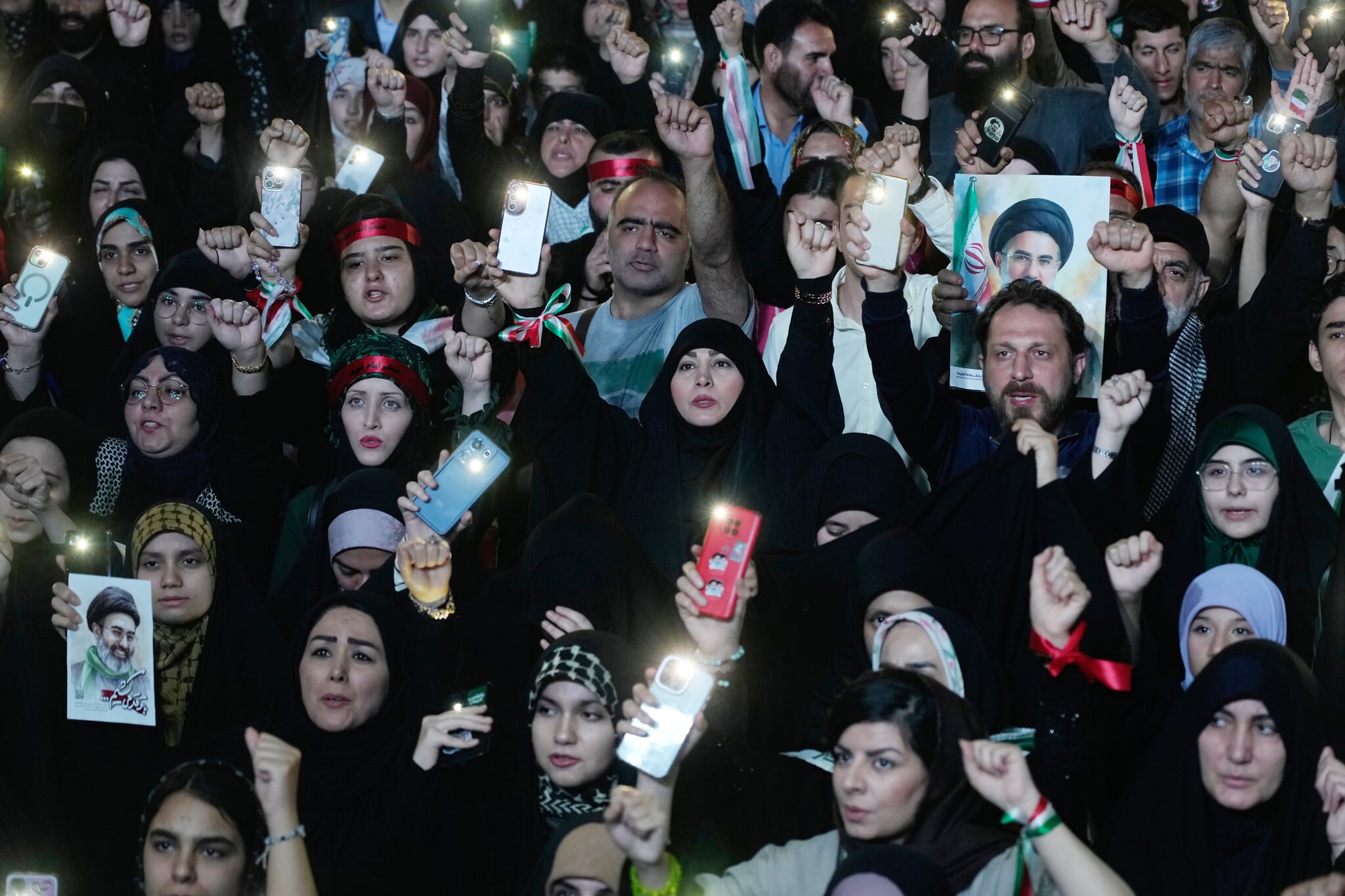
“The leadership has gotten more radical, determined and increasingly confident they can outlast US political will and sustain domestic repression to check any resistance” inside Iran, a US official told the Post. “Comparatively, you see similar regimes lasting years under sustained embargoes and airpower-only wars.”
Iran also has managed to retain 75% of its mobile missile launchers and 70% of its missiles, according to a document cited in the report. Almost all of its underground storage facilities have reportedly been restored and reopened as well.
Relatedly, Cooper told the Senate committee on Thursday that American forces have stopped using high-end munitions to shoot down Iran’s drones, Cooper told the committee.
The nation’s limited stockpiles of expensive weapon systems, including advanced missile interceptors, have become a lightning rod during the Iran war. American forces were using them to defend against Iranian drones. But Cooper says the US military is now using lower-cost munitions.
The admiral said Iran only has 10% of its drones left. Despite a fragile month-long ceasefire, skirmishes have flared between Iranian and American forces.
Cooper also said that American forces have learned a lot from the Ukrainian military, which is battle-hardened from its war with Russia.
“We adopted a large number of tactics, techniques and procedures that the Ukrainians have passed us that have helped us defend Americans,” Cooper said.
Ukraine has passed on expertise to the US, specifically regarding anti-drone warfare. Iran had launched swarms of drones against US and allied forces, killing some Americans.





The Times of Israel Community.