

China rising: Xi Jinping sets out a road map for greatness
In a 3.5-hour report at the Communist Party’s 19th Congress Wednesday, China’s leader presented a highly ambitious blueprint for development through 2050. Israel must pay attention

 Add ToI as a Preferred Source on Google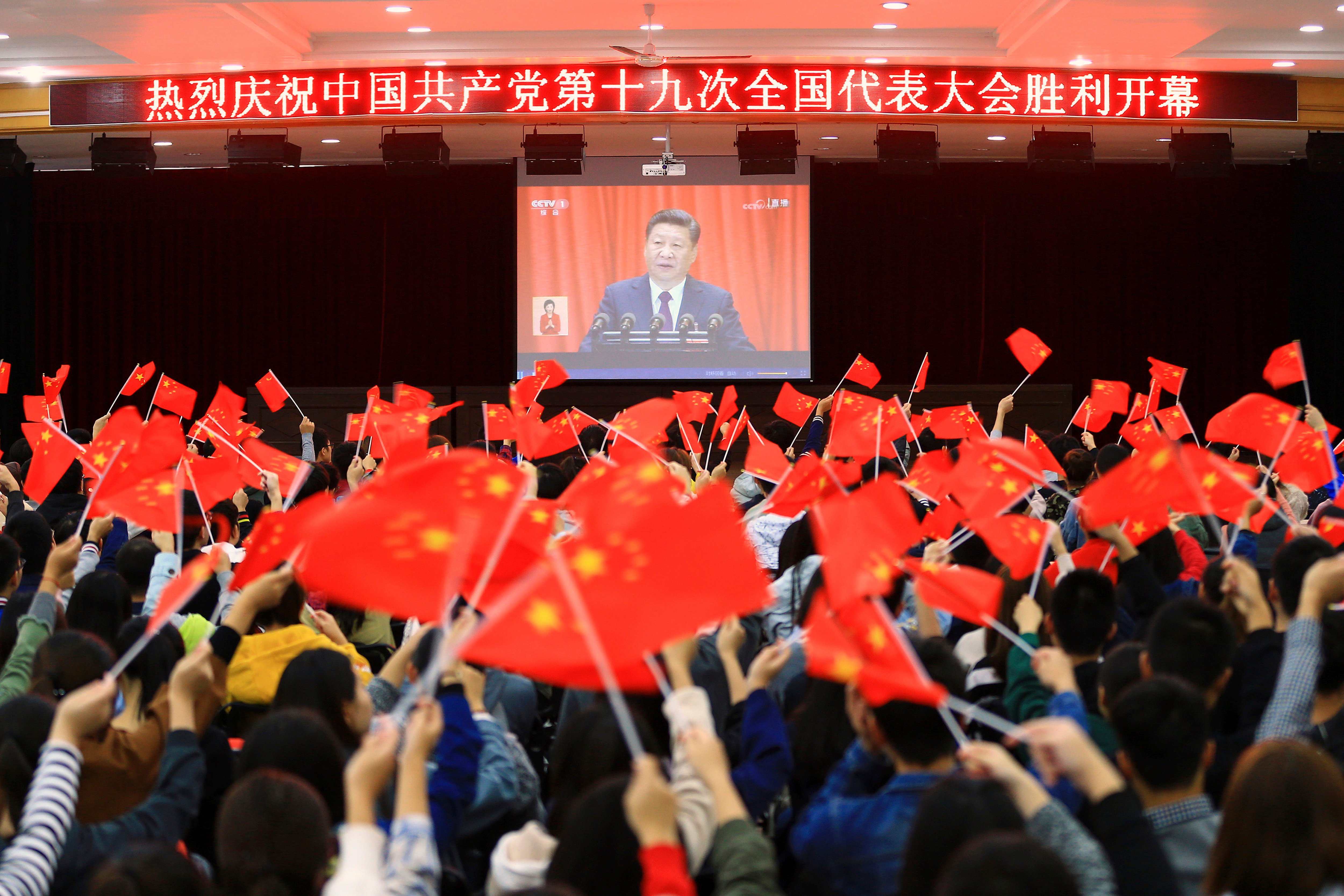
BEIJING — Two out of five, or one out of seven? This is one question that some observers in Israel should be asking themselves regarding the new Chinese leadership lineup to be unveiled late next week. But before we get to the personnel matters of the Congress (and answer the question above), it’s worth explaining what happened in Beijing on Wednesday and its significance to Israel and the world.
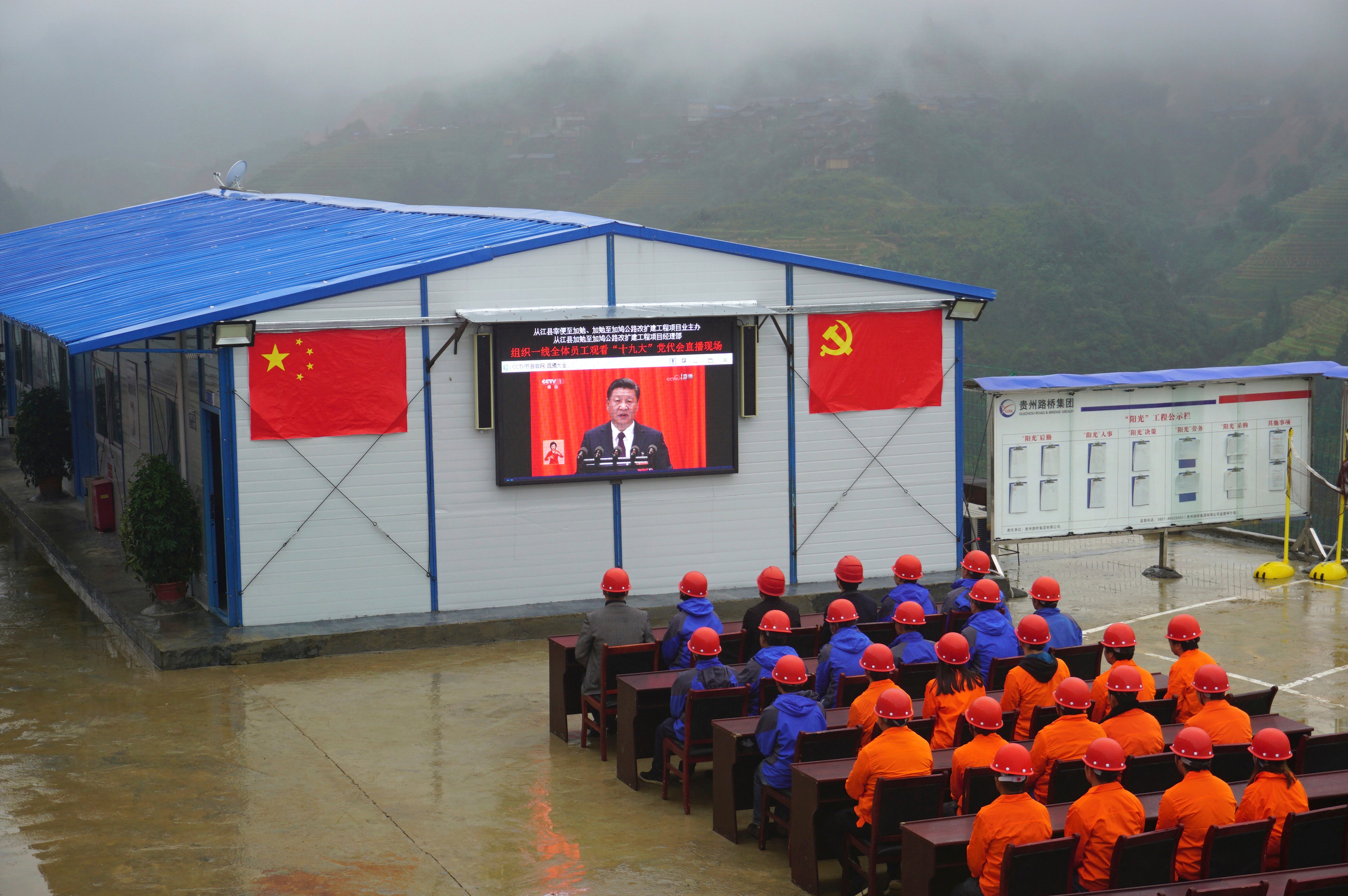
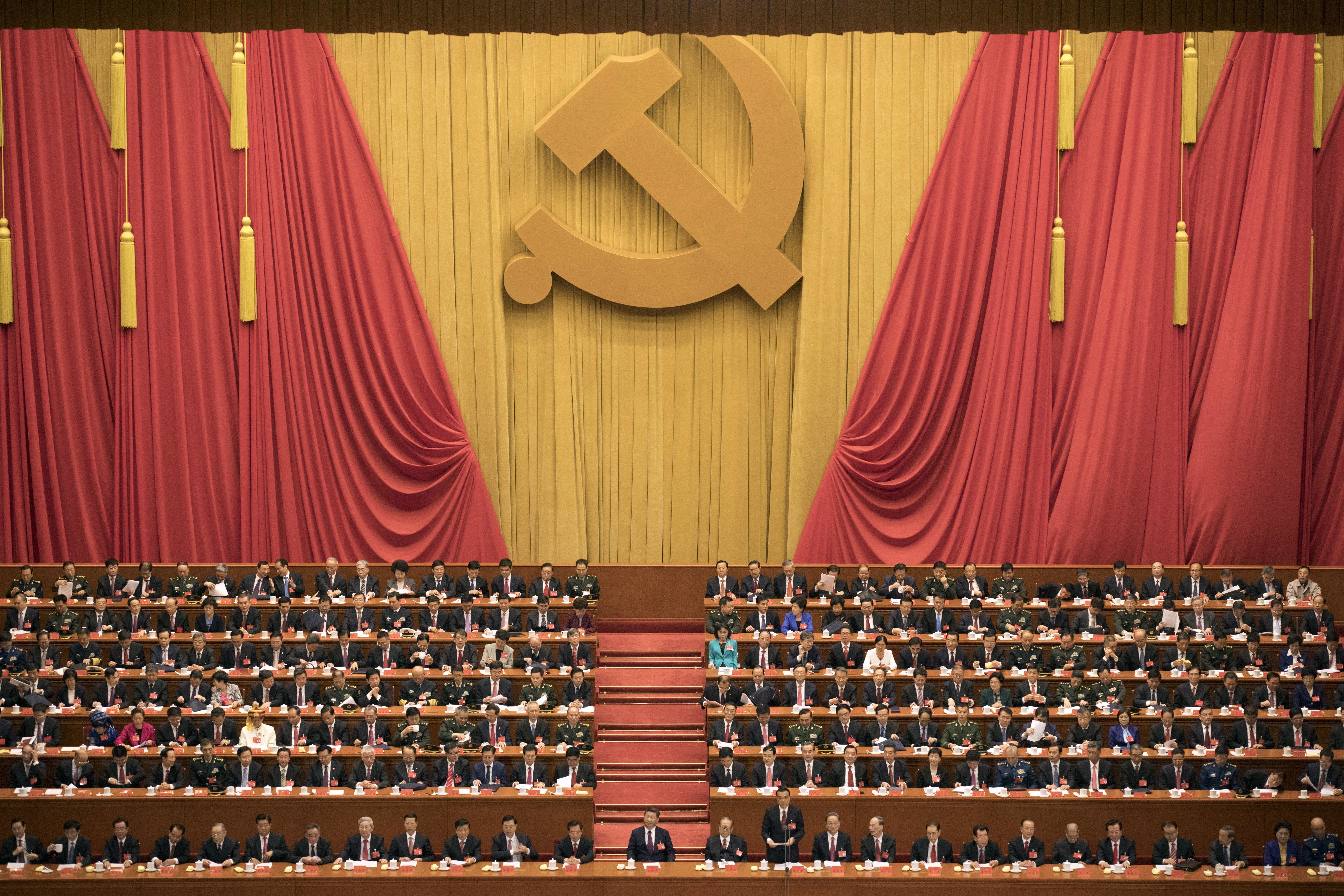
Xi Jinping, the most powerful and confident leader China has seen in decades, outlined a road map to “make China great again” in a 3.5-hour, 68-page-long work report delivered to the 19th Congress of the Communist Party of China, a once-in-five-years event. The length of the report, as well as its content, indicate the growing confidence of Xi as he solidifies his rule.
Such reports usually summarize the achievements of the past five years and give some indications for the next five years, but Xi used the opportunity to venture far beyond that. In an effort to cement his place in the pantheon of great Chinese leaders, Xi placed milestones of development for the country for decades to come while outlining his own contribution of party theory. This is important for his future hold on the party and the ability to place his associates in key positions to ensure needed reforms.
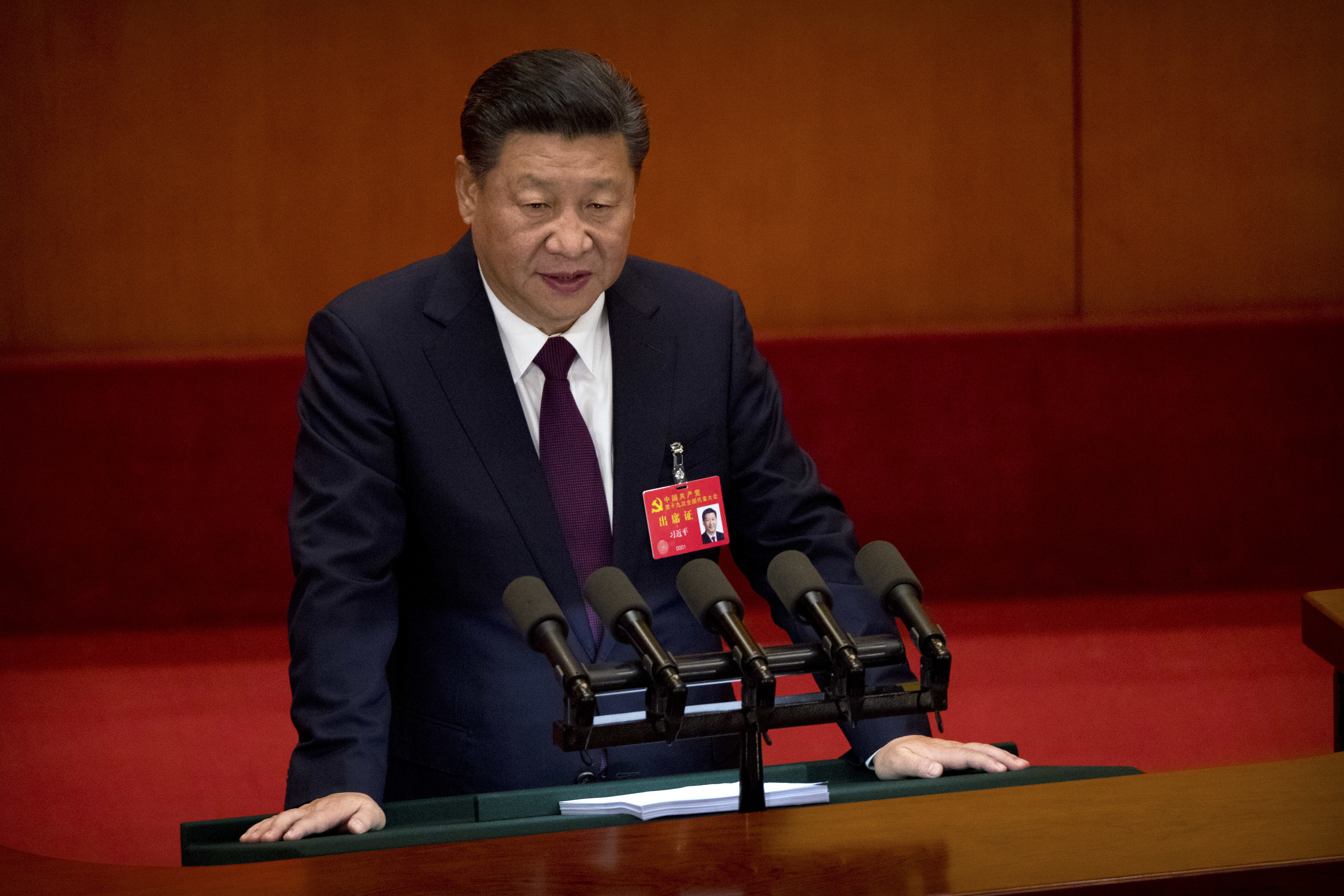
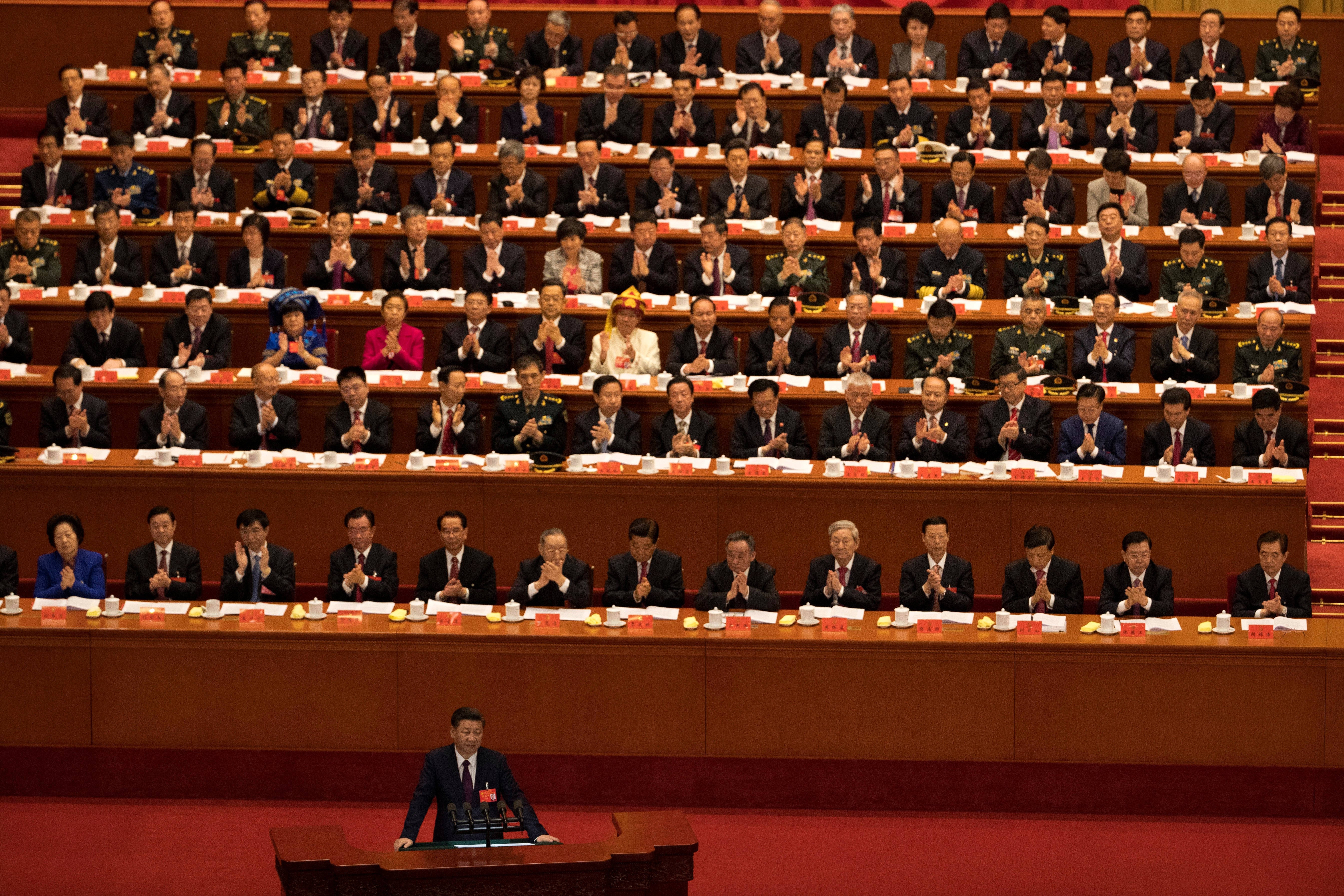
Over 2,300 delegates to the congress and other guests, as well as an unprecedented number of foreign journalists — 1,818 to be precise, none from Israel — were greeted by heavy rain in a chilly 12 degrees Celsius at the Great Hall of the People, a stately building hosting major events in the nation’s life. The week-long congress will elect a new Central Committee (about 200 permanent members), which in turn will elect a new Politburo (PB, currently 25 members) and a new Standing Committee of the Politburo (SCPB), the most powerful organ in the world’s most populous nation.
The Communist Party of China is the largest political party in the world, boasting 89 million members, larger than the entire population of Germany. In addition to personnel changes, the focus of the congress, China’s version of mid-term elections, is approving the work report and approving changes to party constitution — potentially the most significant move by Xi to enshrine his legacy.
Xi said that China has entered a “new era of building socialism with Chinese characteristics,” as well as an “era that sees China moving closer to center stage and making great contributions to mankind.” While the phrasing may sound arcane to the lay reader, don’t dismiss this as empty slogans; they contain clues not only for China’s development but also to brewing major ideological changes.
After the end of the Mao Zedong era in 1976 and the revolutionary convulsions that gripped the nation, modern China set out on a path of reform and opening in 1978 led by Deng Xiaoping. China began receiving foreign investments (the first was Coca-Cola in 1979), sending students abroad and rebuilding its role and image in previously scorned international institutions.
However, China’s departure from a strict Marxist line and accepting even limited capitalistic trappings were viewed as apostasy by party conservatives. So Deng, the consummate political survivor, had to create an ideological underpinning to justify his turn to the right (by Chinese political definitions). This was the background behind his creation of the “socialism with Chinese characteristics” theory proposed in the 12th party congress in 1982.
Under subsequent leaders — Jiang Zemin in the nineties and Hu Jintao from 2002 — China continued gradually and steadily rebuilding itself, while retaining all the outward underpinnings of Communism.
Fast forward three decades, and China has become the world’s second-largest economy, and the largest manufacturing and trading nation. This economic development is largely responsible for the fact that China’s communists escaped the fate of the Soviet Union.
Xi became the general secretary of the party and China’s leader in 2012 after over two decades of relatively staid leaders who ruled by consensus. The Xi era came after cardinal changes in China’s position in the international system demonstrated by big increases in its economic, political, and military strength.
After two decades of double-digit growth, China is a much bigger player now and naturally unsatisfied with its previously low profile. Rather, it expects that this increase in its influence and prestige will be reflected in the international institutions.
When he assumed power in 2012, Xi had proposed the “two centennial goals” of building a moderately prosperous society by 2021 (a hundred years since the founding of the Communist Party of China) and building a strong and prosperous China by 2049 (a hundred years since the establishment of the People’s Republic of China). On Wednesday, Xi outlined a two-stage plan going forward — to modernize China and make it an innovative country by 2035, and to make it into a global leader by 2050.
This plan, as well as naming a “new era of building socialism with Chinese characteristics,” signifies Xi’s departure from past ideology and highlights his chance of getting his new theory, such as it is, being officially included in the party constitution after the Congress along with his name. This is important because it highlights his grip on the party and puts him on par with Mao, the revolutionary, and Deng, the reformer. (Jiang and Hu did not win the honor of having their name included in the party constitution.)
Setting out the idea of making China a country of truly global influence by 2050 shows how confident the leadership is that this can actually be achieved; it would have to maintain a high rate of economic growth going forward. China may be the world’s second-largest economy, but because of its vast population (some 1.388 billion), the GDP per capita in 2016 was under $7,000 — only 55% of the world’s average — highlighting the long way to go.
The loss of confidence in American leadership in the past several years has been a boon for China, and under Xi, China has grown more assertive in the international arena. Witness, for instance, its Belt & Road Initiative, an ambitious proposal to link Asia and Europe in a network of infrastructure and investment, as well as the establishment of the Asian Infrastructure Investment Bank (of which Israel is a founding member), a direct challenge to American-led existing institutions. Thus far, China has played a constructive role globally, though it’s unclear how this will play out in the Middle East.
In his report, Xi touched on numerous issues including completing the modernization of the Chinese army by 2035, vowing further economic reforms, strengthening China’s innovation in cyberspace, and promising continued support of multilateral institutions. He also said the party must control everything, noting that “without the leadership of the Communist Party of China, national rejuvenation would just be ‘wishful thinking.’”
Xi, himself the scion of revolutionary veteran Xi Zhongxun, has launched an unprecedented anti-corruption drive inside the party, as he believes corruption threatens the very survival of the party. This party-wide “cleanup” has ensnared many officials associated with previous leaders, making it likely that Xi will manage to get many of his protégés into the standing committee.
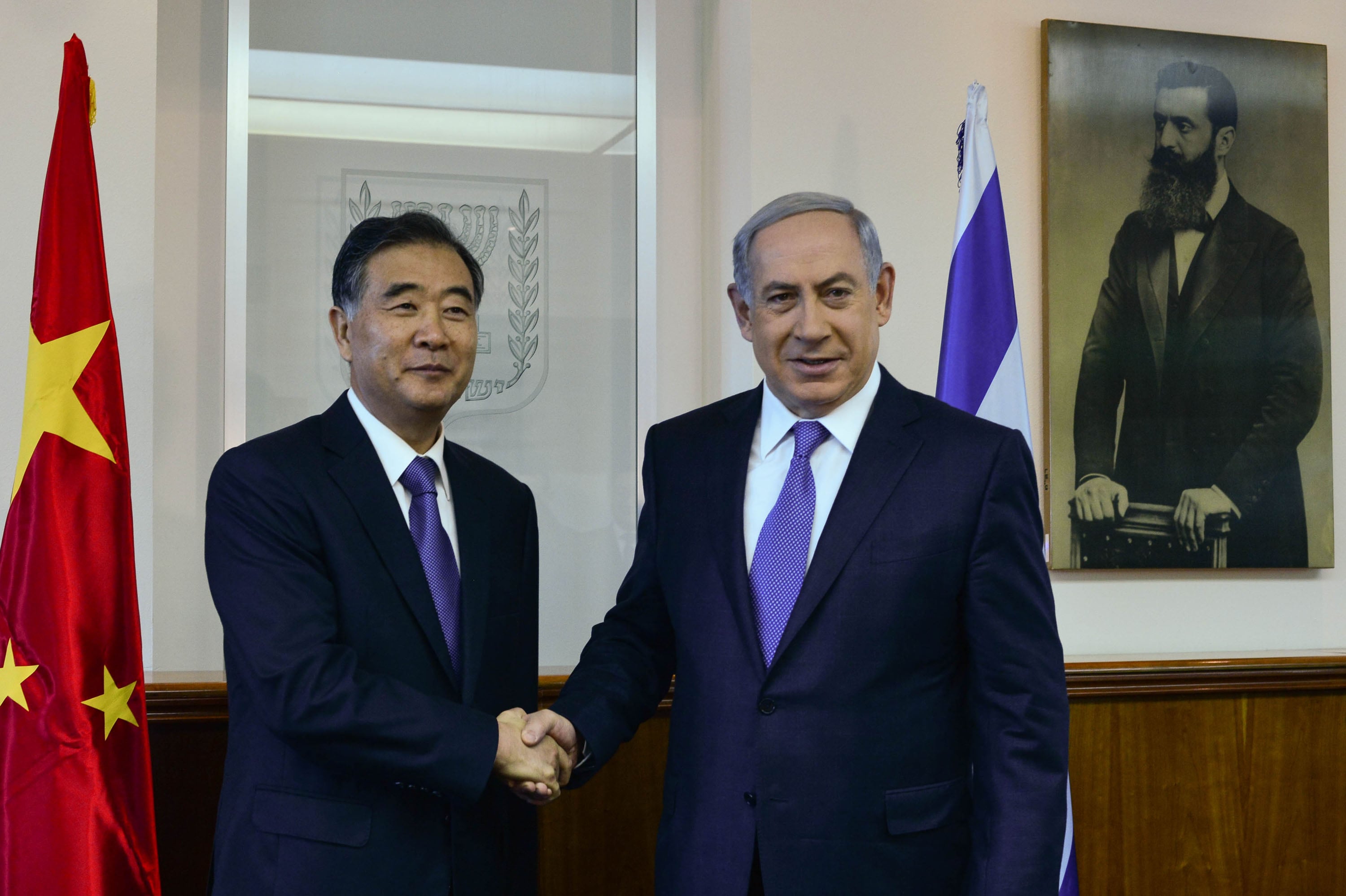
Thus, names like Chen Min’er, Hu Chunhua, Wang Yang, Li Zhanshu, and Zhao Leji are mentioned as candidates to join the top leadership in this “midterm” shakeup (to be announced on October 25), though it’s not known yet whether the SC will remain with seven spots like now, or downsized to five.
If both Wang Yang and Hu Chunhua make the cut, this is positive from Israel’s perspective. Both have visited Israel, promoting cooperation in agriculture and high-tech, the main areas of Israeli strength vis-a-vis China.
—
Alexander B. Pevzner is the Founding Director of The Chinese Media Center (CMC), at the School of Media Studies of The College of Management Academic Studies, Rishon LeZion, Israel, and a senior adviser to the Silk Road Group.




The Times of Israel Community.