

Customs agents nab infected lemon tree, averting ‘disaster’
Resident of central Holon in his 70s tries to smuggle sapling from Thailand infected with disease that has wiped out citrus groves across US, Asia, Africa, and Brazil
 Add ToI as a Preferred Source on Google
Sue Surkes is The Times of Israel's environment reporter
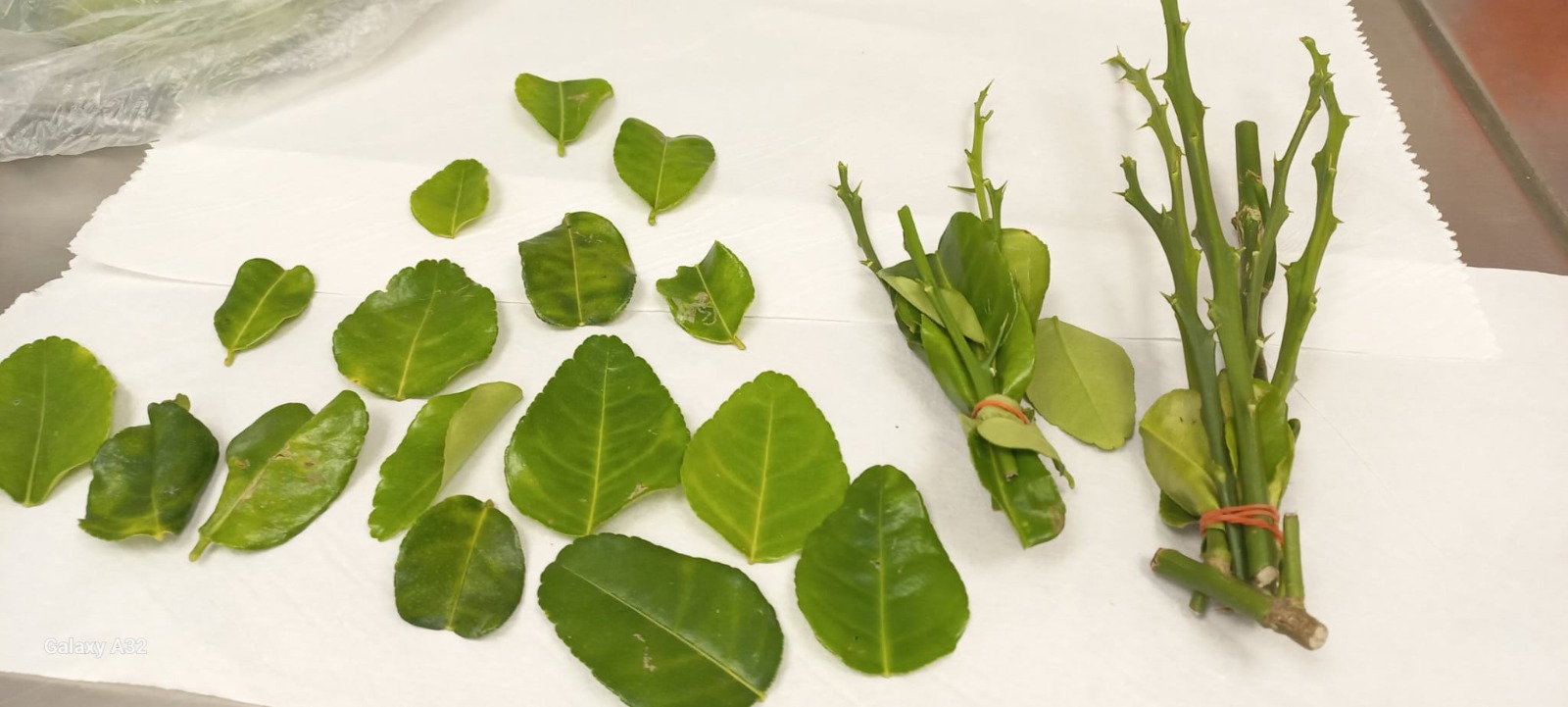
A random X-ray check of a suitcase by customs officers at Ben Gurion Airport on Tuesday prevented the smuggling into Israel of a lemon tree sapling from Thailand infected with a bacterial disease that has decimated citrus groves across the US, Asia, Africa, and Brazil.
The suitcase was brought in by a passenger in his 70s from the central city of Holon.
Citrus greening, or Huanglongbing (HLB), is caused by the bacterium Candidatus Liberibacter, which attacks and develops within the vascular system (phloem) of the tree, eventually killing it.
Fruit on infected trees remains partly green, is oddly shaped, and tastes bitter. The incurable disease is estimated to cause $10 billion in crop losses annually.
The Agriculture Ministry’s Plant Protection and Inspection Services, and the citrus industry, are investing millions of shekels in a strategic defense plan to prevent the disease from entering Israel.
In 2022, the Asian citrus psyllid, which carries the disease, was identified in the Emek Hefer region in the center of the country. Officials said at the time, that it likely arrived on plant material smuggled into Israel via Kaffir lime or other citrus cuttings.
The country exports a third of its citrus production—around 160 to 170 thousand tons per year —marketing the rest for local consumption and the fruit juice industry.
Upon arrival at Ben Gurion, the passenger tried to pass through the “Green Channel” at customs, which is for those with nothing to declare. A random check revealed the sapling along with various exotic fruits, vegetables, and root plants.
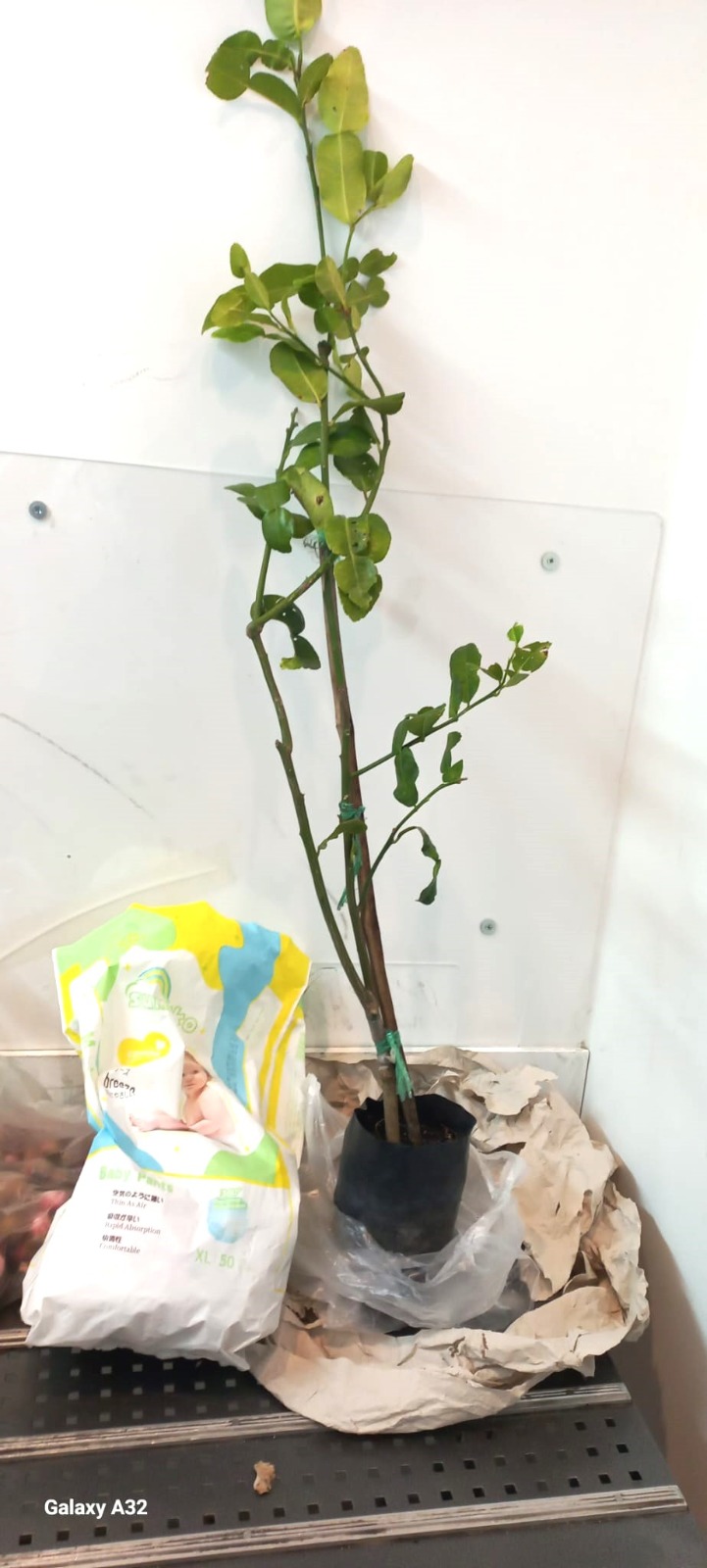
All the items were confiscated and destroyed, the Agriculture Ministry said, adding that the passenger had been caught previously trying to smuggle fresh mangoes from overseas, which can also carry pests.
The Agriculture Ministry stressed that importing plants into Israel without a license was a criminal offense.
Shlomit Zioni, Director of Plant Protection and Inspection Services at the Ministry of Agriculture and Food Security, said, “Thanks to the successful cooperation between the various authorities, we managed to prevent the smuggling of infected plant material into Israel, and we will prosecute the offender to the full extent of the law.
She added, “The introduction of this lemon sapling could have triggered a national disaster-—the total destruction of the citrus industry—causing immense harm to food security and severe economic damage to the country. I urge those returning from abroad to avoid bringing fruits, vegetables, plants, and seeds without the required license, even if intended only for personal consumption or use.”










The Times of Israel Community.