

EU regulator skeptical on need for additional COVID booster shot
As Israel administers fourth dose of vaccine to the elderly and immunosuppressed, EMA official says move likely ineffective
 Add ToI as a Preferred Source on Google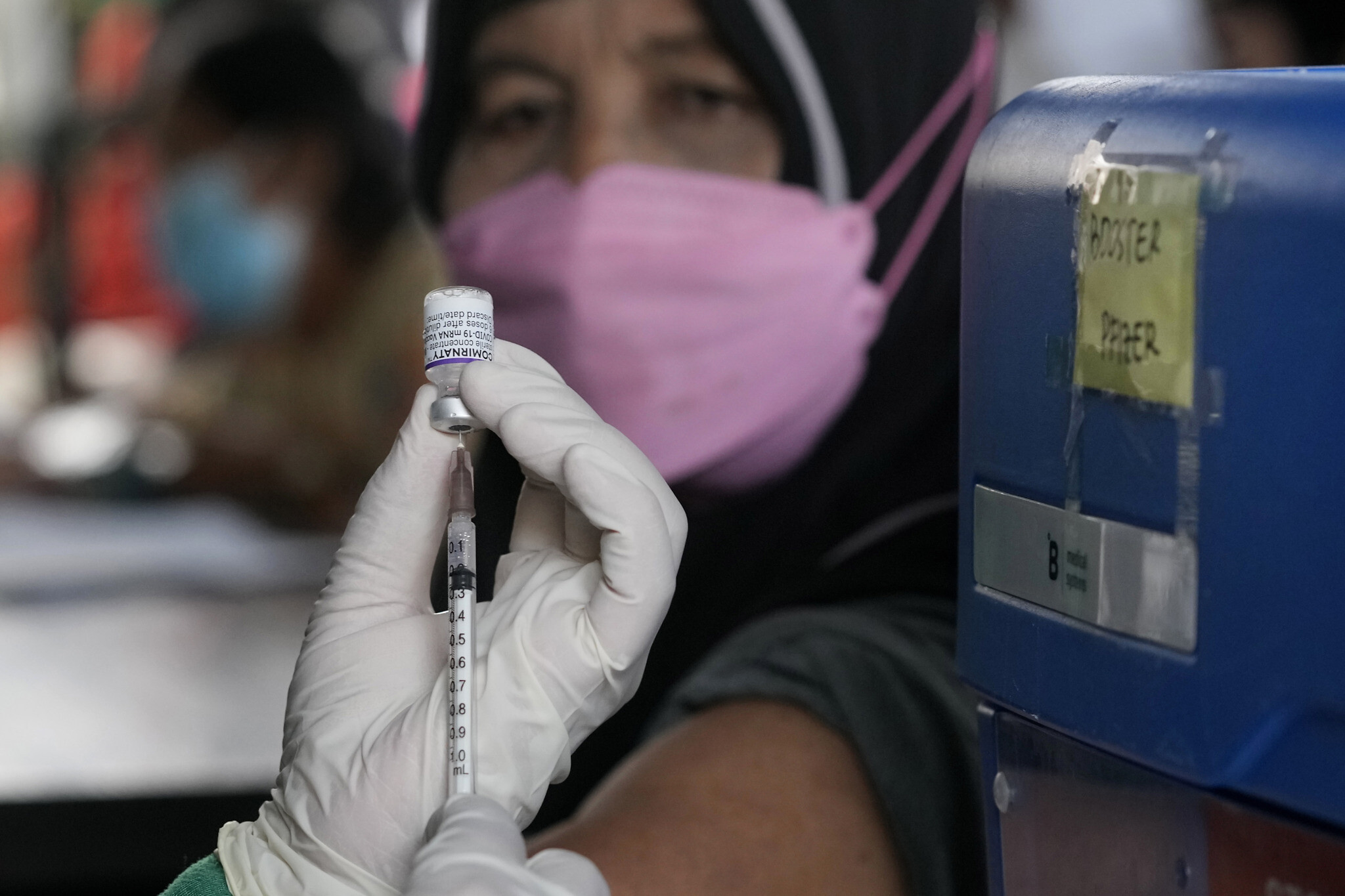
The main medical regulator for the European Union expressed reservations on Tuesday about the efficacy of an additional booster shot, given the evolving nature of the Omicron strain of the coronavirus and its ability to evade current immunization efforts.
“Preliminary results from recently published studies are showing that the vaccine effectiveness against the symptomatic disease is significantly reduced for Omicron and tends to wane over time,” said Marco Cavaleri, head of the Biological Health Threats and Vaccines Strategy division at the European Medicines Agency (EMA).
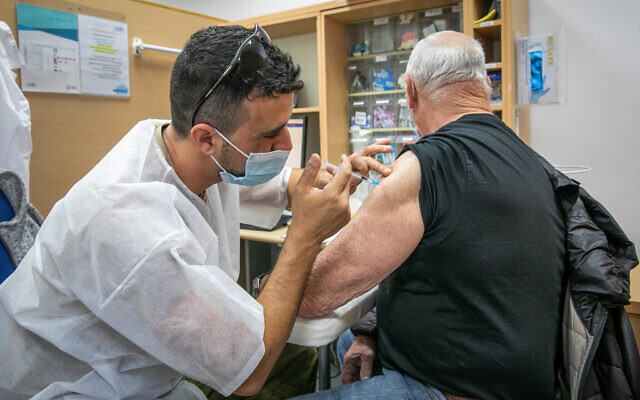
Israel has opened up access to the fourth dose, or second booster shot, of the vaccine to at-risk groups, such as the immunocompromised and the elderly, and medical workers. So far, over a quarter of a million people in Israel have received the fourth dose of the coronavirus vaccine, according to the Health Ministry.
However, an advisory panel from the Health Ministry on Monday did not approve expanding access to the fourth dose to the wider population.
Israel, like much of the rest of the world, has been seeing record numbers of COVID-19 cases, driven in large part by the rapid spread of Omicron and threatening to overwhelm schools, hospitals, and the economy. According to Health Ministry statistics, the number of daily coronavirus cases topped 40,000 on Monday for the first time since the pandemic began.
Calavi also noted that the Omicron variant has seemingly been able to bypass current iterations of the vaccine. “The study suggests that more vaccinated people will develop a breakthrough infection and disease resulting from Omicron, due to the immune evasion associated with this variant,” he said.
The World Health Organization projected Tuesday that, over the next two months, more than half of the people in Europe could catch Omicron. Experts in Israel have estimated that 2-3 million Israelis could end up contracting Omicron before the current wave of coronavirus cases abates.
Calavi warned that fully relying on the fourth dose might not be the best option to mitigate the Omicron wave. “While use of additional boosters can be part of contingency plans, repeated vaccinations within short intervals would not represent a sustainable long-term strategy,” he said.
Furthermore, he said, Omicron could spur a “natural immunity” that, when combined with vaccination efforts, could help lead COVID-19 out of the pandemic phase.
“With the increase of immunity in population — and with Omicron, there will be a lot of natural immunity taking place on top of vaccination — we will be fast moving towards a scenario that will be closer to endemicity,” Calavi said.
Pfizer CEO Albert Bourla echoed the EMA’s recommendation during an interview on Monday with CNBC.
“I don’t know if there’s a need for a fourth booster. That’s something that needs to be tested. And I know that Israel already started some of these experiments, and we will also conduct some of these experiments to make sure that if needed, we use it,” he said.
“I don’t think we should do anything that is not needed.”
Bourla said that Pfizer is already manufacturing a vaccine targeting Omicron, which should be ready for the public’s use in March.
Agencies contributed to this report.










The Times of Israel Community.