

German minister: Mistakes made in Chemnitz suspects’ cases
Poor communication between authorities caused asylum-seekers not to be deported before they slayed man in Chemnitz, sparking widespread protests
 Add ToI as a Preferred Source on Google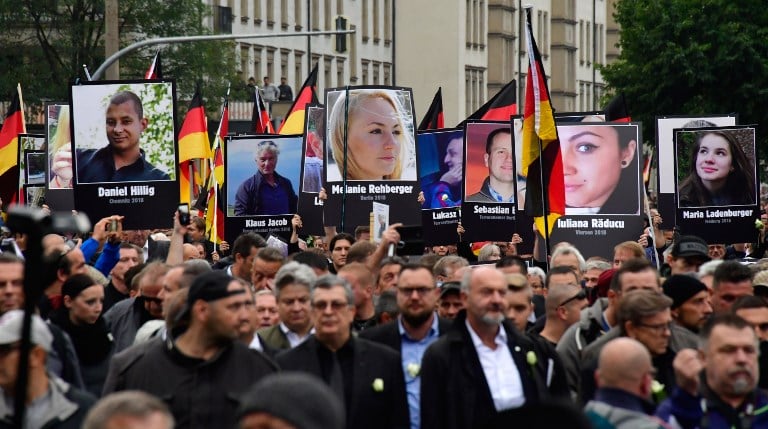
BERLIN, Germany — Mistakes were made in the cases of two asylum-seekers accused in the slaying of a German man which sparked large-scale far-right protests, Germany’s top security official said Tuesday.
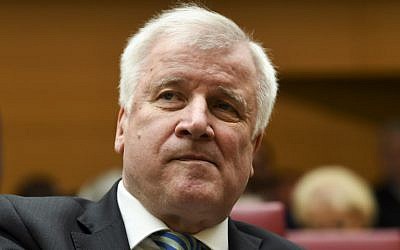
Interior Minister Horst Seehofer said Tuesday that poor communication between Germany’s migration office and other authorities meant the deadline was missed to return Iraqi Yousif A. to Bulgaria, the country responsible for his case under European rules that say migrants must apply for asylum in the country where they first enter the EU.
Seehofer said there were also cooperation issues between authorities in the case of Syrian Alaa S.
He said changes he has instituted in how Germany deals with migrants, including new centers being set up in border areas to process people quickly, should help stop similar failings in the future.
“Such delays and mistakes need to be prevented,” he said in a statement.
The men, whose last names weren’t disclosed, are being held on manslaughter charges in the August 26 fatal stabbing of 35-year-old Daniel Hillig, which sparked anti-migrant protests in the city of Chemnitz that shocked many in Germany and beyond. On Tuesday Saxony state authorities said they are seeking a third suspect in the killing, identified only as an asylum-seeker from Iraq.
Seehofer’s comments came after he met Monday with the head of Germany’s migration office.
In another issue that came up, Seehofer said Yousif A. presented an Iraqi passport, citizenship documents, and a national identity card to authorities on November 7, 2017. Those were determined to be fakes, but not until June 15, 2018.
He said that was due to a shortfall in highly specialized document experts available at the migration office — an issue Seehofer said had already been identified and is being rectified.








The Times of Israel Community.