

IDF getting new German subs, despite Ya’alon’s best efforts
Prior to his May ouster, former defense minister reportedly won a fight with Netanyahu over purchase of naval vessels
 Add ToI as a Preferred Source on Google
Judah Ari Gross is The Times of Israel's religions and Diaspora affairs correspondent.
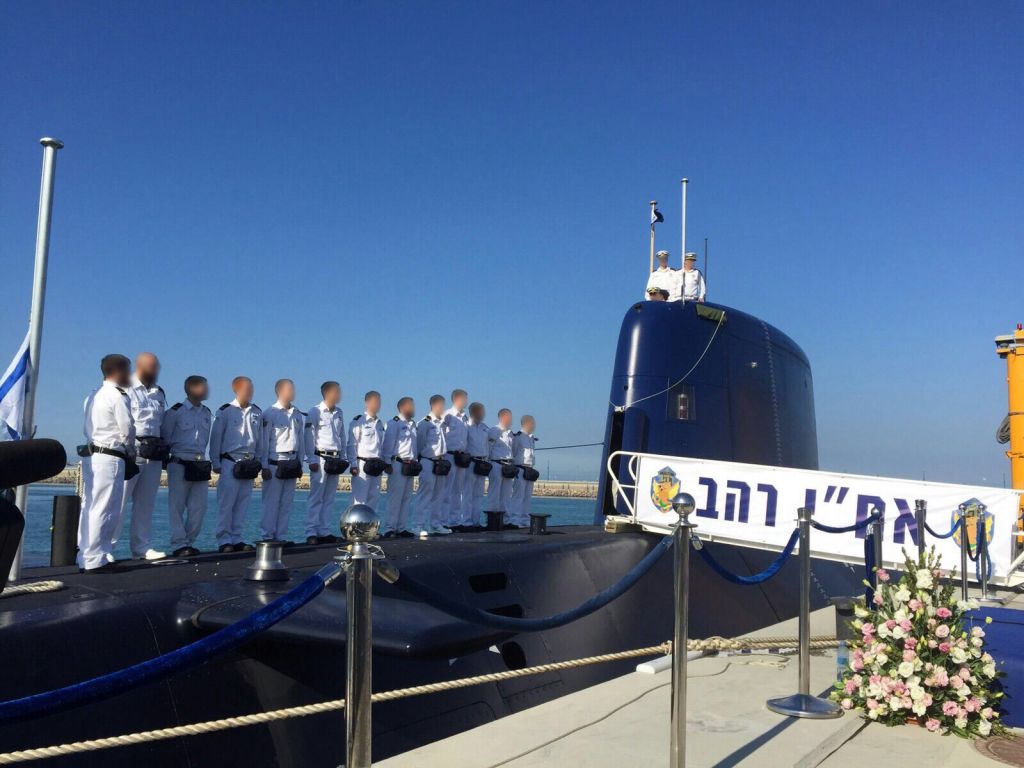
An Israeli decision to purchase three new submarines from Germany, officially announced late last month, was previously derailed by then-defense minister Moshe Ya’alon, according to a Channel 10 news report.
Prime Minister Benjamin Netanyahu announced in an October 31 cabinet meeting that Israel was in the process of negotiating the purchase of three new submarines for the Israeli Navy, which currently maintains a fleet of five underwater vessels.
At this stage, the new submarines are not meant to expand the navy’s fleet and would not actually reach Israel for at least another decade. Rather, they would replace the military’s older submarines, which would be approaching obsolescence around the same time.
But the deal almost didn’t happen, and were it not for Ya’alon’s eventual ouster in May to make way for Avigdor Liberman, it might not have at all.
Neither Ya’alon nor the IDF were in favor of purchasing the new submarines — a somewhat change of pace in the normal narrative of the defense establishment fighting to get new “toys” — as the decision did not fit with multi-year plan for the army and Defense Ministry, Channel 10 said Monday.

According to Channel 10, Netanyahu started dealings with the German government without informing Ya’alon, who only learned of the plan after news of it leaked out.
Apparently furious, the then-defense minister verbally sparred with Netanyahu in the prime minister’s office, with the two reportedly shouting at one another over the issue.
Following additional arguments over the subs, Ya’alon indeed succeeded in torpedoing the plan, the news outlet said.
While the IDF reportedly continued to oppose the decision, once Ya’alon stepped down as defense minister, Netanyahu renewed the negotiations with the Germans for the new submarines.
When asked for comment, Ya’alon said he would not discuss the reports.
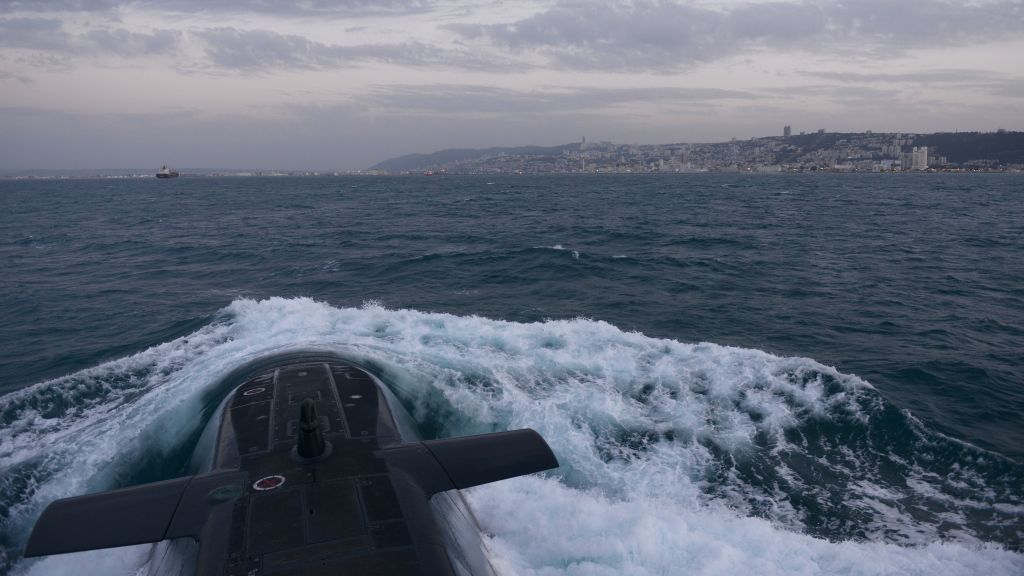
Submarines, unmatched in their ability to hide from enemy navies, have long been a major facet of Israel’s defense policy.
Israeli subs are reportedly armed with cruise missiles topped with nuclear warheads, affording the tiny Jewish state “second strike” capabilities — although the government will not acknowledge the existence of these nuclear weapons, as part of its long-standing policy of “nuclear ambiguity.”
Israel’s fifth submarine, the INS Rahav, arrived in Israel in January, approximately a decade after it had been purchased from Germany, coming just a few years after the acquisition of the INS Tanin, which joined the fleet in 2013.
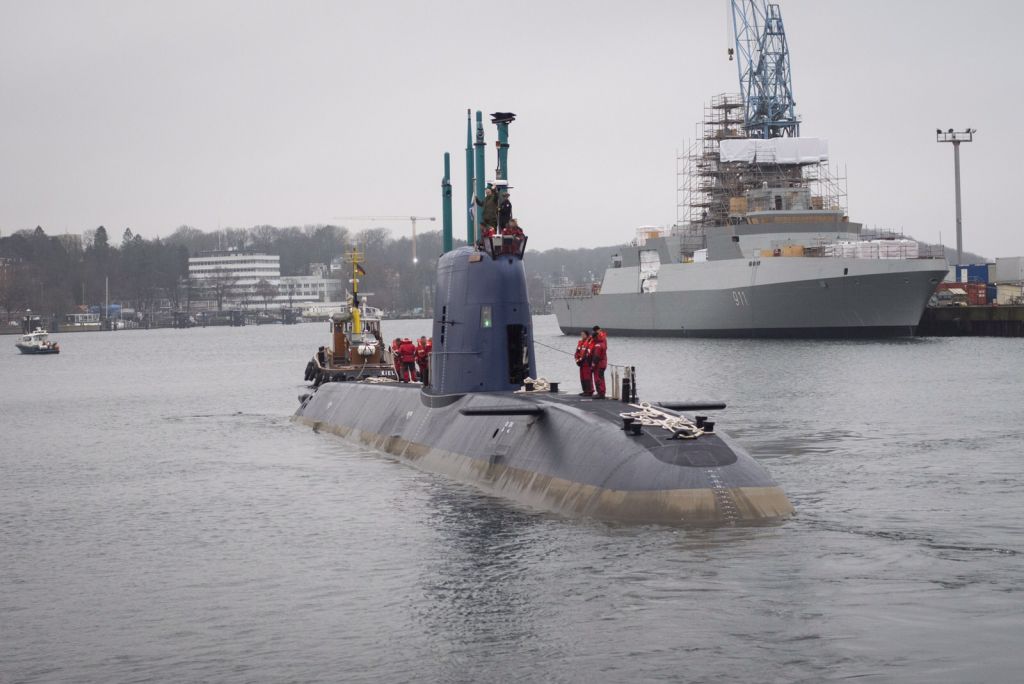
Israel purchased a sixth submarine from Germany in 2013, which is expected to be completed in a few years.
“Submarines are a strategic tool in the IDF’s defense arsenal. Israel is prepared to act at any time in any place to ensure the safety of Israel’s citizens,” Netanyahu said in 2013, when the Rahav was first unveiled in Germany.
The cost of Israel’s “strategic tools” is reportedly NIS 1.65 billion ($433 million) per submarine, making the total price of three approximately NIS 5 billion ($1.3 billion), according to Hebrew media reports, though that is offset by a considerable discount from Germany that is rooted in a contentious 1953 reparations agreement between Germany and Israel for the Holocaust.
The agreement, which significantly boosted Israel’s economy during the early days of its independence, has brought billions of dollars of military and economic aid to Israel throughout its history and was further invoked to purchase the new line of naval vessels.







The Times of Israel Community.