

IDF says it hit Tehran university site used to develop components for nuclear weapons
Strike on sanctioned Malek Ashtar University comes after US reportedly hits Natanz enrichment facility; IDF chief says campaign at ‘halfway’ stage, regime ‘battered and confused’
 Add ToI as a Preferred Source on Google
Emanuel (Mannie) Fabian is The Times of Israel's military correspondent
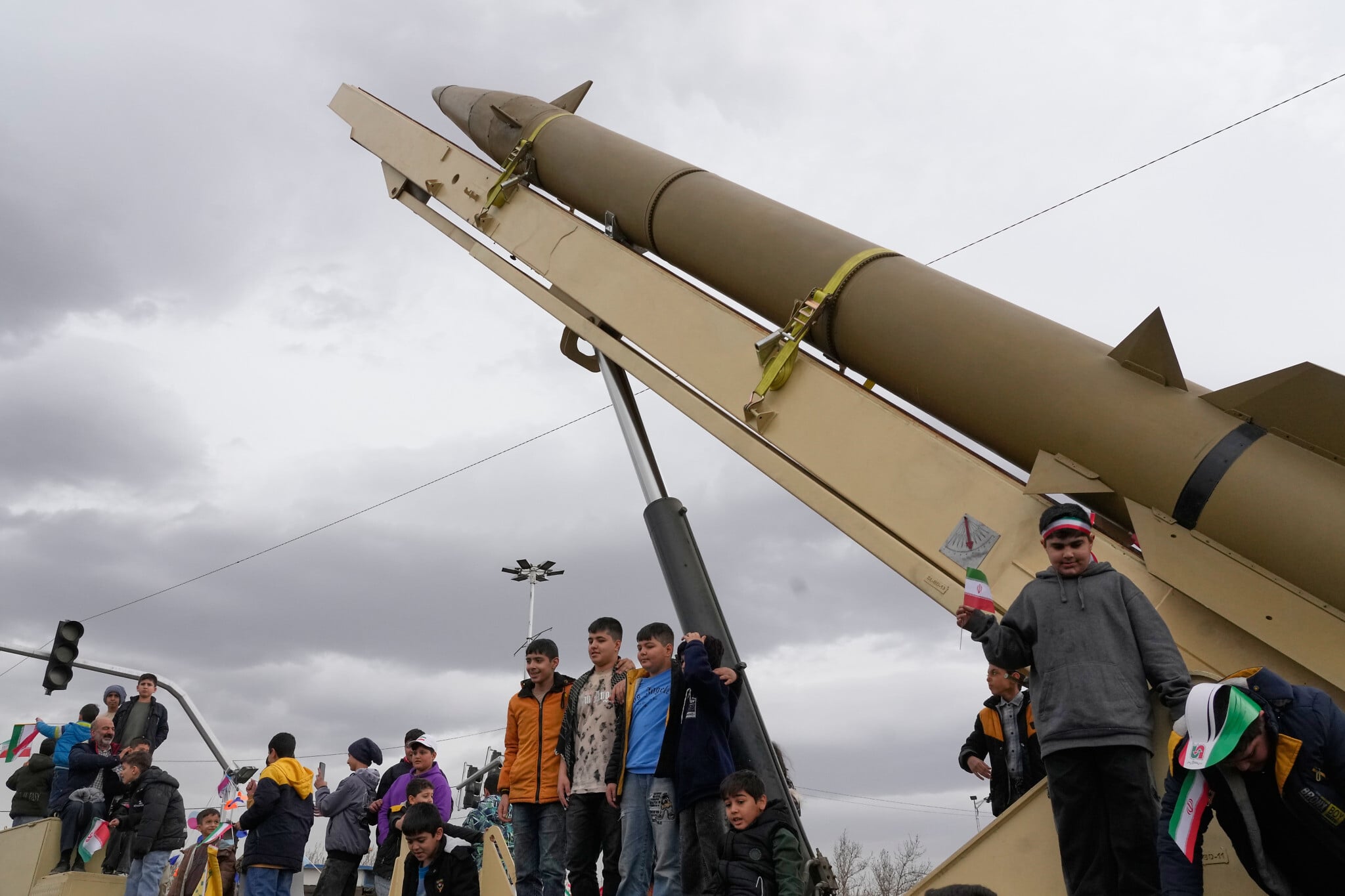
The Israeli Air Force recently struck an Iranian nuclear weapons research and development site in Tehran, the military announced on Saturday, as Israel and the United States continued their operations to eliminate the Islamic Republic’s nuclear program.
According to the IDF, the “strategic” site at Malek Ashtar University was used by Iran’s military industries to develop components for nuclear weapons.
Malek Ashtar University, subordinate to Iran’s defense ministry, is under Western sanctions over its activities relating to Iran’s nuclear and ballistic missile programs.
Iran has repeatedly denied seeking to acquire nuclear weapons. However, it has enriched uranium to levels that have no peaceful application, obstructed international inspectors from checking its nuclear facilities, and expanded its ballistic missile capabilities.
Israel alleged during 2025’s 12-day war that Iran had taken steps toward weaponizing its enriched uranium and creating a bomb.
Iranian media said earlier on Saturday that US-Israeli forces had attacked the Shahid Ahmadi-Roshan Natanz uranium enrichment complex on Saturday morning. Technical experts found that no radioactive leaks had occurred, and nearby residents were not at risk.
In response to a query by The Times of Israel, the Israel Defense Forces said that it did not conduct any strikes in the area and that it could not comment on American activities.
Iran’s stockpile of some 450 kilograms of 60 percent-enriched uranium is believed to be buried under the rubble of sites bombed by the US last year, specifically near Isfahan and the Natanz area.
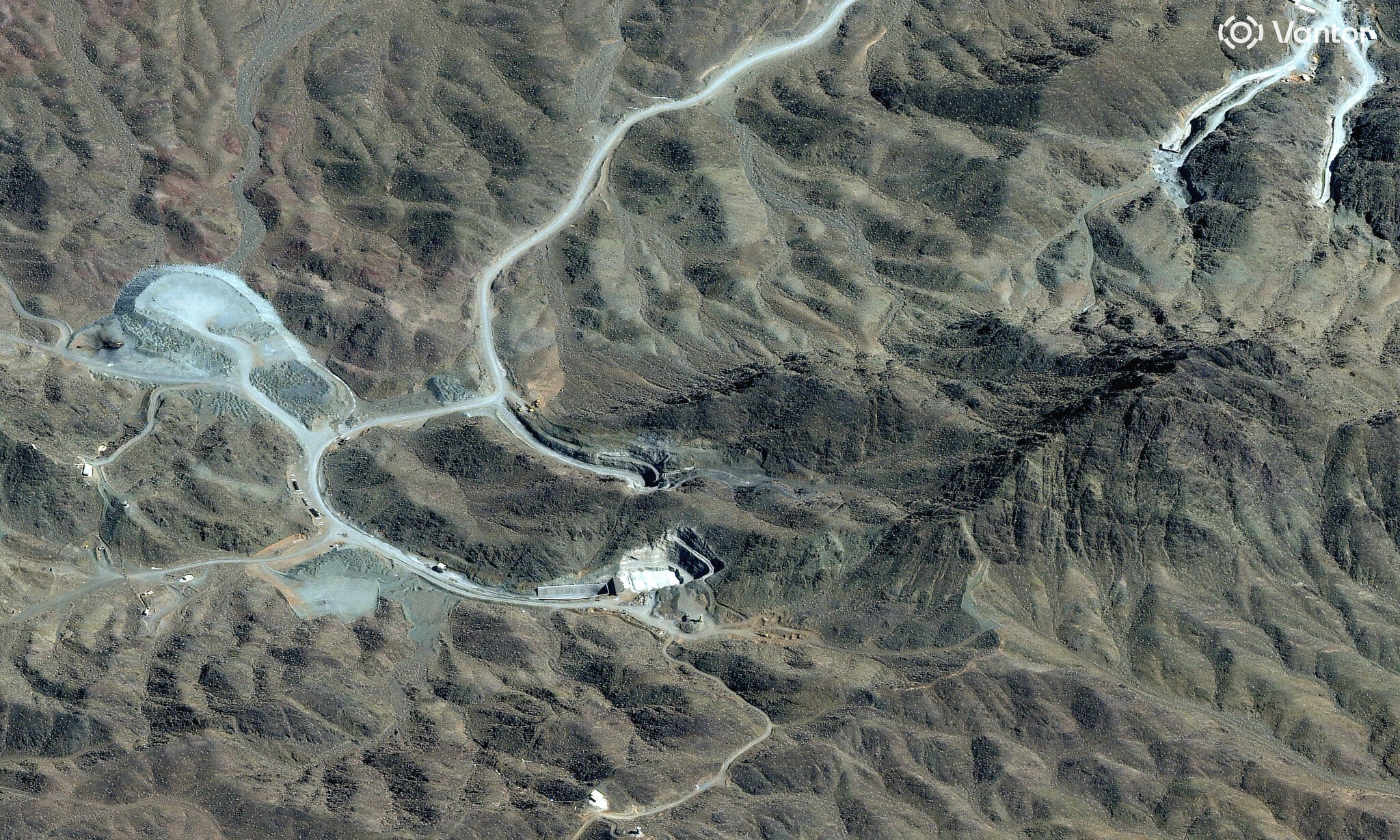
That uranium is a short step away from weapons-grade material, enough for an estimated 10 nuclear bombs.
Securing the highly enriched uranium has been seen as one of the possible targets of the war for Washington and Jerusalem, though doing so would require a complex and dangerous operation.
IDF chief says Iran campaign at ‘halfway’ stage
IDF Chief of Staff Lt. Gen. Eyal Zamir said on Saturday that the military was about halfway through its campaign against Iran.
“We are halfway through, but the direction is clear. In about a week, on Passover, the holiday of freedom, we will continue to fight for our freedom and our future,” he said in a video statement.
Zamir said that the “extensive damage we have caused to the Iranian regime over the past three weeks is beginning to accumulate into a systemic-strategic, military, economic, and governmental achievement.”
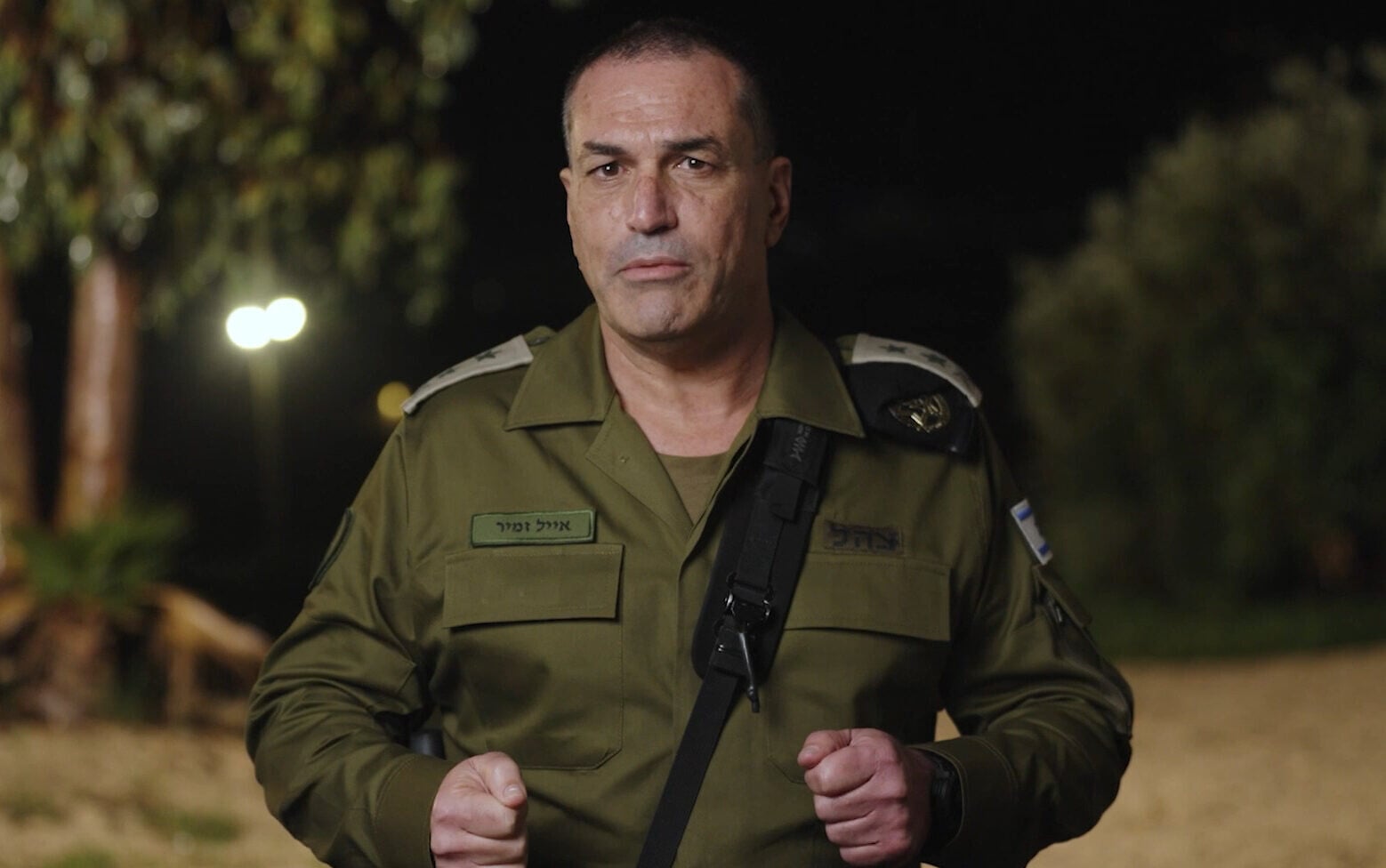
“As a result, the regime of evil is weaker, and Iran is more exposed and without significant defense capabilities. The leaders of the regime, who developed capabilities with the goal of destroying us, are battered and confused,” he said.
Zamir also commented on Iran’s long-range ballistic missile attack on the British-American Indian Ocean military base at Diego Garcia on Friday.
“Just yesterday, Iran launched a two-stage intercontinental ballistic missile with a range of 4,000 kilometers [2,500 miles] toward an American target on the island of Diego Garcia. These missiles were not intended to hit Israel. Their range reaches the capitals of Europe — Berlin, Paris, and Rome are all within direct threat range,” he said.







The Times of Israel Community.