

In first, Meretz to hold open party primaries
Zehava Galon’s gamble, which saw her resigning her Knesset seat, pays off as left-wing party adopts a more direct system to elect candidates
 Add ToI as a Preferred Source on Google
The chairwoman of the Meretz party on Thursday reached an agreement to hold open primaries in March, ending a months-long internal spat within the left-wing party.
Chairwoman Zehava Galon has for months been advocating open primaries within the party, and even resigned her Knesset seat in October to concentrate on the effort.
Meretz’s primaries are currently a two-stage process in which party members elect delegates to the party’s top committee, which then selects the Knesset list.
But calls have grown in recent years for the party to do away with the delegate system and switch to more direct primaries, a move that some in the party hope could expand the reach of the dwindled and sidelined political left.
MK Ilan Gilon, the party’s Knesset faction chairman and one of Galon’s rivals for party leader, has resisted the efforts to change the primary voting system.
On Thursday, Gilon and Galon agreed to a compromise proposal that would allow anyone to sign up as a member of Meretz up to a month before the March 22 primaries and vote for the party’s list.
The compromise agreement also stipulates that a 60 percent majority will be required to make any further changes to party policy.
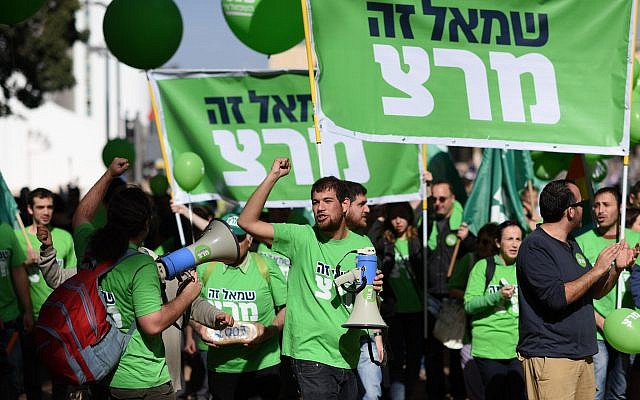
Galon resigned as an MK in October, explaining in a statement that she wished to “dedicate the coming months to her job as chair of Meretz, in order to change the election process and to enact open primary elections.”
She promised that if she lost her bid to change the primaries process, she would resign as party leader.









The Times of Israel Community.