

Israel studies programs on US campuses are at a crisis point, report warns
Study by Jewish People Policy Institute says field threatened by hostile campus activism, funding and strategy issues; leading scholar acknowledges challenges but says the discipline remains healthy
 Add ToI as a Preferred Source on Google
Luke Tress is The Times of Israel's New York correspondent.
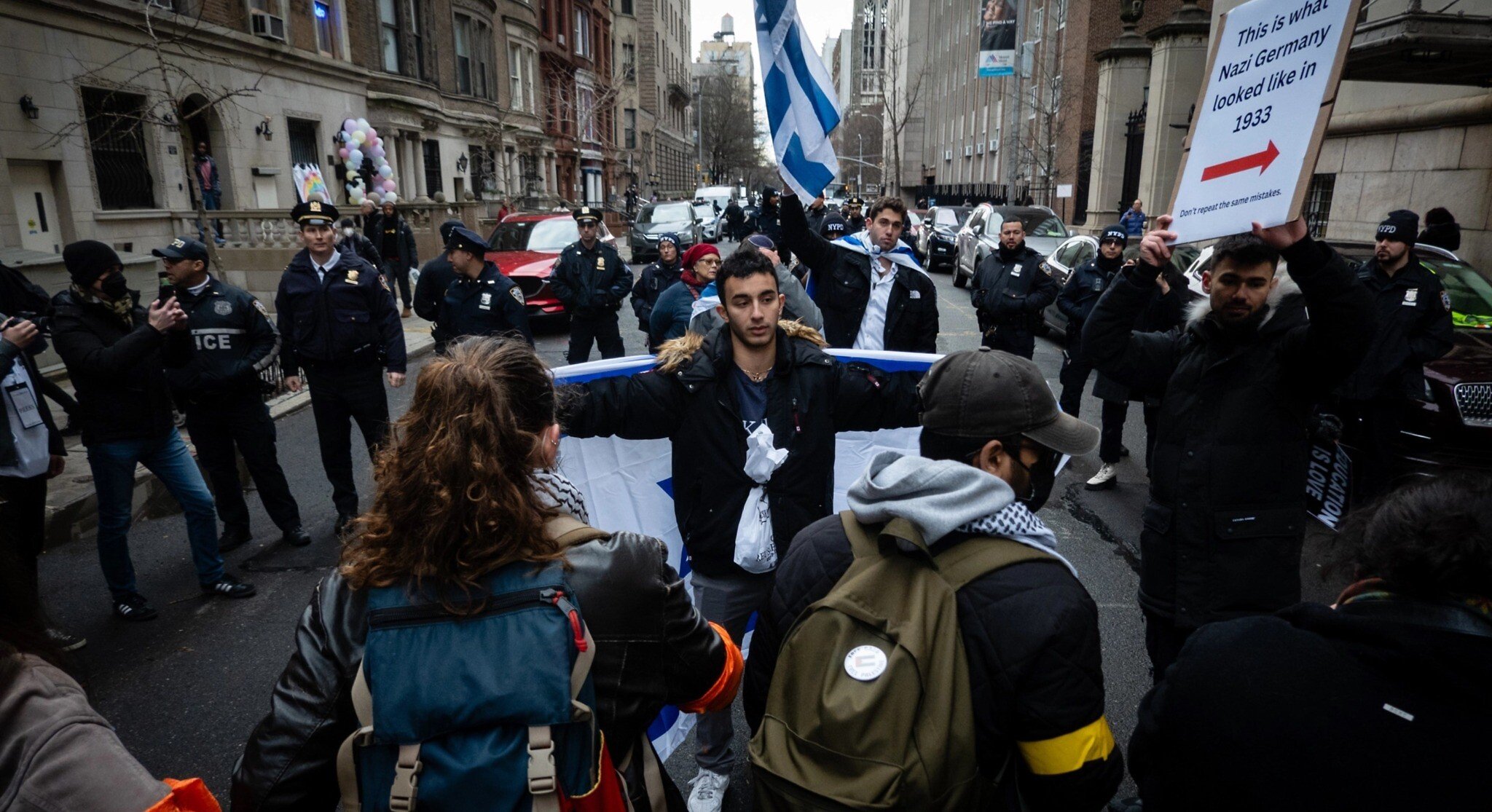
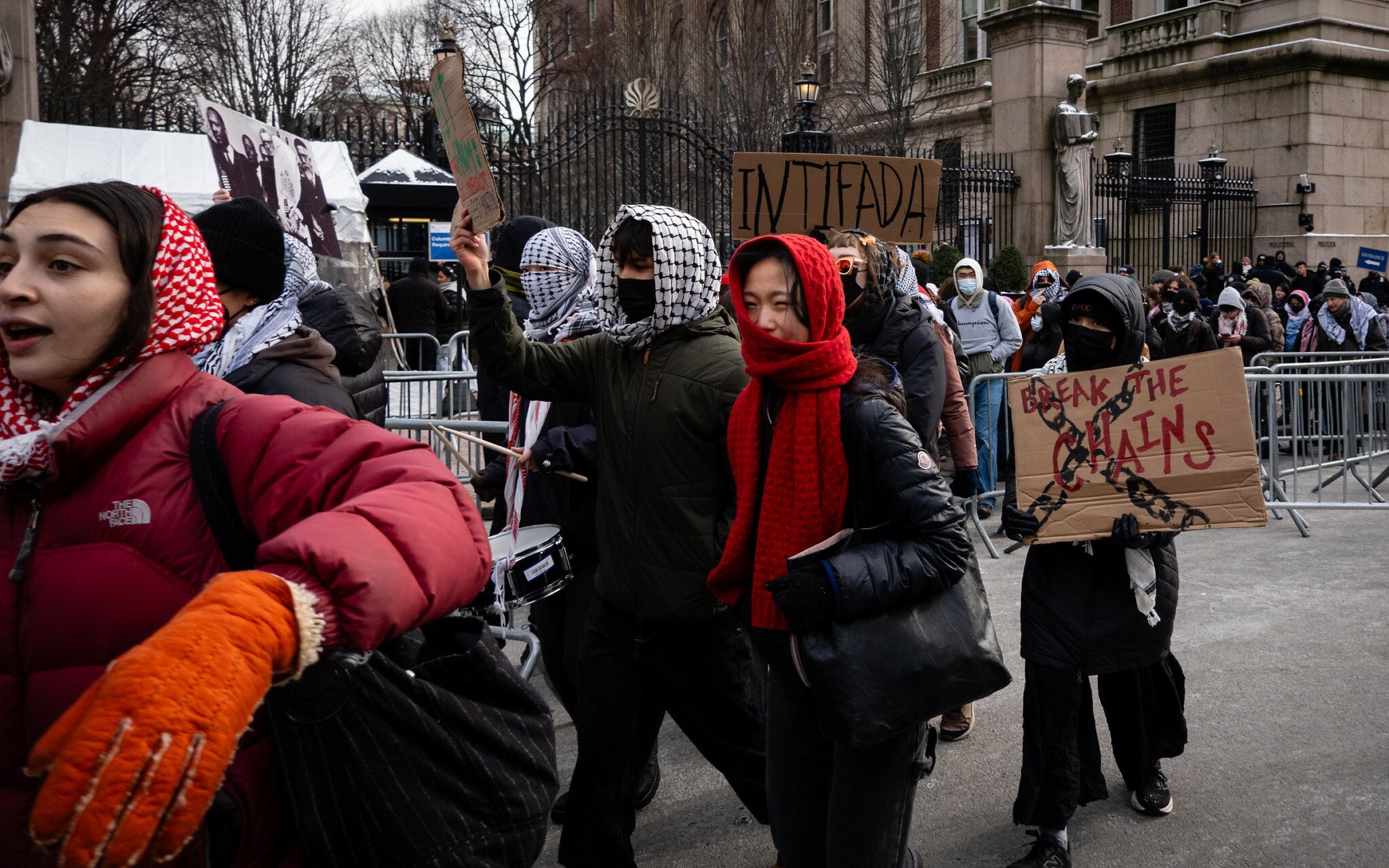
In January, on the first day of the spring semester at Columbia University, keffiyeh-clad protesters barged into a class on the history of modern Israel taught by Israeli professor Avi Shilon. The activists read a speech accusing the lesson of “normalizing genocide” and threw fliers at the students calling to”Crush Zionism,” with an image of a combat boot poised over a Star of David.
The incident highlighted the crisis facing the academic field of Israel studies at US universities, according to a 73-page report released Sunday that said the subject is “at the brink of extinction.”
“The academic endeavor of Israel Studies is at a crossroads and seems unsustainable in the contemporary campus climate,” said the report, published by the Jewish People Policy Institute, a Jerusalem think tank.
The report, authored by Sara Yael Hirschhorn, a historian at Haifa University, said the field is a facing issues resulting from a combination of factors from within and outside it. These include not just an uncomfortable and sometimes hostile campus climate for discussing Israel since October 7, 2023, but also internal factors such as the field’s strategy and funding.
Hirschhorn told The Times of Israel that she hopes the report will start a dialogue about the direction Israel studies should take in an environment marked by anti-Israel activism on campuses.
“The field is not what it was 20 years ago. The climate has changed,” she said. “We have to talk about that.”
That anxiety is not universal. A leading scholar in the field, Dr. Csaba Nikolenyi of Concordia University in Montreal, disagreed with the report’s conclusions. Nikolenyi acknowledged that there were challenges for Israel studies due to campus activism, but said there was not a crisis and that the field remained healthy due to its pluralism, robust engagement from its members and interest from students.
“Since October 7, 2023, we have all been operating in very, very different climates, but the academic field of Israel studies, I don’t see this going through any crisis,” said Nikolenyi, vice president of the Association for Israel Studies.
Israel studies took shape in the mid-1980s as a loose community of like-minded researchers, mostly political scientists, interested in the Israeli-Palestinian conflict. In 1985, a group of professors formed the Association for Israel Studies. Its membership expanded as the network studied topics including Israeli foreign policy, religion, Jewish and Arab literature, and the kibbutz movement. The movement attained the structures of an academic field, such as a peer-reviewed academic journal, and built ties with Israeli institutions.
The field took a more critical turn toward Israel by challenging the conventional Israeli narrative of the 1948 War of Independence, inspired by the so-called “New Historians” including Benny Morris, and took on more divisive topics such as the nature of nation-building and colonialism.
At the same time, in the early 2000s, during the Second Intifada, donors made contributions to Israel studies programs as a way to balance perceived hostility to Israel in Middle East studies departments. This lead to some tension between activist donors who wanted to counter the antagonism to Israel in other fields on campus, and academics who leaned into Israel criticism or sought to remain academically impartial.
Some donors have feuded with faculty who were critical of Israel. In 2022, philanthropist Becky Benaroya withdrew $5 million from the University of Washington’s Israel studies program after finding out that the department chair had signed a petition accusing Israel of settler-colonialism and Jewish supremacism. The popular political theory of settler-colonialism refers to a “system of oppression based on genocide and colonialism, that aims to displace a population of a nation (oftentimes indigenous people) and replace it with a new settler population,” according to the Cornell Law School Legal Information Institute.
Israel studies peaked in the late 2000s, with 70 Israel studies courses enrolling 1,700 students at 27 universities in the 2007-2008 school year, the report said. The nonprofit Israel Institute disagreed, however, saying the current number of students in the field was higher. When counting courses led by postdocs and visiting professors who are not tenured Israel studies professors, the field had more than 5,000 students on 78 campuses in North America this school year, according to the Israel Institute.
‘Lost sight of its self-definition and priorities’
Part of the challenge is due to problems in the field itself, the report argued, saying that Israel studies cannot “answer simple questions about its aims, methodologies, and future,” particularly in a hostile campus environment.
“Academics have approached various topics out of their own interests or career trajectories, all of which have been haphazardly cobbled together into what has been called a discipline,” the report said. Hirschhorn is a senior fellow at the Jewish People Policy Institute who spent 13 years in Israel studies in the US and UK.
The report highlighted a 2024 conference in Prague with the theme “Israel and Israel Studies: The European and International Perspective,” but said most sessions at the gathering did not address that theme and that awards were given based on vague and opaque criteria while notable figures in the field did not attend.
“Israel studies is suffering from a profound identity crisis — by privileging inclusivity over academic rigor and methodological coherence, it has lost sight of its self-definition and priorities,” the report said.
Nikolenyi said the field’s increasing diversity in viewpoints was one of its strengths, bringing in scholars from backgrounds including history, sociology, economics and business. He said Israel studies should not be viewed as an academic discipline, like economics, which has a largely agreed-upon curriculum. Israel studies, by contrast, is “multi- and inter-disciplinary by definition,” he said, bringing in various viewpoints from different disciplines.
“If Israel studies were not as plural and diverse as it is, then I would be nervous,” he said. The Association for Israel Studies has a few hundred members, but does not collect data about enrollment or the prevalence of Israel studies programs on campuses, he said.
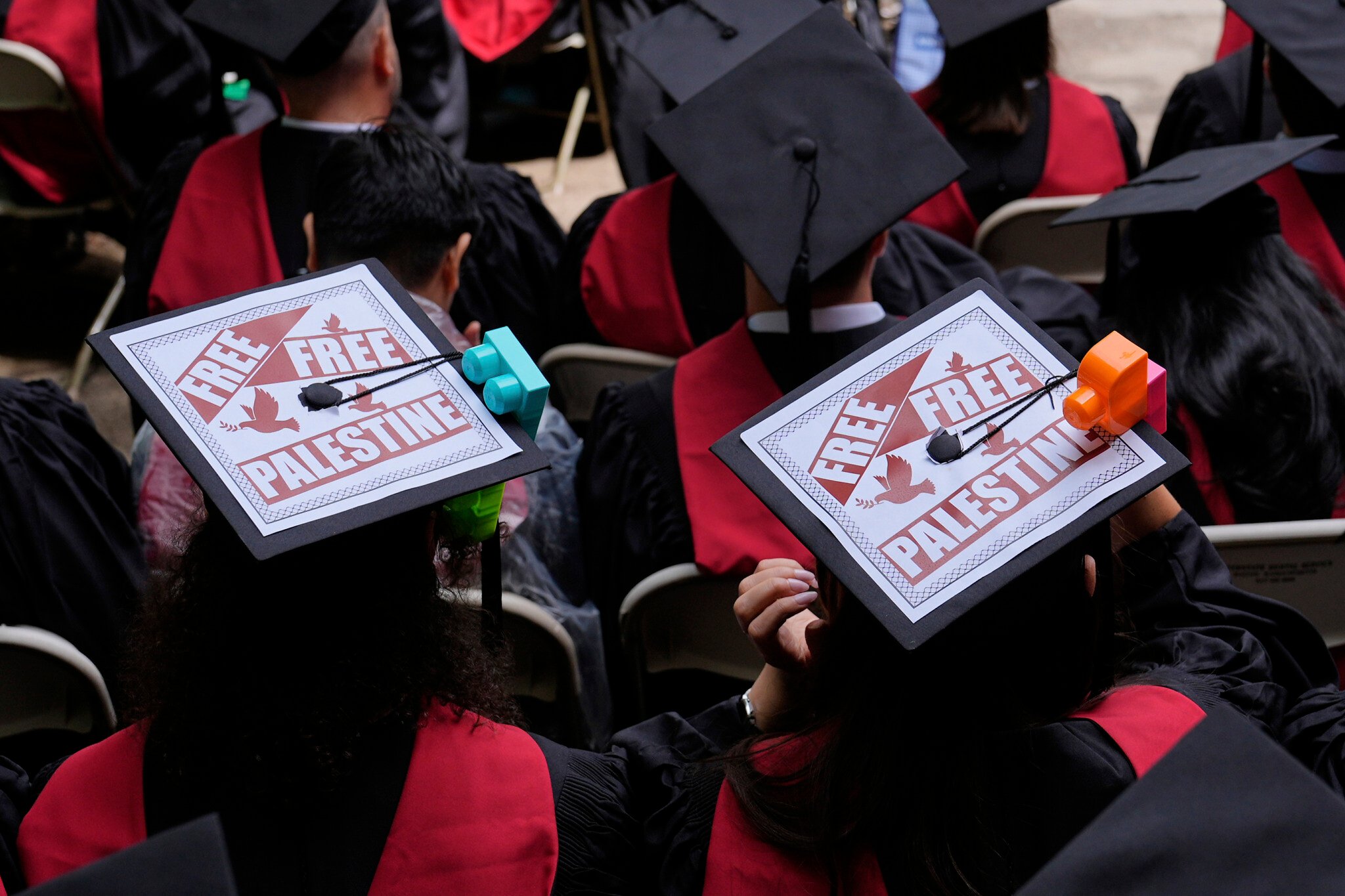
The challenges accelerated with the anti-Israel campus protest movement that rocked universities in the wake of the Hamas invasion of Israel in October 2023. But some of the field’s ideological woes predated October 7.
University department structures, the report said, have left Israel studies isolated. Middle East studies departments, the natural home for Israel studies, are often hostile to Israel and Zionism. Israel studies has been shoehorned into Jewish studies departments that, at some universities, include anti-Israel activist faculty. The two areas also compete for funding, furthering tensions, the report said.
The US-based Middle East Studies Association voted to boycott Israel in 2022. That vote ended collaboration with the Association for Israel Studies because many of its members are Israeli or linked to Israel, Nikolenyi said, adding that many Middle East and North African departments do not welcome Israel studies. He said that relationships with Jewish Studies departments vary by campus, but that overall, ties between the two fields were healthy. The relationship between the Association for Israel Studies and the Association for Jewish Studies has “not been under duress,” he said.
As in many classrooms, professors have to manage tense discussions around religion, ideology and nationalism. But the report said Israel studies instructors do not have an agreed-upon framework for the classes and take different approaches, with some embracing activist politics and others trying to avoid the conflict, focusing on topics such as food and film. Nonetheless, students are put off by the drama and are reluctant to enroll in classes on Israel and Zionism due to potential professional or social blowback, the report said.
Ideological trends also weigh against a balanced study of Israel, the report said. Ethnic studies that have become entrenched on campuses are oriented toward anti-colonial narratives that frame Israel as oppressive and Zionism as a white, settler-colonial movement.
Campus trends have “institutionalized a series of discourses that frame Israel and the Jews solely as ahistorical ‘white oppressors’ within a broader frame of settler colonialism and state violence,” leaving little room for nuanced discussions about the conflict, the report said.
A “dual narrative approach” that exposes students to both Israeli and Palestinian viewpoints is the norm in Israel Studies, although other fields, including Palestine studies, do not teach both sides, according to the report, which said that balanced approach has put the field on a “collision course” with activist Ethnic studies departments.
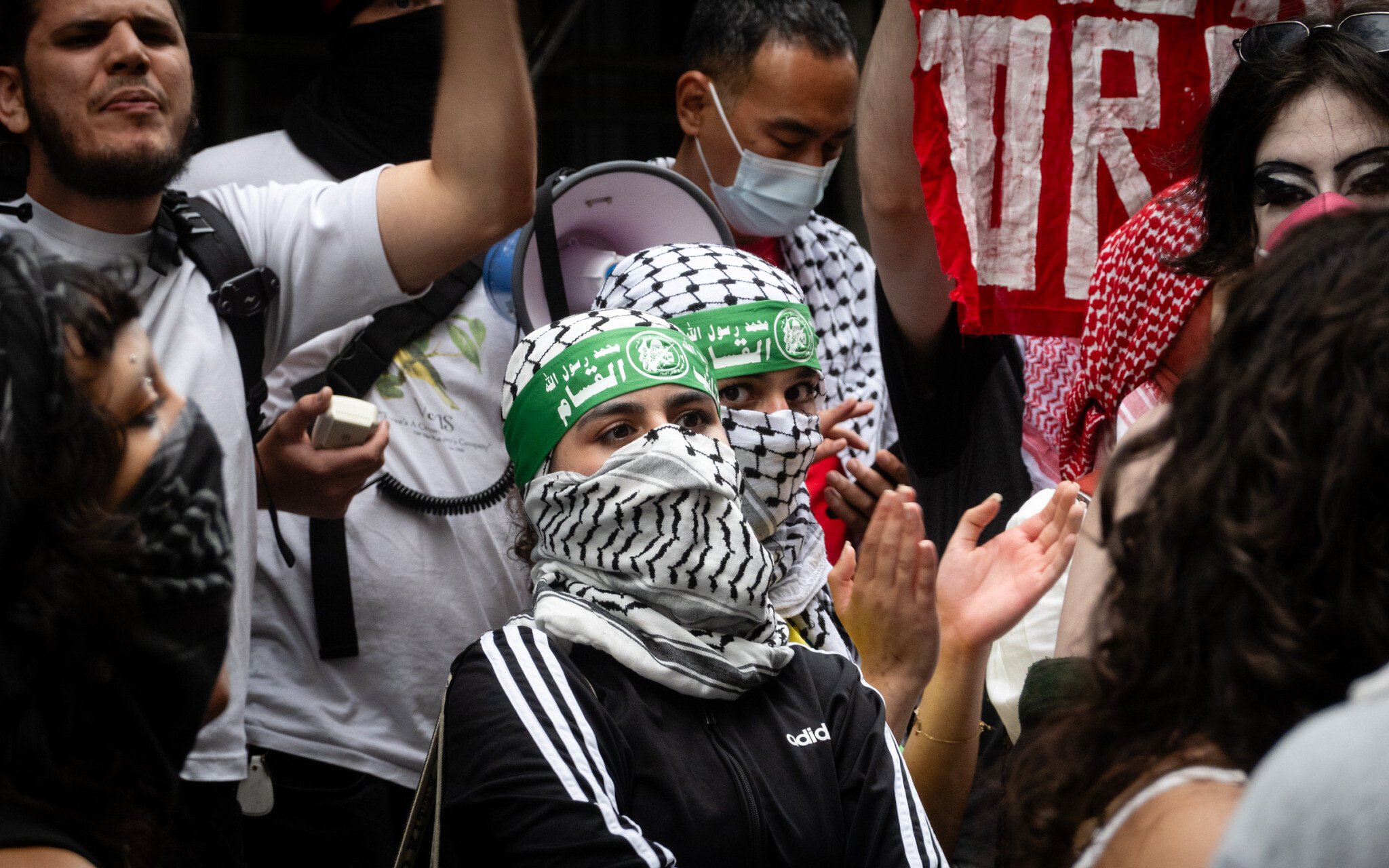
“These ways of thinking and acting now dominate most departments and have spilled over more largely into the campus environment, as reflected in much of the activities since October 7, 2023,” the report said, adding that Israel studies is increasingly becoming a “pariah field” on campuses.
Nikolenyi agreed that, at many universities in North America, “the last two years have been really, really challenging in terms of campus climate, especially outside class,” though the situation varies by campus. At Concordia, activists have targeted the Israel studies department and vandalized Nikolenyi’s department office with the words “genocide institute,” but enrollment in the department’s classes increased and student interest and feedback have been positive, Nikolenyi said. The protests have not restricted scholars’ academic freedom, he added.
“We offer so much that scholars value and our members value, so I’m definitely very optimistic that we are going to be able to hold onto this robust, plural and diverse membership,” he said. “There’s a challenge, a very strong challenge, but not a crisis.”
‘What happens on campus doesn’t stay on campus’
Hirschhorn recommended that several organizations working in the field should unify, define goals, and set up qualification criteria for scholars. The field should also establish a centralized curriculum, produce guidance documents to lead discussions about fraught topics, and work with donors, providing them with realistic expectations about research and ideology. She argued the field should expand to more campuses, particularly those more amenable to Israel studies, like universities in the southern US that are less steeped in leftist activism.
Scholars could also look to educate outside of universities with courses at think tanks for university students and non-students, such as young professionals working in media and foreign policy, Hirschhorn said.
“This isn’t Las Vegas. What happens on campus doesn’t stay on campus and has a broader effect on foreign policy in the future,” she said.
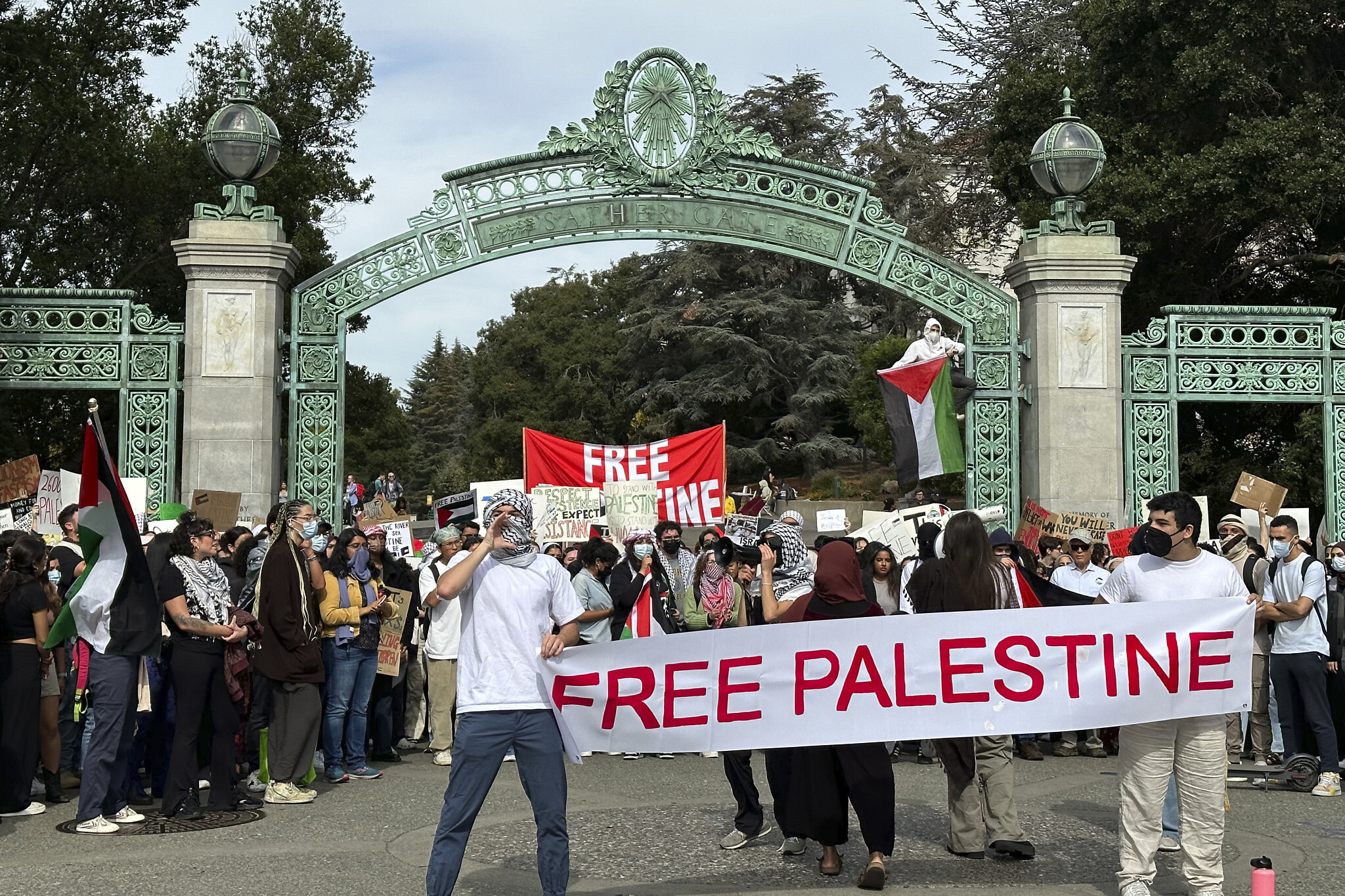
At a panel discussing the report last week, Shilon, the Columbia professor, said he had been hired as a response to the anti-Israel demonstrations on campus. His course outlined the two competing narratives, Israeli and Palestinian, surrounding the 1948 war, he said.
“The idea was that the best way to confront the demonstrations is actually to teach, and to teach in the most balanced and nuanced way,” he said. When the protesters stormed his classroom, he invited them to join the debate, but they refused.
Shilon said he agreed with some of the report, but that he did not think the field was in crisis. He said the war in Gaza presented “a big opportunity” for Israel studies, given the interest in the conflict, and that, at Columbia, “people are eager to learn about Israel.”
Shilon, whose family is from Iraq, called to teach more Mizrahi Jewish history and to embrace hard questions about Israel, such as those surrounding the framework of settler-colonialism.
“I don’t think that we should look at the universities only as a place which are hostile to Jews or to Israel,” he said.





The Times of Israel Community.