

Israel, US grads dream up ideas in Birthright Ventures program
Six teams present their startup products at event marking end of second summer of program for budding entrepreneurs
 Add ToI as a Preferred Source on Google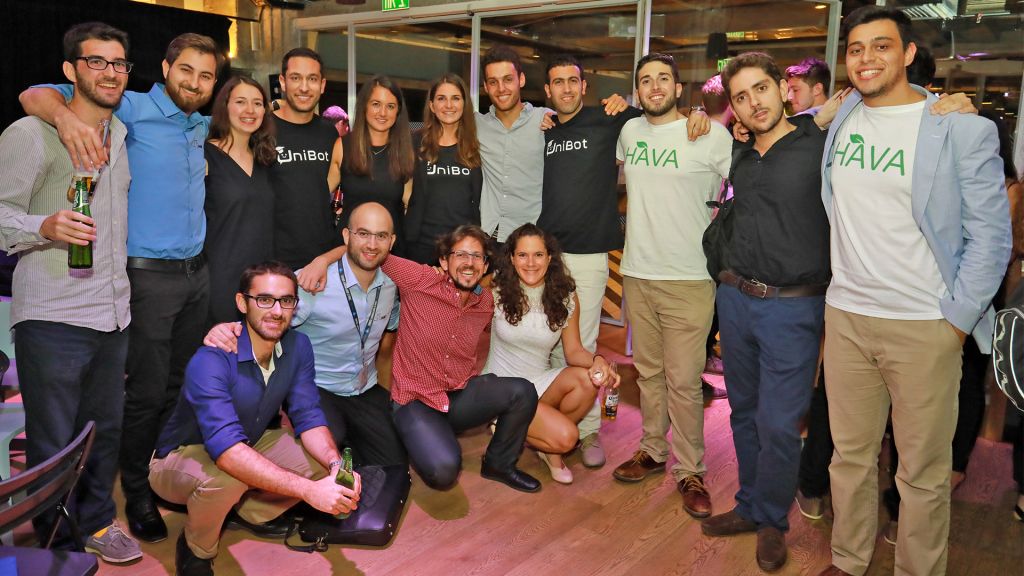
A 2-year-old Birthright Israel program brought together Israeli and American entrepreneurs — graduates of elite units of the Israeli Army and leading North American universities — for 10 weeks this summer, during which they came up with ideas for joint projects and startups.
These initiatives ranged from creating an app for increased safety at construction sites to monitoring employee engagement.
The six teams, part of the new Birthright Israel’s Excel Ventures program, spent their time working, brainstorming, hanging out with local entrepreneurs and soaking in the startup scene of Tel Aviv. On Tuesday, they presented pitches for their products to CEOs, mentors, and leading members if Israel’s tech community in a closing ceremony for the program.
Bringing Americans and Israelis together “makes the most sense in the world,” said Adam Lazovsky, co-manager of the Ventures program.“The Americans bring in the business savvy… marketing and sales skills, maybe finance a little bit, and the Israelis bring the technology side and the chutzpah.”
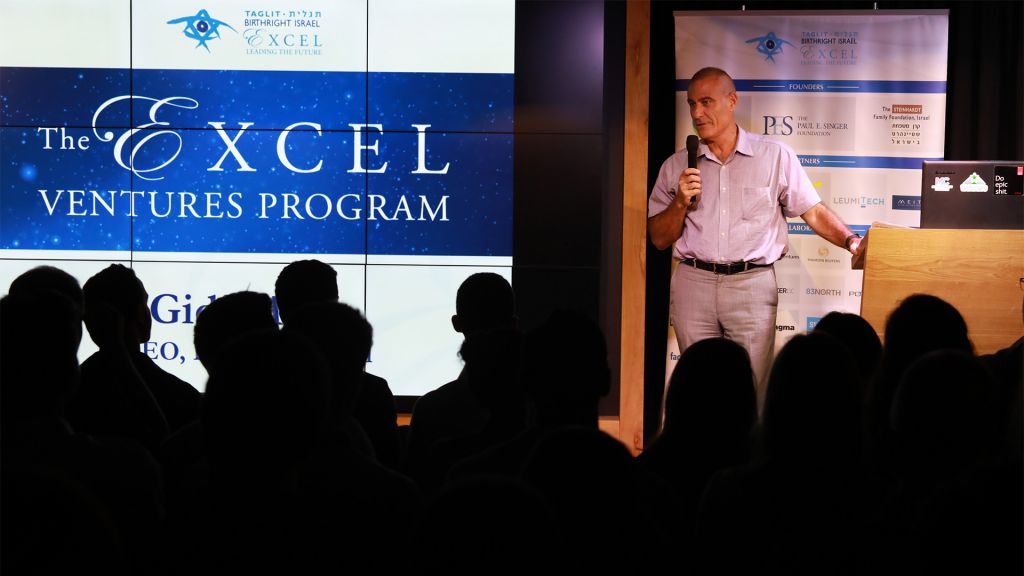
Lazovsky came up with the idea for adding an entrepreneurial component to Birthright Excel, which pairs its 30-40 participants with internships in Israeli businesses, in 2015.
One team tackled the problem of employee turnover by creating a platform to monitor employee engagement, while another tried to increase safety and productivity on large construction sites by devising a tracking system for workers. The teams’ presentations illustrated the technology they developed and set out polished business models that demonstrated their potential market success and described how the company would make money with their development.
Lazovsky said he saw two sides to entrepreneurship: academia and accelerators. In academia “you learn about entrepreneurship, and you don’t do anything,” he said, while the accelerators target “only the best and the brightest,” those who have already established themselves in some way.
This creates “a very big gap” for young entrepreneurs who are just getting started in the market, as well as an opportunity for Ventures.
“I thought — this is a market failure where we can provide value,” he said.
Ventures began last year as an entrepreneurial track within the Birthright Excel program. Instead of working at a structured internship, participants on Ventures work in teams to build their own products.
Entrepreneurs on Ventures were given both an educational program and the support of Israeli mentors along the way, including Waze founder Uri Levine and Adi Soffer-Teen, CEO of Facebook Israel. Each team also worked with individual mentors through a matchmaking process, said Lazovsky. The mentors met with the teams six times throughout the summer.
The 10-week program started with setting up the teams, creating the idea and outlining the end customers. The teams then built models of their products and finally did a little bit of marketing and fundraising, said Lazovsky.
Not every team stuck to this model, however. The ideation stage in particular often lasted longer than intended, with some teams beginning with one idea and then completely scrapping it to work on something new.

Tori Seidenstein, 21, Or Cherfas, 24, and Darren Jacoby, 22, entrepreneurs participating in Ventures, created their app only in the last five days of their program. They set up Sapiyen, a plug-in that saves news articles from social media websites for its users, adds them to a read-later list, and later reminds users about the articles when they are procrastinating by browsing Facebook or YouTube. The app aims to prevent its users from missing out on a news piece because they didn’t have time to read it before. It also allows readers to set reading goals and track their progress.
In their presentation, the Sapiyen team outlined the rollercoaster process they had that summer. They began working on an app that aimed to help caregivers for the elderly, said Seidenstein. But after they researched the subject, put in the work and got feedback from mentors on the program, they scrapped their idea and moved on to a new app. This app also then got scrapped. After hitting their “lowest point,” said Seidenstein, when they sat in their office with no product and only five days left, they rallied and decided they wouldn’t give up. So they spent the final five days building Sapiyen from scratch.
Different skill sets make for good stuff
Jacoby said that at this point he saw the value of working with his Israeli partner, Cherfas, the most. “Americans can’t lock in and build from nothing,” Jacoby said. But Cherfas, an Israeli who previously served in the IDF’s elite 8200 signal intelligence unit, was able to code the entire platform for Sapiyen in only 120 hours.
“The military develops different attributes than you get from school,” said Cherfas. While he brought the coding expertise to the table, his American partners were more business savvy. “In general, the business mindset is American. Everything [for Americans is] about how you can connect it to business and not the product,” he said.
Despite their initial struggle, by the end of the program, Sapiyen was downloaded more than 100 times from the Chrome store, said Jacoby.
Lazovsky said he pitched the idea for Ventures to the International CEO of Birthright Israel, Gidi Mark, two years ago, because he envisioned the meeting of the mindsets between Americans and Israelis leading to entrepreneurial success.
The expansion into entrepreneurship was fitting for Birthright, a program that sends Jewish young adults on subsidized trips to Israel, said Mark.
“Birthright Israel is the largest and most successful startup of the Jewish people and the State of Israel in the 21st century, and for us, it was a natural extension and development to look for startups that will expand our imagination and build cooperation between young people from both sides of the ocean,” said Mark.
Although Excel Ventures is just the beginning for these young entrepreneurs, two teams from last year’s program have already turned their products into running businesses, said Noa Meir, executive director of Birthright Israel Excel.
The Sapiyen team hopes to continue working on their project in the future, they said.










The Times of Israel Community.