July 13: High Court justices say their intervening in Knesset process would violate separation of powers
Houthis confirm firing at Saudi Arabia in response to attack on Yemeni airport * EU ministers to meet on further limiting trade with settlements * Eisenkot leads Netanyahu in new poll
The Times of Israel liveblogged Monday’s events as they unfolded.
Knesset committee approves bill gutting powers of attorney general for final readings
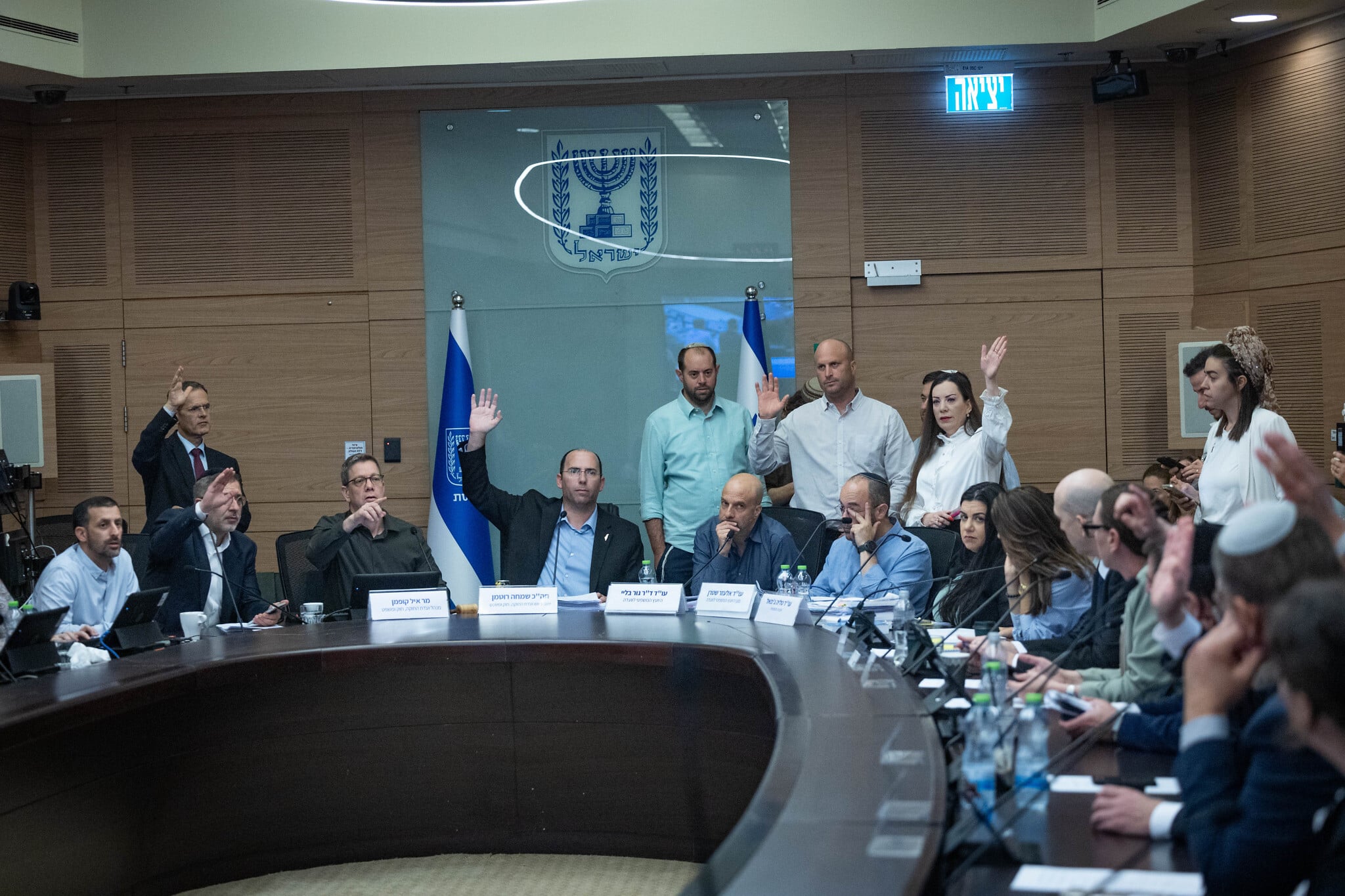
The Knesset Constitution, Law and Justice Committee approves a highly controversial bill for its final readings in Knesset, which will dramatically weaken the authority of the attorney general and their ability to act as a check on government power.
The key change the legislation makes will be to enable the government to determine that the attorney general’s legal opinion on a given issue does not reflect existing law, unlike the current situation, whereby the attorney general’s opinion is binding on the government.
This attorney general override mechanism will therefore enable the government to decide for itself if a specific action or decision is legal. It will not, however, be applicable to the attorney general’s decisions on criminal matters, as head of the prosecution service.
The bill will also empower the government to determine its own position for the attorney general to represent in legal proceedings in court against the government, whereas at present, the attorney general can decide for themselves what position to adopt.
“This is a good and important law, and many others have proposed arrangements in its spirit during different governments,” says Knesset Constitution, Law, and Justice Committee Chairman MK Simcha Rothman.
Opposition MK Gilad Kariv of the Democrats denounces the legislation, however, as part of what he says is the government’s campaign to remove checks on its authority.
“This law places the government above the law and exposes citizens to arbitrary government action. It is part of a broader effort to remove constraints and checks on the government,” says Kariv, and vows to petition the High Court of Justice against the bill.
Yesh Atid MK Karine Elharrar says the attorney general’s current power “protects citizens against the tyranny of the majority,” and says that the legislation will be cancelled by a future government led by the current opposition.
The bill, which the architects of the government’s judicial overhaul program have long sought to pass, can now be brought for its second and third readings in the Knesset later this week.
Venezuela quake toll rises to 4,490, government says
Nearly 4,500 people have died as a result of the devastating twin earthquakes in Venezuela, an updated official toll shows, in an increase of about 200 from the day prior.
The Venezuelan government, in a post on its official Telegram channel, says at least 4,490 people died and 16,740 were injured in the June 24 quakes, while more than 19,500 people are now living in temporary camps.
US military confirms beginning a new wave of strikes in Iran
The United States military confirms that it has begun carrying out a new wake of strikes against targets in Iran, after Tehran earlier struck sites in the Gulf amid an escalation in the region and a fight over control of the Strait of Hormuz.
The US Central Command writes on X that it has begun “launching more strikes against Iran to continue degrading their ability to attack civilian mariners and commercial ships freely transiting the Strait of Hormuz. The Commander in Chief has directed the strikes to hold Iranian forces accountable.”
Iran’s state TV reported explosions heard in a number of locations in the country, including Qeshm, Jask, Sirik and Bandar Abbas.
Breaking silence on Senate absence, Mitch McConnell says he fell and was hospitalized

Senator Mitch McConnell reveals for the first time that a fall led to his hospitalization, breaking the silence about his condition after weeks of mounting speculation about the Kentucky Republican’s health.
The statement comes following his hospitalization on June 14. McConnell’s office for weeks provided little information, insisting only that he was “receiving excellent care” and recovering.
As his hospital stay grew longer, speculation mounted about his condition. It grew so intense that Kentucky’s Democratic Gov. Andy Beshear took the extraordinary step of asking that McConnell update the public about his health in a “transparent manner.”
McConnell says he will not be returning to the Senate yet.
Iran says latest US strikes have ‘rendered futile’ recent diplomacy
Iran has condemned the latest wave of US attacks on its territory, saying they have “rendered futile” all the diplomatic efforts of the last few months.
“The US regime has also caused the return of insecurity in the Strait of Hormuz and disruption of international commercial shipping by openly interfering in the process of Iran implementing the necessary arrangements in the Strait of Hormuz,” a foreign ministry statement says.
Senator Lindsey Graham’s cause of death: Aortic dissection
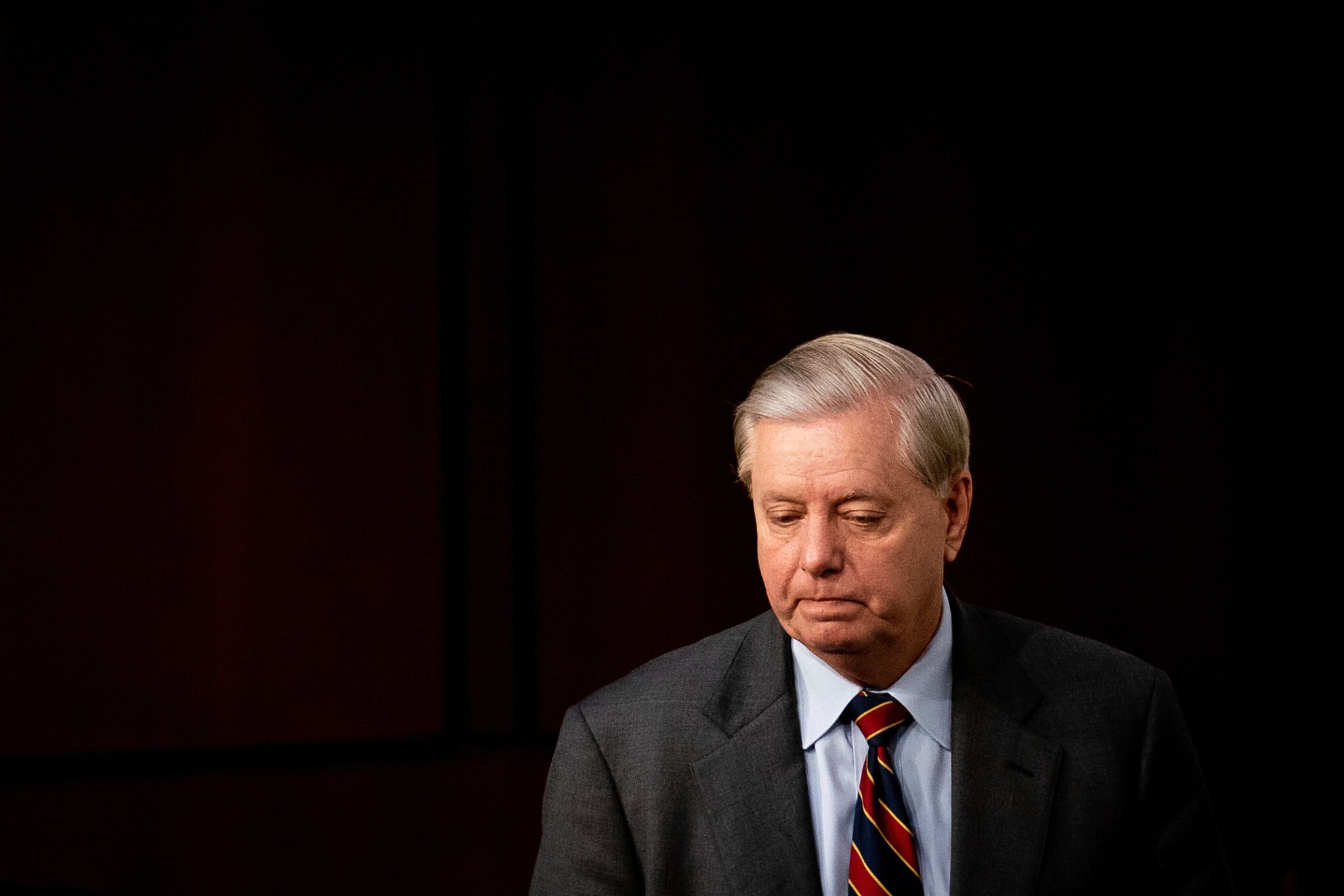
Republican US Senator Lindsey Graham died of a heart ailment caused by hardening of the arteries, his office says.
A preliminary finding from the medical examiner of the District of Columbia says the cause of death was “aortic dissection,” Graham’s office says in an email.
Aortic dissection is a tear in the main artery that carries blood from the heart. The finding showed it was due to arteriosclerotic cardiovascular disease.
Oil prices jump more than 3.5% on renewed US-Iran fighting
Oil prices open sharply higher after the United States launched a wave of attacks on Iran and as Tehran announced it would close the Strait of Hormuz.
A barrel of international benchmark Brent crude for September delivery rose 3.75% to $78.86.
US benchmark West Texas Intermediate rose 3.65 percent to $74.02 per barrel for August delivery.
US strikes kill one, wound 4 in southwest Iran, reports state media
US strikes kill one person and wound four in southwestern Iran, state media reports.
“Following the attack of the American enemy on Monday morning… one person was martyred and four others were injured,” official news agency IRNA reports, citing Khuzestan province’s deputy governor for security and law enforcement, Valiollah Hayati.
Missile alert sirens sound in Bahrain as Iran retaliates for US strikes
Missile alert sirens sound in Bahrain as Iran retaliates for the latest round of US airstrikes targeting the Islamic Republic.
The US had been conducting strikes overnight in Iran.
There is no immediate word from the island kingdom in the Persian Gulf about any damage. Bahrain hosts the US Navy’s 5th Fleet headquarters.
CENTCOM says US forces complete another wave of strikes against Iran
US forces completed another wave of strikes against Iran, hitting dozens of targets at multiple locations with precision munitions, the Central Command says.
US Central Command says it struck Iranian military air-defense systems, coastal radar sites, missile and drone capabilities, and small boats using US fighter aircraft, naval vessels, one-way attack aerial drones and one-way attack sea drones.
IRGC says it struck US military bases in Jordan, Bahrain, Kuwait
Iran’s Revolutionary Guards say they struck US military targets and bases in Jordan, Bahrain and Kuwait, state media reports.
The official news agency IRNA cites several statements released by the Guards saying they had attacked Prince Hassan Air Base in Jordan, a US military drone command center in Bahrain and airbases including Ali Al Salem in Kuwait.
Kuwait says air defenses acting amid Iranian attacks
Kuwait says its air defenses are firing as Iran retaliates over US airstrikes targeting it.
Kuwait’s military issues the statement, without immediately saying if there is any damage or casualties in the tiny Mideast nation.
Kuwait repeatedly has been targeted by Iran.
Bahrain twice has sounded its missile alert sirens this morning over Iranian attacks.
Huge fire in Bangkok bar kills at least 27
A huge fire in a Bangkok bar killed at least 27 people and injured dozens, officials and witnesses say, the deadliest such incident in Thailand for almost two decades.
People ran screaming out of the venue on the outskirts of the Thai capital on Sunday evening as flames shot out of the entrance, several with their clothing burned or ablaze, according to video verified by AFP.
An AFP journalist saw several body bags on the ground early this morning outside the Rong Beer Na Lat Phrao bar and restaurant. A few hours later, forensic police began combing their way through the devastated venue.
“The fire spread very quickly, reaching up to the ceiling. Smoke was likely the main cause of death,” Bangkok Governor Chadchart Sittipunt tells reporters at the scene.
He says 27 people were killed and 63 were hospitalized with injuries, including 22 in critical condition, adding that authorities have launched an investigation.
It was the deadliest fire in Thailand since a blaze tore through Bangkok’s Santika club during New Year celebrations in 2009, killing 67 people and injuring more than 200.
A number of the victims were found near a fire exit that authorities believe may have been blocked, the governor says.
Jordan’s military says it shot down four Iranian missiles
The Jordanian military says it shot down four Iranian missiles over the country, which Tehran said were intended as retaliation for US strikes.
“At dawn today, air defense systems intercepted and shot down four missiles that had entered Jordanian airspace from Iranian territory,” an official source from the Jordanian General Staff says, adding that there were no reports of injuries or damage to property.
Sirens sound in Bahrain for third time today
Sirens have sounded in Bahrain for the third time today, the interior ministry says, as Iran appears to continue its attacks on the region.
Iran’s Guards claim strikes against Oman and Bahrain
Iran’s Revolutionary Guards claim strikes against Bahrain and Oman, saying they destroyed radar systems in Oman and targeted US military facilities on the southern edge of Manama.
“In addition to targeting US military facilities and infrastructure in Juffair, Bahrain, where fires are raging, the navy of the Revolutionary Guards has… targeted and destroyed the long-range airborne FPS radar and the ship-detection radar in the Sultanate of Oman,” says a statement from the Guards carried by their Sepah news outlet.
New Zealand actor Sam Neill dies aged 78

New Zealand actor Sam Neill has died suddenly aged 78 after recovering from cancer, his family says in a statement.
“The loss was sudden and unexpected but blessed by the fact that Sam remained cancer free,” a statement posted on Neill’s Instagram page says.
The Jurassic Park actor announced in April he was cancer-free after undergoing treatment for stage-three blood cancer.
Neill was known for roles in “The Piano,” “The Hunt For Red October,” “In the Mouth of Madness,” and “Event Horizon.”
He also starred as first-century Jewish historian Josephus Flavius in the 2015 miniseries “The Dovekeepers.”
Police arrest dozens in bust of suspected arms, drug trafficking network
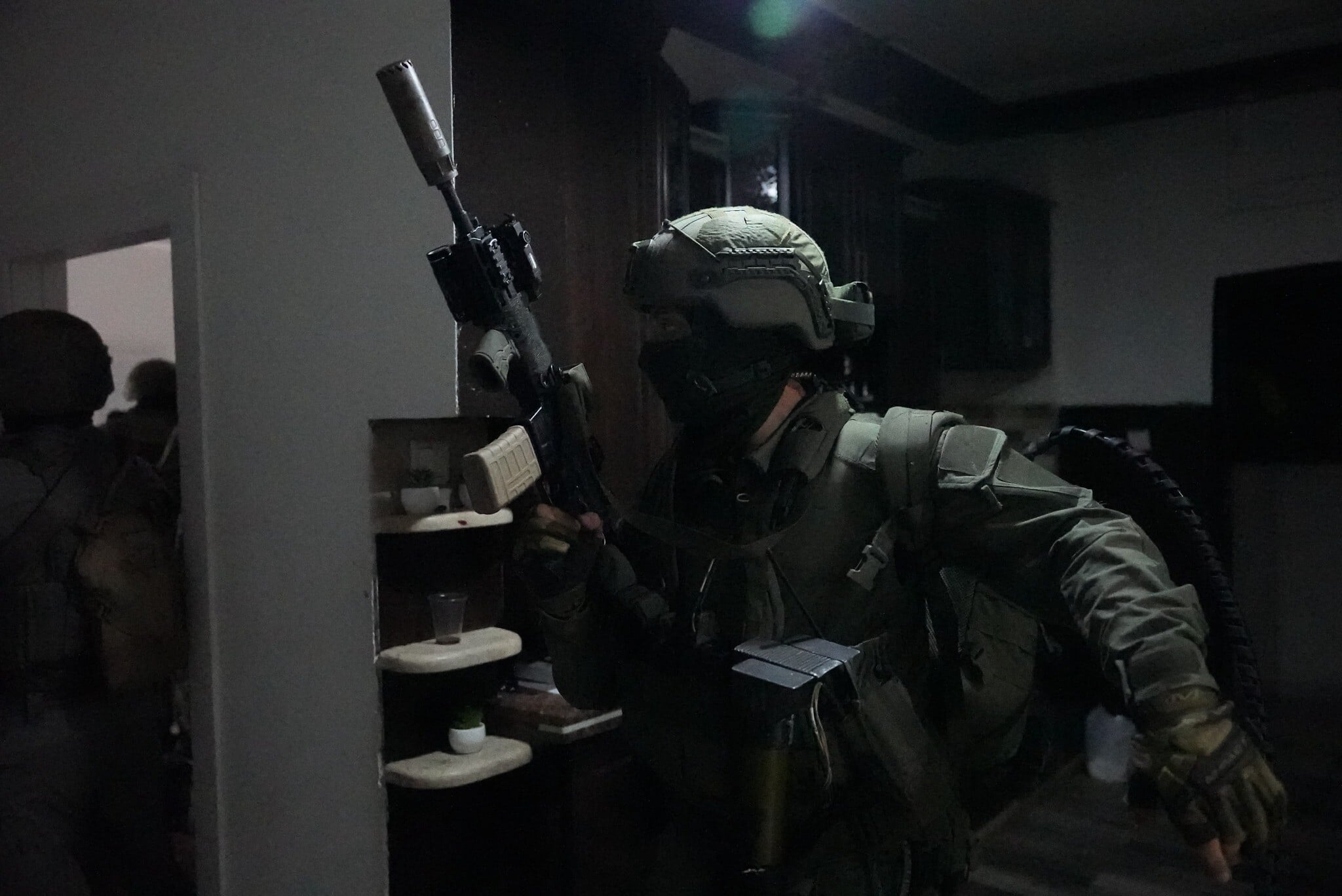
Police have arrested dozens of individuals suspected of trafficking arms and dangerous drugs this morning.
Authorities say the raid was made possible after a Bedouin agent working undercover for an elite police investigative body infiltrated their network.
The agent, nicknamed “The Nomad,” operated under the auspices of the Lahav 433 major crimes unit for an extended period, gathering evidence against the alleged smugglers before this morning’s wave of arrests.
Hundreds of officers raided locations across the country, nabbing suspects ferreted out by the agent. Many of the targets are located in southern Bedouin townships, including Rahat, Tel Sheva, Bir Hadaj, but police also made arrests in Arad, Dimona, Eilat and East Jerusalem.
The agent documented a great number of arms and drug transactions, police say.
Lahav 433 chief Manny Binyamin lauds the covert operation, saying the agent’s deployment enabled cops to “expose a vast criminal infrastructure and deal a major blow to arms and drug traffickers across the country.”
Police add that later today, officers will bring suspects to the Rishon Lezion Magistrate’s Court for an extension on their remand, though they do not elaborate on the exact number of those arrested.
Top UN official accuses Hamas of Gaza aid obstruction
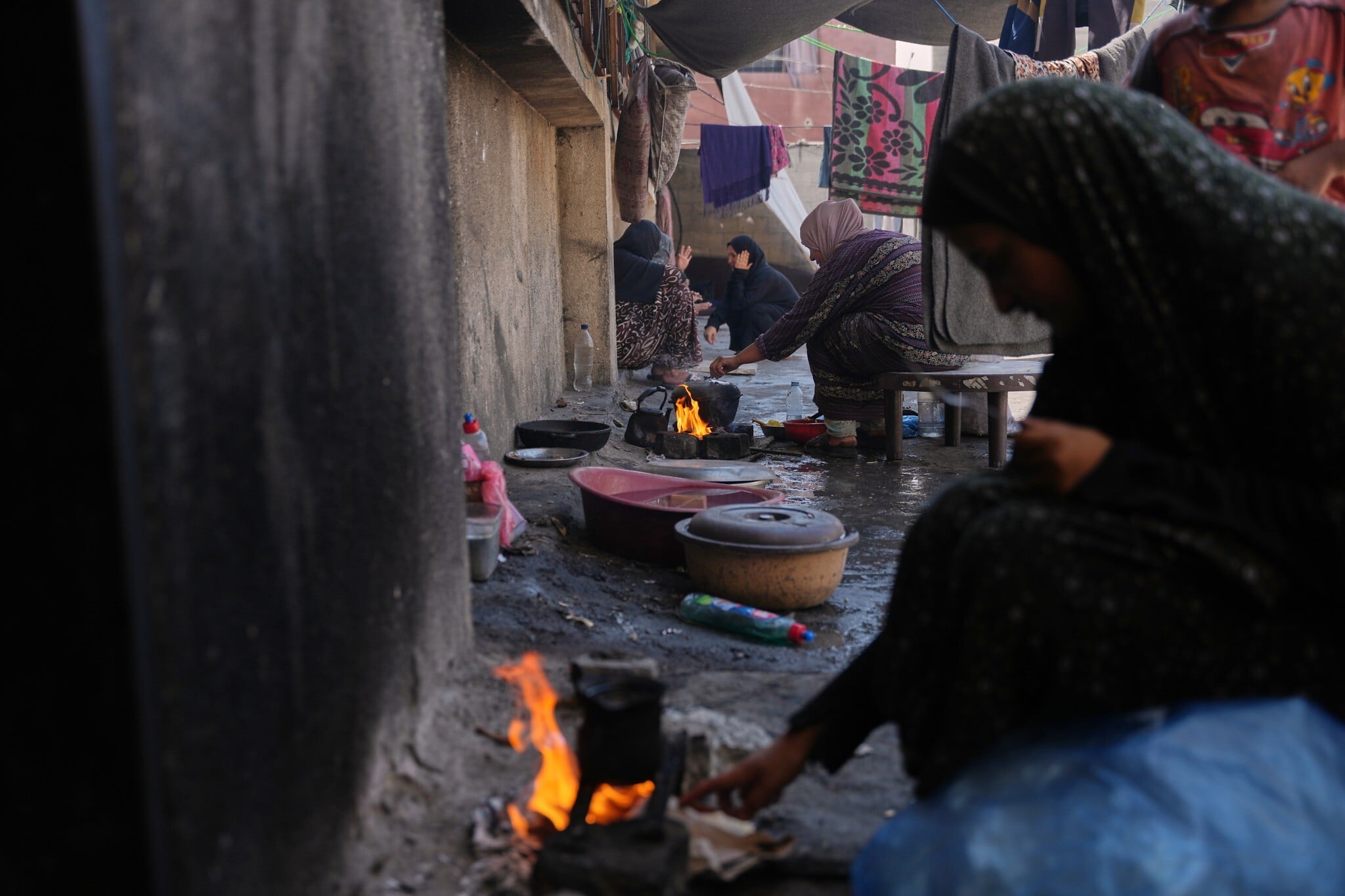
A senior UN official accuses Hamas of interfering with humanitarian deliveries in Gaza and intimidating aid workers, warning that the group’s actions are making relief operations increasingly dangerous.
Palestinian terror group Hamas continues to control parts of Gaza, even after Israeli forces expanded their presence across more than 60 percent of the territory.
In a statement, UN Deputy Special Coordinator for the Middle East Peace Process, Ramiz Alakbarov, says he “strongly” condemns the obstruction of humanitarian operations by Gaza’s de facto authorities, referring to Hamas.
Hamas’s actions “endangered humanitarian personnel, intimidated workers delivering life-saving food assistance and disrupted life-saving humanitarian operations,” he says.
On Saturday armed men linked to Hamas allegedly forced their way into a food distribution point in Jabalia, in the northern Gaza Strip, the UN statement says.
Gunmen “also entered a WFP (World Food Programme) warehouse and reportedly assaulted two truck drivers who were delivering humanitarian supplies,” it adds.
Alakbarov says “these incidents are not isolated” and “reflect an increasingly dangerous pattern of intimidation, violence and obstruction, including smuggling attempts, targeting and abusing humanitarian operations.”
He warns that such actions are hampering the delivery of life-saving assistance at a time when civilians across Gaza faced severe hardships.
EU countries weigh trade ban on Israeli settlements

EU foreign ministers discuss imposing an import ban on products from Israeli settlements, after pressure from a raft of member states.
“Everybody agrees that the situation in the West Bank is really intolerable,” EU foreign policy chief Kaja Kallas says at the start of a meeting in Brussels.
“What is happening in the West Bank is actually making it more and more impossible that the two-state solution ever can come into effect.”
Several EU countries — including Ireland, the Netherlands, and Spain — have already imposed their own trade restrictions on Israeli settlements, considered illegal by most of the international community.
Under pressure for the EU as a whole to take measures, the bloc’s executive last week laid out options to curb trade with settlements, including a ban.
“There have been a lot of asks and requests from the member states regarding the ban of the trade with illegal settlements,” Kallas says.
“Let’s see if these options that have been provided now will have a stronger push from member states.”
Diplomats say the debate at a meeting in Brussels is not expected to yield any concrete decisions, but will help to sound out if there is enough support to move forward.
The slow pace of the discussion has angered countries keen to curb trade — with some diplomats accusing the European Commission of dragging its feet.
Belgium’s foreign minister Maxime Prevot says the options laid out appeared to be more “a bone to gnaw on than a genuine desire to move forward.”
“We are calling for concrete proposals,” he says.
There is disagreement in Brussels as to whether that move would need backing from all 27 member states or just a weighted majority.
Diplomats say that key players Germany and Italy are still undecided on the move.
European shares slip on renewed US-Iran tensions
European shares open lower, after sharp losses last week, as escalating hostilities between the United States and Iran prompted Tehran to close the Strait of Hormuz, rattling investors.
The pan-European STOXX 600 index fell 0.3% to 639.29 by 0702 GMT, after registering its sharpest weekly loss since late April on Friday.
The latest flare-up in the conflict has raised fresh questions over the viability of a US-Iran agreement reached last month, which aimed to restore traffic through the Strait of Hormuz and pave the way for further negotiations.
Oil prices rose over 4%, boosting energy stocks on the STOXX 600 by 1.6%.
Iran says mediators continuing efforts to resolve conflict with US

Iran’s foreign ministry spokesperson says mediators are still continuing their efforts to mediate between Iran and US, including in recent days.
Iranian Foreign Ministry spokesperson Esmaeil Baghaei also says Tehran is trying to agree on a joint mechanism with Oman for the Strait of Hormuz, but claims US pressure on Oman has hindered efforts.
Police grill Shas MK a second time on suspicion of funneling taxpayer funds to party paper
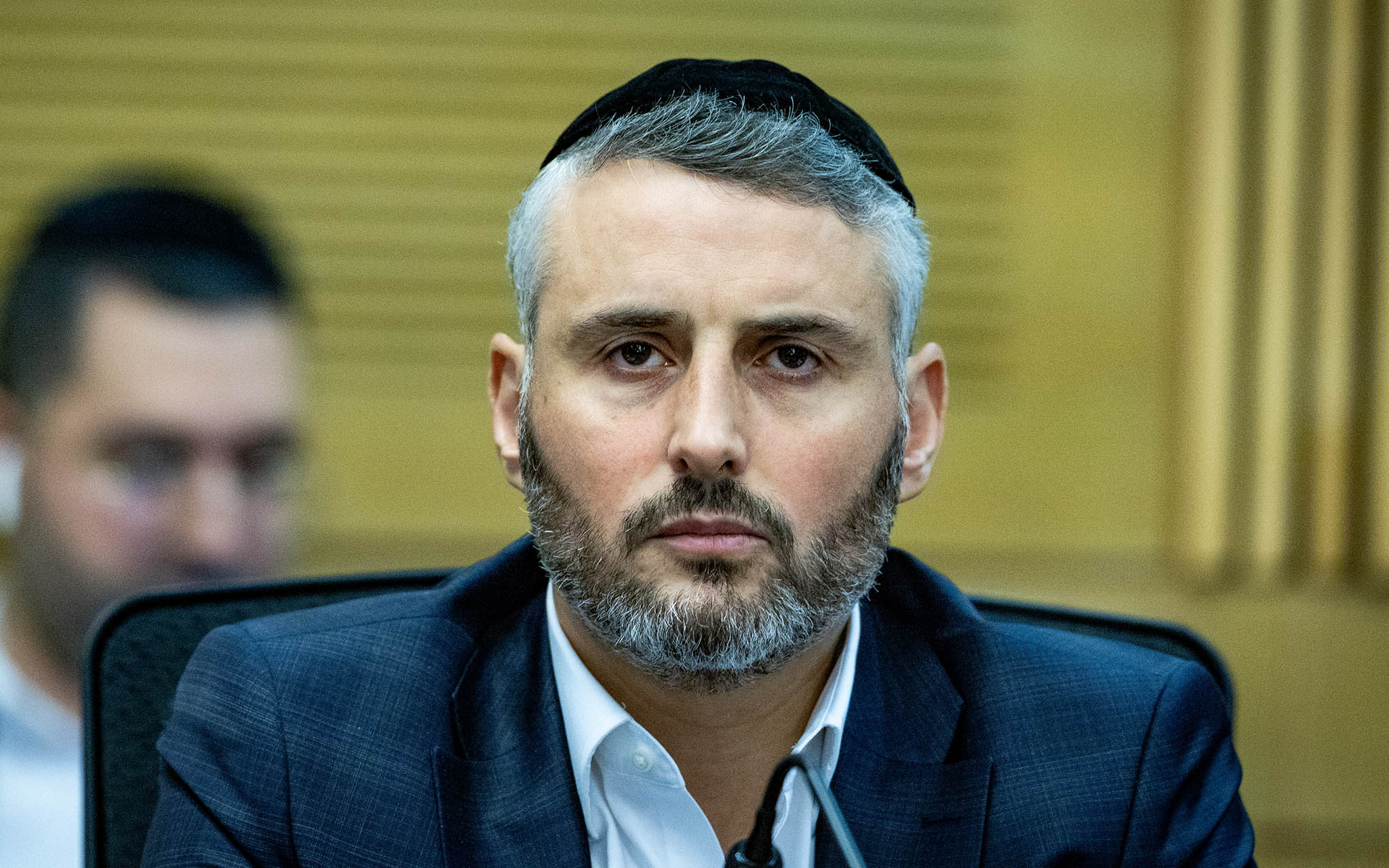
Shas lawmaker Haim Biton has been interrogated by police for a second time on suspicion of misusing public funds to finance the ultra-Orthodox party’s periodical, HaDerech.
The politician was questioned over his activities as former head of Shas’s school network, Ma’ayan Hachinuch Hatorani, from 2018 to 2021, Channel 12 reports, after he allegedly exploited his position to divert public education funds to prop up the newspaper’s children’s supplement.
This is the second time Biton has been interrogated in the affair. He was questioned in March last year on suspicion of fraud, breach of trust, falsification of corporate documents and money laundering for his role in the alleged embezzlement.
The probe into Biton began in October 2024, when Attorney General Gali Baharav-Miara gave officers the go-ahead to begin investigating the lawmaker and others associated with the Shas party mouthpiece, following appeals by the Movement for Quality Government in Israel, an anti-corruption advocacy group.
A source involved in the probe tells Channel 12 that police are preparing to transfer the case to the State Attorney’s Office to file an indictment.
Police have not yet commented on Biton’s questioning yesterday.
EU, UK hit Russia with joint sanctions over cyber attacks
The European Union and Britain target Russia with coordinated sanctions over cyber attacks in Europe, accusing Moscow’s FSB intelligence agency of recent malicious activities.
Brussels says it is imposing sanctions on nine people and four entities, while London says it is adding 24 names to its blacklist.
Foreign Ministry calls on Australia to confront antisemitism in medical sector after critical report
The Foreign Ministry urges Australia to confront antisemitism after an investigation by The Australian newspaper found widespread anti-Jewish discrimination by healthcare workers in Australian hospitals.
The report, published in late June, was based on interviews with 30 doctors, nurses, midwives and other healthcare professionals describing how anti-Israel activism had spilled into hospitals and clinics following the October 7, 2023, Hamas attack on Israel.
It included allegations of antisemitic stickers placed in hospital wards, online posts praising terror groups or using Nazi imagery, and complaints that hospital administrators and regulators failed to discipline staff accused of anti-Jewish conduct.
Several Jewish patients alleged that they had received substandard care after staff learned they were Jewish, although the report noted that this was difficult to prove.
The report followed a widely publicized 2025 incident in which two Sydney nurses threatened to kill Israeli patients in an online video.
“This investigation paints a deeply troubling picture and should serve as a wake-up call,” the ministry writes. “No Jew should ever feel compelled to hide their identity to receive medical care in an Australian hospital.”
This investigation paints a deeply troubling picture and should serve as a wake-up call.
We call upon The Australian government to confront antisemitism forcefully.
Every reluctance, every excuse, and every failure to act sends extremists the same message: they can keep pushing…
— Israel Foreign Ministry (@IsraelMFA) July 12, 2026
Knesset begins debate on Torah study Basic Law ahead of final vote
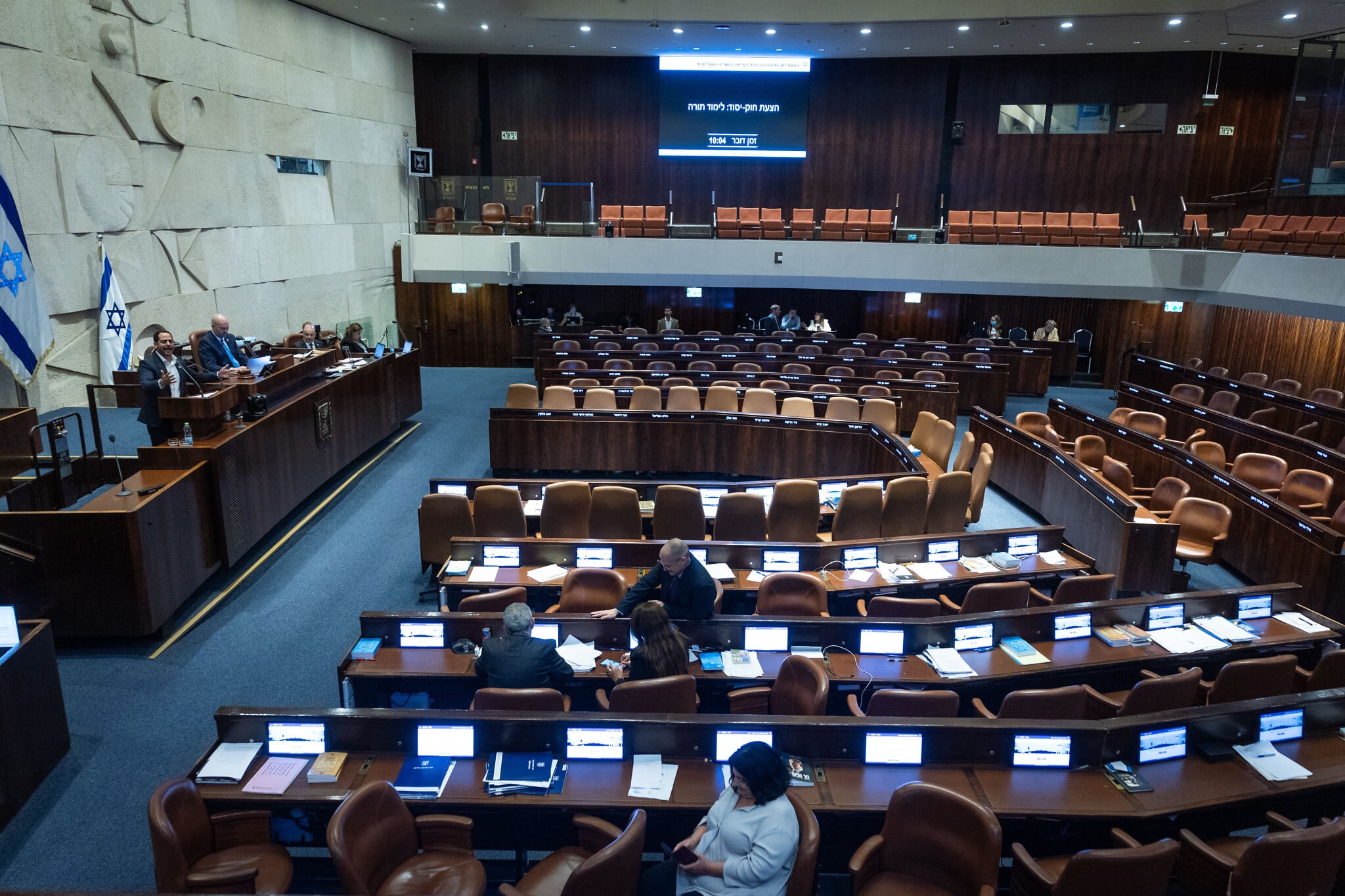
The Knesset plenum begins debating the controversial Basic Law enshrining Torah study as a “foundational value” of the Jewish people and the State of Israel ahead of an expected final vote later today as opponents protest loudly outside the parliament building.
The coalition is expected to approve the quasi-constitutional law later today as part of a final legislative push before the Knesset dissolves on Friday ahead of the October 27 election.
Haredi parties have pushed to pass the law as part of their broader effort to preserve blanket exemptions from military service for ultra-Orthodox men. While the latest version of the legislation no longer explicitly equates Torah study with military service, it would make Torah study the only value explicitly enshrined in a Basic Law, which opponents argue effectively elevates it above all other national values.
The measure has sparked fierce opposition, including from within the coalition and the broader public, but is still expected to pass.
It is one of several controversial measures the coalition is seeking to pass this week under an agreement between Prime Minister Benjamin Netanyahu and the Haredi parties. This includes legislation to temporarily bar the arrest and prosecution of draft-dodging yeshiva students; bills to curb the powers of the attorney general — one of the few institutional checks on executive power; and legislation establishing a government-appointed commission to investigate the failures surrounding the October 7, 2023, Hamas attack.
According to the Knesset’s weekly agenda, lawmakers are also expected to hold final votes in the coming days on Communications Minister Shlomo Karhi’s media overhaul bill, a measure to give the government control of the Kan public broadcaster’s budget, legislation repealing the previous government’s kosher certification reform, a bill establishing an official October 7 state memorial framework and legislation expanding gender-segregated study tracks in higher education.
Iranian media reports blasts near Strait of Hormuz
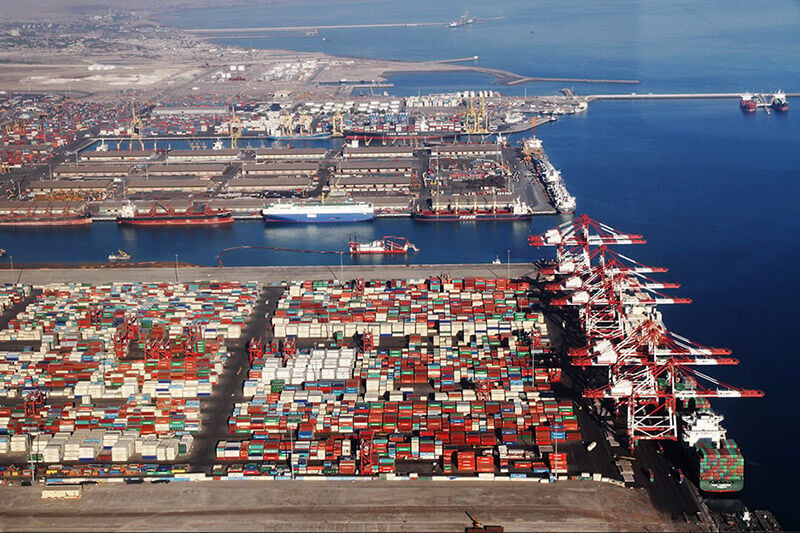
Explosions of unknown origin were heard in southern Iran near the Strait of Hormuz, a news agency reports, following an exchange of attacks between Tehran and Washington.
“Media and residents reported having heard on Monday at midday explosions near Bandar Abbas and the island of Qeshm,” Mehr news agency said, adding that the blasts “appear to be coming from the West Coast of Bandar Abbas.”
Indictment against anti-Gaza aid activist retracted

Following a request by the police’s prosecution department, an indictment filed in June against Reut Ben Haim, who attempted to block the delivery of humanitarian aid to Gaza, has been rescinded.
Ben Haim was indicted on two charges over her role in an incident in May 2025, when she and the Tzav 9 organization she founded blocked aid trucks from traveling from Ashdod to Gaza
She was indicted on charges of interfering with a police officer’s duty and creating a disturbance in a public place that led to a disturbance of the peace.
The police do not provide an explanation for why the indictment was canceled.
“The entire indictment was disgraceful and unnecessary in the first place, and public pressure was still needed [for the police] to calm down,” Ben Haim tells the Walla news website.
“We will continue to fight against the restrengthening of Hamas and for stopping the rehabilitation of Gaza until the Strip is demilitarized,” she adds.
Opposition leaders assail coalition’s end-of-term legislative blitz, ‘fire sale’ of Israel to Haredim
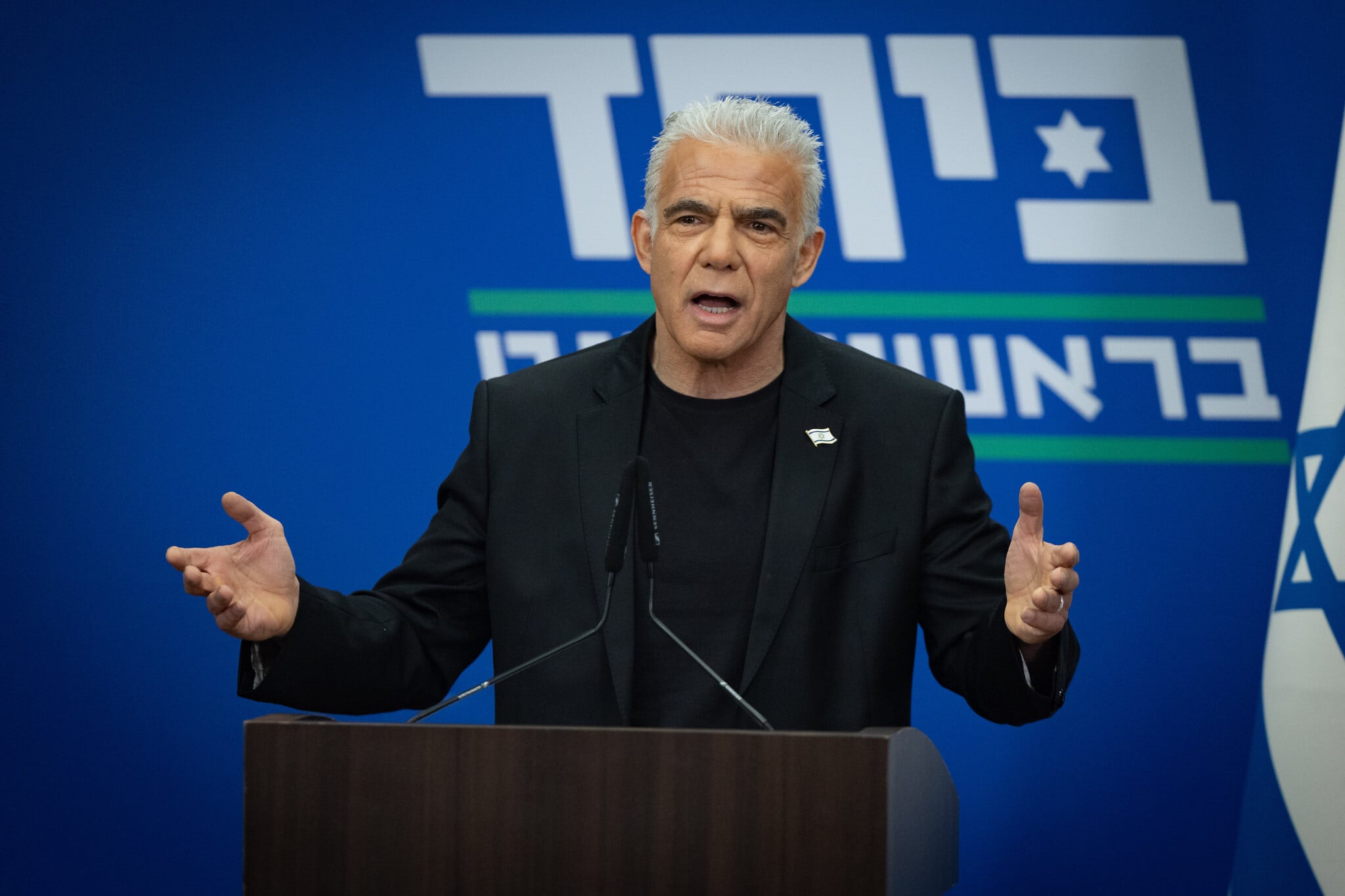
Opposition leaders blast the coalition’s end-of-term legislative blitz ahead of their weekly faction meetings, accusing the government of using its final days in office to push through controversial measures.
“This is the final week of this Knesset. The coalition is going wild to — at the very last moment — pass bills against democracy, against IDF soldiers and against the rule of law, as well as to give jobs to cronies, money to draft dodgers and to promote religious coercion,” Opposition Leader Yair Lapid says.
Speaking at his own faction meeting, Yisrael Beytenu chairman Avigdor Liberman calls the legislative push a “fire sale of the State of Israel and all of our basic values.”
The coalition is racing to pass a series of contentious bills before the Knesset dissolves on Friday ahead of the October 27 election, under an agreement between Prime Minister Benjamin Netanyahu and the ultra-Orthodox parties, which are supporting coalition-backed judicial and media legislation in exchange for measures aimed at protecting yeshiva students from military service.
Liberman vows that he will not join a future government that includes the Haredi parties, in response to recent comments by Yashar leader Gadi Eisenkot, who has emerged as the main frontrunner to replace Netanyahu, that he would be willing to sit in a coalition with the ultra-Orthodox Shas party if it recognizes Israel as a Jewish and Democratic state, endorses the values of Israel’s Declaration of Independence, and commits to all Israelis performing national service.
“Yisrael Beytenu will not sit in a coalition with the Haredi parties,” Liberman says. “Anyone who sits with them shouldn’t count on us.”
Responding on X, Democrats leader Yair Golan, whose party will hold its faction meeting later today, says he would draw an even firmer line.
“I heard my colleague Liberman draw a red line, and I’ll go one better: None of the parties in the October 7 coalition will be partners in the government we form,” he says.
At his own faction meeting, Golan vows to repeal the legislative agenda of the “most corrupt, extremist and violent coalition” in Israel’s history if elected, declaring that repealing and replacing “the laws of destruction” advancing in the Knesset’s final days ahead of its dissolution on Friday will be the first priority of the next parliament.
EU launches $1 billion aid initiative for Gaza
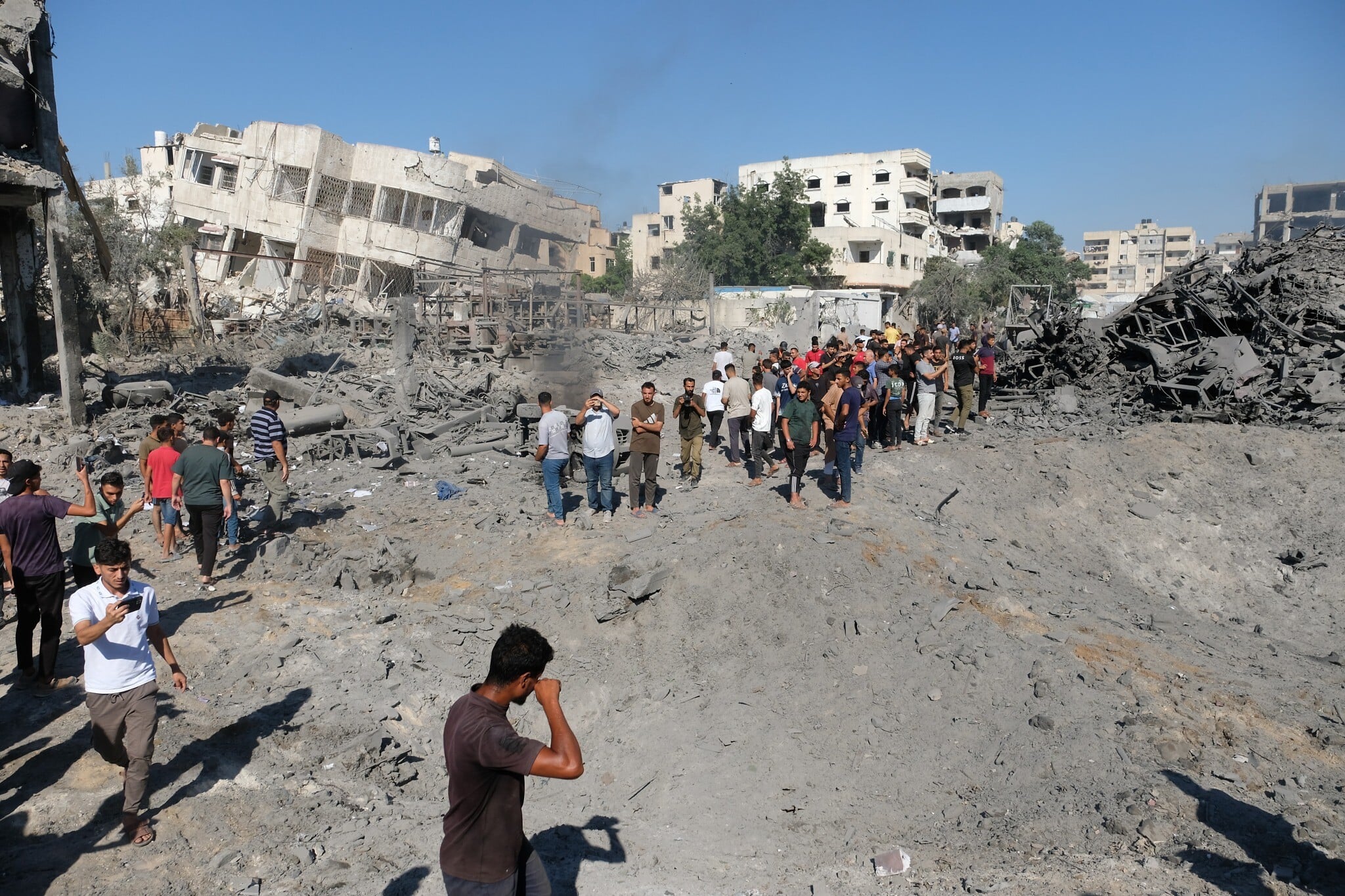
The European Commission says it has launched an initiative with 15 partners to deliver €883.6 million ($1 billion) in aid to Gaza.
It says the “Team Gaza Initiative,” launched at the Palestine Donor Group meeting in Brussels, will support ongoing and planned early recovery projects for the people of Gaza.
Twelve European countries and Japan joined the initiative, together with the World Bank and the European Investment Bank, the Commission says.
Bahrain army accuses Iran of targeting civilians
Bahrain’s military accuses Iran of targeting civilians with its latest attacks on the kingdom, after Tehran said it struck US military facilities and infrastructure there.
“Iran continues its systematic hostile approach through its heinous attacks with missiles and drones that target civilians in the Kingdom of Bahrain,” the general command of Bahrain’s military says in a statement, adding that air defenses “intercepted and destroyed a number of Iranian aerial attacks” this morning.
After repeated delays, Netanyahu to meet with Likud officials, decide on party primaries
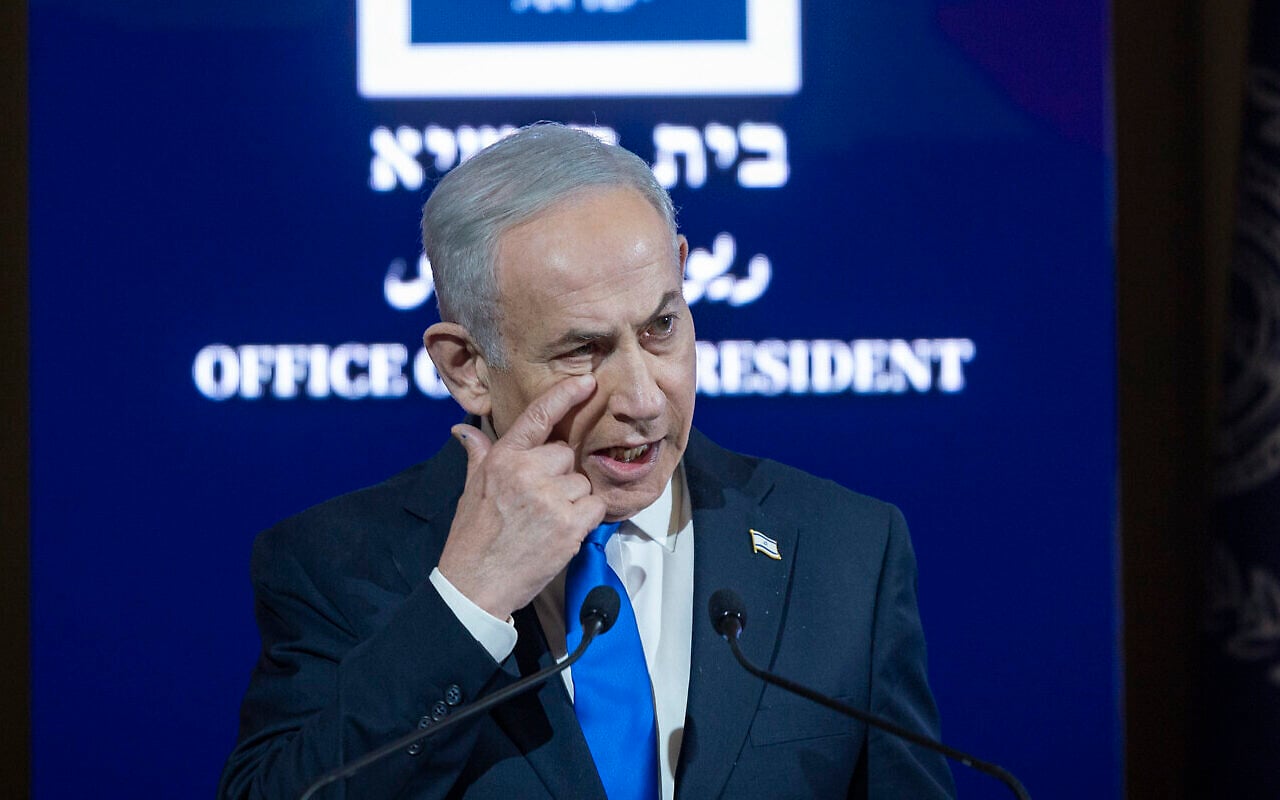
Prime Minister Benjamin Netanyahu will huddle with Likud’s Constitution Committee chairman Minister Haim Katz and other party officials this afternoon to determine how the party’s primaries will be conducted, after the planned meeting was repeatedly pushed off.
The meeting is scheduled to take place in Jerusalem at 3 p.m. today, Katz announces in a memo, amid reports that he has been pushing to establish an internal selection committee to select the party slate, as opposed to holding primaries. Katz has denied the rumors.
The discussion on the method of selecting Likud candidates was supposed to be held last night, then abruptly rescheduled to today amid the governing coalition’s push to complete a raft of end-of-session legislation before the Knesset adjourns Friday.
Likud sources told Channel 12 yesterday that Netanyahu has been delaying the Constitution Committee meeting for fear that disgruntled lawmakers from his own party may boycott or abstain from key votes if unhappy with the party’s chosen election method.
Netanyahu has reportedly insisted on being granted the authority to handpick 10 people in the top slots, but has encountered internal opposition from Katz, some veteran lawmakers and Likud backbenchers who fear losing their seats.
The premier last month planned to scrap the primaries altogether if not granted substantial influence over the party slate, but later shelved the plan following pushback from senior party officials.
Yemen’s Houthis say Saudi Arabia struck Sanaa airport
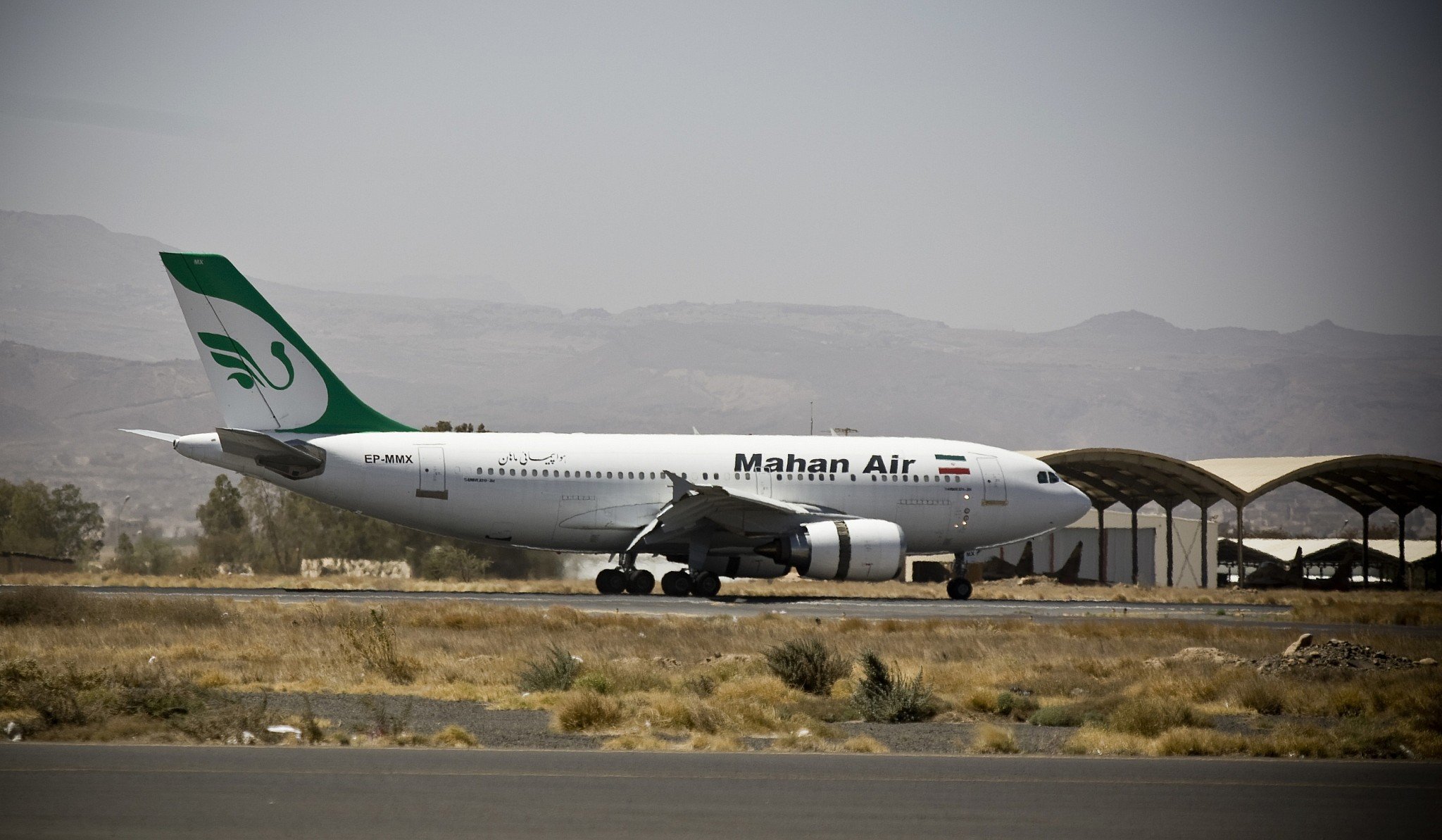
The Iran-backed Houthis in Yemen accuse Saudi Arabia of carrying out airstrikes at Sanaa Airport in the capital.
“In a blatant and unjust aggression, the criminal Saudi enemy carried out a number of airstrikes targeting Sanaa International Airport, thereby ending the period of de-escalation and bearing responsibility for the consequences of its aggression,” Houthi military spokesperson Yahya Saree says in a statement.
“We affirm that this aggression will not go unanswered or unpunished,” he adds.
US strikes kill two in southwest Iran — local media
US strikes killed two people in southwestern Iran in an oil-producing region near Kuwait and Iraq, the Iranian Fars and Tasnim news agencies report.
“At this time, two people have been reported dead and three wounded,” the agencies say, citing a Khuzestan province official, who mentioned strikes in “three different locations” on the outskirts of the city of Abadan.
Yemeni military says it targeted Sanaa Airport runway to stop Iranian plane landing
Yemen’s defense ministry says that its armed forces targeted the runway at Sanaa International Airport to prevent an Iranian plane from landing.
Yemen’s capital Sanaa is under the control of the Iran-aligned Houthi group, while the internationally recognized government, which has the backing of Saudi Arabia and other Gulf states, operates out of Aden in southern Yemen.
Report: Ahmadinejad met Mossad chief under Israeli plan to install him as Iran’s leader, is now under arrest
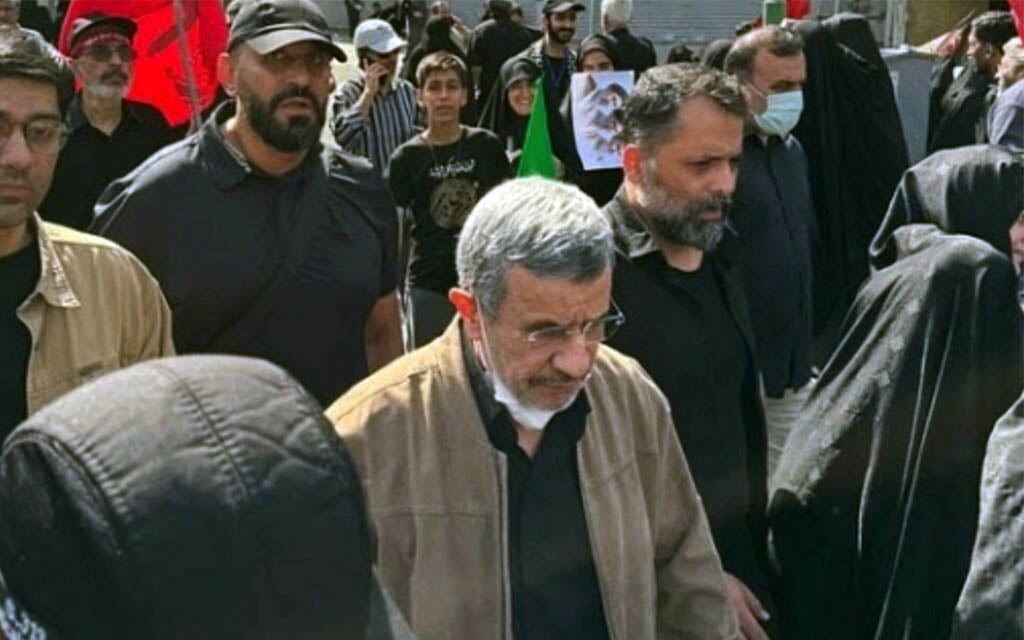
Israel engaged in a multi-year effort to recruit and install as Iran’s leader former hardline president Mahmoud Ahmadinejad, The New York Times reports. The campaign, which culminated in a strike on Ahmadinejad’s bodyguards to free him from house arrest on the first day of the US-Israel attack on Iran in February, included a meeting with Mossad chief David Barnea on the sidelines of an academic conference in Hungary, it says.
A car secreted the former president away to a safe house after that attack, but he later left the safe house after growing disillusioned with Israel’s plan to install him, The Times reports.
Ahmadinejad’s current status is unclear, according to the report. He was seen briefly surrounded by guards — masked and wearing a heavy coat — at the funeral for slain supreme leader Ali Khamenei and is believed to be in IRGC custody over his ties with Israeli intelligence.
Hungary invited Ahmadinejad to a 2024 climate change conference in Budapest to allow him to meet Barnea, The Times reports. According to the report, Ludovika University of Public Service Rector Gergely Deli was asked by a senior Hungarian official to invite Ahmadinejad, telling him the invitation was a cover for the Holocaust-denying former president to meet with Mossad agents.
Ahmadinejad, a virulently anti-Israel conservative, served two four-year terms from 2005 to 2013, during which he repeatedly denied the Holocaust, called to destroy Israel, and hinted that the Islamic Republic could build a nuclear weapon if it chose to do so.
After Ahmadinejad left office, authorities repeatedly disqualified him from running in subsequent elections.
In recent years, he became a critic of the regime led by Khamenei, accusing senior officials of corruption and poor governance.
Ahmadinejad began presenting a more moderate stance publicly, and established himself as an advocate for regular Iranians.
According to the paper, Ahmadinejad eventually accepted that he could not return to power under the current regime and saw foreign intervention as his path back to leadership. A close associate tells The Times that he saw himself as a reformer, and that Iran would recognize Israel when he came to power.
He was also concerned that the US and Israel would impose an outsider, and that the country would descend into chaos.
Israel had contact with Ahmadinejad during a 2023 trip to an environmental conference in Guatemala, The Times reports. The former president was initially stopped from flying by Iranian security services, but social media posts and a sit-in convinced authorities to let him fly.
Ahmadinejad met with Israeli agents in Budapest a second time in June 2025, days before Israel carried out the opening strikes of its 12-day campaign against the regime, according to the newspaper. He twice managed to shake his IRGC bodyguards during the trip.
Israel paid Ahmadinejad for housing and travel, according to the report.
Israel’s plan to topple the regime, which included a Kurdish uprising, failed, and the regime remains firmly in control of the country.
UK says an Iran-backed group was behind attacks on Jews, bans Revolutionary Guard
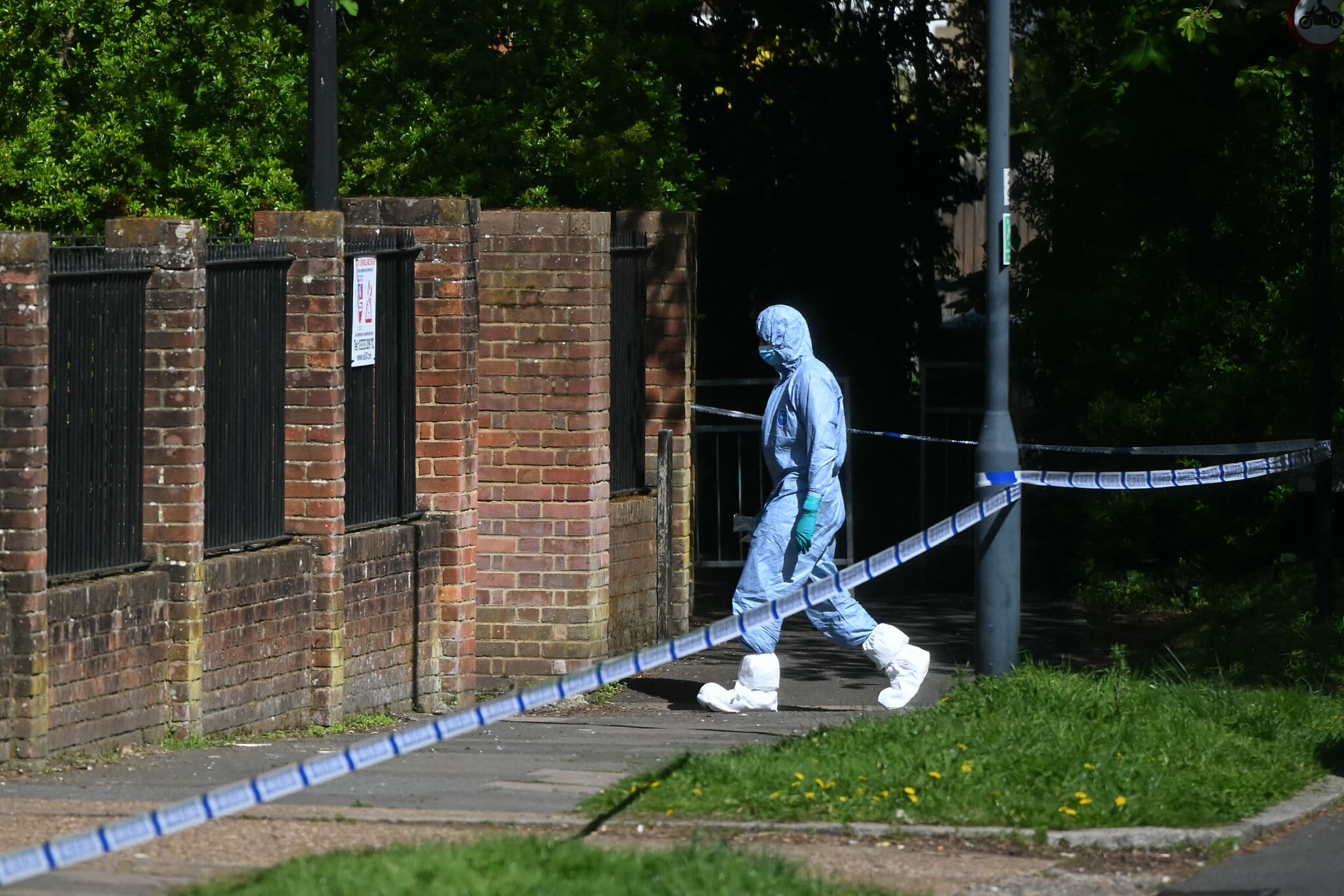
A series of arson and vandalism attacks on Jewish sites in Britain were the work of a proxy group backed by Iran, the UK government says.
The government says it is banning the Islamic Movement of the Companions of the Right, or IMCR, also known as Harakat Ashab al-Yamin al-Islamia.
It also bans Iran’s powerful paramilitary Revolutionary Guard as a threat to national security. Committing sabotage on behalf of the groups will be punishable by up to life imprisonment after Parliament approves the legislation, which the government expects to take place by the end of the week.
Security Minister Angela Eagle says in a statement that the IMCR has claimed seven attacks in the UK. The group said online that it was responsible for a string of arson attacks on Jewish sites in London in recent months, including fires at synagogues and Jewish charity ambulances, as well as a Persian-language media organization critical of Iran’s government. No one were injured in the blazes.
“Sitting behind IMCR were members of Iran’s Islamic Revolutionary Guard Corps Quds Force, who almost certainly directed IMCR attacks across Europe,” she says. Quds, or Jerusalem, Force is the Guard’s expeditionary unit.
Trump says the US will control Strait of Hormuz and get paid for it
US President Donald Trump says that the United States will probably take over the Strait of Hormuz and should be reimbursed for controlling the vital waterway.
“We’re going to keep the strait, and we’ll probably run it. We’ll become the guardian of the strait. Maybe we’ll call it the guardian angel of the strait. And we should be reimbursed for that,” he says in a phone interview on Fox News’s “Fox & Friends” program.
High Court begins hearing over government’s controversial media bill, in unusual step
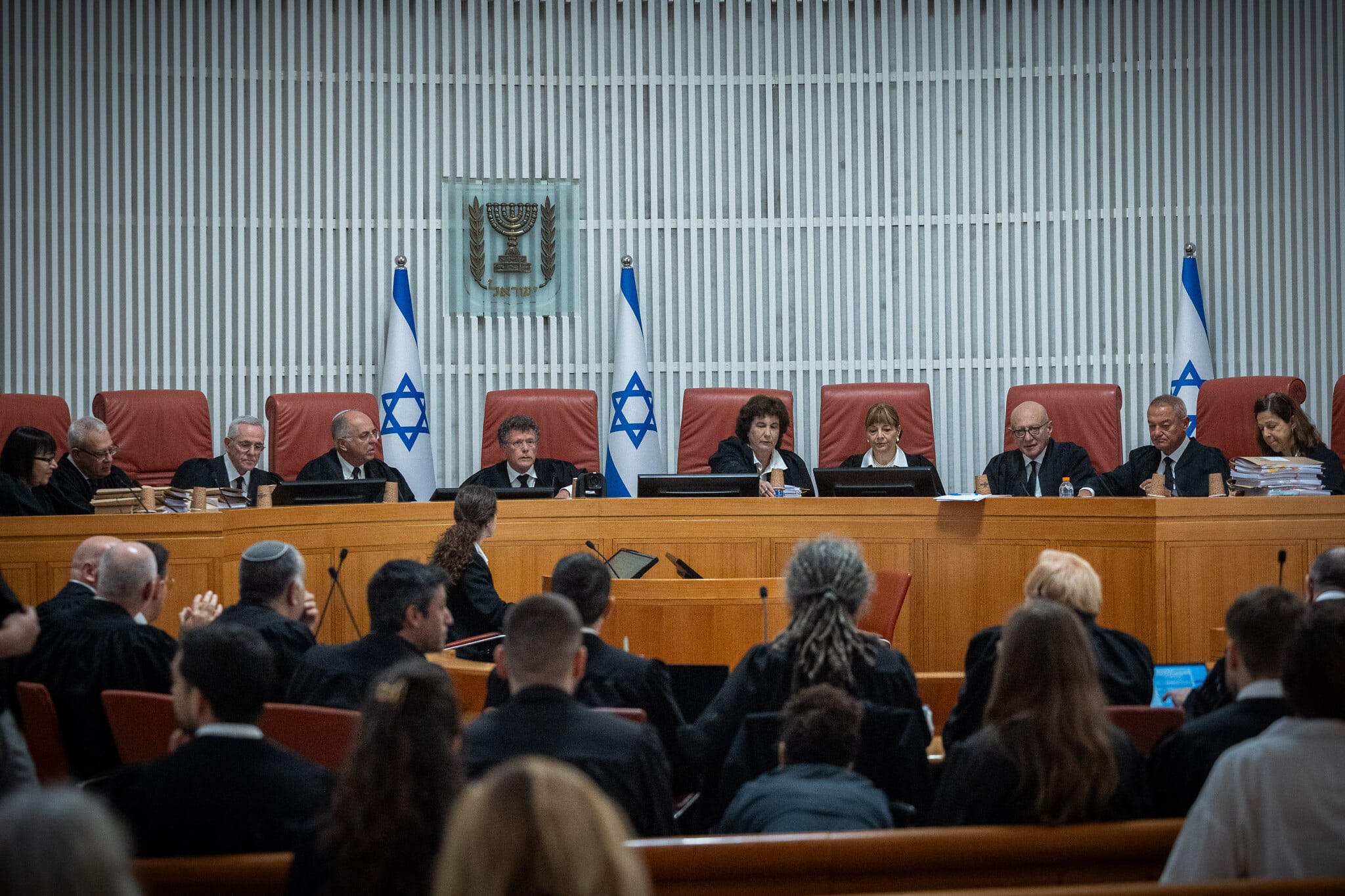
The High Court of Justice begins a hearing on petitions against the government’s highly contentious media overhaul bill, which is highly unusual because the legislation has not yet been passed into law.
The court almost never hears petitions on issues on which a final decision has yet to be taken and usually deems such cases to be “premature.”
The bill would give the government significant control over broadcast media, news sites and other media, and it has provisions seen as designed to benefit the pro-coalition hard-right Channel 14.
The petitions were filed in October and December 2025 against what the petitioners describe as highly flawed and tainted legislative procedures, especially at the beginning of the legislative process. They allege that the actions violated Knesset procedure, practice and legal advice, and the bill should therefore be annulled before being passed into law.
The petitions were filed by the Israel Press Council, the Union of Journalists in Israel, and Hatzlaha-The Movement for the Promotion of a Fair Society.
The Israel Press Council argued in its petition that the legislation should be annulled since it was submitted as government legislation, which is exempt from a preliminary reading in the Knesset plenum, but without the attorney general’s approval. All such government legislation must receive the attorney general’s approval before continuing the legislative process, but sponsors of the media bill, advanced by Communications Minister Shlomo Karhi, acknowledged that it did not receive this approval.
The petition further argues that a decision by the Knesset House Committee to create a special committee to prepare the media bill was invalid, since the Knesset legal adviser stated explicitly that such a committee should not be established, and because MK David Bitan, the chair of the Knesset Economy Affairs Committee, where the legislation would have been prepared, opposed the transfer of the legislation to another committee.
Further claims were made by the opposition against the legislative process of the bill last night, with last-minute changes being made to the bill before it comes to a vote for final approval in the Knesset plenum.
The media law is the second case in two months in which the High Court is hearing petitions against the functioning of the Knesset, a matter in which the court is usually reluctant to intervene. Earlier this month, the High Court ruled the election in the Knesset of a new state comptroller was invalid and ordered that the election be rerun.
Deans of Israel’s 9 med schools warn against expanding gender segregation in higher ed

The deans of Israel’s nine medical schools have issued a joint warning urging lawmakers to reject legislation that would expand gender-segregated study in advanced higher education, arguing it could undermine medical training, international accreditation and public health.
The letter follows a similar statement issued by Israeli university heads last week.
In a call to members of the Knesset ahead of second and third readings of the proposed bill this week, the deans say mixed-gender education is essential to preparing doctors to treat Israel’s diverse population and to fostering collaborative learning.
While the legislation does not mandate gender-segregated classes, it could eventually lead to separate funding streams and pressure universities and medical schools to adopt segregation due to limited resources, the letter says.
The proposal could also jeopardize international recognition of Israeli medical schools, potentially limiting graduates’ ability to pursue fellowships at leading hospitals abroad, the letter adds. Over time, the letter warns, such restrictions could reduce the number and quality of specialist physicians practicing in Israel, and lead to faculty appointments based on gender rather than expertise.
“In the event that a relative of yours needs surgery — would you want the best professional, or a surgeon of the ‘right’ gender?” the letter asks.
Iranian plane lands in Yemen after strikes fail to stop it, Houthi media says
An Iranian plane carrying a Houthi delegation back from Tehran has landed in Yemen, the Iran-backed Yemeni terror group says, after Yemen’s government said it struck Sanaa airport to prevent the aircraft from landing.
Houthi broadcaster al-Masirah quotes the group’s transport minister as saying “the Iranian plane has landed on the homeland’s soil, carrying a number of medical patients and stranded citizens, accompanied by the official delegation of the Republic of Yemen.”
Killing of former UK minister Ann Widdecombe being investigated as terror — police

The killing of former British politician Ann Widdecombe is being investigated as a terrorist act, police say.
A 28-year-old man in custody on suspicion of murder was rearrested on suspicion of commission, preparation or instigation of acts of terrorism, Counter Terrorism Policing South East say.
Devon and Cornwall Police originally said the killing was not believed to be a terror-related crime and there was nothing to suggest it was politically motivated.
“We now have new information and evidence that means Counter Terrorism Policing is now leading the investigation,” head of National Counter Terrorism Policing, Laurence Taylor, says. “We are pursuing multiple lines of inquiry to establish the motivation for this attack.”
Widdecombe, 78, a former member of Parliament, was found dead last week in her isolated rural home in a southwest England village. Police did not disclose a cause of death, saying only that she had sustained “serious injuries.”
The death sent shock waves through British politics, where Widdecombe had been a prominent voice for decades, known for her robust personality and socially conservative views opposing abortion and the expansion of LGBTQ+ rights.
The suspect, who has not been named because he hasn’t been charged, was arrested Saturday in South Yorkshire county in northern England, more than 200 miles (320 kilometers) from the village of Haytor on the edge of Dartmoor National Park, where Widdecombe was found dead Thursday.
IDF chief issues harsh warning against ‘inconceivable’ bill freezing Haredi enlistment
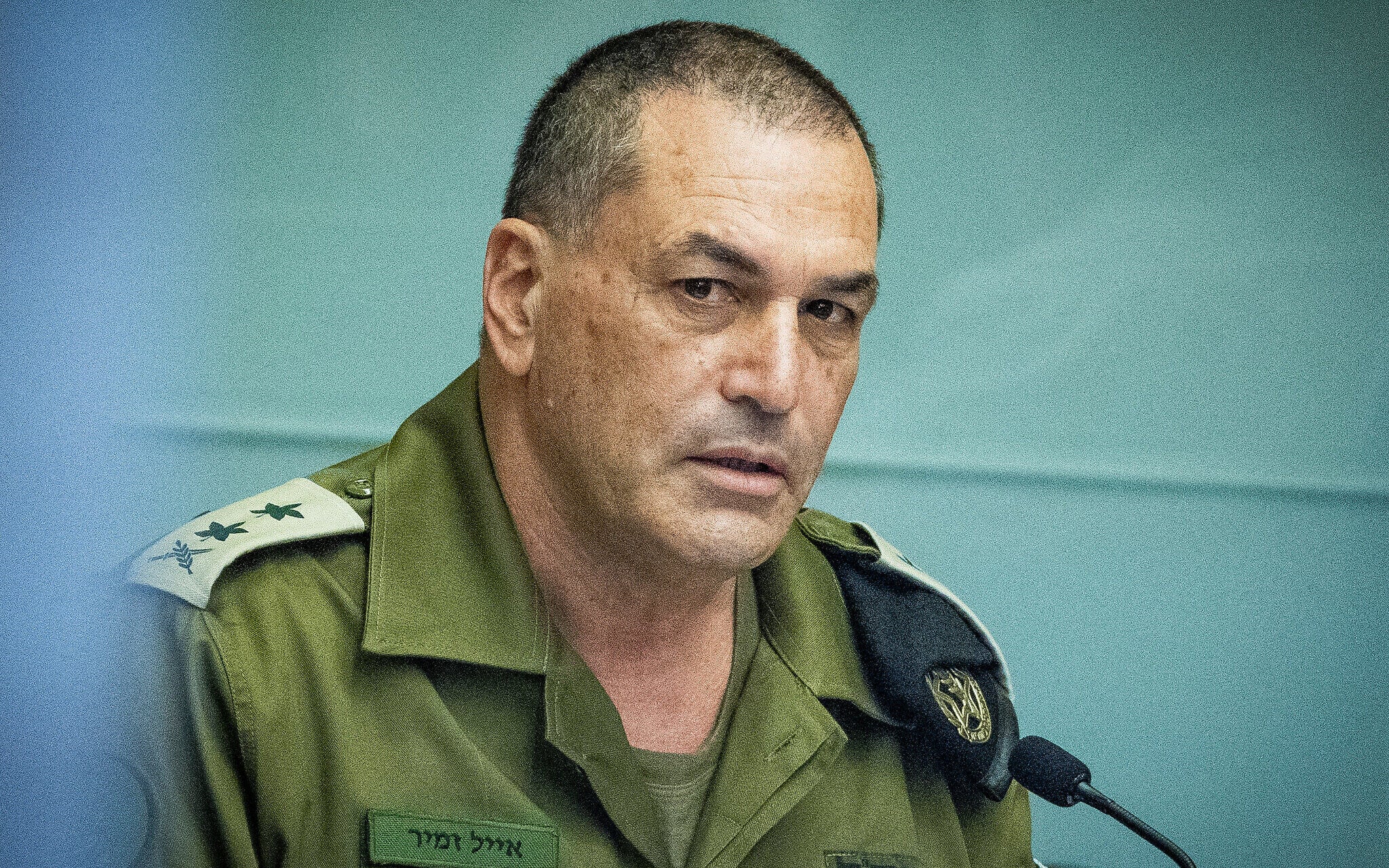
After a Knesset committee approved a bill for its final readings that will effectively freeze ultra-Orthodox enlistment to the military for seven months, IDF Chief of Staff Lt. Gen. Eyal Zamir issues a harsh letter calling the proposal “clearly and unequivocally inconsistent with the IDF’s needs.”
Addressing Prime Minister Benjamin Netanyahu, Defense Minister Israel Katz, and Knesset Foreign Affairs and Defense Committee chair Likud MK Boaz Bismuth, Zamir writes that the proposed mechanism, under which officers would approve the status of yeshiva students in order to grant them immunity from arrest for draft evasion, “undermines the legitimacy of and trust among those who serve.”
“It is inconceivable that the military system under my command, which demands unprecedented sacrifice from its personnel, would be party to granting mass exemptions from prosecution,” he writes.
Zamir adds that “such a move would create a deep rift with the serving force, which has borne the burden of the fighting for two and a half years, and would increase inequality.”
UK police arrest 12 after ‘extreme right-wing’ terrorism threat investigation
British police say on Monday they arrested 12 people as part of an investigation which they described as “extreme right-wing terrorism-related,” and was linked to a suspected threat directed towards an Islamic event that took place over the weekend.
Iran: US can’t interfere in Hormuz, ‘flames will engulf entire region’ if nearby countries work with US army
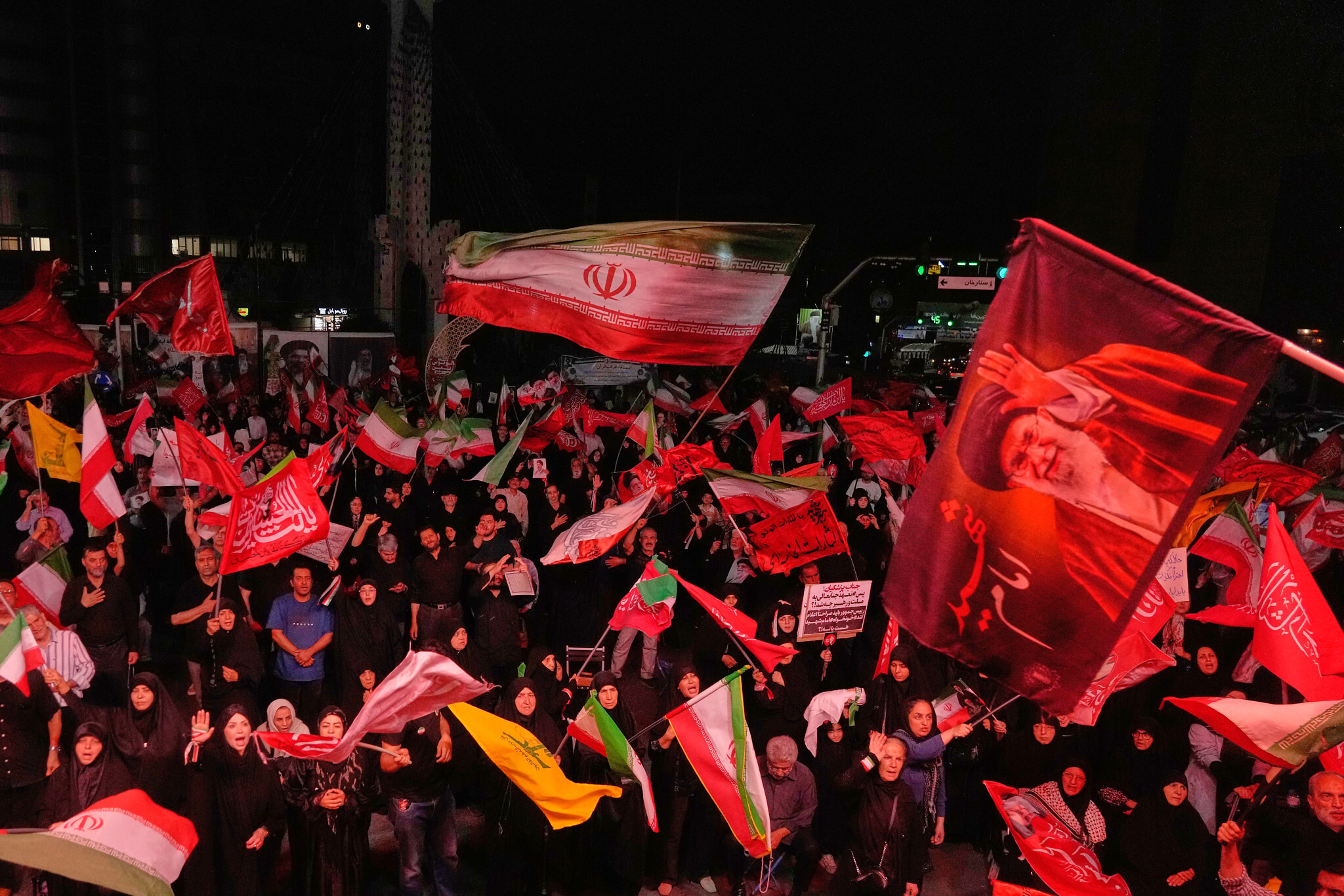
Iran warns countries in the Middle East that it will target “the entire region” if they cooperate with or provide any support for the US military, saying any such assistance would be considered an “act of war” against Tehran.
“A warning is being issued to the leaders of the countries in the region: Any cooperation with or logistical support for the US military will be regarded as an act of war against Iran’s sovereignty and national security. If the war expands, its flames will engulf the entire region,” says Ebrahim Zolfaghari, a spokesman for the Iranian military’s Khatam Al-Anbiya Central Headquarters, in a Farsi-language video message carried by Iranian state media.
Iran “will under no circumstances allow the United States to interfere in the management of the Strait of Hormuz — now or in the future,” the spokesman says.
The warning comes shortly after US President Donald Trump said that the US will probably take over the Strait of Hormuz and should be reimbursed for controlling the vital waterway that Iran says it holds, following a series of US strikes on Iran, and Iranian attacks across the region.
“We’re going to keep the strait, and we’ll probably run it. We’ll become the guardian of the strait. Maybe we’ll call it the guardian angel of the strait. And we should be reimbursed for that,” he told Fox News.
Iraqi couple jailed in Germany for enslaving Yazidi girls
A German court jails an Iraqi couple who were members of the Islamic State group for keeping two girls from the Yazidi minority as slaves.
The man, previously partially named by prosecutors as Twana H. S., is given a life sentence, while his wife Asia R. A. is handed a term of nine and a half years.
The court in Munich found that the couple had been Islamic State (ISIS) members between October 2015 and December 2017 and committed their crimes on Syrian territory.
By late 2015 the couple had bought a five-year-old girl as a slave and another who was 12 in 2017.
The couple forced the two girls to do housework and look after their children, and the court found that Twana H.S. raped both girls.
He also beat the older of the two girls with a broom handle, while Asia R. H. scalded the younger one’s hand.
In line with ISIS ideology the couple also suppressed any practice of the Yazidi faith and ordered the girls to abide by Islamic rules instead.
One of the girls followed the trial in person and broke down in tears at the sentencing.
Judge Philipp Stoll reads part of her testimony in which she said: “Even dogs were worth more than us. My whole childhood was nothing but suffering.”
The couple left Syria in November 2017 after handing the two young girls over to other ISIS members.
They were arrested in April 2024 in southern Germany.
Yemen’s recognized leader says he won’t expand fight with Houthis after airport attack

The leader of Yemen’s internationally recognized government says he won’t expand his confrontation with the Iran-backed Houthi terror group after his forces hit Sanaa airport to prevent an Iranian plane carrying a rebel delegation from landing.
“I have also ordered that the scope of the confrontation not be expanded in a manner that would achieve Iran’s objective of dragging Yemen and its people into wars,” says Rashad al-Alimi, who heads the eight-member Presidential Leadership Council, adding he had called an emergency meeting of the PLC following the flare-up.
Eisenkot says he hasn’t budged on universal draft after Shas leader hints at partnership
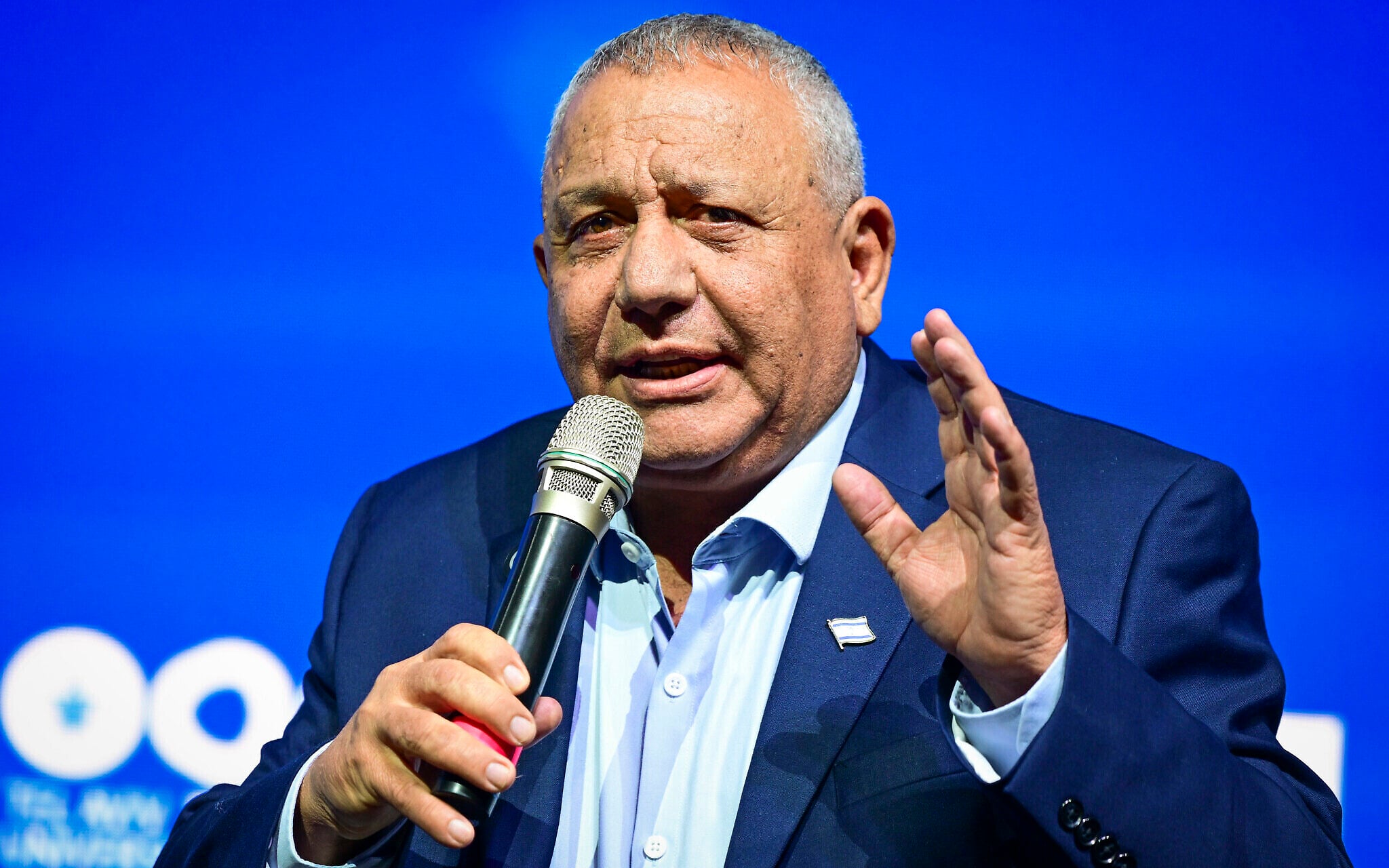
Gadi Eisenkot says he will not join in a coalition with any party that opposes mandating conscription or national service for all Israeli citizens, after the spiritual leader of the Sephardi Haredi Shas party suggested it would be open to working with the centrist politician.
Eisenkot, a former IDF chief, leads the newly-founded Yashar party and is running to unseat Prime Minister Benjamin Netanyahu.
“I’ve been following the media over the past few days and in recent hours, about those talking about ‘the new connections formed between Eisenkot and Shas.’ So I am telling you all that as far as I’m concerned, I haven’t shifted my stance a millimeter,” he says in a statement.
Reiterating remarks he has made in the past, Eisenkot says he won’t sit with any party that doesn’t meet his three preconditions for partnership: recognizing Israel as a Jewish and democratic state; abiding by the values of the Declaration of Independence; and accepting conscription or national service for all Israelis, including ultra-Orthodox and Arab citizens.
Last week, Eisenkot, who like Shas’s voter base is of Mizrahi heritage, praised Shas and made similar remarks.
“I see Shas as a partner on the condition that it accepts the three foundational principles,” he said at the time. “Shas is the party that is meant to send a positive message.”
Shas, along with fellow Haredi party United Torah Judaism, is part of Netanyahu’s current coalition and has pushed for a law that would enshrine blanket exemptions from IDF conscription for yeshiva students.
Yesterday during his weekly sermon, former Sephardic chief rabbi Yitzhak Yosef, who serves as Shas’s spiritual leader, hinted that the party may consider sitting with Eisenkot.
“Due to our many sins, we are in a secular, non-ultra-Orthodox state… We pray that everyone repents. There are those who will repent, there are those who won’t,” Yosef lamented, then went on to say: “Will Bibi Netanyahu repent? Not a chance. Eisenkot, perhaps he will.”
The remarks came less than a week after Shas’s political leaders reportedly refused to pledge loyalty to Netanyahu and any future coalition he may try to form after the upcoming legislative election, amid frustration with the premier’s perceived refusal to deliver on key promises regarding draft exemptions for ultra-Orthodox men.
Dubai-based firm plans UAE east coast port to bypass Strait of Hormuz — FT
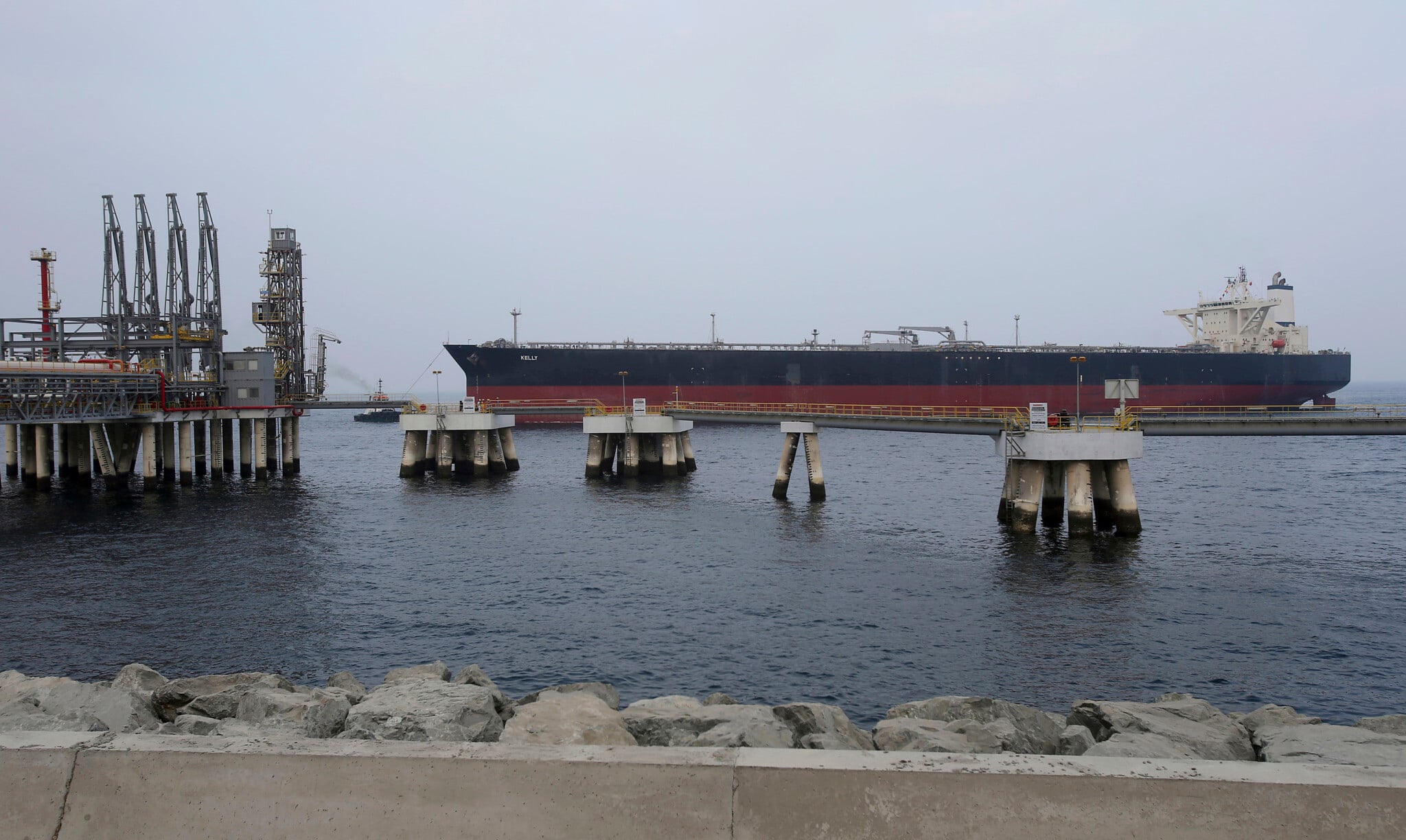
DP World, a Dubai-based port operator, is planning to build a new port and a container terminal on the United Arab Emirates’ east coast in a move that would reduce Dubai’s dependence on its flagship Jebel Ali hub and bypass the Strait of Hormuz, the Financial Times reports.
Iran has blocked the Strait of Hormuz throughout the regional war that began in late February, and the vital waterway is at the center of an ongoing escalation of conflict between the US and Iran.
DP World is in talks to develop a brand new multipurpose port in the coastal area of Fujairah and a new terminal at the existing harbor in the emirate, the newspaper adds, citing people familiar with the matter.
Reuters cannot immediately verify the report.
Yemen’s recognized government orders airports shut after attacking Sanaa airport
Yemen’s internationally recognized government orders all airports in the country shut after it struck the one in Sanaa to keep an Iranian plane from landing.
The Houthi rebel terror group, which is backed by Iran, said the plane landed.
“The Civil Aviation and Meteorology Authority (CAMA) hereby informs all airlines and international organizations operating flights to and from the airports of the Republic of Yemen that all airports in the Republic of Yemen are closed until further notice, with immediate effect,” it says in a statement posted on Facebook.
While the government does not control airports in Houthi-held areas such as Sanaa, the Saudi-led coalition that backs it requires aircraft to request clearance for entering the airspace, a restriction it says it enforces on the government’s behalf.
Israel giving $1.3 million to NGO in West Bank outposts that’s under Western sanctions — report

The Israeli government is providing an NIS 4 million ($1.3 million) grant to a nonprofit organization operating in illegal West Bank settlement outposts that was sanctioned by six Western countries last month, Haaretz reports.
France, Britain, Canada, Norway, Australia and New Zealand sanctioned the group, Ahavat Gilad, after determining that it was operating in outposts linked to violence against Palestinians. The UK said Ahavat Gilad was being used to funnel funds to illegal farming outposts throughout the West Bank, which have become hotbeds for settler violence and which critics say are used as a tool to dispossess Palestinians of their land.
It’s unclear whether the grant to Ahavat Gilad would expose the Israeli government itself to secondary sanctions from the six Western governments.
Despite Ahavat Gilad’s ties to outposts, the grant from the National Security Ministry, led by far-right minister Itamar Ben Gvir, is specifically aimed at reducing incidents of violence in the West Bank and providing mentors to young settlers in those illegal communities, documents obtained by Haaretz say.
Funds for the grant were apparently made available as part of a government decision to combat rising settler violence, which treated the issue as a criminal matter led by juvenile delinquents, rather than a political one backed by entities seeking to expel Palestinians and annex the West Bank.
The cabinet resolution approved in May specifically tasked Ben Gvir’s ministry with establishing “a mentor system to prevent dangerous behavior among youth.”
Ahavat Gilad “was chosen in light of its proven, unique and extensive experience in connecting with the field, including measurable and significant results in leading youth to positive action, preventing violence, promoting military conscription and more,” Ben Gvir’s office tells Haaretz.
The ministry says it is committed “solely to the good of the State of Israel and the citizens of Israel, and therefore does not accept diktats from international bodies with anti-Israeli agendas and foreign considerations.”
Critics argue that the government tacitly backs the violent settlers, as they are advancing its aims of expanding Israel’s grip on the West Bank. Finance Minister Bezalel Smotrich says he aims to encourage Palestinian migration from the territory and has called for the abolition of the West Bank-based Palestinian Authority. Settler attacks over the past three years have led several thousand Palestinians to flee their homes.
Trump: US reinstating Iran blockade, will charge fees for managing Hormuz
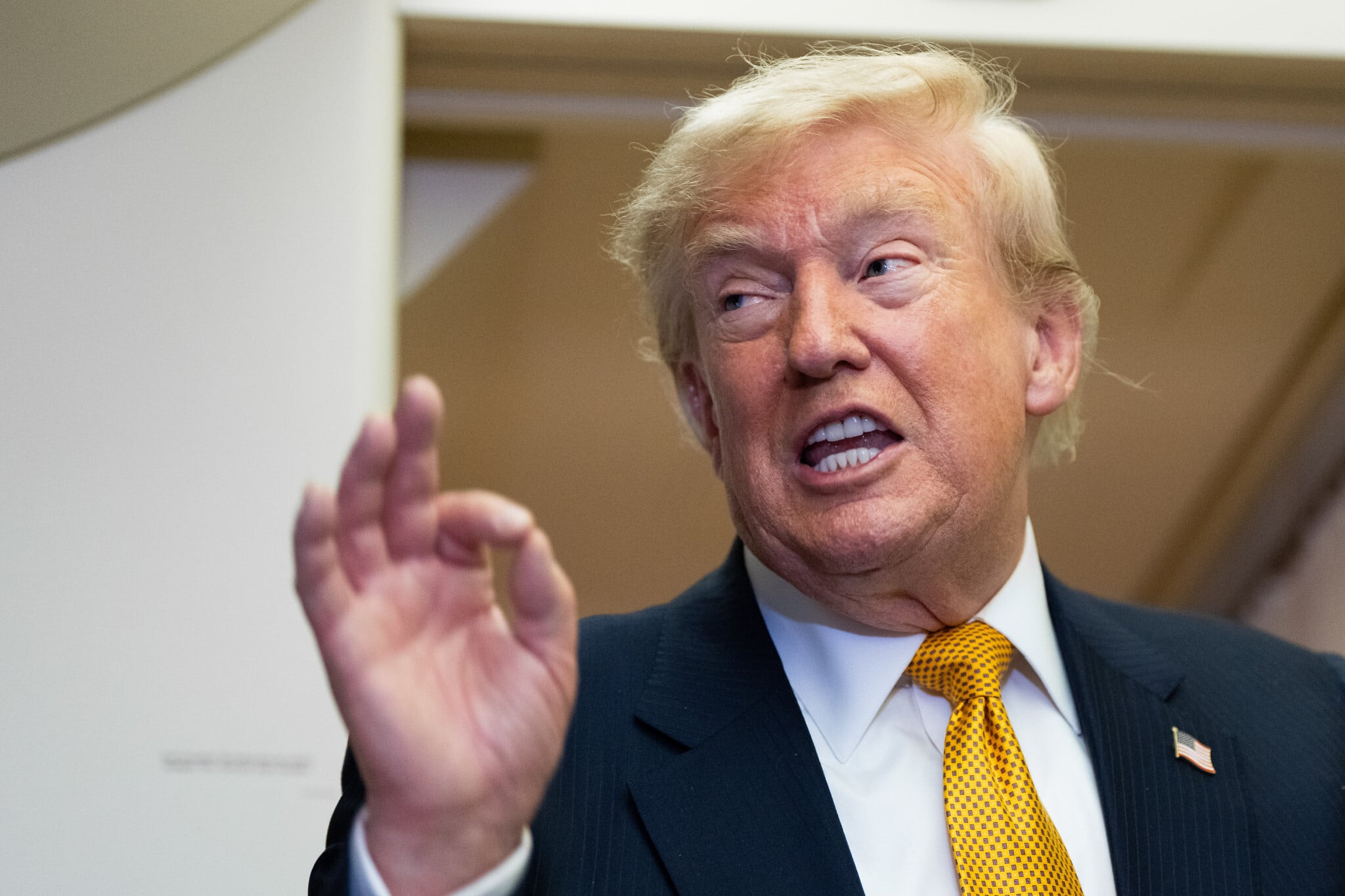
US President Donald Trump announces that the US is reinstating its blockade of Iranian ports and will be managing the Strait of Hormuz going forward, charging fees from ships that transit the waterway in the process.
“The Hormuz Strait is OPEN, and will remain OPEN, with or without Iran,” Trump writes on Truth Social. Tehran has denied that is the case and says it holds the strait.
“We are reinstating the THE IRANIAN BLOCKADE, so named because it is only stopping Iran’s ships or customers from entering or leaving. All other countries will have fair and open use of the Strait,” he writes. The US began blockading Iranian ports during the war in response to Iran blocking the Strait of Hormuz after the US and Israel launched the conflict in late February.
“The USA. will be, from this point forward, known as “THE GUARDIAN OF THE HORMUZ STRAIT,” but as such, and as a matter of FAIRNESS, will be reimbursed, at the rate of 20% on all cargo shipped, for any and all costs necessary to do the job of providing safety and security to this very volatile section of the World,” he writes. “The process and formation will begin immediately.”
It’s unclear who will be paying the US for this effort or whether it is even possible to execute it.
Trump’s announcement of an apparent US toll in the Strait or Hormuz comes nearly one month after Washington signed a memorandum of understanding with Iran that barred Tehran from charging fees in the channel for 60 days. The US and other bodies have repeatedly called out Iran for trying to charge tolls in the channel, arguing that travel through international waterways must remain free.
High Court justices say their intervening in Knesset process would violate separation of powers
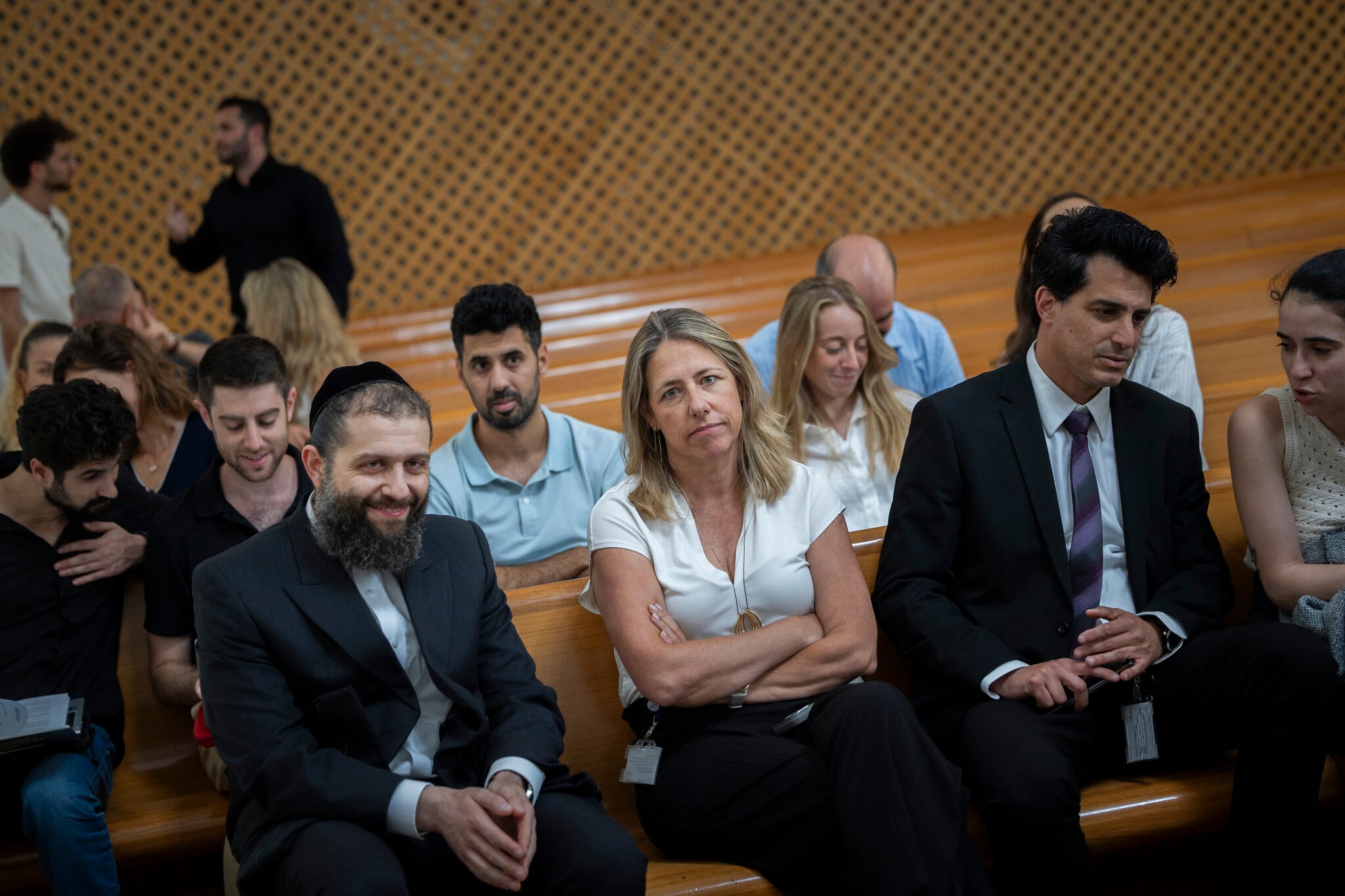
The High Court of Justice appears highly skeptical of petitions asking it to halt the legislative process for the government’s contentious media bill, with two of the three justices at the hearing asserting that to intervene in legislation before it is passed into law would violate the separation of powers.
Three organizations petitioned the court against the legislation, which has yet to be passed, arguing that it suffered from severe procedural flaws, including that the attorney general did not approve the bill, and that the establishment of a special committee to prepare the legislation was unlawful.
“What you’re asking for would be to harm the defining lines of the separation of powers,” says Justice Alex Stein to the attorney representing the Hatzlacha organization, one of the petitioners.
“You’ve listed a whole load of fouls [over the legislative process], they will be taken into account when the law is reviewed” if and when it passes, he continues.
Justice Yechiel Kasher points out that the Knesset has never before intervened in legislation before it has been passed into law, and questions whether the current case is extreme enough to justify such unprecedented court action.
Kasher, Stein, and Supreme Court President Isaac Amit all point out that the legislation will either be passed, or fail to pass, in the next three days, meaning that court intervention at this stage is unnecessary.
The legal representative for the Knesset says that the legislative process has indeed suffered from multiple flaws but also argues against judicial intervention.
The bill in question would give the government significant control over broadcast media, news sites and other media, and it has provisions seen as designed to benefit the pro-coalition hard-right Channel 14.
Palestinian weapons smuggler for Hamas killed in strike in Gaza, IDF says
A Palestinian weapons smuggler was killed in an Israeli airstrike in the southern Gaza Strip yesterday, the IDF announces.
The military says it killed Mustafa Owaisi, who had “attempted to smuggle military equipment into the Gaza Strip.”
“During the war, Owaisi acted to smuggle weapons into the Gaza Strip, and in recent months continued attempting to smuggle additional military equipment to rebuild Hamas’s military wing, in violation of the ceasefire agreement,” the IDF says.
The military adds that the equipment was intended to be used by Hamas in the “naval and aerial arenas.”
US military posts footage of its first-ever suicide drone strike on Iranian submarine
The American military publishes footage showing its first-ever operational use of suicide drone boats during strikes on an Iranian submarine and ship maintenance facility yesterday.
“Three Corsair unmanned surface vessels hit the port at Bandar Abbas Naval Base, marking the first time American forces have employed sea drones in combat operations,” the US Central Command says on X.
“Last night’s strikes degraded Iran’s ability to continue attacking commercial shipping,” CENTCOM adds.
Yesterday, using multiple one-way attack surface drones, CENTCOM forces successfully struck a submarine and ship maintenance facility in Iran. Three Corsair unmanned surface vessels hit the port at Bandar Abbas Naval Base, marking the first time American forces have employed sea… pic.twitter.com/bOM2kmgRxz
— U.S. Central Command (@CENTCOM) July 13, 2026
Trump administration launches effort to ‘dismantle’ the International Criminal Court
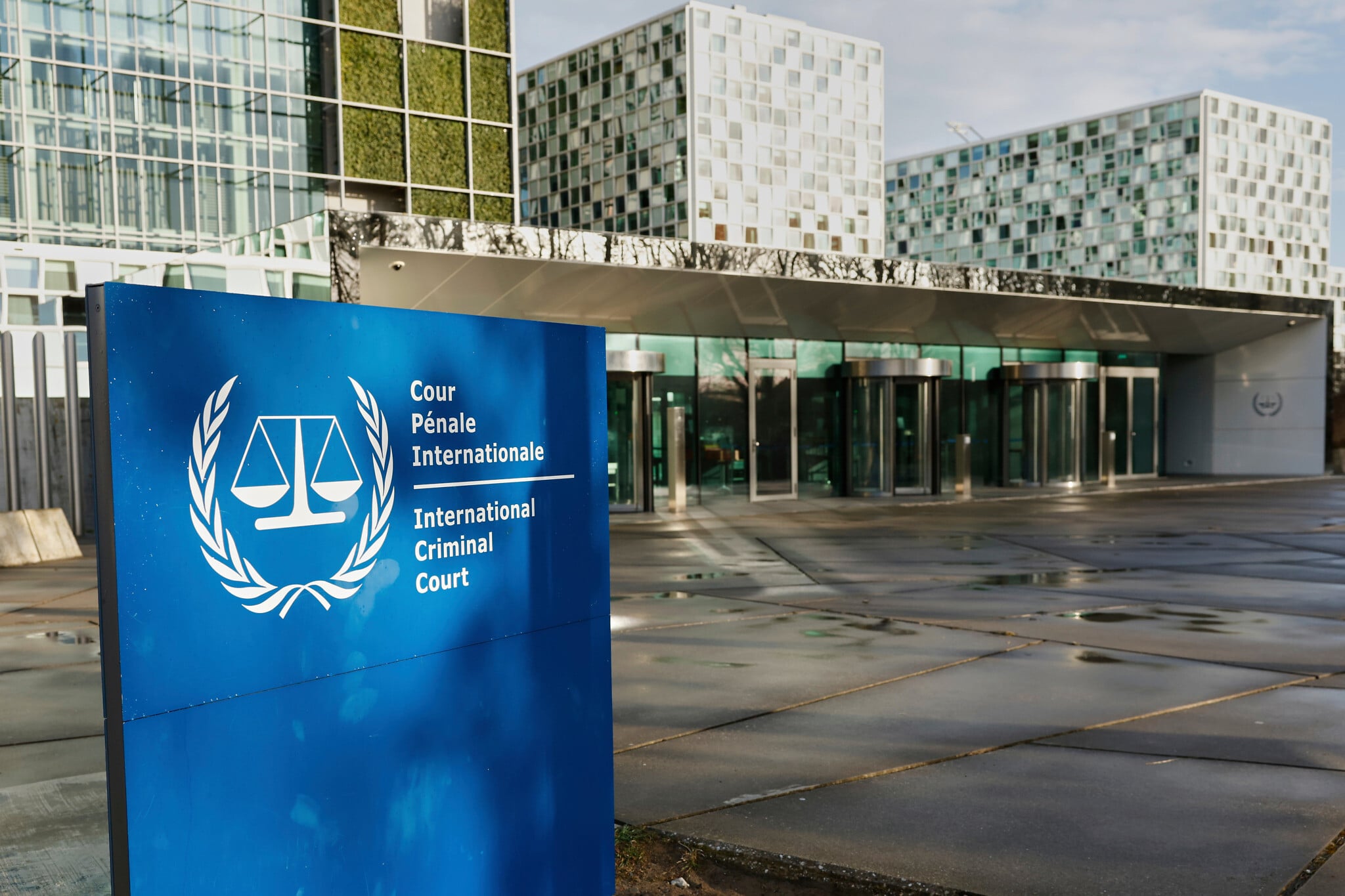
The Trump administration is launching an effort to ‘dismantle’ the International Criminal Court over what it calls the threat the court poses to US sovereignty.
US Secretary of State Marco Rubio discusses the plan in a Wall Street Journal op-ed.
“The US is launching a diplomatic campaign with a simple message — sovereign states over globalism. Those who benefit from American security must not stand idly by while those who provide that security are targeted,” Rubio writes.
“This is only the beginning. Using all the tools at our government’s disposal, working beside every ally with whom we can make common cause, we will dismantle the ICC — brick by brick, if necessary,” he says.
President Donald Trump and other U.S. officials, such as former President George W. Bush, have long said the ICC should not have the authority to investigate and prosecute Americans, particularly members of the US military.
A State Department official, speaking on condition of anonymity, says a wide range of options is under consideration to target the ICC, including travel bans, visa revocations, increased sanctions against the ICC and affiliated organizations, and diplomatic pressure on other nations to withdraw from the ICC, the official says.
The ICC was established in 2002 by the international community to prosecute war crimes, genocide and crimes against humanity. It asserts jurisdiction only if a member state is unable or unwilling to prosecute atrocities itself. The United States has never been a member of the court, nor has Israel.
Trump’s hostility toward the court goes back to his first term. It manifested again with a plan to punish ICC officials, an idea hatched in November 2024 when Trump was re-elected and the ICC indicted Prime Minister Benjamin Netanyahu as well as former Defense Minister Yoav Gallant over alleged war crimes in Gaza.
Last month, three International Criminal Court judges sued Trump and his administration over sanctions imposed on them last year, arguing the measures were unlawful.
The State Department official says Rubio and other top US officials are pressuring other countries as part of a campaign “to diplomatically isolate the International Criminal Court and ensure it cannot target Americans.”
In March 2020, ICC prosecutors opened an investigation in Afghanistan that included looking into possible crimes by US troops, but since 2021, it has deprioritized the role of the US and focused on alleged crimes committed by the Afghan government and Taliban forces.
European leaders agree on anti-ballistic missile coalition with Ukraine
Leaders of Denmark, France, Germany, Italy, the Netherlands, Norway, Spain, Sweden and the United Kingdom have agreed to establish an integrated anti-ballistic missile coalition with Ukraine, the French Presidency says in a statement.
“We believe that the protection of Europe requires a global solution of integrated missile defense architecture to deter and defeat future missile threats — developed through collective effort, technological openness, and trusted industrial cooperation,” the statement says.
“It will complement existing ballistic missile defense systems, including sovereign European solutions already acquired, or to be acquired by participating countries,” it adds.
US citizen found guilty of helping export tech to Iran in violation of sanctions
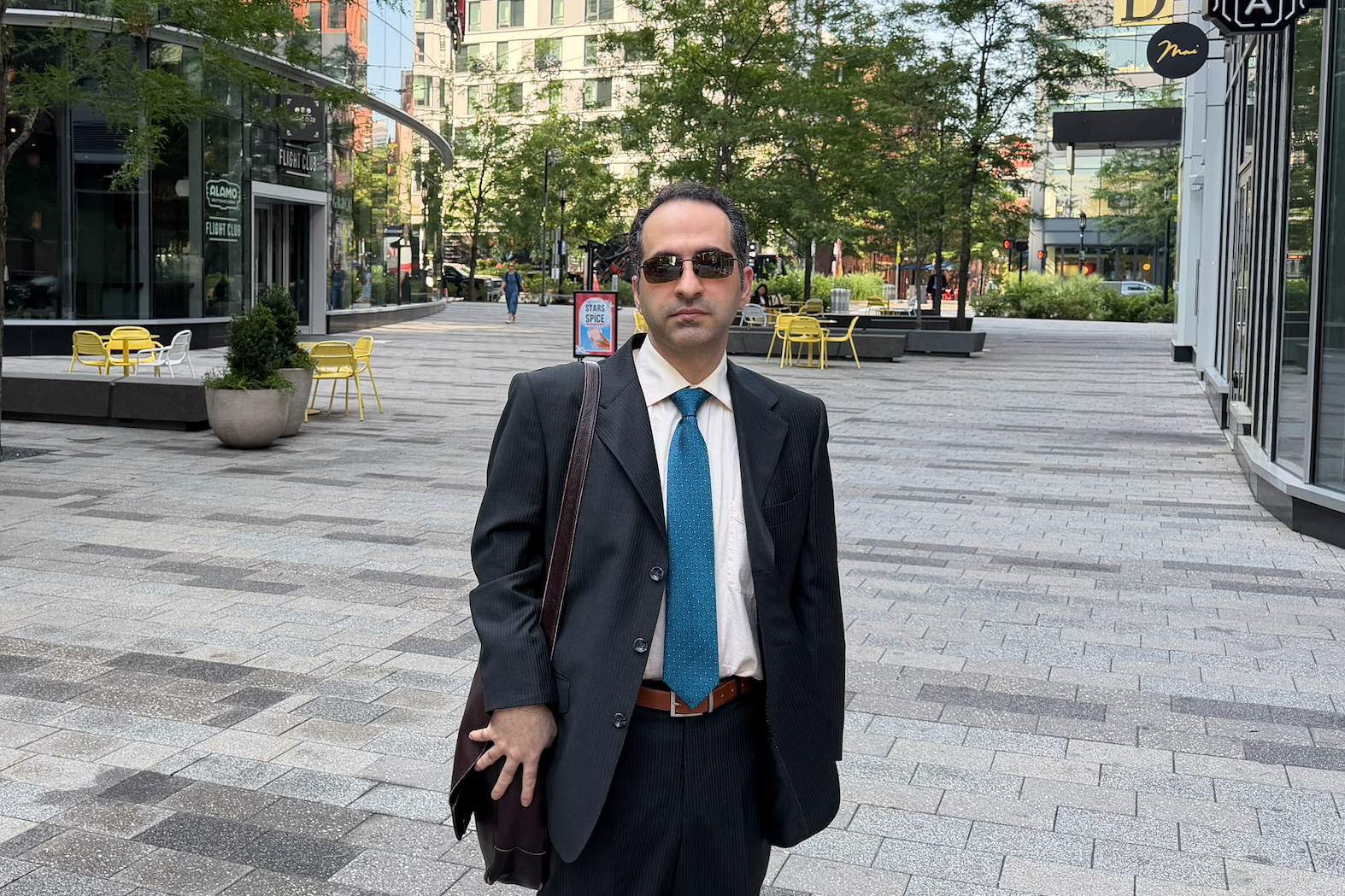
A Massachusetts man is found guilty of conspiring to unlawfully export electronic components to Iran in violation of US sanctions.
Mahdi Mohammad Sadeghi, who worked at the global electronics company Analog Devices, was accused of helping an Iranian business associate get around American export control laws. US prosecutors say the business associate’s Tehran-based company makes navigation systems for the military drone program of Iran’s Revolutionary Guard. Authorities say the scheme included the creation of a front company in Switzerland.
The second defendant, Mohammad Abedininajafabadi, called Abedini in court documents, was not on trial. He is believed to be in Iran after an apparent prisoner exchange for an Italian journalist.
Sadeghi is found guilty on three of the five charges. He shows no visible reaction to the verdict, which comes early in the fourth day of jury deliberations. He and his lawyers did not comment as they left court, and he will remain free until sentencing October 13.
Sadeghi, a 43-year-old naturalized US citizen, chose not to testify. A father of two, he lost his job at Analog Devices due to the charges. Although he was arrested in December 2024, long before the current war with Iran, his trial has unfolded during the conflict.
“At its core, this case is straightforward. You cannot send goods, especially the goods at issue in this case, to Iran. Period. Full stop,” Assistant US Attorney Alathea Porter tells the jury. “The defendant knew that, and conspired with Mr. Abedini to do that.”
Sadeghi’s attorney, William Fick, tells jurors that the scheme laid out by the prosecution “makes no sense” and is full of holes. He says Sadeghi was only offering advice to a longtime friend about how to get business with the semiconductor company, and wasn’t responsible for procuring the parts for Abedini.
Fick says there is no proof the parts ended up in Iran, and he disputes that the Swiss company was a front.
“If you look at the world through dirty glasses, everything looks dirty,” Fick says. “That is fundamentally what the prosecution is asking you to do here.”
Bismuth hits back at IDF chief: Timing of letter slamming Haredi draft freeze no ‘coincidence’
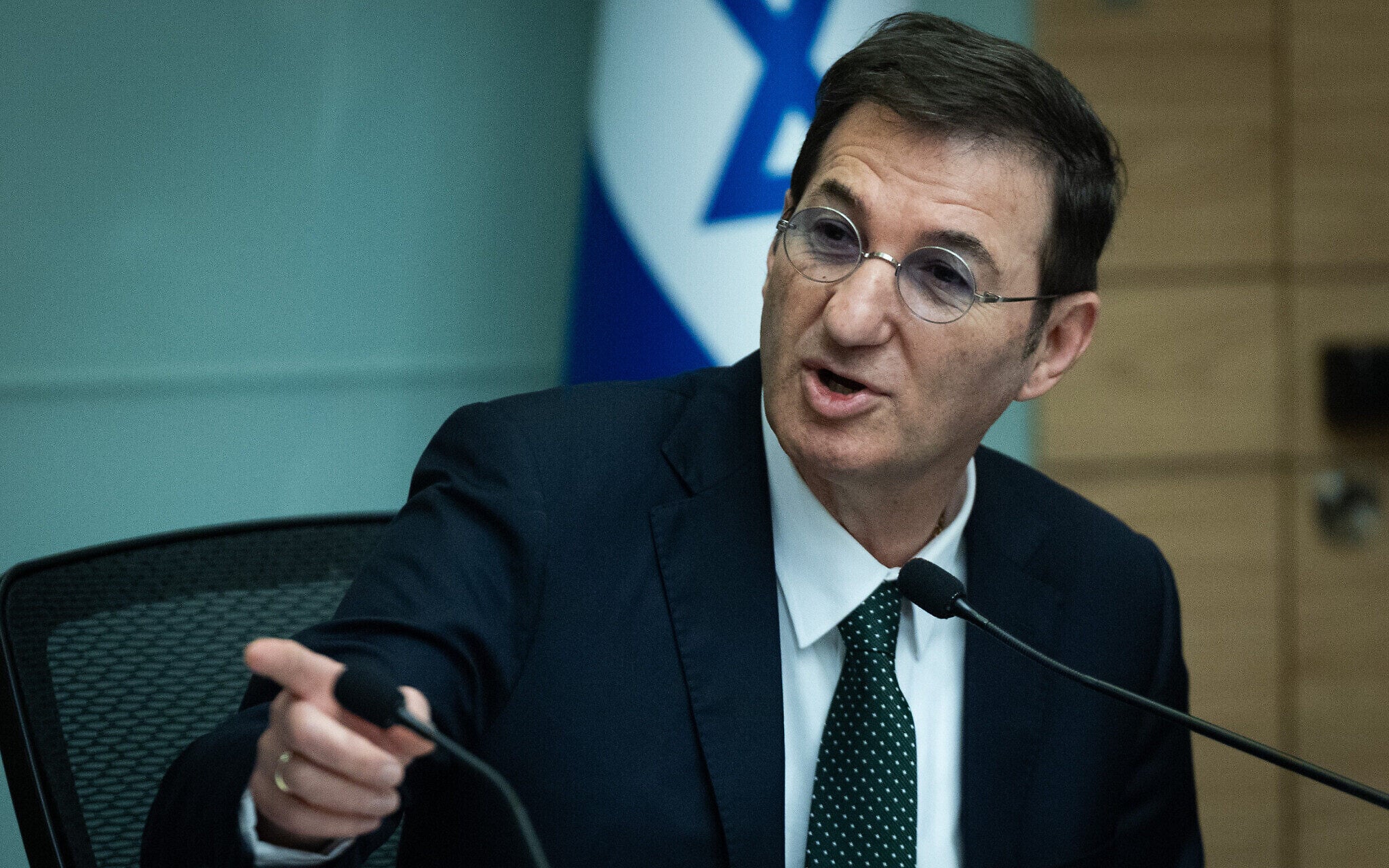
Boaz Bismuth, the Likud lawmaker who chairs the Knesset’s Foreign Affairs and Defense Committee, responds to a letter by IDF Chief Eyal Zamir slamming a proposed seven-month freeze on IDF enlistment.
Bismuth says the IDF was given ample opportunity to comment on the proposal, and questions Zamir’s decision to send the letter now, shortly before the freeze is due to be approved by the full Knesset today.
“It’s hard to see this timing as a coincidence,” Bismuth writes.
In his letter, Zamir called the freeze “clearly and unequivocally inconsistent with the IDF’s needs,” and said it “undermines the legitimacy of and trust among those who serve.”
Bismuth responds in his letter that Zamir sent his missive last night, only after the measure had been approved by Bismuth’s committee. Bismuth says that the IDF had three weeks to review the draft legislation, and that its representatives participated in the Knesset committee discussions over it.
Bismuth adds that the legislation was composed in coordination with the Defense Ministry and that it amended it according to the ministry’s wishes.
Bismuth says that during the discussions over the legislation, “the IDF’s representatives did not show one example to the committee of an arrest of a Torah scholar leading to enlistment in practice,” Bismuth writes, according to Hebrew media reports.
Bismuth has championed legislation to enshrine blanket exemptions from military service for yeshiva students. The IDF has warned repeatedly that it faces an urgent manpower shortage.
Stocks slip, oil rallies and bond yields rise as Gulf conflict escalates

Stocks fall and oil prices rally, while government bond yields rise, after US and Iranian forces renewed exchanges of heavy missile and drone assaults, with Tehran saying it had again closed the vital Strait of Hormuz.
Oil added to its gains after US President Donald Trump responded with an announcement that the US was reinstating a naval blockade on Iran, and would be reimbursed 20 percent on all cargo shipped through the strait.
On Wall Street at 11:43 a.m. ET (6:43 p.m. Israel time), the Dow Jones Industrial Average fell 106.72 points, or 0.2%, to 52,530.29, the S&P 500 was down 30.60 points, or 0.4%, and the Nasdaq Composite fell 247.59 points, or 0.94%.
In energy markets, oil prices rise more than 4% after Trump’s comments reignited concerns over energy shipments.
Meanwhile, US Treasury yields rise as intensifying hostilities between the US and Iran fan concerns about inflation pressures and their impact on Federal Reserve monetary policy.
Six of the top 20: Likud okays plan to give Netanyahu more power over party’s electoral slate
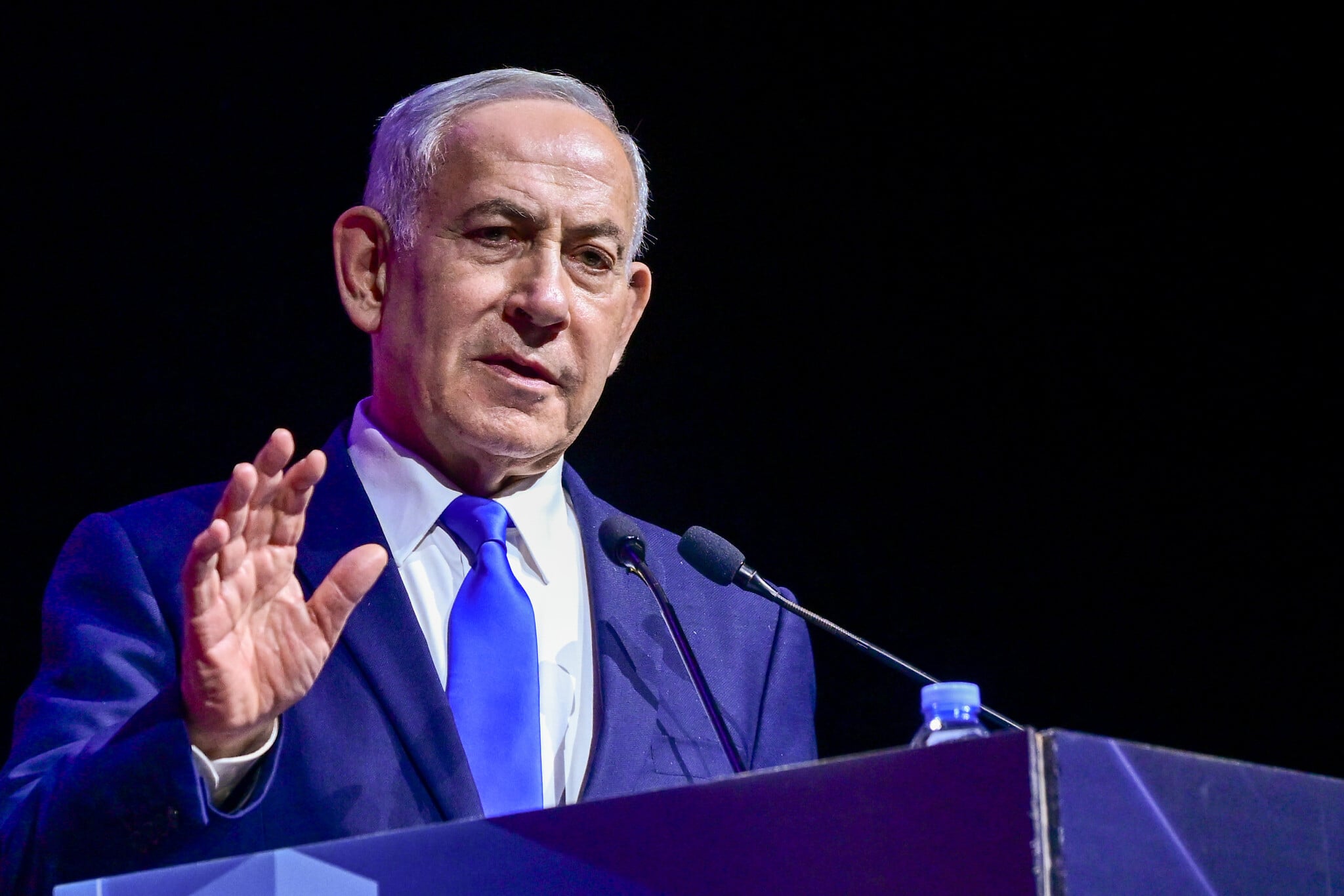
Likud’s Constitution Committee approves a plan to grant Prime Minister Benjamin Netanyahu the power to select eight candidates on the party’s slate, including three in the top 10 and six in the top 20, in a compromise with committee chairman Haim Katz, amid the premier’s efforts to increase his own influence over the upcoming Likud primaries.
The compromise would reserve spots 3, 5, 9, 11, 15, 18, 26, and 31 on the party’s Knesset list for Netanyahu’s handpicked candidates, after the premier previously insisted that at least 10 spots be reserved for contenders of his choice.
The deal significantly increases Netanyahu’s power over his party’s slate. During the party’s last round of primaries in 2022, Netanyahu was allowed to handpick only three candidates among the first 30 spots on the list, with the highest being the 14th.
Polls project that Likud’s number of seats after the election, on October 27, will be in the low to mid-20s. The compromise is not yet official and the Likud Central Committee will vote on whether to approve the plan Thursday, Hebrew outlets report.
The primaries, scheduled for August 17, have sparked friction within the party as veteran lawmaker David Bitan pushed back against Netanyahu’s bid for greater influence.
Bitan, one of the only Likud politicians who has publicly opposed Netanyahu’s demands, got into a brief spat with the premier today in Jerusalem.
“We’re talking about reserved [slots], but everything is hazy. We haven’t seen who they want to reserve a spot for and what value they bring to Likud,” Bitan said, according to Ynet.
“Bitan, you’re welcome to run and we’ll see how many seats you bring,” Netanyahu reportedly shot back.
Last month, the premier threatened to scrap the primaries and instead have an internal selection committee choose the party’s slate if he was not granted the power to choose 10 candidates within the first 35 spots, but then reneged after opposition from senior party members.
Likud is one of the only major parties, and the largest, to hold primaries for its slate.
EU foreign ministers to meet on measures further limiting trade with settlements
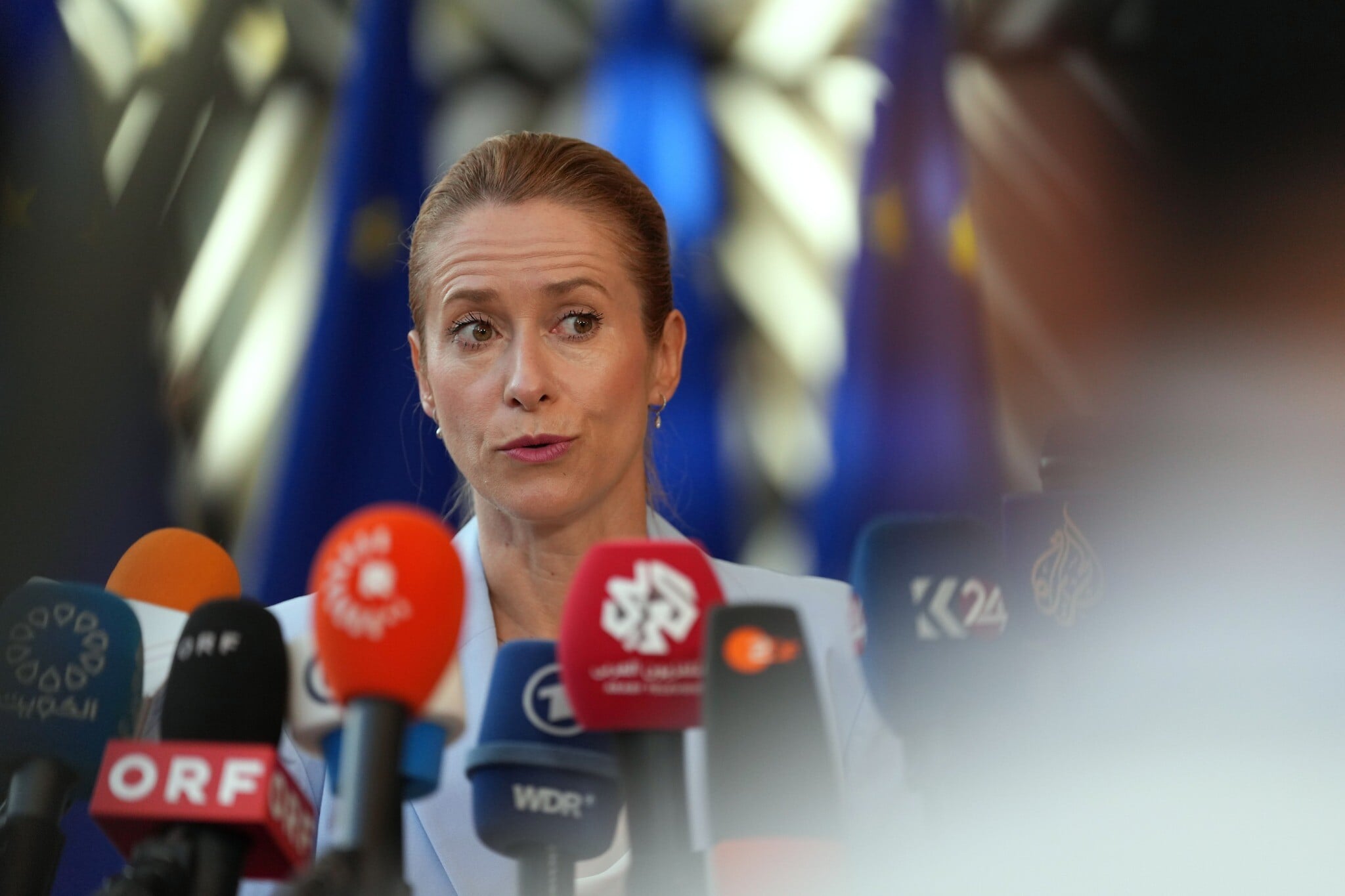
The European Union is working on new measures to block trade with Israeli West Bank settlements, says EU foreign policy chief Kaja Kallas.
“All the 27 member states agree that Israeli settlements are illegal under international law,” says Kallas in remarks to the press after a meeting of EU foreign ministers in Brussels.
She says that the diplomats, at the request of the European Council, examined a range of measures to further limit trade with Israeli settlements in the West Bank as well as towns in the Golan Heights.
“These include a full or partial ban on imports of settlement products, stricter export licensing requirements, and the possible use of tariffs,” Kallas says.
“These are not options against Israel,” Kallas continues. “These are options against the illegal settlements that undermined the two-state solution.”
Most of the international community views Israeli settlements as a violation of international law, a determination Israel disputes. Israel annexed the Golan Heights in 1981, which the international community largely does not recognize.
Kallas notes that “taking action against the trade with settlements” — likely referring to a ban — received the most backing among the ministers.
“We tasked the ambassadors to take this work forward — and probably will also have an extraordinary meeting on this,” she says.
UN shipping agency opposes fees for any strait, after Trump plans charges on ships in Hormuz
The UN’s shipping agency says it opposes fees on ships passing through maritime waterways, but will await more details after US President Donald Trump said he would reinstate a naval blockade on Iran and charge 20 percent on all cargo shipped through the Strait of Hormuz.
Trump said in a Truth Social post the process would begin immediately, but did not elaborate.
“We are aware of the post and awaiting more details,” a spokesperson with the UN’s International Maritime Organization says. “We have always been consistent on our stance on fees – IMO stands firmly against charging fees for passage through straits used for international navigation. There is no legal basis through which to introduce mandatory tolls simply to transit through a strait.”
Shipping industry officials express concern at the latest development, adding that such a move in their assessment will violate international law.
“How is this going to make it safer to sail through and what guarantees will this give?” one official, who declines to be identified, says of Trump’s post.
US officials reportedly vow future talks with Iran will only take place under fire
Any potential future talks between the US and Iran will take place only under fire, Channel 12 reports, citing US officials.
However, the officials say a further agreement between the warring countries is highly unlikely.
Israeli official: Next talks with Lebanon to focus on standards, pace of disarmament pilot — report
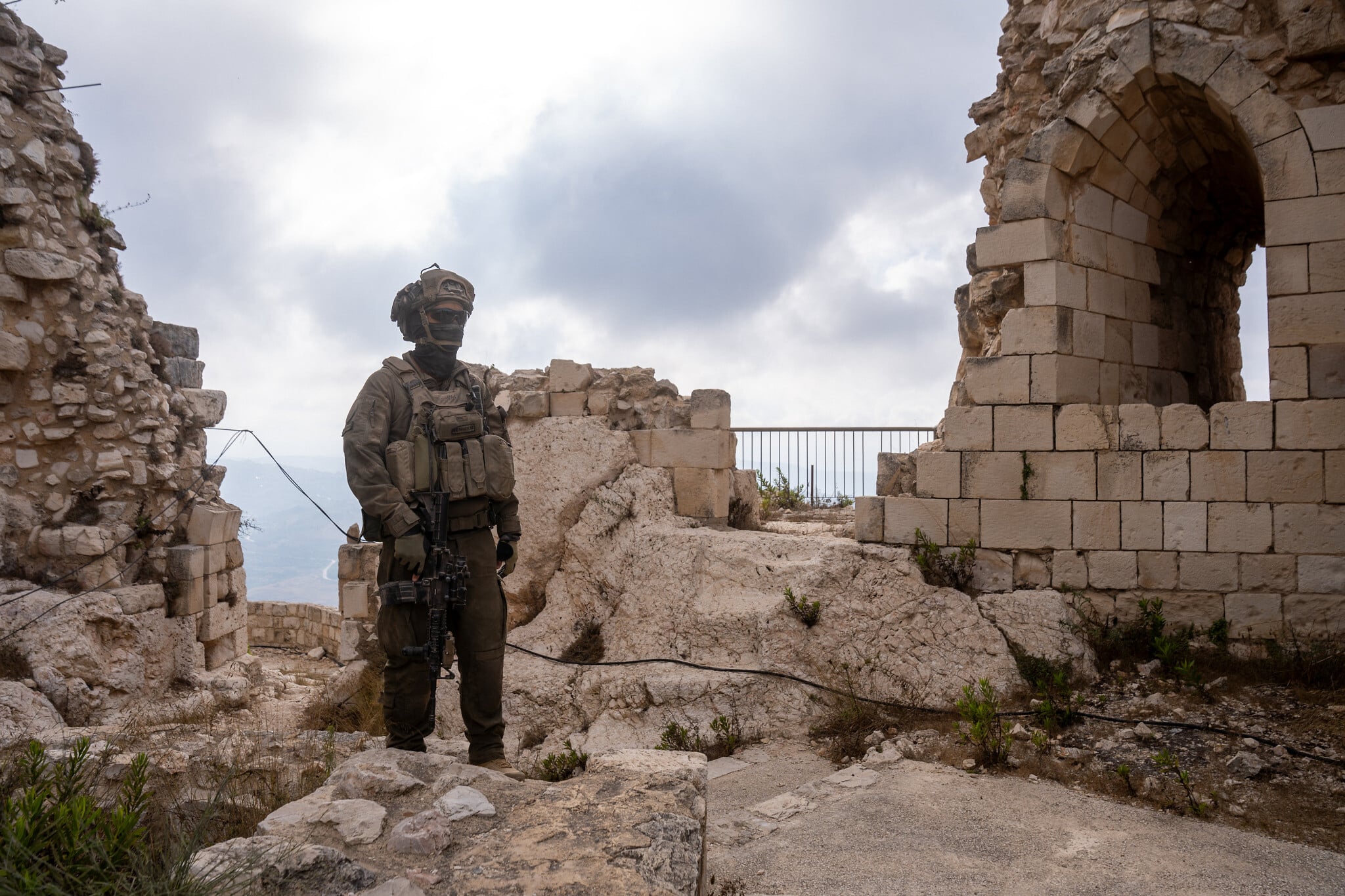
Ahead of the sixth round of talks between Israel and Lebanon tomorrow in Rome, a senior Israeli official tells Channel 12 that the sides will discuss — and likely disagree over — the pace of a pilot program that will see the IDF withdraw from territory the Lebanese army clears of Hezbollah’s weapons.
“In Lebanon, they are trying to assert as much control as possible over the process, to enable the expansion of the pilot program in the future,” the official tells the network.
“As far as we’re concerned, as long as the first pilot doesn’t prove itself, there will be no further withdrawals,” continues the official, adding that there is a disagreement over the metrics to determine whether the Lebanese military has completed its mission and the IDF will withdraw.
Houthis fire at Saudi Arabia after attack on Yemeni airport, Saudi officials say
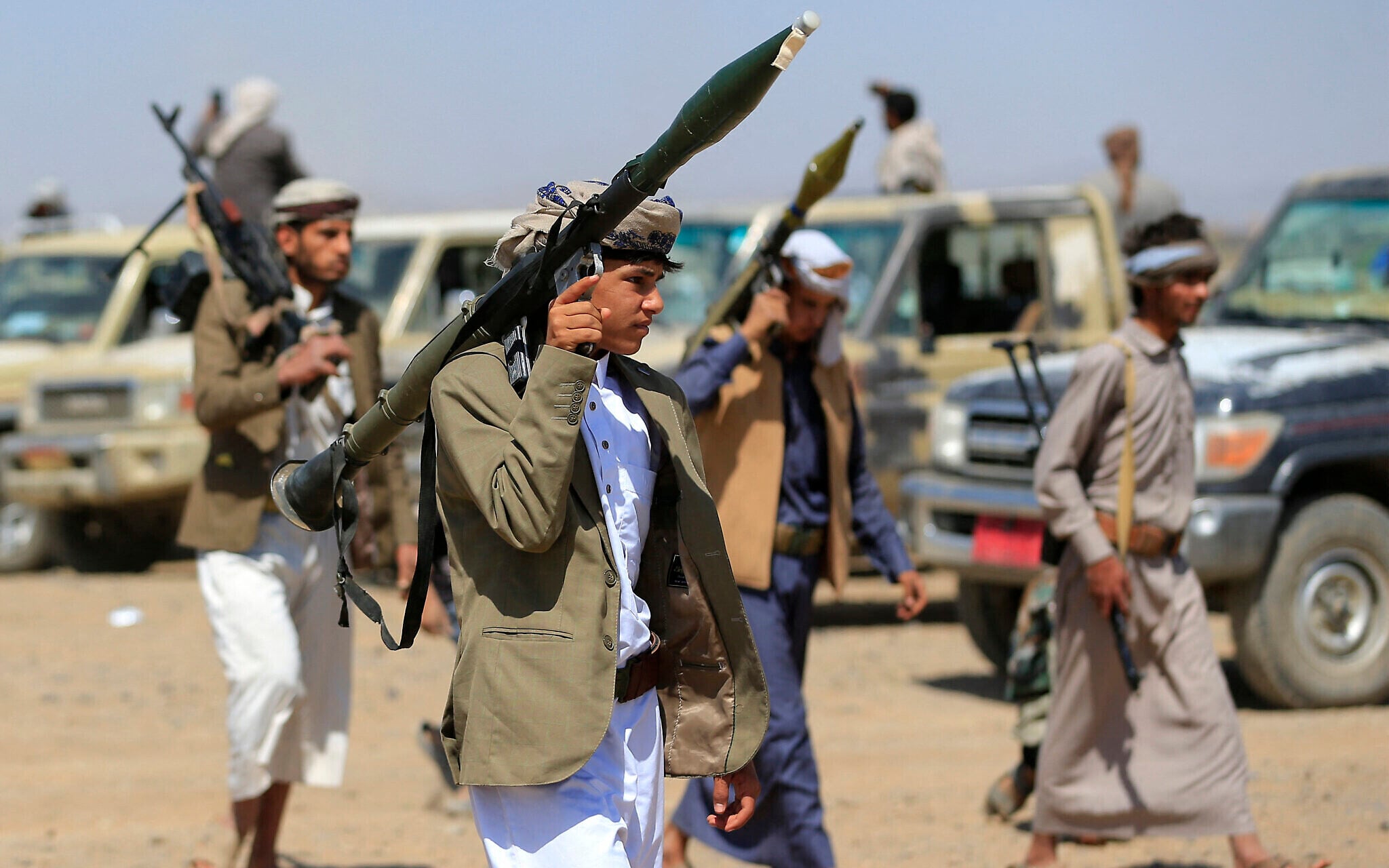
The Houthi terror group fired missiles at Saudi Arabia after an attack on the airport in Sanaa, the Houthi-held capital of Yemen, the Saudi-led coalition in Yemen says.
The Houthis shot ballistic missiles toward the kingdom’s southern region, the Saudi-led coalition says.
“Air defenses intercepted a ballistic missile threat launched by the terrorist Houthi militia towards the southern region,” coalition spokesman Turki al-Maliki says in a social media post.
The attack on the Sanaa airport targeted an Iranian plane, said Yemen’s recognized government. The Houthis, who are backed by Iran, said the plane landed.
Man lightly injured by grenade in south Tel Aviv, police say; terror not suspected
A man has been lightly injured by a grenade that went off this evening in south Tel Aviv, one of two separate explosions that occurred within a short time of each other in the city, police say.
Medics who arrived at the scene of the explosion in Kfar Shalem, a neighborhood on the city’s southeastern outskirts, took the injured man to the hospital.
The second explosion was also caused by a grenade, police say, adding that it did not result in any injuries.
Police believe the blasts are linked to criminal elements in the city and rule out suspicion of a terror attack.
Officers and bomb disposal experts from the South Tel Aviv police station are present at both crime scenes and collecting evidence.
Sara Netanyahu said pushing for increased security for next 5 years for herself, two sons
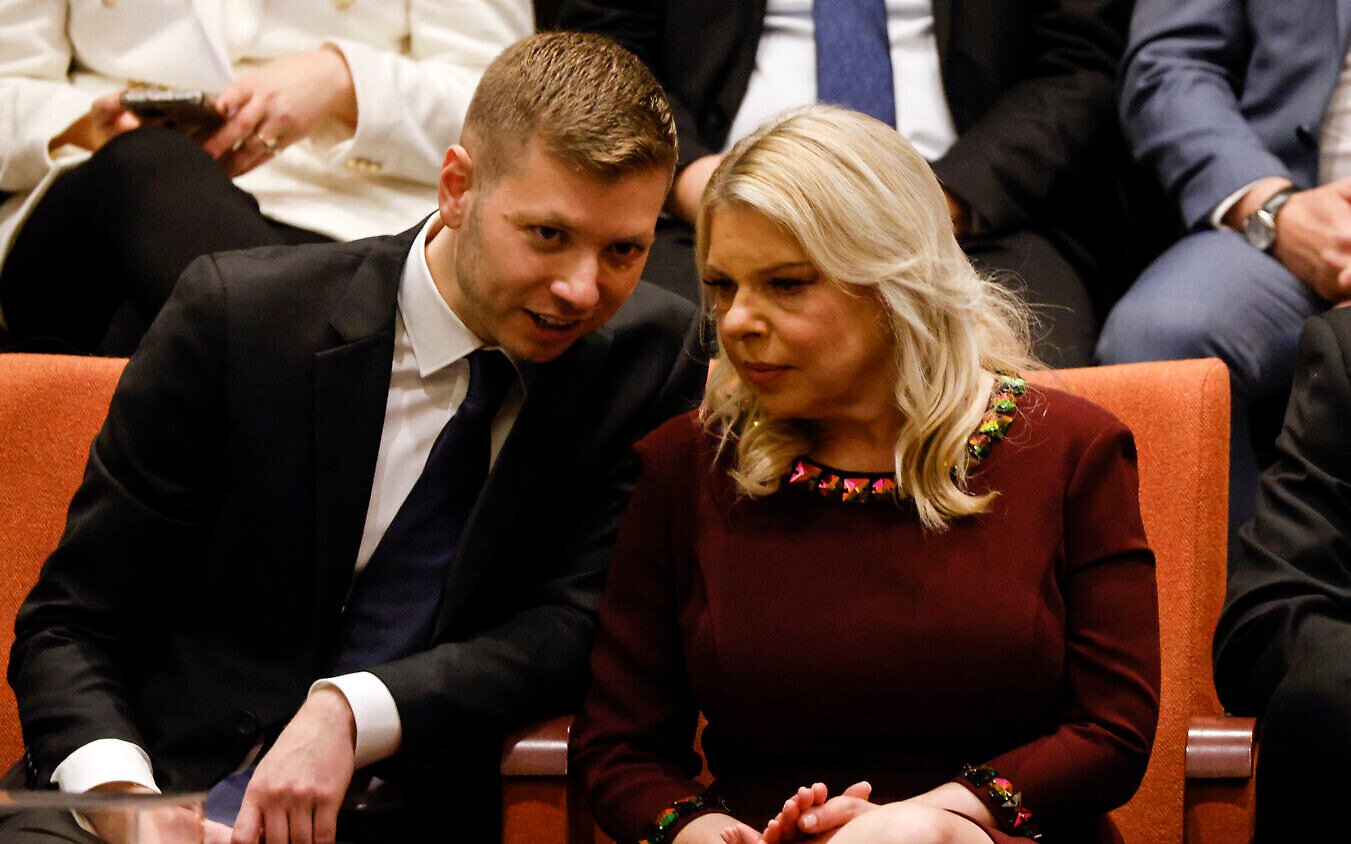
Sara Netanyahu, Prime Minister Benjamin Netanyahu’s wife, is pushing officials in the National Security Council and the Shin Bet to formally back an expansion of the security detail for her and her two sons for the next five years, Channel 12 reports.
She wants the expanded security to go into effect immediately, regardless of the results of the upcoming elections in which her husband is locked in a close campaign, according to the report.
The NSC and the Shin Bet have both refrained from offering their professional opinion on the matter for weeks, according to the outlet.
They recognize the seriousness of potential threats, according to two sources, but see no reason to set security arrangements for the next five years.
The Ministerial Committee for Shin Bet Affairs will meet tomorrow in Jerusalem to discuss the request, according to the report. The domestic intelligence agency will likely agree to increase security until the threat diminishes, without committing to a specific time frame.
The PMO denies the report.
Iran condemns attack on Yemen’s Houthi-held Sanaa airport
Iran condemns an attack on the airport in the Houthi-held Yemeni capital Sanaa, after Yemen’s internationally-recognized government said it struck the facility following a dispute over an Iranian plane carrying a delegation from the Houthi terror group, which is backed by Iran.
Iranian Foreign Ministry Spokesperson Esmaeil Baghaei describes the attack as a “clear violation of international law and the United Nations Charter, as well as an affront to Yemen’s national sovereignty and territorial integrity,” state news agency IRNA reports.
Marwan Barghouti’s family says he was injured by rubber bullet; Prison Service denies report
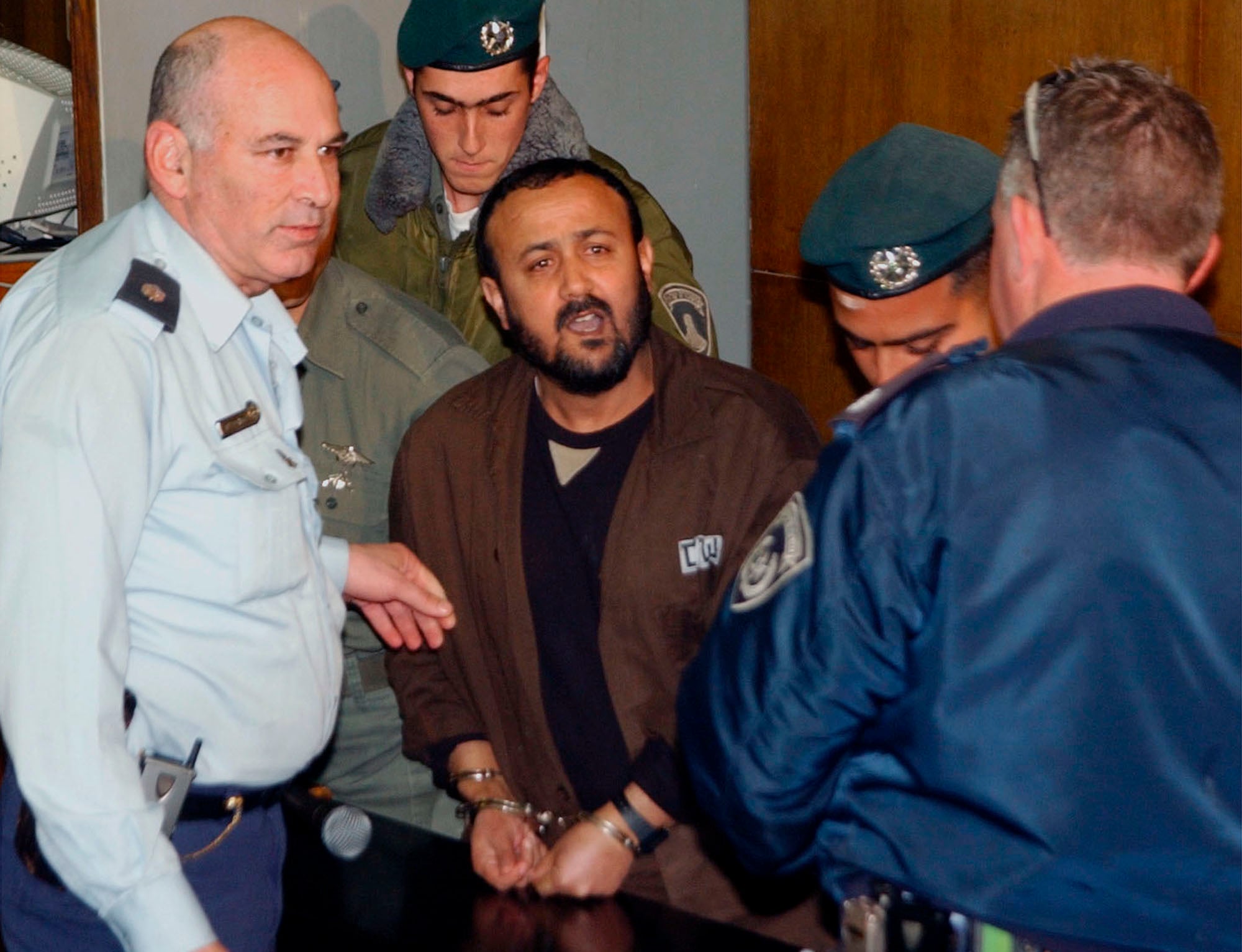
The family of imprisoned Palestinian political figure and terror convict Marwan Barghouti alleges that Israeli prison guards shot him in the leg with a rubber bullet last week, an incident denied by Israeli prison authorities.
Barghouti, a prominent figure during the Second Intifada, was convicted by an Israeli court on five counts of murder and sentenced to multiple life terms for his role in terror attacks that killed Israeli civilians. He is seen by many Palestinians as a potential successor to Palestinian Authority President Mahmoud Abbas.
“One of the prison guards fired a rubber bullet at Marwan’s leg, causing him to bleed and inflicting a painful injury,” his wife, Fadwa Barghouti, writes. “It was a yet another episode in the ongoing assaults against him.”
His son, Arab Barghouti, says the incident happened “some time last week” at Ganot prison in Israel’s Negev Desert.
He says the family learned about the incident from his father’s lawyer and that Barghouti had not received medical treatment for the injury.
In a letter to the prison service, Barghouti’s lawyer, Israeli civil rights attorney Avigdor Feldman, says his client had “complained that he had been shot in the leg,” when the two spoke during his last visit.
AFP has reviewed a copy of the letter.
Israel Prison Service dismisses the allegation.
“The allegation described is false and entirely without factual basis,” it says. “The Israel Prison Service operates in accordance with the law and under constant judicial oversight.”
In October 2025, Arab Barghouti said Israeli prison guards had severely beaten his father during a prison transfer the previous month, leaving him with four broken ribs and head injuries.
In August, a video shared on social media showed far-right National Security Minister Itamar Ben Gvir threatening a physically weak Barghouti inside a jail.
Yesterday, the Arab League called for an international commission of inquiry into what it said were “repeated assaults” on Barghouti.
US to begin enforcing maritime blockade on Iran tomorrow
The American military says it will resume its naval blockade on Iran starting tomorrow late at night local time, on the orders of US President Donald Trump.
In a statement, the US Central Command says its forces “will resume blockading maritime traffic entering and exiting Iranian ports on July 14 at 4 p.m. ET” (11 p.m. Israel time and 11:30 p.m. Iran time).
“CENTCOM forces will enforce the blockade against vessels transiting to or from Iranian ports and coastal areas,” the statement continues.
The US military says it will continue to enable traffic through the Strait of Hormuz and other waters “for all vessels not violating the blockade.”
Shipping through the narrow mouth of the Persian Gulf has been disrupted since the start of the war as Iran has maintained a chokehold on it by attacking commercial vessels around it, intimidating shippers.
The US previously maintained a naval blockade against Iran during much of the war’s early months, between April 13 and June 18.
Investigation into senior IDF officer over Bild leak affair dropped
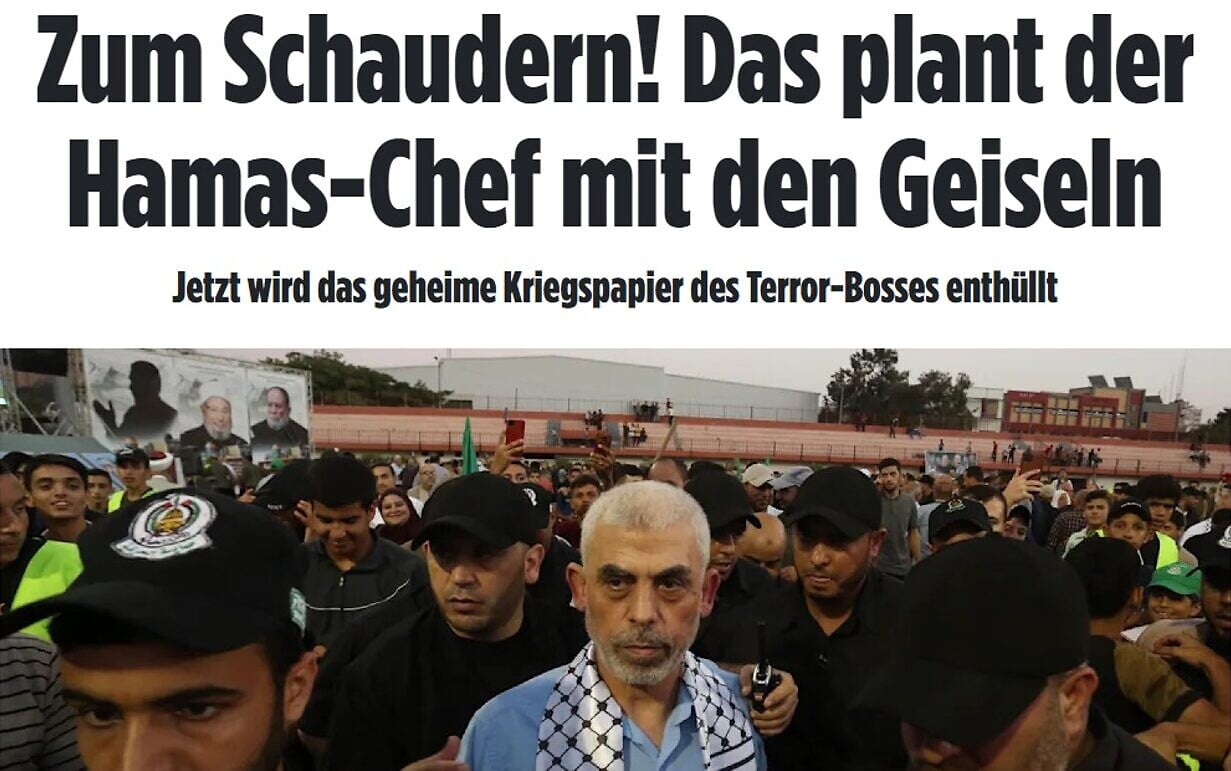
A criminal investigation into a senior IDF officer who was suspected of passing information to the Prime Minister’s Office about the investigation into a leak of classified documents to the Bild newspaper has been closed, Haaretz reports.
The officer was questioned by police over suspicions he informed an official in the Prime Minister’s Office about the investigation into the Bild leak.
He was questioned after allegations emerged that Prime Minister Benjamin Netanyahu’s then-chief of staff Tzachi Braverman informed Netanyahu’s former military spokesperson Eli Feldstein that there was an investigation into the leak.
According to the Haaretz report, the police did not have concrete evidence against the officer and only questioned him because he knew of the existence of the Bild investigation.
His phone is still being held by the police due to messages between the officer and Braverman, who is set to be indicted for obstruction of justice over the affair.
‘POTUS is absolutely right’: Iran’s FM mocks Trump over tolls for Hormuz passage
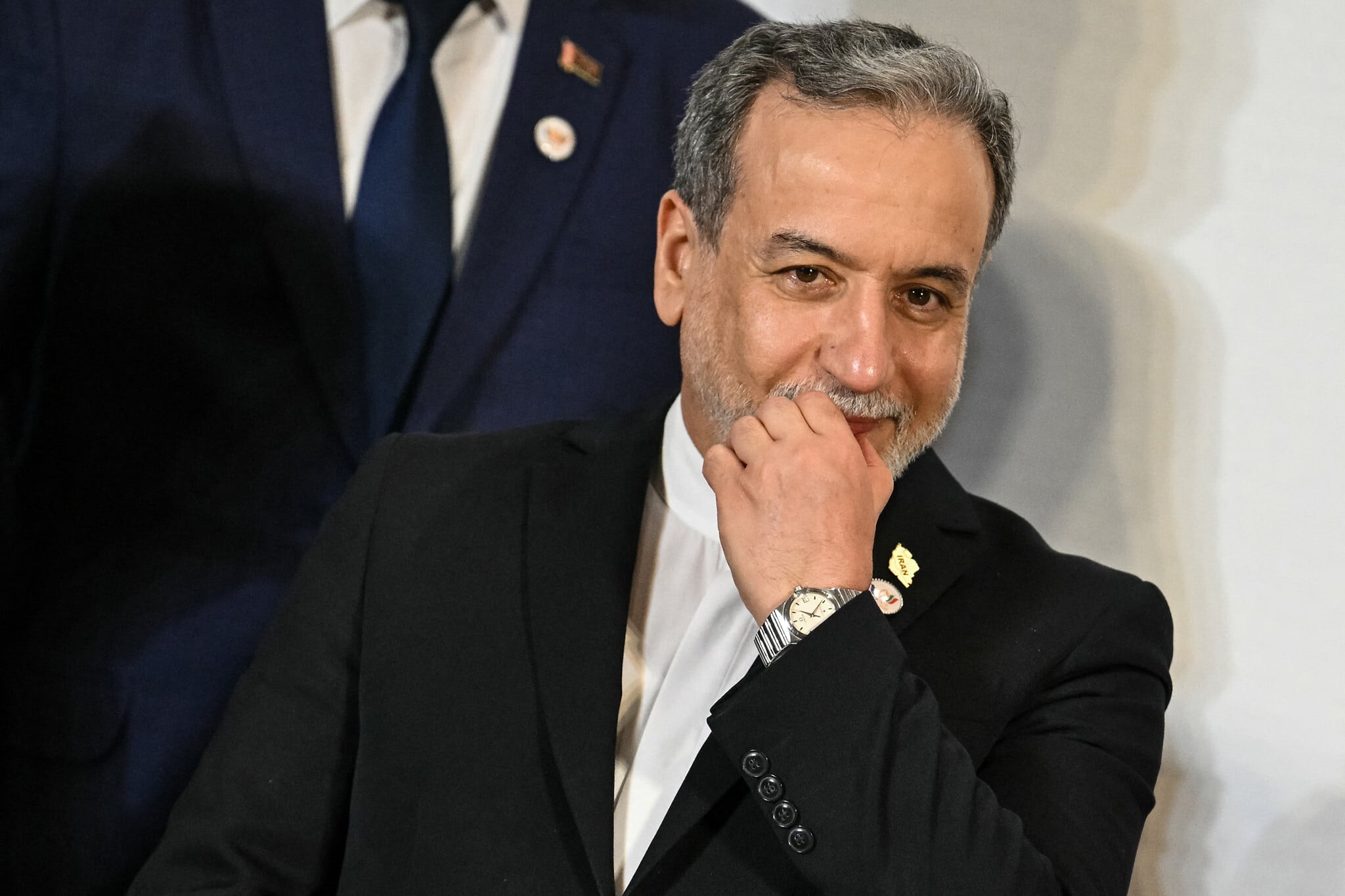
Iranian Foreign Minister Abbas Araghchi mocks US President Donald Trump over his vow to impose hefty charges on all cargo shipped through the Strait of Hormuz, saying Iran would charge a lower rate.
“POTUS is absolutely right. Whoever provides secure and safe passage of commercial vessels through the Strait of Hormuz should be compensated for this service. Iran has always been the GUARDIAN of the Strait and will remain so FOREVER. 20% is of course too much. We will be fair,” Tehran’s top diplomat writes on social media.
Opposition leaders urge coalition MKs to reject bills backed by Haredim
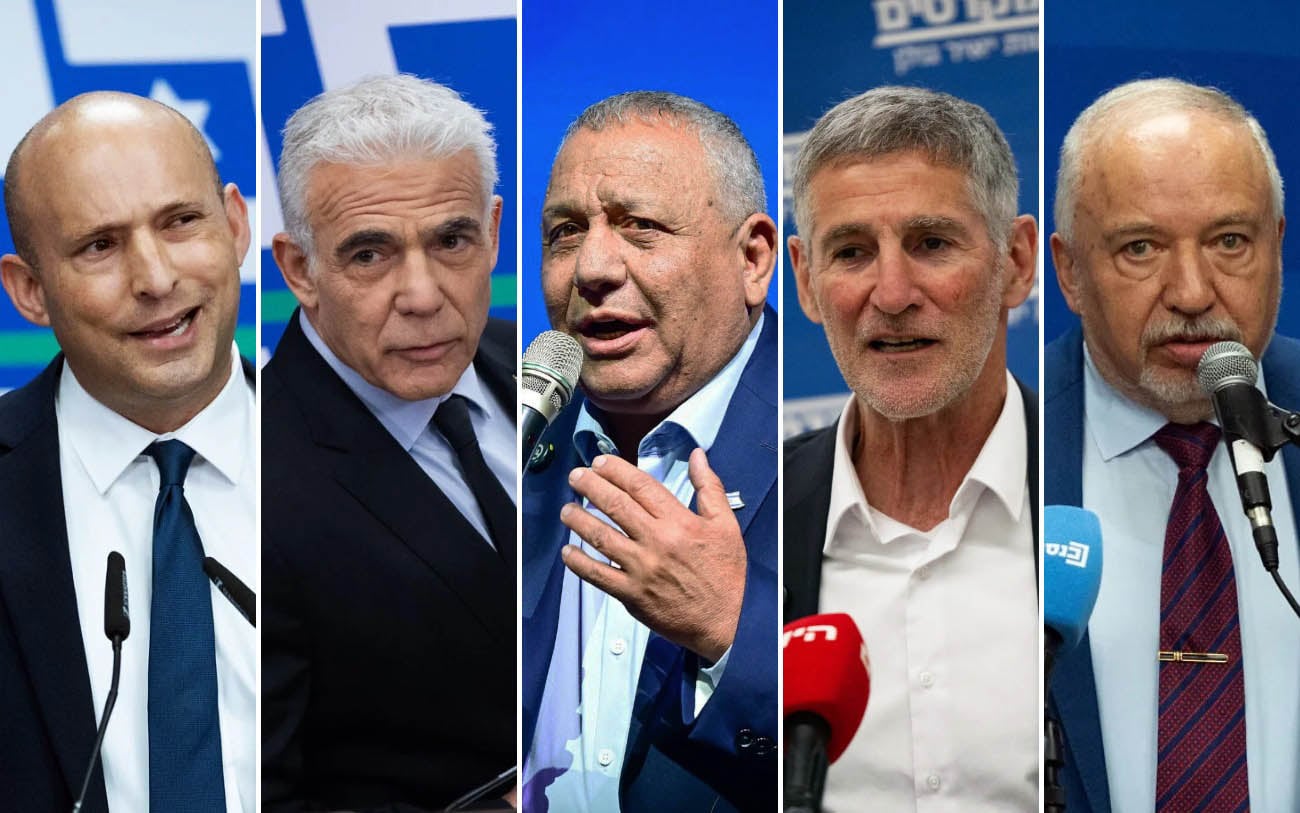
Opposition leaders issue a rare joint statement calling on coalition lawmakers to vote against controversial legislation meant to benefit Haredi parties that they say will undermine the military during wartime.
In a legislative blitz this week, the coalition is aiming to pass a raft of measures backed by Shas and United Torah Judaism, Prime Minister Benjamin Netanyahu’s Haredi coalition partners. Among the bills is one that would freeze enforcement of IDF conscription orders for Haredi men for seven months, and another, a proposed quasi-constitutional Basic Law, that would enshrine Torah study as a national value of Israel.
Earlier today, IDF Chief Eyal Zamir sent a letter warning against the seven-month freeze.
The legislation is part of a broader effort to preserve blanket military service exemptions for ultra-Orthodox men.
“We call on coalition members to act responsibly and not vote in favor of seriously harming the IDF during a war, in defiance of the IDF chief of staff’s dramatic warning,” the statement reads.
“Those who support the draft-evasion law will forever bear the shame of that vote in the eyes of the citizens of Israel who serve and work,” the opposition leaders add.
The statement is signed by Opposition Leader Yair Lapid, Yashar chair Gadi Eisenkot, former prime minister Naftali Bennett who leads the Together list, Yisrael Beytenu chief Avigdor Liberman, Democrats chairman Yair Golan, and former Blue and White MK Chili Tropper and Yoaz Hendel’s Reservists party.
Notably absent is Benny Gantz’s Blue and White party, which has broken with the rest of the opposition by refusing to rule out joining a future government led by Prime Minister Benjamin Netanyahu. Gantz has also declined to explicitly state whether he would serve in a coalition with the ultra-Orthodox parties.
But Gantz issues his own statement against the proposed Basic Law, saying it harms the value of mutual responsibility in Israel.
“Torah study is an important and central value for the Jewish people, but the State of Israel must ensure that the value of service and defending our shared home will be protected,” wrote Gantz, a former IDF chief and defense minister. “There are no rights without responsibility, and no responsibility is placed only on part of the public.”
Houthis say they targeted southern Saudi airport in retaliation for Sanaa attack
Yemen’s Iran-backed Houthi terror group says it targeted Saudi Arabia’s Abha airport in retaliation for strikes on Sanaa airport that they blame on the kingdom — though the Riyadh-backed Yemeni government claimed those attacks.
“In response to this criminal Saudi aggression, the Yemeni Armed Forces carried out a military operation targeting Abha International Airport, using a number of ballistic missiles and unmanned aerial vehicles,” Houthi military spokesman Yahya Saree says in a video statement.
He also warns “all airlines against overflying the airspace of the Kingdom of Saudi Arabia and stress[es] that these warnings should be taken seriously until the blockade on Sanaa International Airport is lifted.”
Knesset passes quasi-constitutional Basic Law declaring Torah study foundational value of Israel
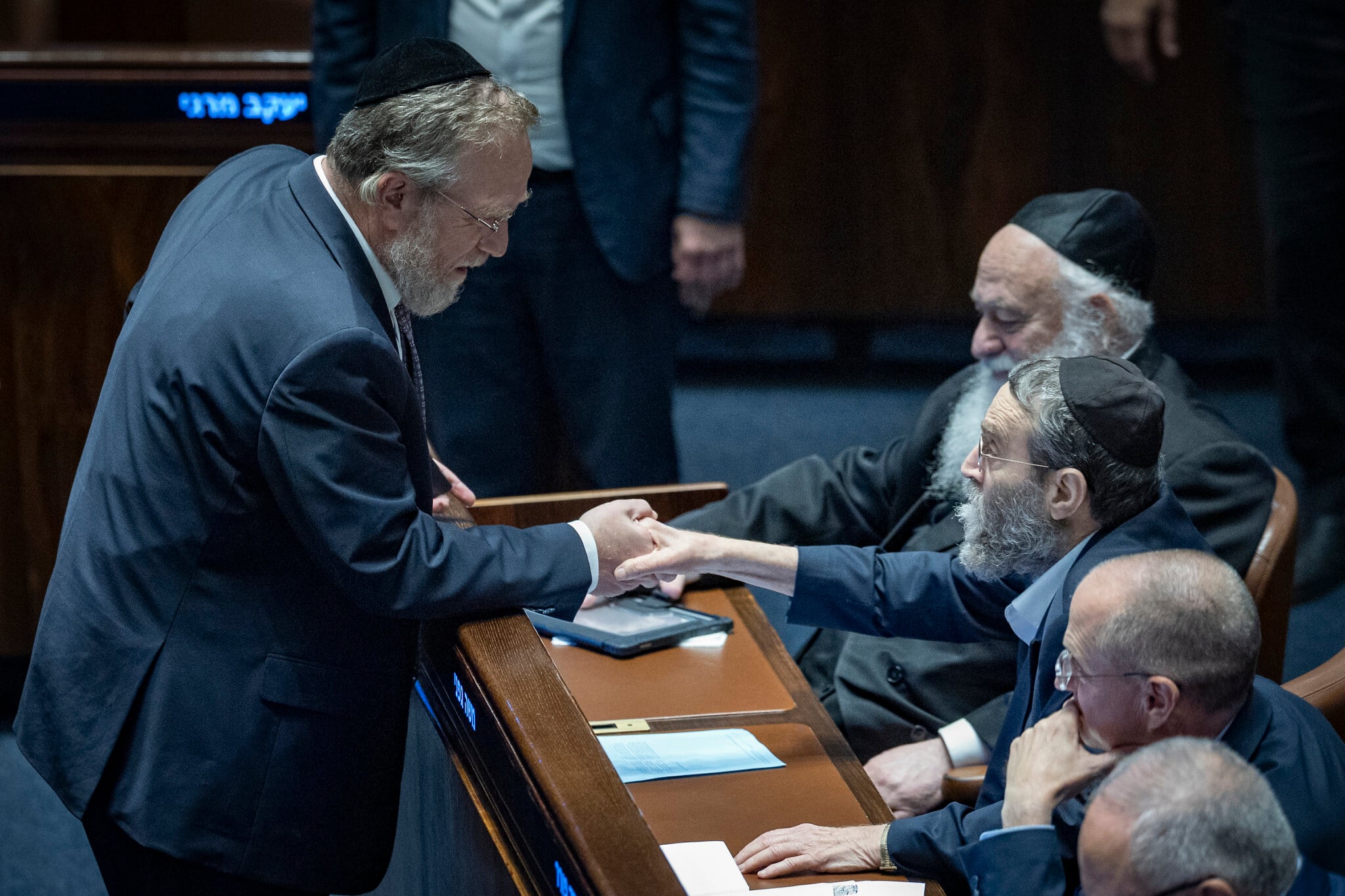
The Knesset votes 63-52 to pass a highly controversial, quasi-constitutional Basic Law declaring Torah study a “foundational value” of the Jewish people and the State of Israel, a step pushed by Haredi lawmakers and decried by the opposition as a blow to efforts to draft ultra-Orthodox men.
The law passes following nearly 10 hours of speeches and opposition filibustering, and despite fierce opposition from the opposition, legal officials, reservists, and some coalition lawmakers.
The legislation makes Torah study the only value explicitly enshrined in one of Israel’s quasi-constitutional Basic Laws, which act in place of a written constitution. Haredi parties have pushed to pass the law as part of their broader effort to preserve blanket military service exemptions for ultra-Orthodox men, while opponents argue it effectively elevates Torah study above all other national values and will weaken efforts to penalize yeshiva students who disobey draft orders.
Efforts to draft Haredi men, and ultra-Orthodox resistance to that effort, has sparked a fierce debate in Israeli society and the halls of the Knesset, especially as the IDF has warned repeatedly that it faces an urgent manpower shortage.
“Today, a historic step has been taken in the State of Israel,” says United Torah Judaism MK Moshe Gafni, who co-sponsored the bill. “This Basic Law will serve as the state’s moral compass and express the recognition that Torah study is not merely the heritage of the past, but the foundation upon which the present and future of the Jewish people in their land rest.”
Shas chair Aryeh Deri celebrates the win, saying, “This is a victory for the world of Torah and a clear answer to the ousted attorney general and everyone who sought to persecute and humiliate yeshiva students. You will not succeed in breaking the Jewish spirit. The holy Torah will prevail!”
(Attorney General Gali Baharav-Miara was fired by the coalition in a vote later struck down in court.)
Likud MKs Yuli Edelstein and Dan Illouz voted against the legislation. Both have long opposed the bill and recently announced they are leaving Likud over the issue. Prime Minister Benjamin Netanyahu was absent for the vote.
While the final version of the legislation no longer explicitly equates Torah study with military service, following pressure from Likud, opponents argue that, even in its pared-down form, the law grants constitutional recognition to Torah study alone, elevating it above other national values, while tens of thousands of reservists continue to serve during the ongoing war.
The legislation is the first of several contentious measures expected to advance this week under an agreement between Netanyahu and the ultra-Orthodox parties, which are backing coalition bills curbing the powers of the attorney general and establishing a government-appointed commission to investigate the failures surrounding Hamas’s October 7, 2023, attack in exchange for legislation benefiting the Haredi community.
Petition filed against Basic Law enshrining Torah study as national value, says it seeks to enable Haredim to evade IDF service
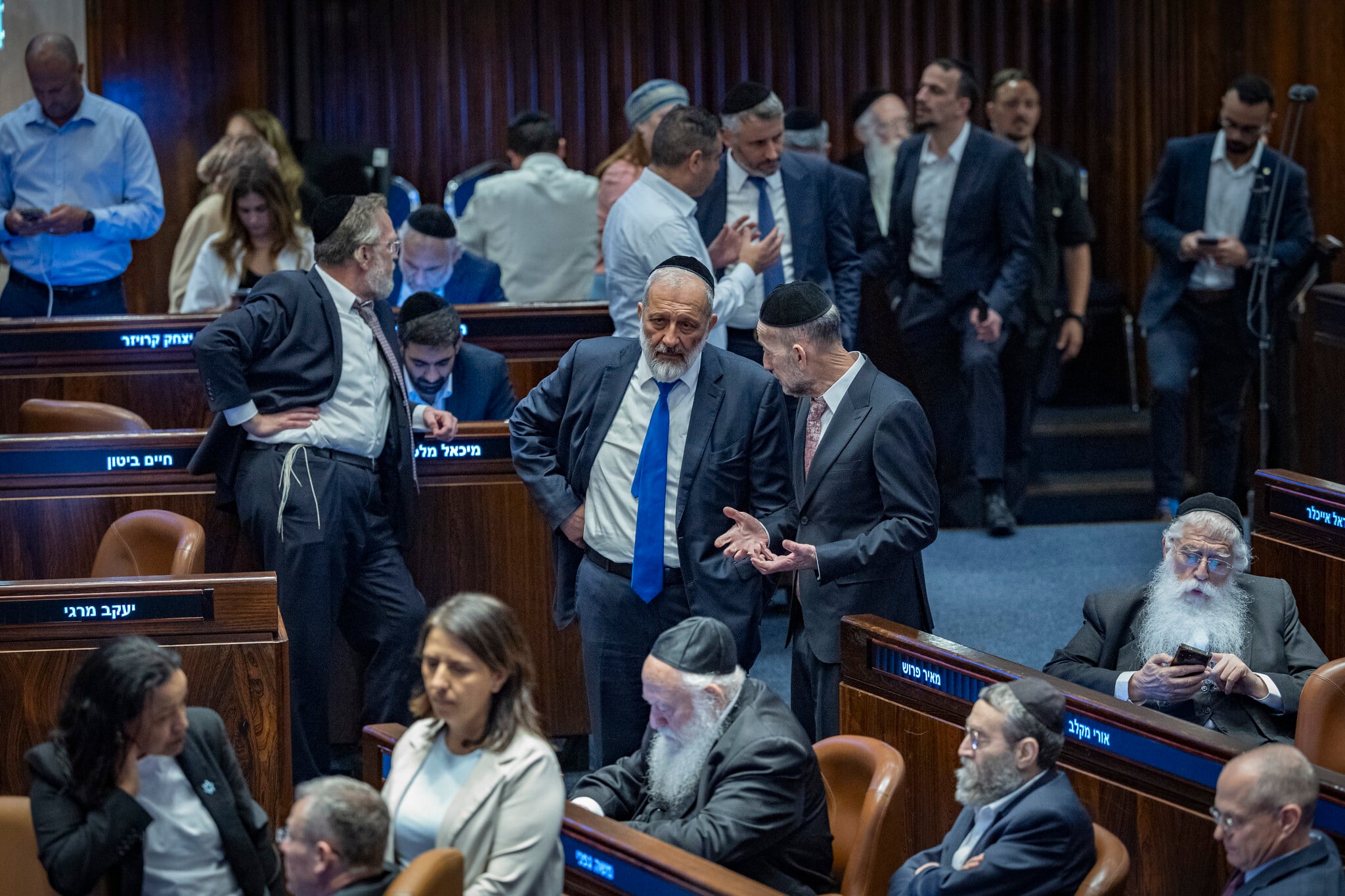
The Movement for Quality Government in Israel says it has filed a petition to the High Court of Justice against the just-passed Basic Law enshrining Torah study as national value, describing the measure as an effort to “embed draft evasion and military service exemptions into Israel’s Basic Laws” in order to circumvent High Court rulings.
The High Court in 2017 struck down a law granting mass military service exemptions to ultra-Orthodox yeshiva students as a violation of the right to equality, and in 2024 ruled that ultra-Orthodox men were obligated to enlist to the IDF.
“The purpose of the law is to give the court a ‘counterweight’ to the principle of equality, thereby paving the way for future [military service] exemptions and benefits for draft-dodgers — at a time when combat soldiers and reservists are buckling under the burden,” the Movement for Quality Government says in a statement to the press.
“This Basic Law was born out of a political deal, rushed through the legislative process without genuine public debate, and, above all, seeks to institutionalize permanent discrimination between one citizen’s blood and another’s. It will not withstand scrutiny by the High Court,” the organization adds.
Lawmakers demand Pentagon release findings from probe of Iran school strike
Democratic US senators, led by New York’s Kirsten Gillibrand, call for US President Donald Trump’s administration to disclose within the next week the findings from a US military investigation into a February 28 strike at a girls’ school in Iran.
Reuters first reported on March 5 that an initial, internal US military investigation showed that US forces were likely responsible for the fatal strike in Minab, on the opening day of the US-Israeli war with Iran.
The group of more than two dozen US senators, including the top Democrat on the Senate Armed Services Committee, Jack Reed, request the US military finalize its investigation, brief Congress and present a plan to ensure that such a mistake does not happen again.
“There is no justification for withholding an unclassified accounting of what happened, what went wrong, and what the department is doing to prevent recurrence,” the letter says.
Asked for comment, a Pentagon official tells Reuters: “The investigation is ongoing. We do not have any updates to announce at this time.”
The strike killed more than 175 children and teachers, Iranian officials say. The lawmakers’ letter notes that would make it the US military’s largest civilian casualty incident since 1991, when it mistakenly bombed a shelter in Iraq, killing more than 400 civilians.
Archived copies of the Iranian school’s official website show the school is adjacent to a compound operated by the Islamic Revolutionary Guard Corps, the elite military force that reports to Iran’s supreme leader.
Reuters, citing sources familiar with the matter, has reported that US officials responsible for creating targeting packages appeared to have used out-of-date intelligence.
Iranian officials have pointed to the strike on the school as a US war crime. The US has said it never intentionally targets civilians.
In the letter, the lawmakers ask Cooper and US Defense Secretary Pete Hegseth to submit an unclassified version of the findings to Congress and the US public. They also ask for a prevention and remediation plan “that identifies the specific corrective actions the department will take to ensure this does not happen again.”
Settler activists again try to breach Syrian border, are detained by IDF
Several Israeli settler activists again attempted to illegally cross the border into Syria in the southern Golan Heights a short while ago.
The military says troops stationed in the area prevented the civilians from crossing the border and detained them. They were then handed over to the police for further questioning.
“The IDF strongly condemns this incident, which follows several similar incidents in recent days, and emphasizes that such actions constitute a criminal offense that endangers civilians,” the military says.
The IDF says the actions of the settler activists “disrupt IDF operational activities and the security in the area, and divert the attention of commanders and soldiers from their mission.”
“The IDF expects law enforcement authorities to bring those involved to justice and to act decisively to prevent such incidents,” the army adds.
The activists, who call themselves the Bashan Pioneers, have attempted to enter Syria multiple times in the past year, while calling to establish settlements in the area. They have received support from coalition lawmakers.
Four blasts heard east of Iran’s Bandar Abbas, state media says
At least four explosions are heard east of Iran’s Bandar Abbas, which sits on the Strait of Hormuz, Iranian state media report, citing a reporter in the port city’s province.
“An IRNA reporter in Hormozgan province reported hearing four explosions east of Bandar Abbas. According to him, the nature of these explosions has not yet been determined by official authorities,” news agency IRNA reports.
Poll shows Eisenkot with significant lead over Netanyahu for PM; Knesset blocs static
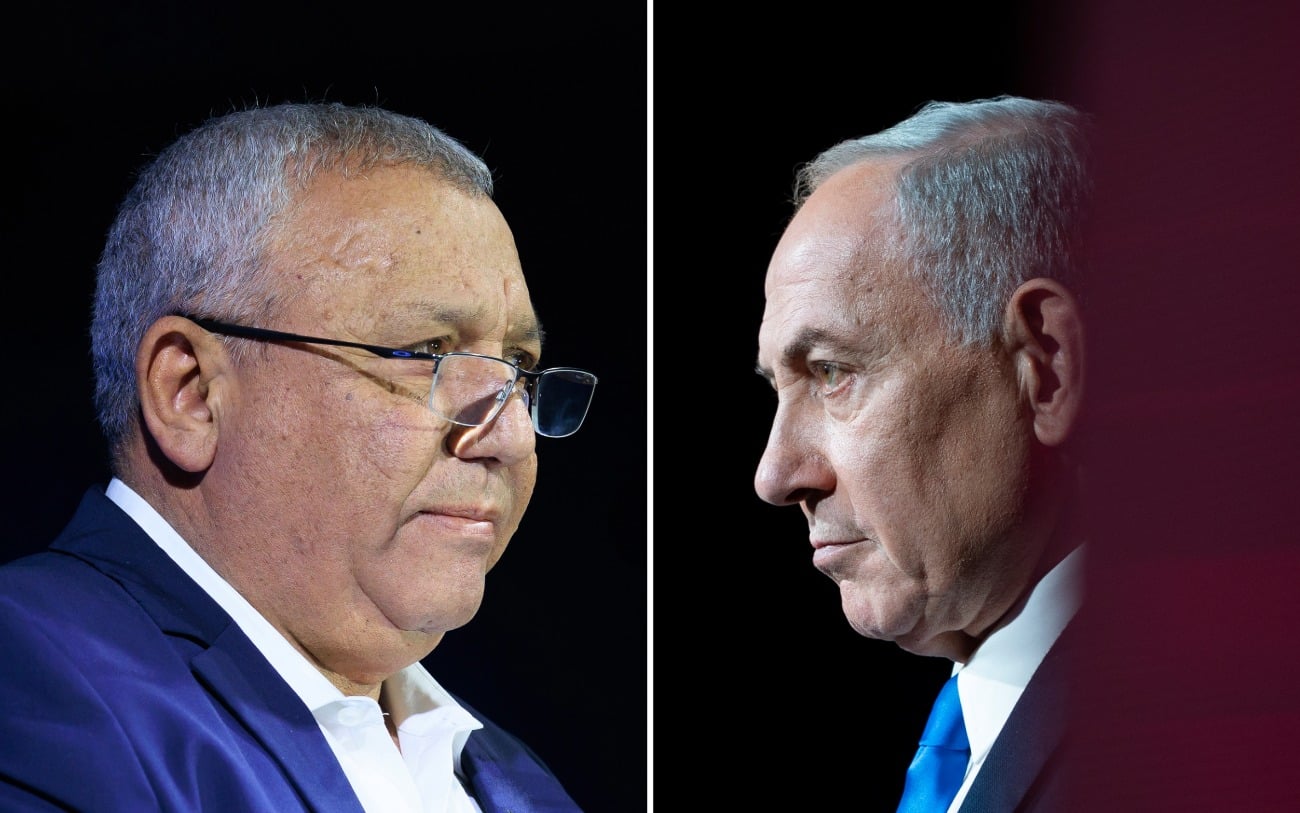
A poll by Channel 12 shows Prime Minister Benjamin Netanyahu trailing his foremost challenger, Gadi Eisenkot, by a significant margin, with 43% of Israeli voters saying they prefer Eisenkot as prime minister, versus 34% for the sitting premier.
Israel does not, however, hold a direct vote for prime minister, and the channel’s survey ahead of the October 27 Knesset election shows the pro- and anti-Netanyahu blocs in the same position they have been in for months. The anti-Netanyahu bloc would win 59 seats in the 120-seat Knesset, short of a 61-seat majority, while the pro-Netanyahu bloc would win 51. Arab parties, which have largely not joined Israel’s coalition governments, would win the remaining 10 seats.
But Eisenkot’s lead over Netanyahu in the poll asking who is better suited to lead the country demonstrates the prime minister’s declining popularity while also showing that Eisenkot, a former IDF chief of staff, is cementing his position as the leader of the anti-Netanyahu camp.
Another candidate who seeks to replace Netanyahu, former prime minister Naftali Bennett, garners 35% in a head-to-head poll with the premier, who takes 37%.
The poll of parties finds that Eisenkot’s Yashar would win the most seats, 23, followed by Netanyahu’s Likud at 22. Bennett’s center-right opposition party, Together, would win 16.
The left-wing Democrats and hawkish Yisrael Beytenu, both anti-Netanyahu, would each win 10 seats. The Haredi Shas and United Torah Judaism parties, as well as the far-right Otzma Yehudit, all pro-Netanyahu, would win eight each, according to the poll. Rounding out the pro-Netanyahu camp, the far-right Religious Zionism party would win five seats. The two Arab parties, Hadash-Ta’al and Ra’am, would also each win five.
A few additional center-right factions would fall short of entering the Knesset, the poll shows.
Another poll by Channel 12 finds that 38% of voters moved to the right after the Hamas-led October 7, 2023, attack, while 49% report no change in their political leanings. Seven percent say they moved to the left.
Church of England backs study of Palestinian Christian document accusing Israel of genocide

The Church of England’s legislative body votes to encourage churches across England to engage with a document produced by Palestinian Christians that accuses Israel of genocide, despite requests from Jewish organizations and Britain’s chief rabbi to reject it.
The document is titled “Moment of Truth: Faith in a Time of Genocide” and is also known as Kairos II, after the Palestinian Christian movement Kairos Palestine that produced it. It describes Israel’s military campaign in Gaza following the Hamas-led October 7, 2023, attack as a genocide, states that Israel is a “colonial enterprise built on racism,” and says decades of “occupation,” “apartheid” and “settler colonialism” are at the heart of the Israeli-Palestinian conflict.
The vote does not adopt the accusations as church doctrine but says the church should hear the documents as “heartfelt expressions of the lived experience of Palestinian Christians,” and to engage with them in order to better understand the conflict.
Ahead of the debate in York, several Jewish organizations expressed concerns, and Chief Rabbi Sir Ephraim Mirvis asked members to reject the amendment. Mirvis called Kairos II “deeply concerning” and that it “risks undermining decades of careful relationship-building” between Christians and Jews.
“It is truly shocking that a document which purports to speak in the name of truth contains so much falsehood,” he said.
Afterward, Phil Rosenberg, president of the Board of Deputies of British Jews, an umbrella Jewish organization, issues a statement calling the passage of the motion “highly problematic.”
“Kairos Palestine may come from a place of genuine pain, but the falsehoods and distortions of Kairos II, including its erasure of Jewish identity and experience, is a prescription for more division and not the answer to conflict in the Middle East,” he says.
The Archbishop of Canterbury, Sarah Mullally, acknowledges both sides in a speech opening the debate at the Synod.
“This document reflects the pain and trauma of the Palestinian people. As a pastor, I hear the cry of our Palestinian Christian sisters and brothers — a cry that rises from the ruins of Gaza, and from the violence and oppression of the West Bank,” she says.
She adds, ”I also hear the concerns of the chief rabbi, the co-leads of the Movement for Progressive Judaism, and the Board of Deputies, and I thank them for their honesty.” She says the church remains opposed to antisemitism and committed to safety for Israelis as well as Palestinians.
Darline Graham Nordone, sister of Lindsey Graham, chosen to fulfill rest of his Senate term

Lindsey Graham’s sister, Darline Graham Nordone, is named as her late brother’s temporary replacement in the US Senate after his unexpected death over the weekend.
South Carolina Gov. Henry McMaster announces at a news conference at the statehouse that Nordone will serve the remaining months on Graham’s current term, which expires in January.
A person familiar with the appointment process but not authorized to speak about it publicly says Nordone will be sworn in Wednesday. She will be the first woman to represent the state in the US Senate.
“It is such an honor,” Nordone says, as dozens of Graham staffers and campaign advisers stand behind her, some with eyes glassy from welling tears. “Lindsey has always been there for me. And now, I will be there for him.”
Graham died on Saturday night at age 71. He never married or had a family of his own, but Nordone was often by her brother’s side for the political touch points of his career, speaking at events and appearing in some of his campaign ads.
Introducing Nordone, McMaster says the two had spoken in “in the wee hours of Sunday morning” after Graham’s death, and he asked her to serve.
“I had wondered what you would say, and I was humbled by your quickness to see the duty that you had to serve,” McMaster says. He adds that US President Donald Trump “thought it was a great idea” when he later told him of his pick. Trump announced his support for Nardone to fill the seat earlier Monday.
A special election will be held next month to pick a new Republican nominee in the general election for Graham’s seat in the deep red state.
Zamir announces round of senior IDF appointments
IDF Chief of Staff Lt. Gen. Eyal Zamir announces a round of senior appointments in the military, which are pending the approval of Defense Minister Israel Katz.
The latest list includes 18 new brigadier generals and one new colonel, alongside nine brigadier generals who have been moved to new positions at the same rank.
Another three senior officers are being sent to academic studies between roles.
Trump vows to hit Iran hard today and tomorrow, praises relationship with Netanyahu
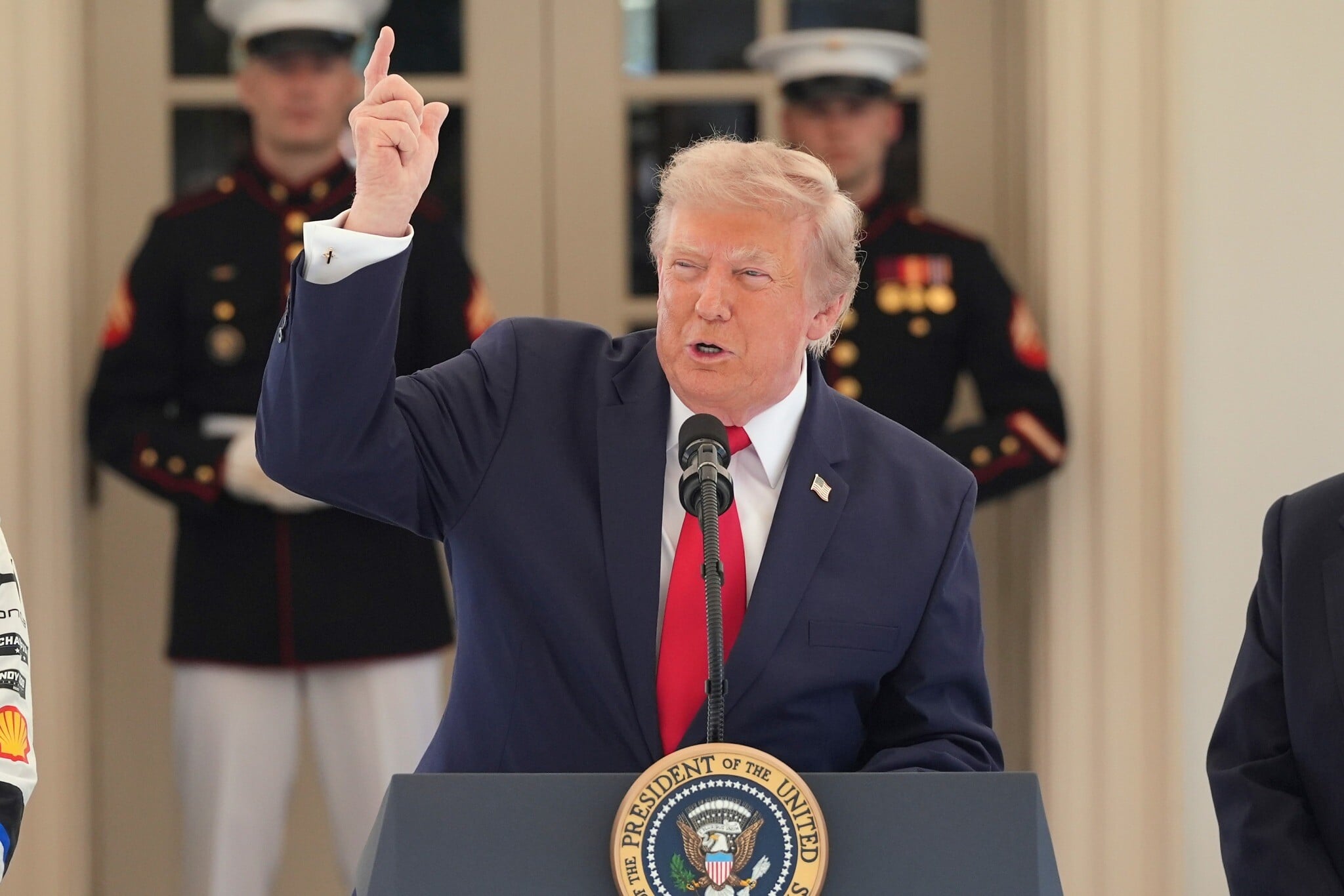
US President Donald Trump declares that the US will strike Iran hard tonight and tomorrow, as the conflict over control of the Strait of Hormuz appears to spiral out of control.
“We’re going to hit them very hard tonight and we’re going to hit them hard tomorrow — and there’s not a damn thing they can do about it,” he says in an interview with conservative talk show host Hugh Hewitt. “They have nothing. They have nothing going other than they have big mouths.”
Trump downplays the importance of the memorandum of understanding that he signed last month with Iran to permanently end the war between the two countries, saying it was just a “test” which did not mean very much because the US is dealing with dishonorable “sleaze bags” who did not adhere to its terms. Tehran lodges the same accusation at the US, arguing that the MOU did acknowledge its control over the Strait of Hormuz, legitimizing its demand that ships crossing through the channel follow its rules.
Asked about his pledges to help Iranian anti-regime protesters and whether they should return to the streets, Trump cautions against the idea, given that the unarmed demonstrators are no match for the regime gunmen cracking down against them.
He claims that he never thought a popular uprising against the regime was possible, even though he declared in a speech on the first day of the war that Iran’s people should take over their government once the bombing subsides.
Asked to respond to claims by Israeli journalists that he has thrown Prime Minister Benjamin Netanyahu under the bus through the MOU, the terms of which have sparked profound concern in Israel, Trump insists that is not the case, claiming that he gets along with the Israeli premier very well.
“Sometimes I disagree with him, and I let it be known, and I’ve been right,” Trump says, before reiterating that Netanyahu has done a good job as a “wartime prime minister” and that Israel would not exist today if the two of them were not in power.
Asked, with Israeli elections approaching, whether someone in Israel could do a better job than Netanyahu, Trump says he does not know most of the alternatives, but that he has a good relationship with Netanyahu.
Pressed on whether he should greenlight resumed Israeli conflicts Hamas and Hezbollah, Trump claims the US has made a “lot of progress” toward getting Hamas to disarm and again touts the terror group for helping recover the bodies of slain Israeli hostages.
Trump weighs ordering ‘big fat shot’ on Iran’s Pickaxe Mountain nuclear site
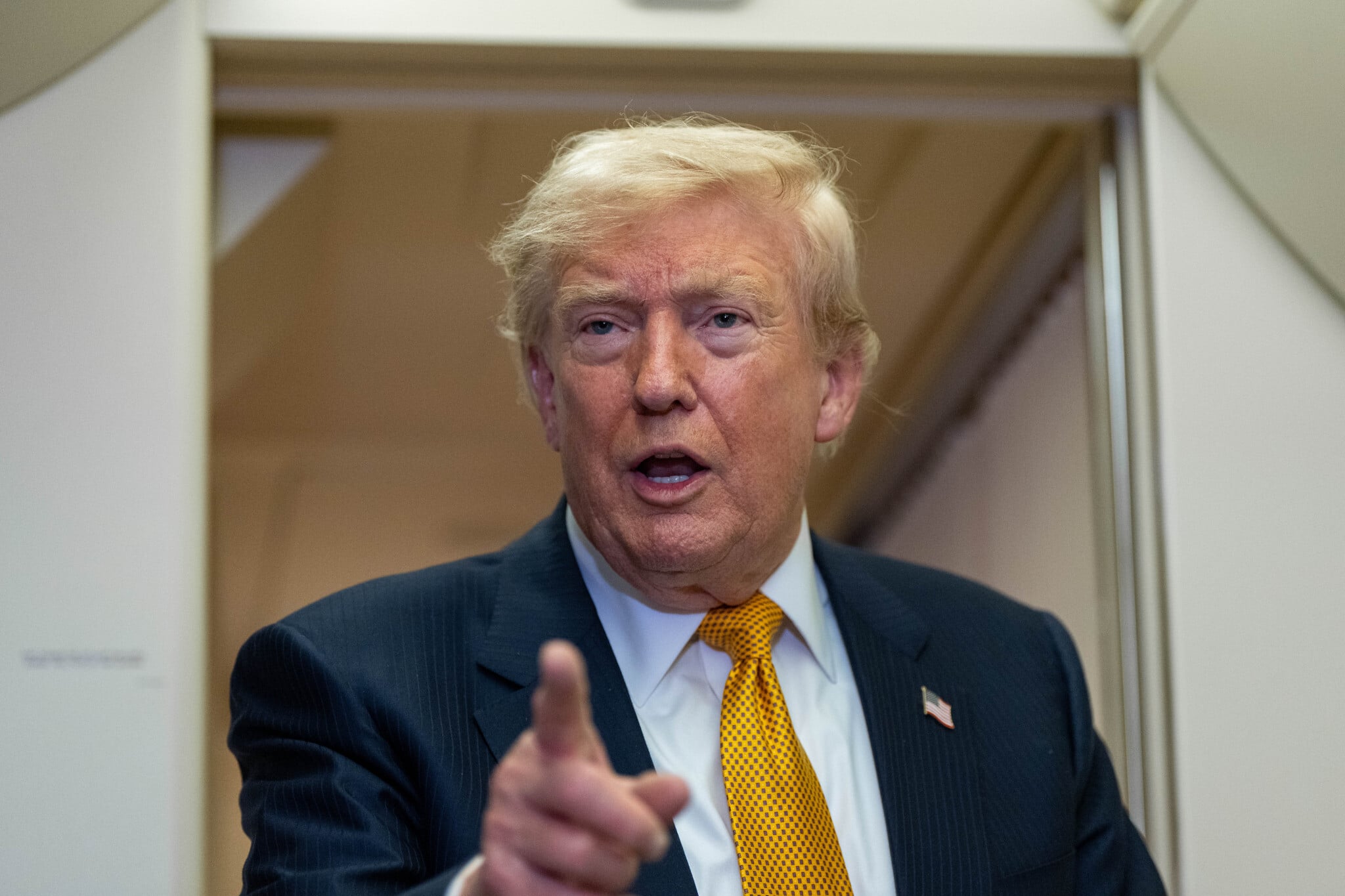
US President Donald Trump says he will probably soon order a strike on the Pickaxe Mountain Iranian nuclear site.
Asked about the site, which was not among the three targeted by the US last year, Trump tells conservative talk show host Hugh Hewitt that the US has been closely surveilling it.
“Pickaxe is a possible target for a nice big fat shot right near the front door,” Trump says.
“We see no activity there. They’re not doing well with their nuclear situation… We’ll probably give Pickaxe a shot relatively soon,” he adds.
CNN reported on Saturday that satellite imagery shows Iran may be trying to rebuild its nuclear facilities. It said the images show trucks going in and out of the facility at Pickaxe Mountain.