

 From the Liveblog of
Sunday, February 6, 2022
From the Liveblog of
Sunday, February 6, 2022
Ukraine says diplomatic solution more likely than Russian attack
 Add ToI as a Preferred Source on Google
Ukraine’s presidency insists the chance of resolving soaring tensions with Russia through diplomacy remained greater than that of an attack, as the US warns that Moscow is stepping up preparations for an invasion.
“An honest assessment of the situation suggests that the chance of finding a diplomatic solution for de-escalation is still substantially higher than the threat of further escalation,” says presidency adviser Mykhailo Podolyak in a statement.
Podolyak says Russia has been conducting large-scale troop rotations, maneuvers and weapon deployments on a regular basis “to ensure constant massive psychological pressure” since massing forces at Ukraine’s border last spring.
“For our intelligence service and our armed forces, this Russian activity comes as absolutely no surprise,” he says.
Podolyak points out that Ukraine’s Western backers received “a significant amount” of their intelligence about Russian activities from Kyiv.
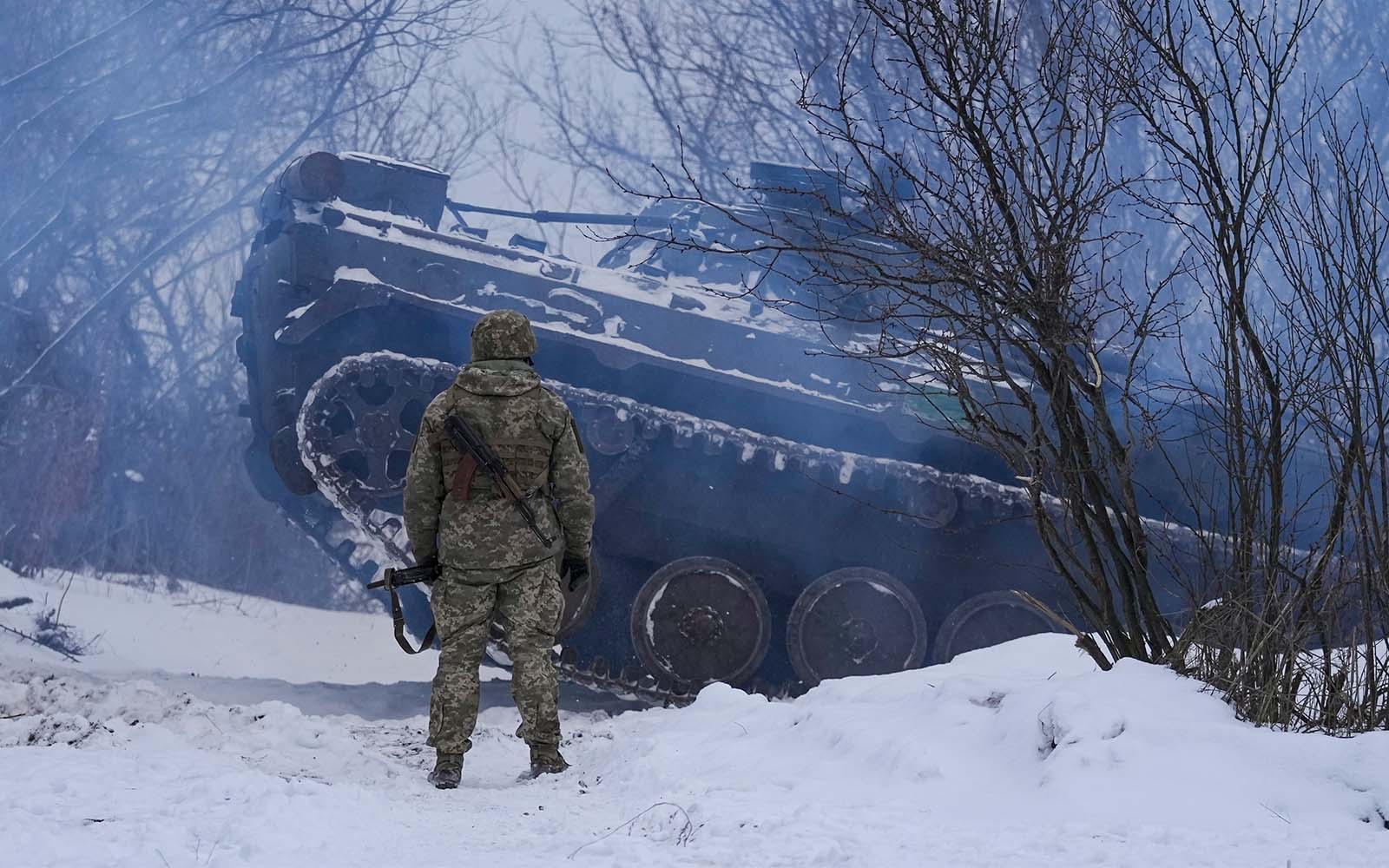
“How long will such Russian activity last and for what purpose is it maintained? Only the Kremlin can know the exact answer to this question,” he says.
“The task of both Ukraine and our partners is to be prepared for any scenario, and we are fulfilling this task 100 percent.”
The statement comes after Washington says its intelligence assessments show Moscow is stepping up moves toward a potential full-scale invasion, and has in place 70 percent of the forces it would need for such an attack.
Russia has assembled 110,000 troops along its border with Ukraine but US intelligence has not determined if President Vladimir Putin has actually decided to invade, US officials say.








The Times of Israel Community.