

Moderna says it will develop booster shot for new COVID variant
Pharmaceutical company says it is also examining using a higher dose of its existing vaccine against Omicron
 Add ToI as a Preferred Source on Google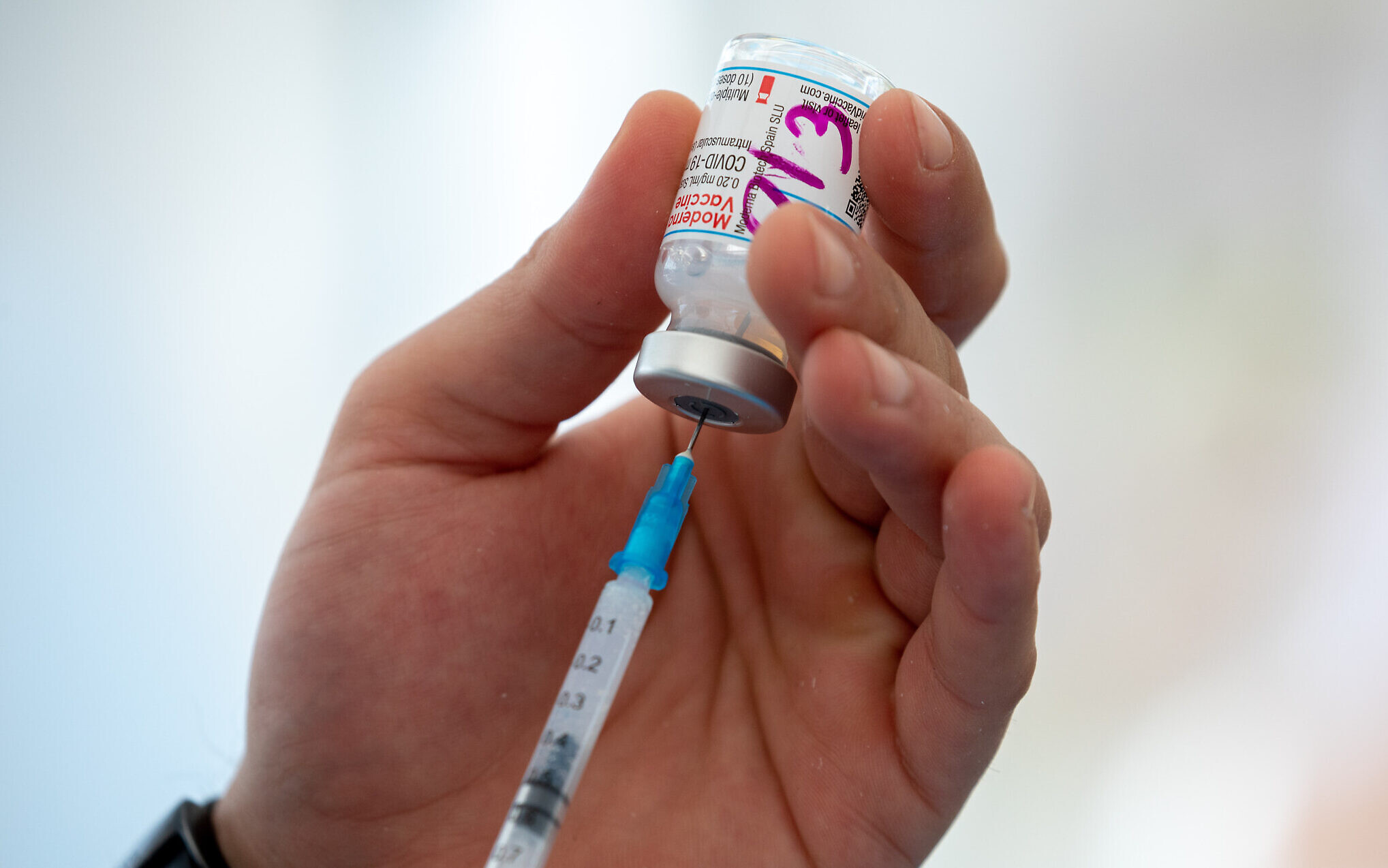
US pharmaceutical company Moderna said Friday it will develop a booster shot against the new Omicron variant of the coronavirus.
It is one of three strategies the company is working to address the new threat, including a higher dose of its existing vaccine, Moderna said.
“The mutations in the Omicron variant are concerning and for several days, we have been moving as fast as possible to execute our strategy to address this variant,” said Moderna CEO Stephane Bancel.
The announcement is part of a strategy to work on specific booster doses for variants of concern, according to Moderna.
“In 2020-2021, this has already included booster doses for the Delta and Beta variants,” the company said, adding that it “has repeatedly demonstrated its ability to move new candidates to the stage of clinical trials in 60- 90 days “.
“From the start, we said that to fight the pandemic, it was imperative to be proactive in the face of the evolution of the virus,” Bancel said.
Potentially highly contagious, the new variant is causing global concern as it spreads outside South Africa, prompting the world to gradually close its borders to southern Africa.

In Europe, Belgium has detected a first case. One case was reported in Hong Kong and one in Israel in a person returning from Malawi.
German laboratory BioNTech, which developed a vaccine along with Pfizer, said Friday it was studying the new variant and would need some wo weeks to gauge its ability to bypass current vaccine protection.
The European Medicines Agency (EMA) said Friday it was “premature” to plan an adaptation of vaccines to the Omicron variant.








The Times of Israel Community.