Netanyahu reportedly tells aides renewed war with Iran ‘unavoidable’ as Trump weighs options
US president said to task Pentagon, US intelligence with checking whether Iran could be struck without triggering attacks on Gulf energy infrastructure
Prime Minister Benjamin Netanyahu has claimed in recent meetings with top ministers and security officials that “an operation against Iran is unavoidable,” Channel 13 said Wednesday, amid his reported push to get US President Donald Trump on board for a days-long war.
The network also quoted an unnamed senior IDF officer as saying the Israeli military and the US military’s Central Command have “shared and approved plans” and that “the question is the timing.”
The two countries are waiting for a Trump decision, according to the officer.
A separate report by Axios Thursday said Trump, who last week called new strikes on Iran “quite unlikely,” has tasked the US Defense Department and intelligence agencies with assessing how Iran would respond to attack scenarios prepared by CENTCOM.
Among other questions, the White House has asked whether there was an option for a military operation that would not risk large-scale Iranian attacks on Gulf energy infrastructure, Axios reported, citing two sources familiar with the details.
The reports came after CENTCOM chief Adm. Brad Cooper met Wednesday with IDF Chief of Staff Lt. Gen. Eyal Zamir and other senior Israeli security officials, including Mossad chief Roman Gofman. Cooper later traveled to Saudi Arabia for meetings with Gulf officials.
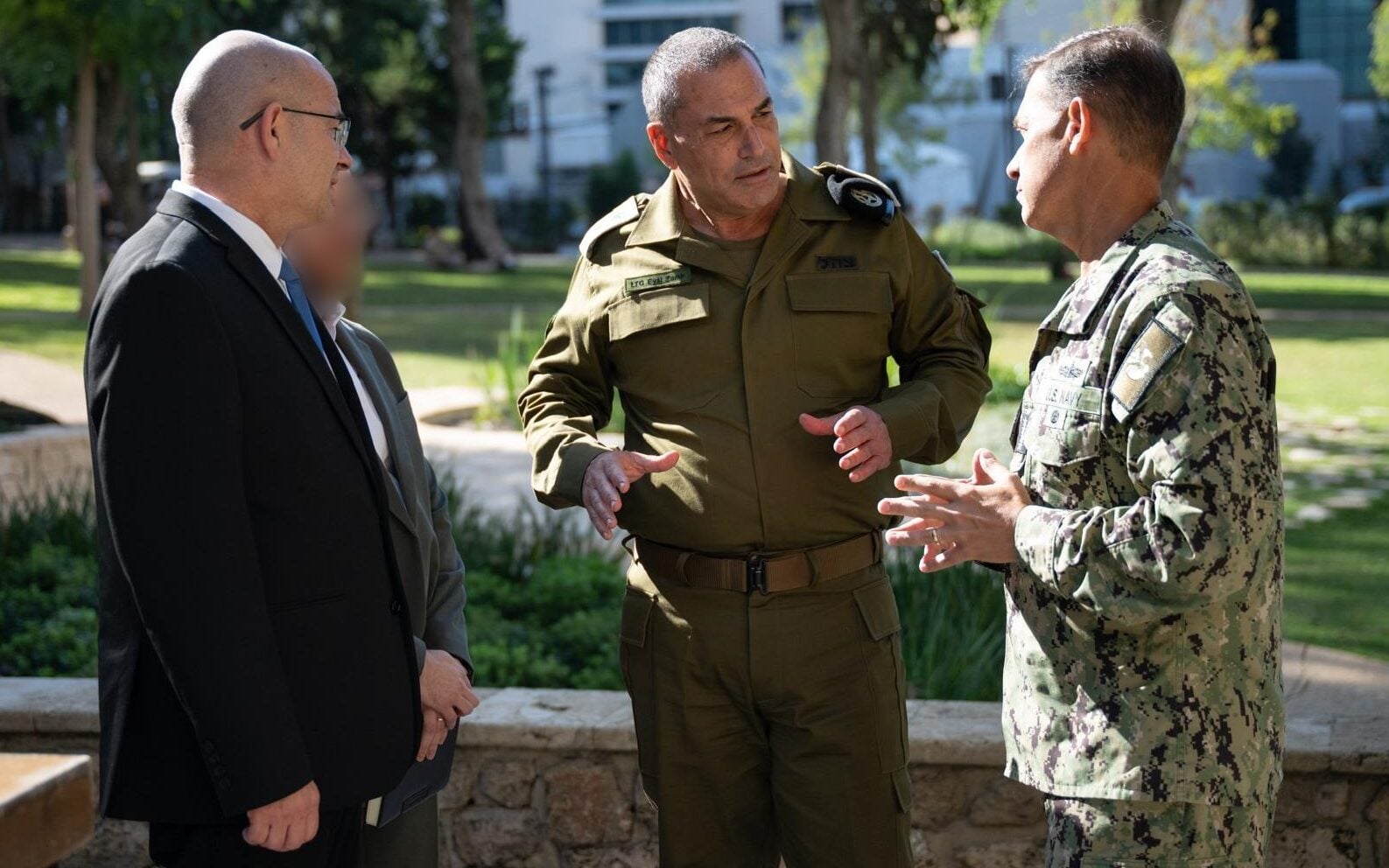
Previous reports cast Zamir as the only top security official opposed to an immediate renewal of strikes on Iran while Israeli parties opposed to Netanyahu seek to form a government following the October 27 Knesset election, in which Netanyahu lost his parliamentary majority.
Gofman, a Netanyahu confidant who became Mossad chief in June, is said to support a return to action and was dispatched to the US last week, where people briefed on his visit told Reuters he pushed for renewing the bombing campaign that the US and Israel launched on Iran on February 28.
Sources cited by the Washington Post on Thursday also said Netanyahu had ordered Gofman to prepare covert operations against Iran without informing either Zamir or the cabinet.
West slams Iranian ‘stonewalling’ over nuclear inspections
Meanwhile, at a meeting of the UN atomic watchdog’s board on Thursday, the US, Britain, France and Germany accused Iran of “stonewalling” on nuclear inspections and pressed the Islamic Republic to let inspectors return to nuclear sites bombed by the US and Israel last year.
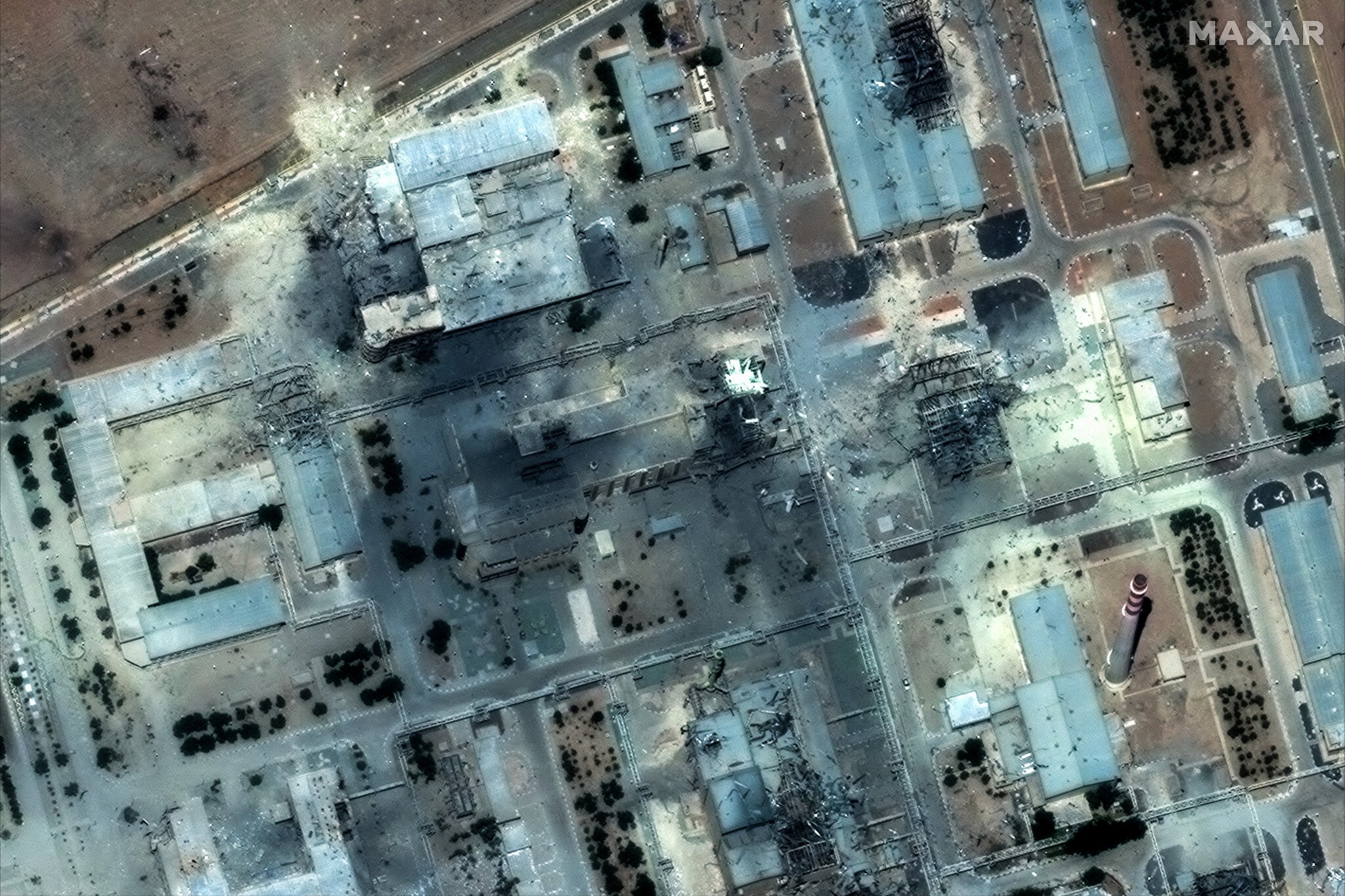
Iran has not granted the International Atomic Energy Agency access to those nuclear facilities since the major military strikes against them in the 12-day Israel-Iran war in June 2025.
While the strikes destroyed or badly damaged Iran’s three uranium-enrichment plants known to have been operational at the time, Tehran has not said what happened to its stock of highly enriched uranium, which included material close to weapons grade and remains unaccounted for.
Iran, whose leaders are sworn to destroy Israel, publicly says it opposes nuclear arms, but has amassed uranium enriched to levels with no civilian application.
“It should be of concern to all Members of this Board that for a year and a half, the Agency has lost continuity of knowledge regarding Iran’s previously verified stockpile of high-enriched uranium,” the four Western powers said in a joint statement to the IAEA’s 35-nation Board of Governors.
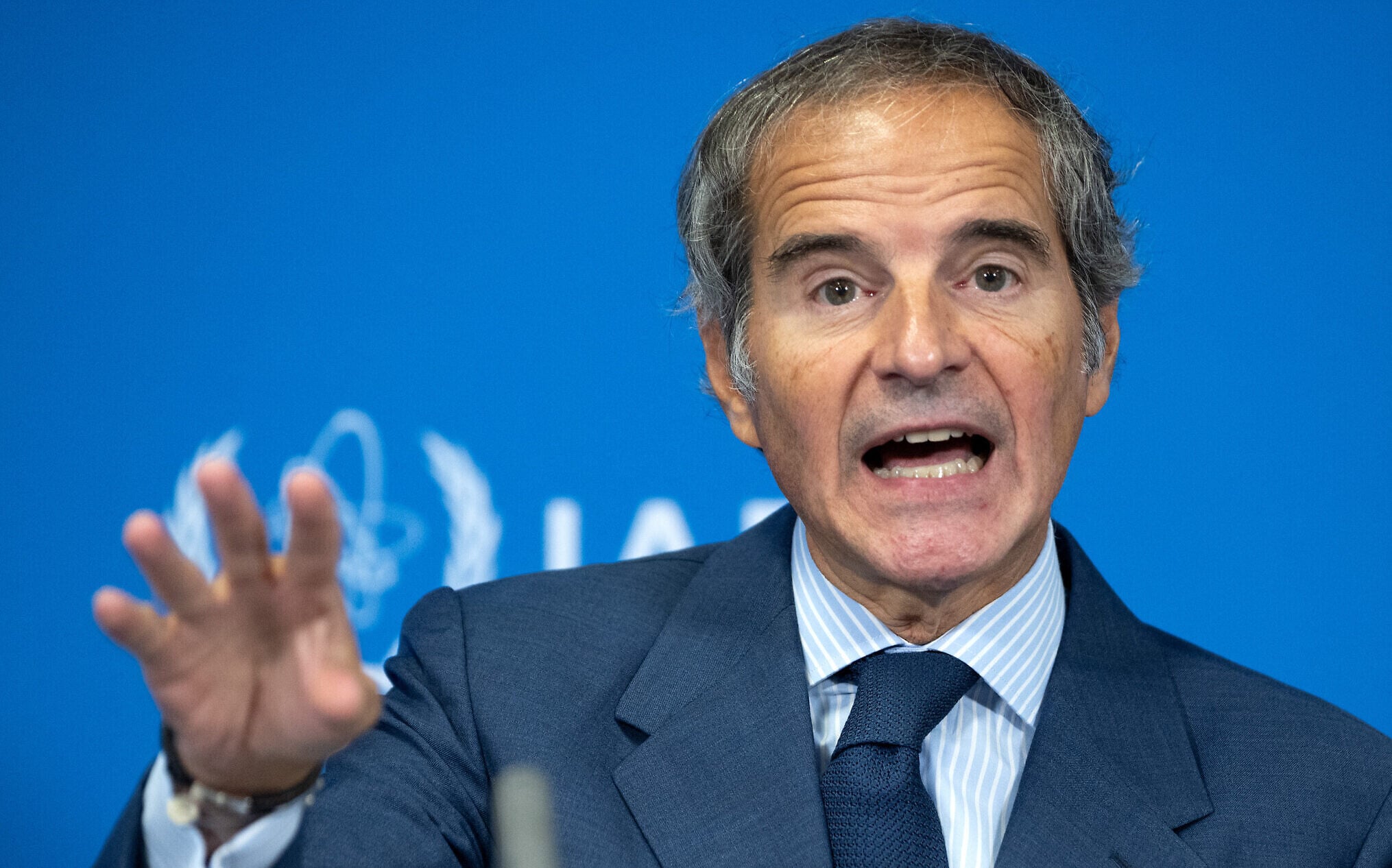
The board is holding a quarterly meeting this week. IAEA Director General Rafael Grossi informed it that the only inspections in the last quarter were at the undamaged Bushehr nuclear power plant.
“The DG has repeatedly made clear that there is no current technical reason preventing the Agency from accessing the affected nuclear facilities and that inspectors have been ready to return for a long time now,” the four countries said.
“It is up to Iran to seize this opportunity, change course, and address the international community’s long-standing concerns regarding its nuclear program,” they added, referring to “Iran’s stonewalling strategy.”
Iran says the US and Israeli attacks caused the current standoff over inspections.
“Does their insistence on an immediate inspection of the attacked sites signify anything other than an attempt to gather intelligence for a renewed attack? Had they genuinely valued safeguards, they would never have attacked facilities already under safeguards for years,” Iran’s statement to the board said.
The statement also cited the current US offer of a reward of up to $20 million for information on Iran’s nuclear program.
“What other intention could lie behind this action, aside from facilitating and planning for further illegal attacks, terrorist acts and sabotage?” it added.
IEA: Iran war ‘largest threat’ to energy security in history
Israel and the US jointly launched the war on Iran this year to destabilize its regime and destroy its ballistic missile and nuclear programs.
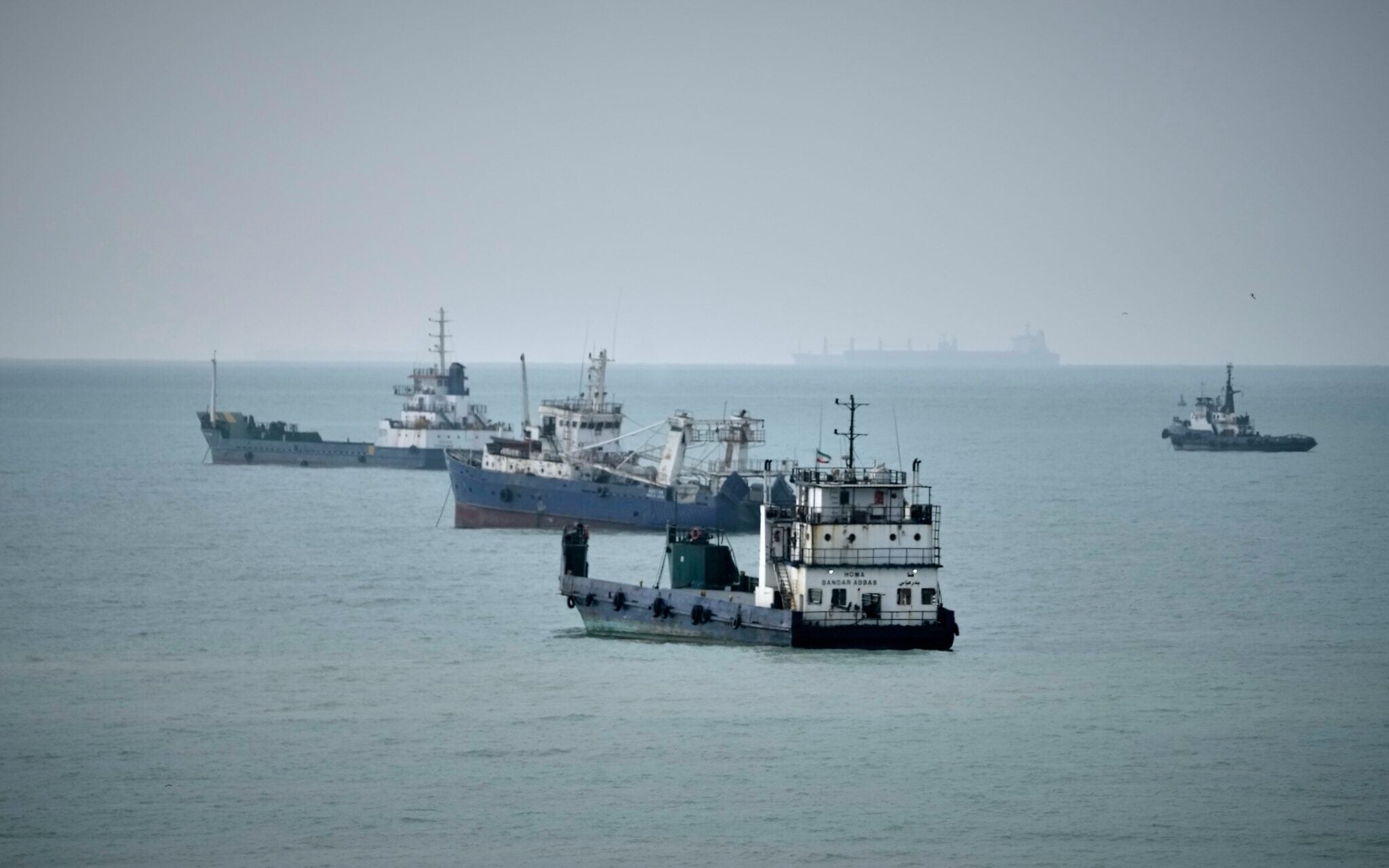
Iran responded with missile and drone strikes across the region and with a blockade in the vital Strait of Hormuz. The US later launched its own retaliatory naval blockade against Iran.
The fighting entered a fragile truce in April, but indirect US-Iran talks in the ensuing months have failed to secure a peace deal, and the occasional skirmishes have continued between the US and Iran around the strait, which previously carried about a fifth of the world’s oil shipments.
On Thursday, the International Energy Agency (IAE) warned the Middle East crisis has created the “largest threat” to energy security in history.
The agency said in its flagship annual World Energy Outlook that consumers were increasingly footing the bill as the world runs out of ways to absorb the impact of the conflict on energy supplies.
The crisis, just like previous energy shocks, would certainly leave “lasting marks,” the agency warned.
“The Strait of Hormuz crisis has created the largest threat to energy security in history, one that dwarfs the scale of the oil shocks of the 1970s,” IEA Executive Director Fatih Birol wrote in his foreword to the report.
He highlighted the efforts countries had taken to protect households, with producing nations bringing more supplies into the market and using alternative routes, and China buying less from international markets.
“Governments have intervened to try and provide some shelter for consumers, but they have nonetheless faced higher prices and, in some cases, shortfalls of supply,” Birol wrote.
The report said elsewhere that “increasingly it is falling to consumers — and high prices — to absorb the impact as other buffers are run down.”
Birol had struck a more hopeful tone in July when he wrote that the oil market was still benefiting from “several cushioning factors.”
Times of Israel staff contributed to this report.