One dead, another badly hurt by fumes from grill left burning indoors overnight
Deceased identified as migrant worker from India living in Haifa; public told not to cook with charcoal grills indoors as they can produce toxic levels of carbon monoxide
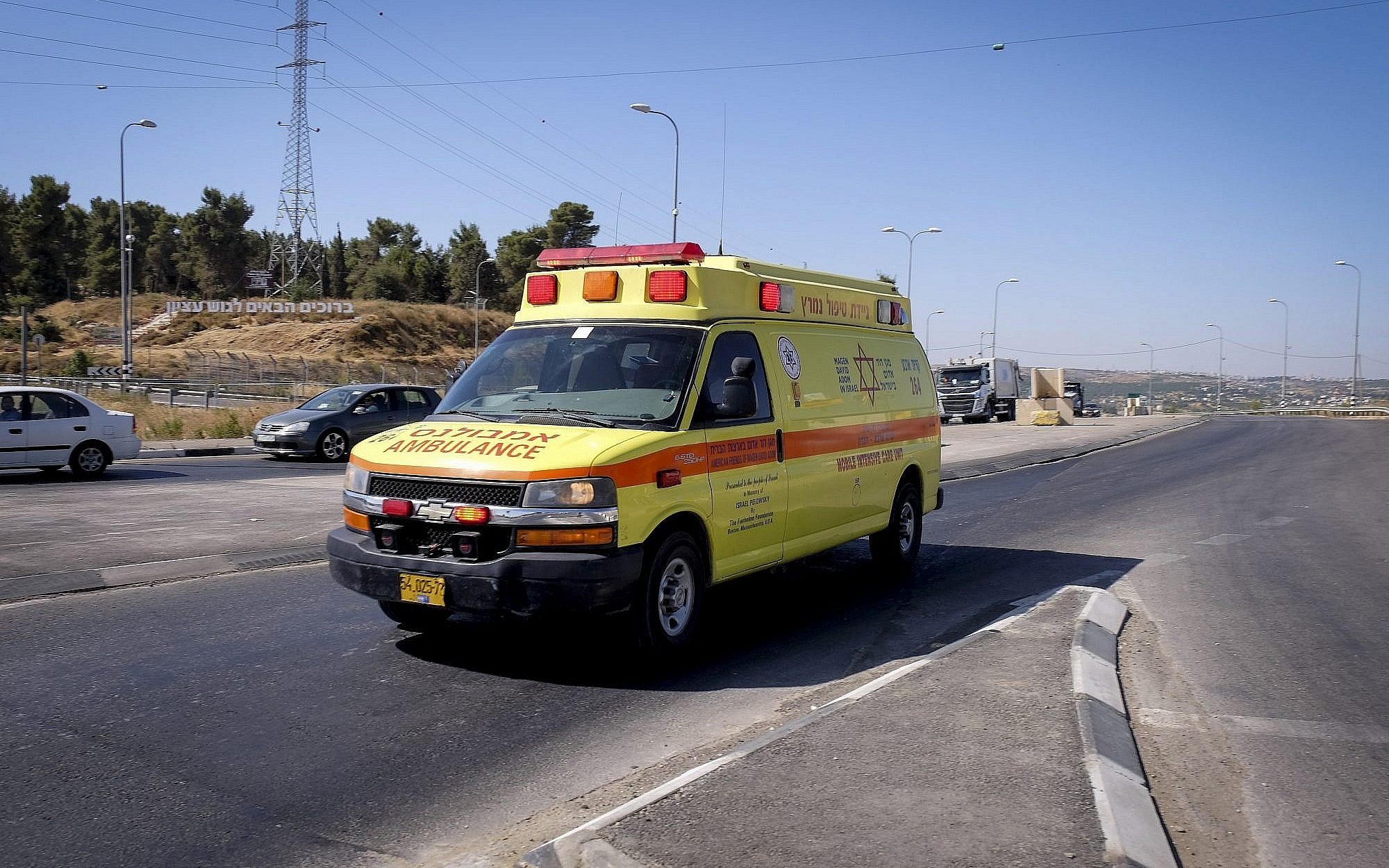
Illustrative. An ambulance belonging to the Magen David Adom ambulance service. (Gershon Elinson/Flash90)
One man was killed and another seriously hurt from carbon monoxide poisoning after they left a charcoal grill burning in their apartment in the northern city of Haifa.
The man was pronounced dead at the scene by Magen David Adom rescuers after “extended” resuscitation efforts failed, MDA medic Tal Shustak told Channel 10 news.
He was identified Sunday morning as a 35-year-old migrant laborer from India.
The second man, also in his thirties, is hospitalized in serious condition at Haifa’s Rambam Medical Center, where he is attached to a respirator but is reportedly in stable condition.
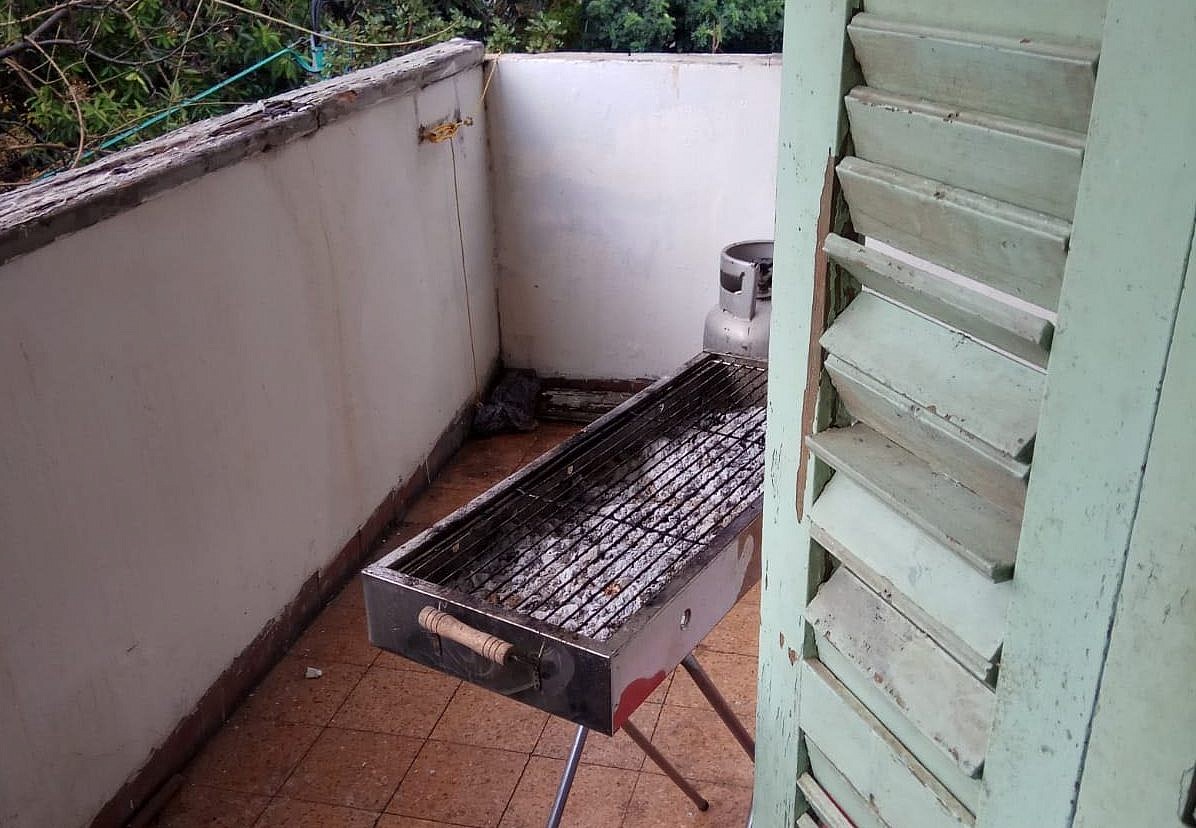
A grill found in an apartment in the Hadar neighborhood of Haifa that was left burning indoors overnight, causing the death of one man and leaving another seriously hurt, on December 30, 2018. (Israel Police spokesperson)
Following an initial investigation, officials believe the two neglected to put out the grill when they went to sleep on Saturday night in the city’s Hadar neighborhood.
Get The Times of Israel's Daily Editionby email and never miss our top stories
In a statement, MDA noted the dangers of carbon monoxide poisoning.
The gas has no color or smell, so leaks can be hard to identify until symptoms of poisoning become evident. Anyone planning on cooking with charcoal should only do so in a well-ventilated outdoor space, as even a single grill’s worth of burning charcoal can emit toxic levels of carbon monoxide.
Advertisement
Help us report truthfully on social media
As a multimedia journalist, my job is to take the quality, fact-based journalism produced by The Times of Israel newsroom and make it accessible across every platform — from Instagram posts to podcasts to short-form videos.
This is how many, especially young people, consume news these days. But misinformation is rampant on social media. Our team at ToI produces accurate, responsible short-form reporting on Israel and the Jewish world.
If you believe in the importance of factual social media journalism, please consider joining our reader support group, The Times of Israel Community. Your financial support is essential to sustain responsible multimedia reporting.
We’re really pleased that you’ve read X Times of Israel articles in the past month.
That’s why we started the Times of Israel - to provide discerning readers like you with must-read coverage of Israel and the Jewish world.
So now we have a request. Unlike other news outlets, we haven’t put up a paywall. But as the journalism we do is costly, we invite readers for whom The Times of Israel has become important to help support our work by joining The Times of Israel Community.
For as little as $6 a month you can help support our quality journalism while enjoying The Times of Israel AD-FREE, as well as accessing exclusive content available only to Times of Israel Community members.
Thank you, David Horovitz, Founding Editor of The Times of Israel


 Add ToI as a Preferred Source on Google