

Poland says Holocaust bill row should not affect US ties
Despite US warning, Warsaw says strategic relationship not impacted by controversial legislation criminalizing blaming Poland for Nazi crimes
 Add ToI as a Preferred Source on Google
Poland expressed hope Thursday that relations between Warsaw and Washington would not be affected by the controversial passage of the country’s Holocaust complicity bill, after the US State Department condemned the measure.
The bill, which would criminalize those accusing the Polish nation or state of complicity in the Holocaust, has been pilloried by Israel as a form of historical distortion.
“We believe that the legislative work … despite differences in the assessment of the introduced changes, will not affect the strategic partnership between Poland and the United States,” the Polish Foreign Ministry said in a statement, according to a Reuters report.
The ministry defended the legislation as intended to “fight all forms of denying and distorting the truth about the Holocaust as well as belittling the responsibility of its actual perpetrators.”
The statement came after the Trump administration urged Poland to reconsider the bill, which prescribes a prison sentence for anyone who refers to “Polish death camps” and forbids mention of Poland’s complicity in Nazi crimes. Washington warned that its passage would impair Poland’s ties with the United States and Israel.
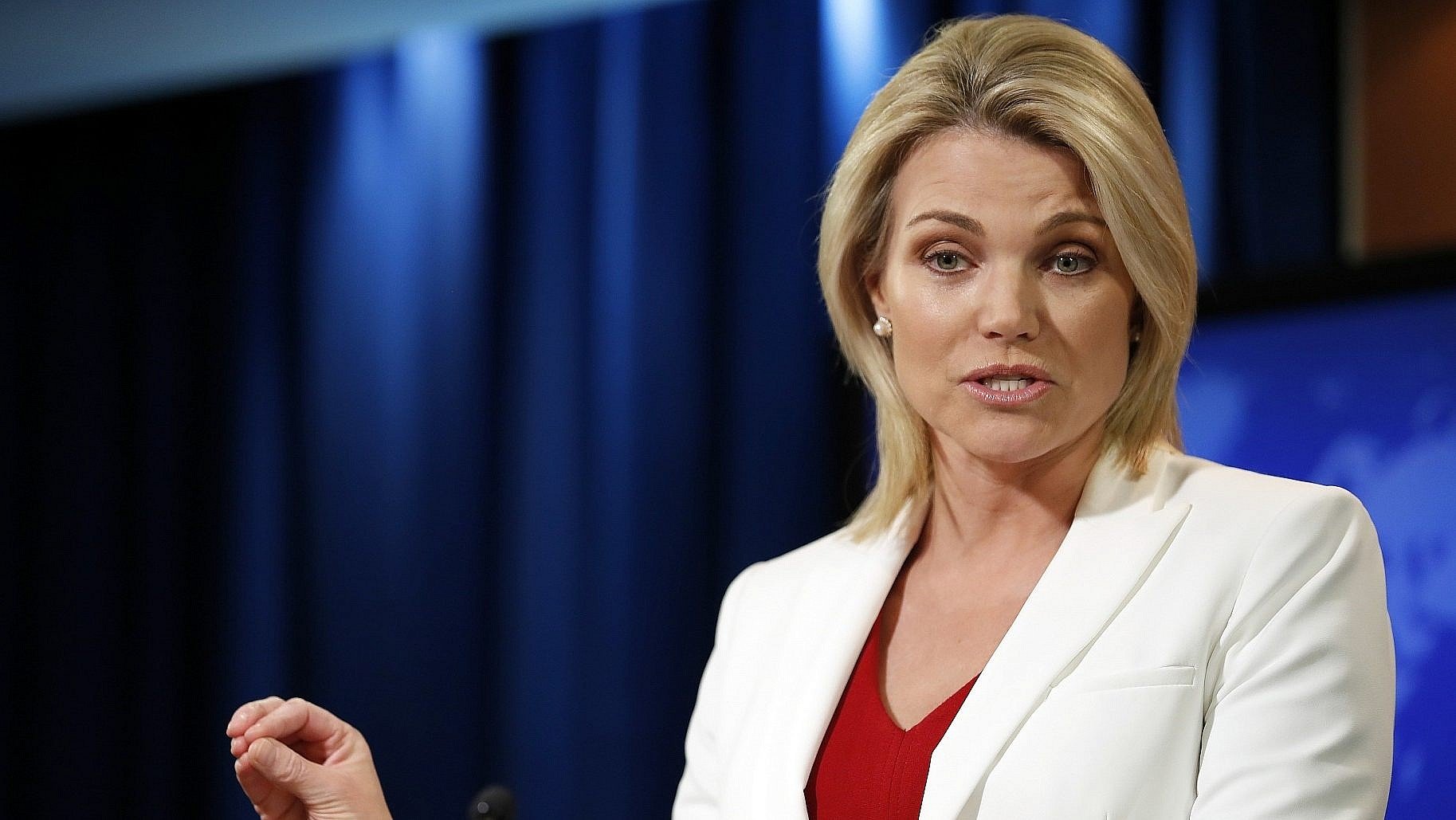
“We encourage Poland to reevaluate the legislation in light of its potential impact on the principle of free speech and on our ability to be effective partners,” State Department Spokeswoman Heather Nauert said Wednesday.
The bill, which passed the Senate Thursday morning with 57 yes votes and 23 no votes, with two abstentions, still needs to be confirmed by Poland’s President Andrzej Duda before it becomes law.
According to the State Department website, the US and Poland “partner closely on issues such as NATO capabilities, counterterrorism, nonproliferation, missile defense, human rights, economic growth and innovation, energy security, and regional cooperation in Central and Eastern Europe.”
The Israeli government has in the past supported the campaign against the phrase “Polish death camps,” though it strongly criticized the new legislation.
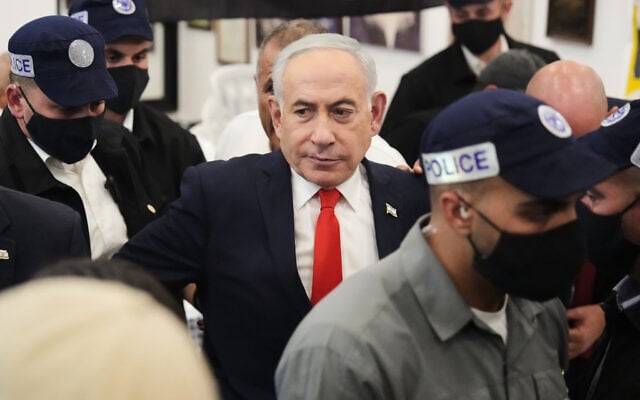
Prime Minister Benjamin Netanyahu denounced it is a “distortion of the truth, the rewriting of history and the denial of the Holocaust.”
Hours after the bill was passed Israel’s Foreign Ministry issued a condemnation of the legislation, tweeting “The State of Israel opposes categorically the Polish Senate decision. Israel views with utmost gravity any attempt to challenge historical truth. No law will change the facts.”

Just before International Holocaust Remembrance Day on January 27, which marks the anniversary of the liberation of Auschwitz, Poland’s nationalist-controlled Parliament introduced the draft bill that criminalizes blaming the Polish nation or state for Nazi atrocities committed on Polish soil during the Holocaust.
Poles were among those imprisoned, tortured and killed in the camps, and many today feel that Poles are being unfairly depicted as perpetrators of the Holocaust.
Germany occupied Poland in 1939, annexing part of it to Germany and directly governing the rest. Unlike other countries occupied by Germany at the time, there was no collaborationist government in Poland. The prewar Polish government and military fled into exile, except for an underground resistance army that fought the Nazis inside the country.
There were many cases of Poles killing Jews or denouncing them to the Germans, however, with deadly anti-Semitic pogroms continuing during and in one case even after World War II.





The Times of Israel Community.