

Pompeo talks tough on Iran while visiting Emirates
US secretary of state says renewed sanctions aim to convince Tehran that its activities have ‘a real high cost’
 Add ToI as a Preferred Source on Google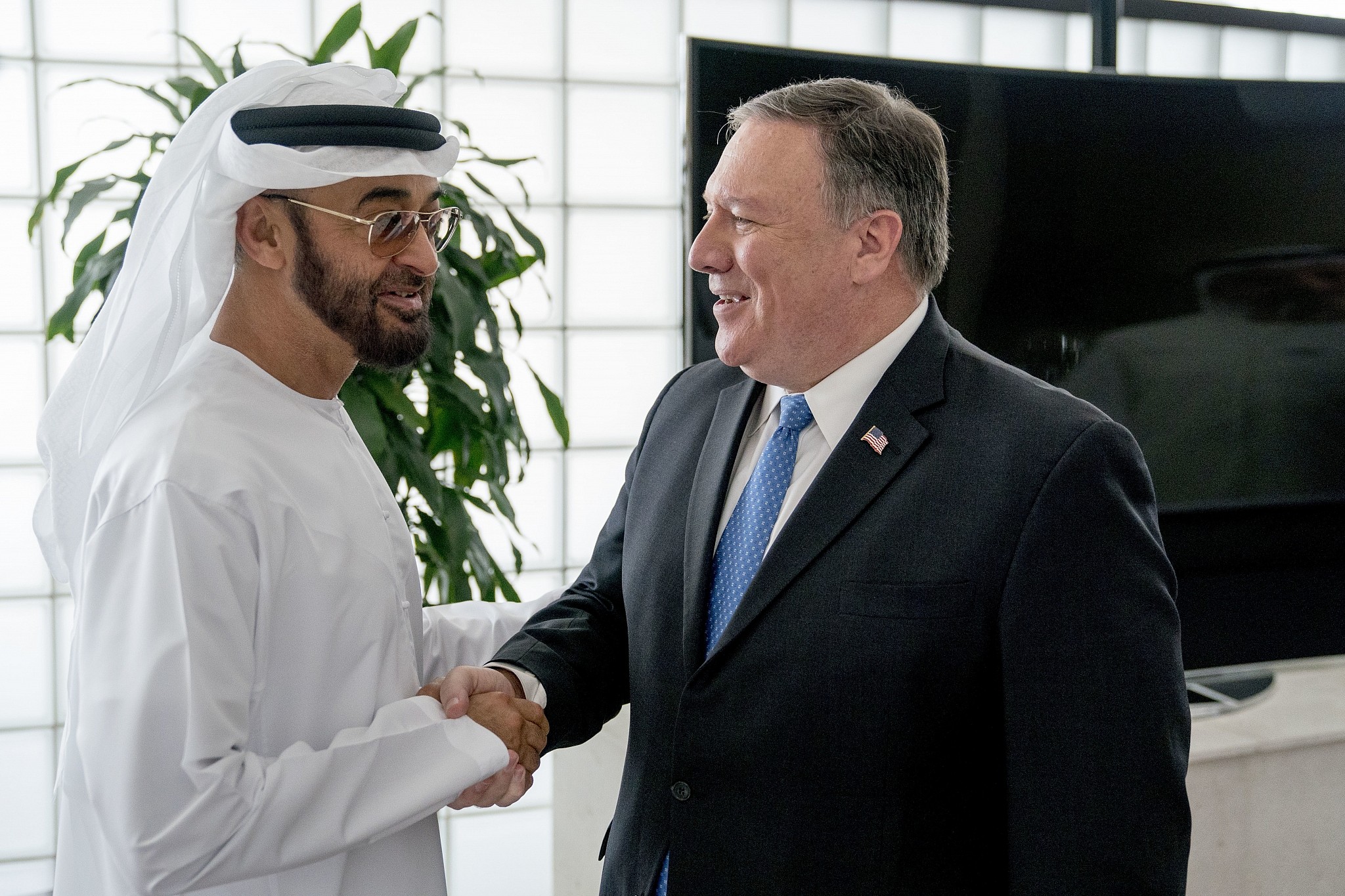
US Secretary of State Mike Pompeo, on a visit to the United Arab Emirates, said Tuesday that the US wants to show Iran its actions have “a real high cost.”
Speaking to Sky News Arabia, he said that a focus remains on denying “Iran the financial capacity to continue this bad behavior.”
Pompeo said that included a “series of sanctions aimed not at the Iranian people, but rather aimed at the single mission of convincing the Iranian regime that its malign behavior is unacceptable.”
Pompeo met Abu Dhabi’s powerful crown prince, Mohammed bin Zayed Al Nahyan, while on his short trip to the UAE.
US President Donald Trump announced in early May the unilateral withdrawal of the US from the Iran nuclear deal and the reinstatement of sanctions against the country, as well as against foreign companies who do business with it.
On Friday, the remaining partners in the 2015 nuclear deal vowed to keep Iran plugged into the global economy despite the US withdrawal and sanctions threat.
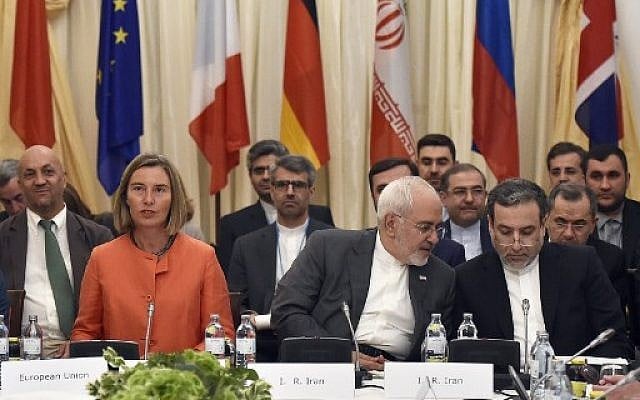
Britain, France, and Germany along with Russia and China met with Iran in Vienna to offer economic benefits and assurances that would lessen the blow of sweeping US sanctions announced by Trump.
The foreign ministers Friday agreed on an 11-point list of joint goals in the Austrian capital, where the accord was signed with the aim of stopping Iran from building the atomic bomb in return for sanctions relief.
In the joint statement, they reconfirmed their commitment to the deal and its “economic dividends” for Iran, which has suffered worsening financial turbulence since Trump abandoned the accord, and vowed to work for “the protection of companies from the extraterritorial effects of US sanctions.”
Although there were no concrete pledges or deadlines, they also vowed efforts to keep open financial channels with Iran, promote export credit cover, and maintain open air, sea, and overland transport links.



The Times of Israel Community.