

Second Gaza crossing reopens after closure over rocket fire
IDF says Kerem Shalom Crossing, used for transporting goods, operating normally; Erez Crossing for pedestrians reopened Friday
 Add ToI as a Preferred Source on Google
Judah Ari Gross is The Times of Israel's religions and Diaspora affairs correspondent.
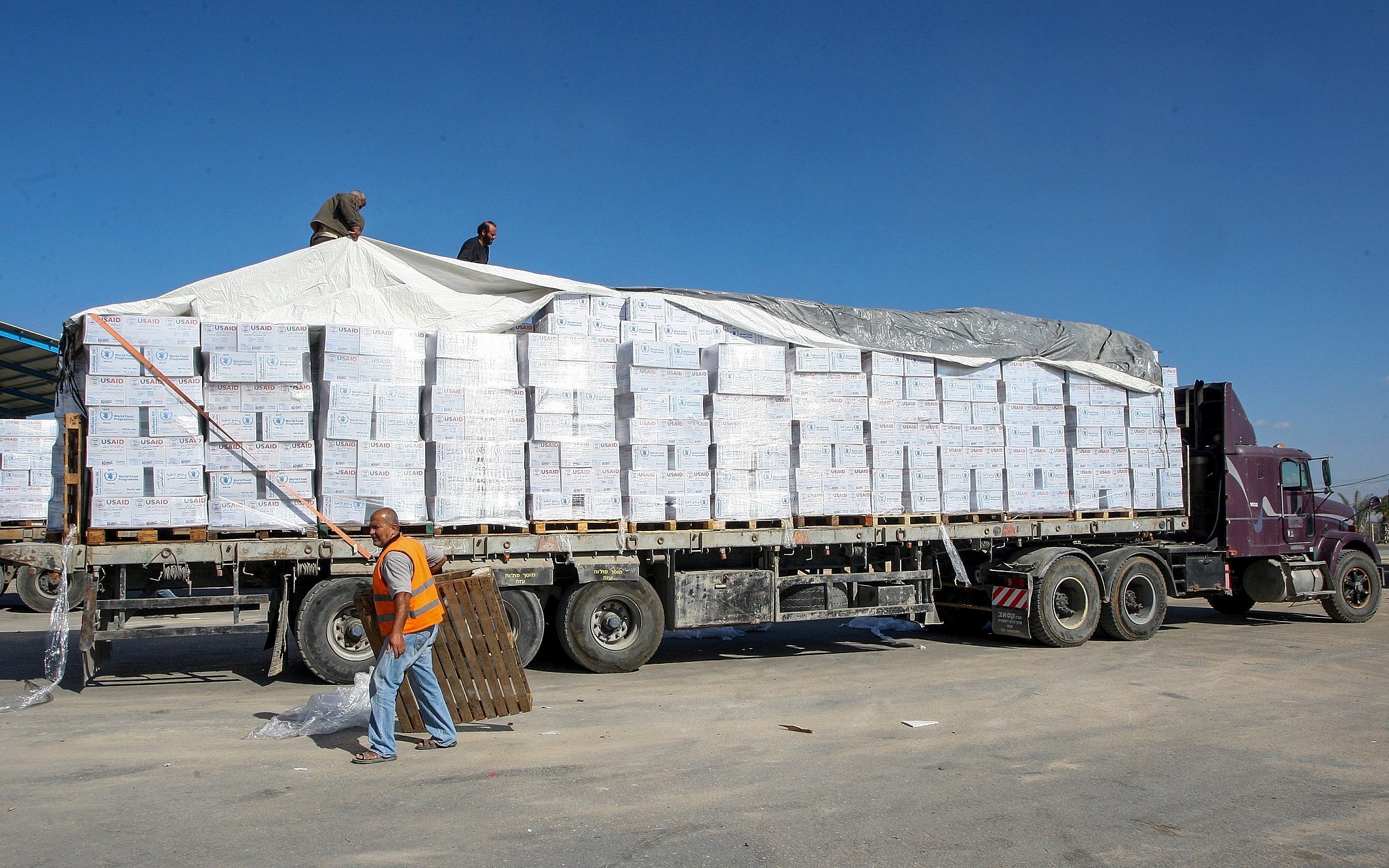
Israel reopened the crossings in and out of the Gaza Strip on Sunday, after closing them on Thursday following numerous rocket attacks on Israel from the coastal enclave, the IDF’s Coordinator of Government Activities in the Territories said.
The Kerem Shalom Crossing, which is used for transporting goods, operated as usual on Sunday morning, a COGAT spokesperson said.
The Erez Crossing, which is used for people to enter and exit the Strip, reopened on Friday.
Palestinians were able to leave Gaza on Sunday, though people entering the Strip from Israel were barred from crossing in the morning hours — not due to security considerations, but because of a general strike of Israeli workers over planned layoffs by the Teva pharmaceutical giant.
While the Gaza crossings are typically closed for Jewish and national holidays, it is uncommon for Israel to shut them for punitive reasons.
In the past week, over a dozen rockets have been fired from Gaza. A number of them fell short, five were shot down by the Iron Dome and six struck Israel, two of them causing damage in the southern town of Sderot.
This has been the largest amount of rocket fire from the Strip since the 2014 Gaza war. According to Israeli assessments, these rockets are not being launched by Hamas, but by other terrorist groups in the Strip.
While the frequency of the rocket launches slowed considerably over the weekend, COGAT said a rocket fired at Israel on Friday evening from Gaza fell short and struck a home belonging to an Egyptian family in the northern Gaza city of Beit Hanoun.
“Once again the terror groups launch rockets at the residents of Gaza,” COGAT wrote on its Arabic Facebook page.
It did not say if anyone was injured by the rocket. A Hadashot news report said the rocket damaged the home of the brother of a senior Hamas official, Mushir al-Masri.
The recent Israel-Gaza tensions have apparently been fed by Washington’s recognition earlier this month of Jerusalem as Israel’s capital.
Protesting US President Donald Trump’s December 6 declaration that Jerusalem is the Israeli capital, terror group Hamas, which runs Gaza and seeks Israel’s destruction, called for a new intifada and vowed to liberate Jerusalem.
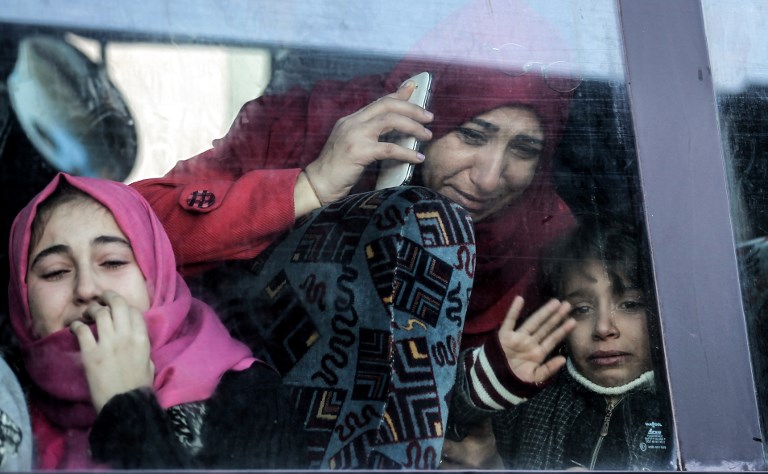
Separately, Egypt opened its largely sealed border with Gaza on Saturday for only the second time since the Palestinian Authority took control of the crossing from Hamas.
The Hamas-run interior ministry, which was organizing departures from the southern Gaza Strip city of Khan Yunis, said the crossing would stay open for four days but, in the Egypt direction, for humanitarian cases only.
Rafah is Gaza’s only border crossing not controlled by Israel.
Hamas handed control of the Gaza side to the West Bank-based Palestinian Authority on November 1, as the first part of an Egyptian-brokered reconciliation deal designed to end a bitter, decade-long split.
That was supposed to have been followed by the handover of full civil control in Gaza by December 1.
But the target date was missed amid differences over the future of tens of thousands of civil servants recruited by Hamas since it seized control of the territory in 2007. Hamas is also refusing to give up its arms and its military wing.
Egypt opened the border for three days last month — the first time it had done so since the reconciliation deal.
Prior to that, the crossing had been open for just 14 days this year, according to the Hamas-run interior ministry.
Times of Israel staff and AFP contributed to this report.






The Times of Israel Community.