

Support fishing in the yes-men
With Netanyahu in legal trouble, attention turns to what his former biggest backers have to say and why they have not jumped ship even if they want to
 Add ToI as a Preferred Source on Google
Joshua Davidovich is The Times of Israel's Deputy Editor

With the wheels of justice slowly tightening the screws on Prime Minister Benjamin Netanyahu, the press on Monday morning turns to looking at those who were once closest to the man in the hot seat — his cabinet members and top aide-turned-state’s witness Ari Harow — and what they have to say about him.
Thanks to a scad of Likud ministers coming out in support of Netanyahu despite everyone else abandoning him, and Harow talking in synagogue to a friend who then ran and told Channel 2 what he heard between verses of Anim Zemirot, the press has a good idea of who is sticking with Netanyahu and who is abandoning him, though motives remain a mystery.
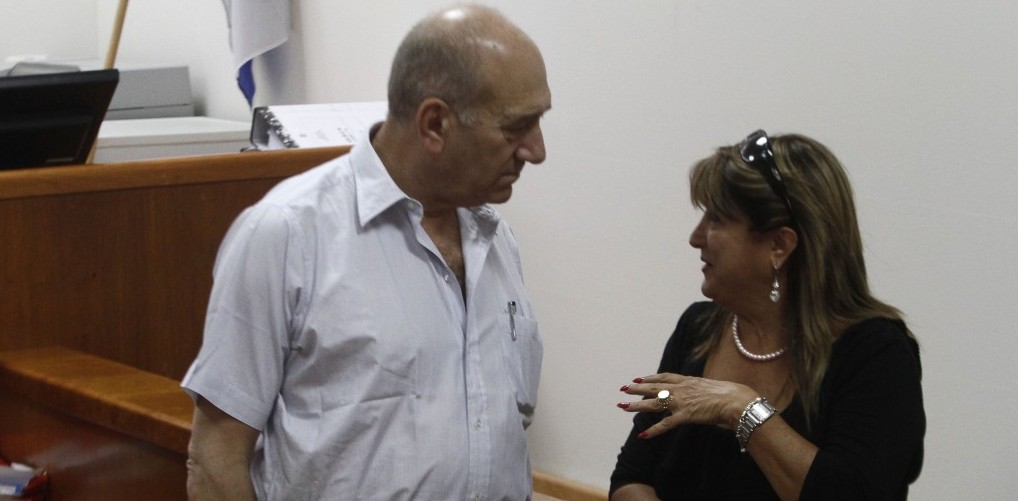
Both Yedioth Ahronoth and Israel Hayom use the Harow quote “I am not Shula Zaken” in their headlines, assuming readers know the name of the aide to former prime minister Ehud Olmert who supplied prosecutors with evidence that let them put her former boss away in exchange for a lighter punishment for her.
The similarities from the competitors don’t end there, with both papers picking the exact same quotes from Harow to play up, including “The definition of state’s witness is not someone from inside who turns traitor against his boss. Case 2000 is not a case that I opened. It is something that fell on me against my will while I was there.”
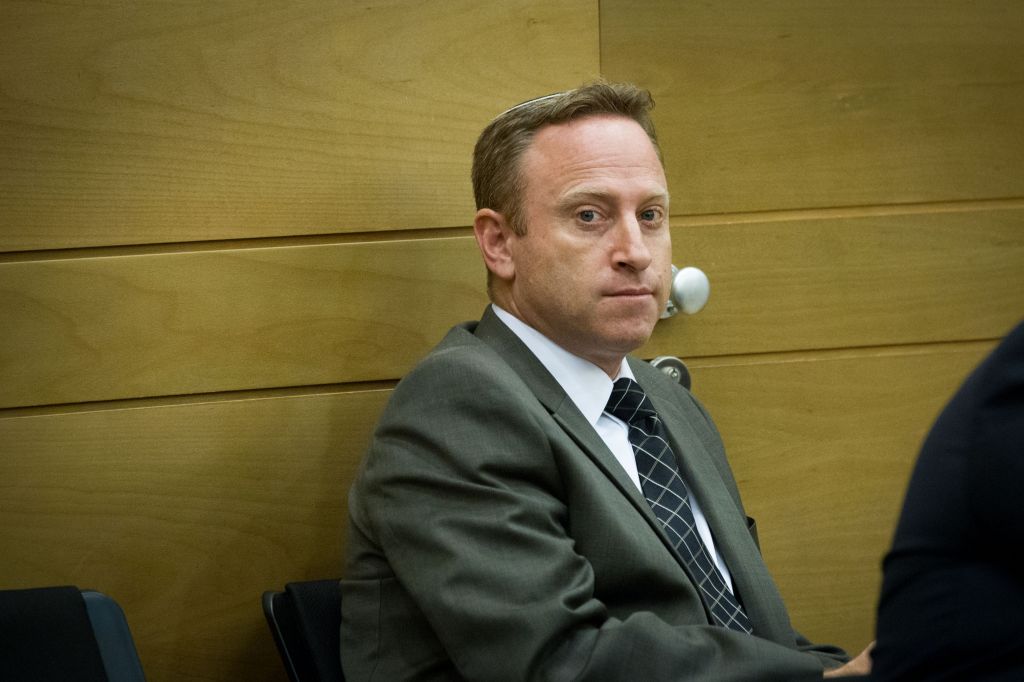
The feeling one gets is that Harow — while speaking carefully — is not someone who has it in his for his old boss.
Haaretz, meanwhile, leads off with a top headline quoting Likud ministers saying “You don’t push out a prime minister over headlines,” and gathering the various comments of political figures defending Netanyahu.
Whether that show of support is sincere is a whole other issue. Yedioth reports that it came after Netanyahu scolded his ministers for not giving him enough backing, by thanking those who did give supportive media interviews “with express cynicism,” in the paper’s words.
A column titled “The ministers realize which way the wind is blowing,” might be seen as sarcastic as well, were it not in Israel Hayom, which still backs Netanyahu. (Its lead front page story isn’t even the Netanyahu saga but rather a court ruling on a tax scheme.)
According to Mati Tuchfeld, Netanyahu is still getting massive amounts of support from the right-leaning public, and the politicians realize this.
“Large percentages of the right don’t trust news reports, which have good reason not to be trusted in many cases, by the way, and those that do believe them still prefer Netanyahu to anyone else on the left, despite the fact that his hands aren’t clean. Maybe it took them a day or more to get behind him, but at the end of the day the conversation online and the pressure of activists did its job and brought them around to support Netanyahu,” he writes.
In Yedioth, columnist Amichai Eteli notes that the right wing that doesn’t care how dirty Netanyahu is will want something in return for their support, and counsels the prime minister to embrace them lickety-split.
“Mr. Netanyahu, quit crying about the judicial activism and lead a round of judicial appointments that will give voice to our political side. Forget your habit of checking whether they support you or your wife and give us judges who will substantially justify the rights of the right. Really deal with Arab Israeli terrorists,” he writes, kicking off his laundry list of wishes.
One place Netanyahu does not get support is on Haaretz’s op-ed page, with a lead editorial claiming that the cases against Netanyahu have reached a critical mass and expressing little confidence in his ability to run the country under the shadow of legal troubles.
“Even a politician as experienced as Netanyahu, who is used to facing public criticism and opposition to his rule, will find it difficult to make decisions as usual in matters of state while anticipating his next meeting with police investigators, while his thoughts are troubled by what Harow will tell them,” it notes. “Every decision he makes from now on, about war and peace, senior appointments and budgetary allocations, any position he takes in matters of public significance, will necessarily be perceived as part of his defense against the criminal suspicions.”
Dovetailing with that is another report by the paper noting that Palestinians have decided there is no point in trying to negotiate a peace deal with Netanyahu, since it seems he is out the door.
How long that actually takes, though, is up for debate, and a Q&A in the paper looking at the various scenarios notes that Harow’s testimony will actually win Netanyahu time, by extending the investigation. While he could stay in power all the way until the Knesset is forced to vote on booting him should he be convicted with moral turpitude, likely years down the road, the first stop on the fall-of-Netanyahu express will come if police recommend an indictment, the paper notes.
“The harsher the recommendation, the more the political arena will exert pressure to oust Netanyahu. If the police recommend an indictment for bribery, Finance Minister Moshe Kahlon will have to decide between resigning from the government and going to elections, or continuing to support Netanyahu despite the cloud hanging over him,” Haaretz reports.
Kahlon also takes center stage in other major story of the day, the High Court’s decision to strike down a law pushed by the Kulanu leader placing heavy taxes on owners of a third home. Much of the coverage focuses not on the blow to the finance minister but on him getting right back in the saddle.

“Kahlon: I’ll redo the law,” reads a headline in Israel Hayom.
“Behind the scenes Moshe Kahlon had already started last night to work quickly on pushing the third home tax law. Phones of coalition colleagues started to ring, despite the fact that they are on break, and it seems the finance minister was determined to show that the court ruling was just a small nick to his wing, nothing more than a temporary technical delay,” reads Yedioth’s lede.
Clearly on Kahlon’s side, Yedioth columnist Telem Yahav says it is the youths who will pay the price for the court decision, which struck down a law designed to bring down skyrocketing real estate prices but was found to have broken Knesset procedure.
“Bravo, judges. I’m sure you spread out last night in your nice apartments and said to yourself ‘we got them,’” he writes in a column dripping with bitterness. “There’s no doubt, the legal analysis peppering your verdict will be taught in law schools for years to come. The third home decision will become a Wikipedia page and every young lawyer will know to quote from it extensively.”
Giving a slightly less acerbic analysis, Israel Hayom commentator Hezi Sternlicht asks whether maybe the law wasn’t everything it was cracked up to be.
“The tax could have taken rental properties off the market. Perhaps it would have lowered home prices somewhat, but it would have raised the required yield on a rented apartment. In other words, raising rent on those still in the rental market,” he writes. “So it’s good it was struck down.”








The Times of Israel Community.